

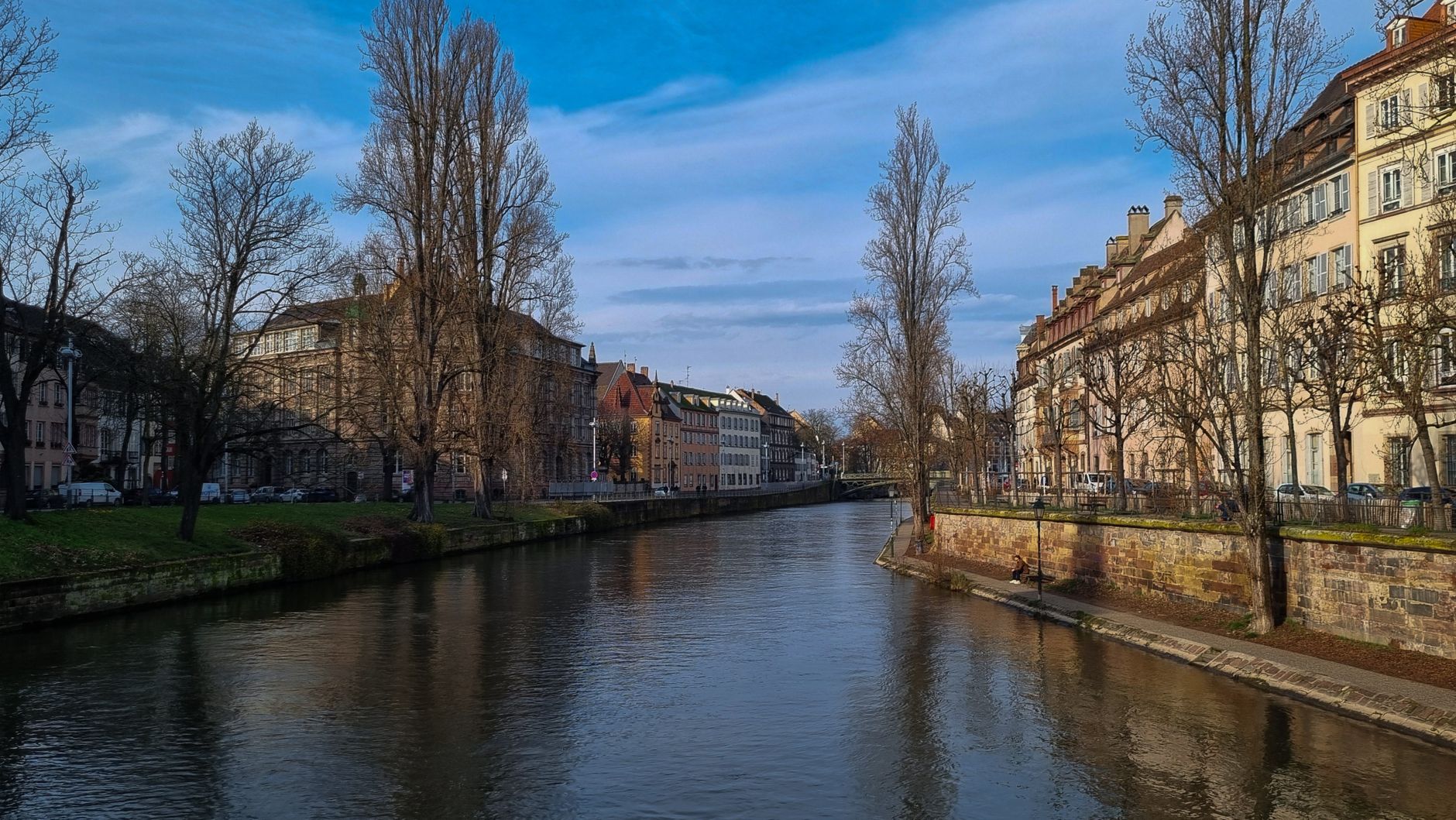
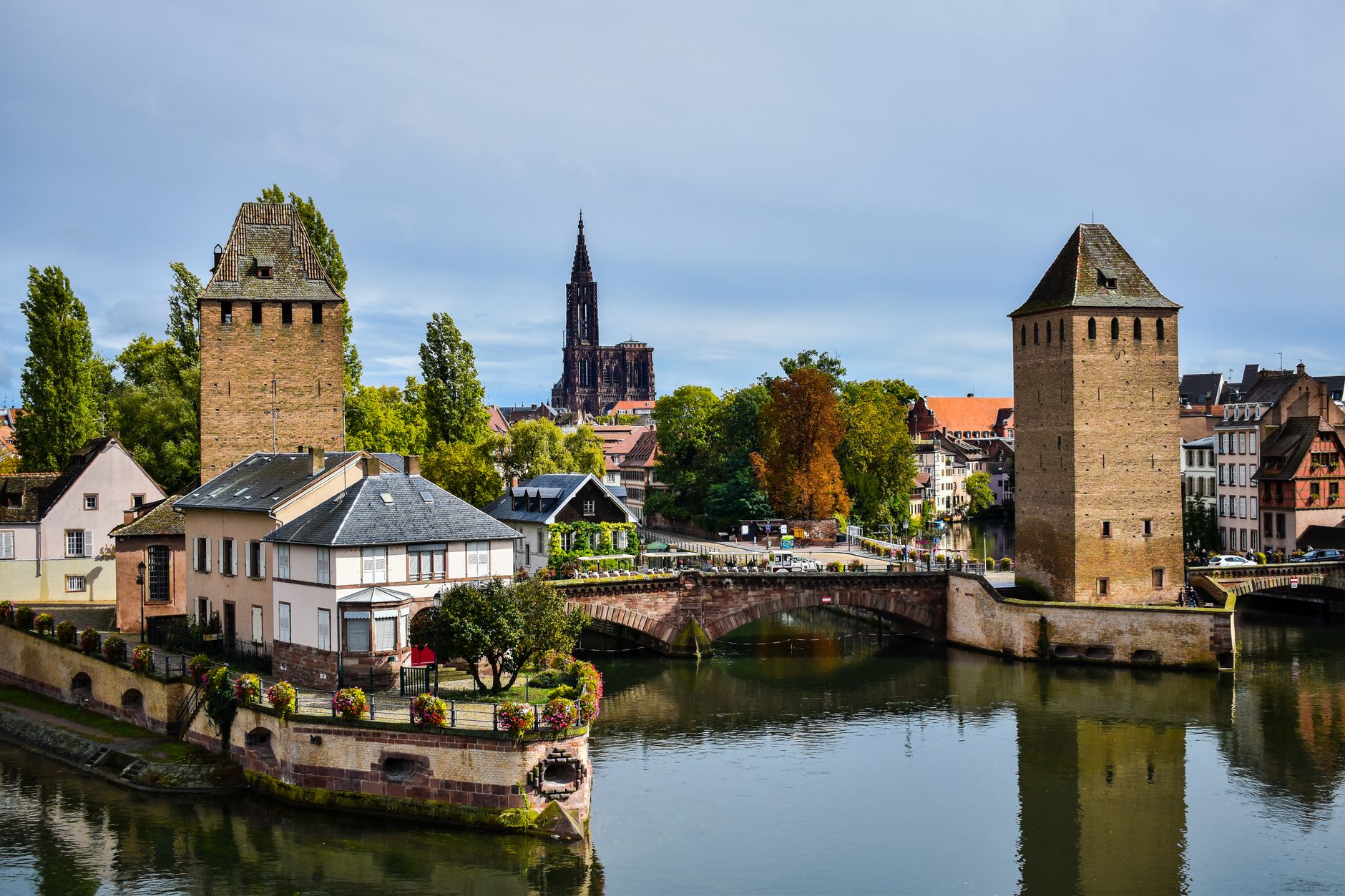
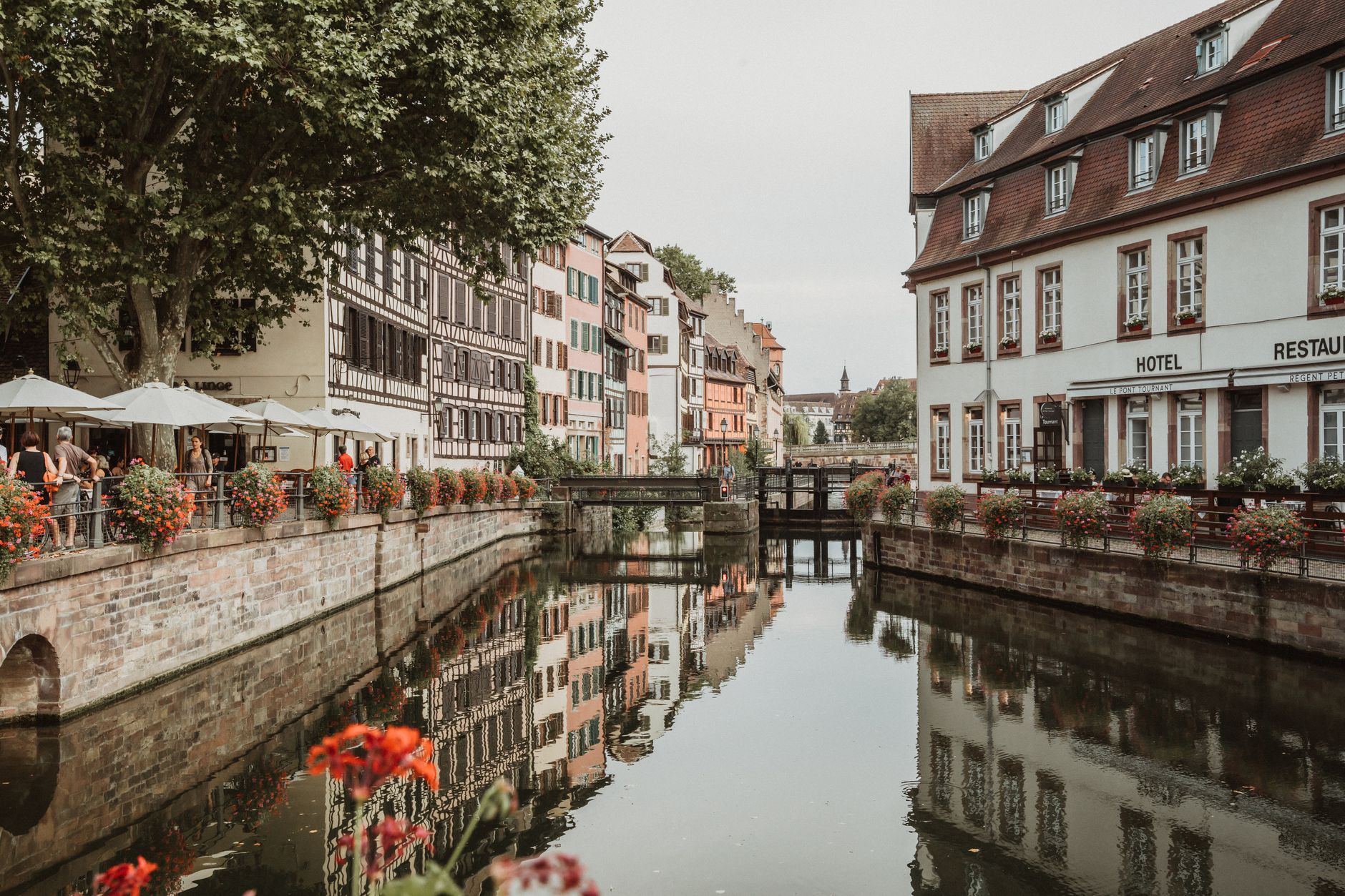
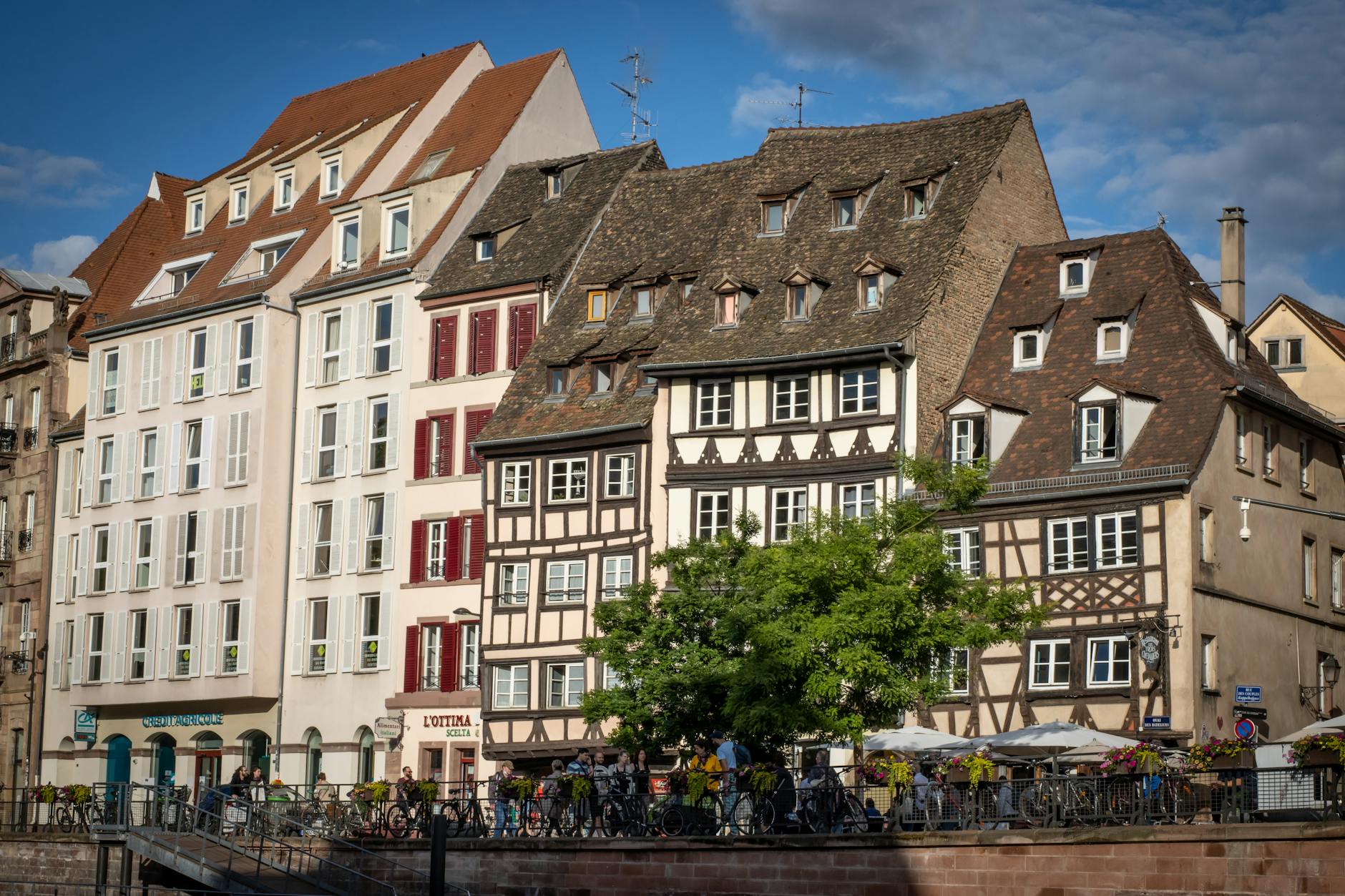
Pink Vosges sandstone glows amber as the morning fog lifts off the River Ill. Here on the Franco-German fault line, Strasbourg balances heavy Germanic comfort against French bureaucratic polish. Narrow medieval alleys wind through the Grande Île toward the soaring single spire of the Cathédrale Notre-Dame, where centuries of stonemasons left their marks. You walk across timbered bridges into warm winstubs smelling faintly of cider vinegar, pig fat, and cold dry Riesling poured into green-stemmed glasses.
Last updated 27 Aug 2026
Build a Strasbourg itinerary.
Choose up to 4 threads that pull you in. Your plan arrives organised around them.
The Bed
Where to stay in Strasbourg
Which part of town to book, and what each one costs you in walking, noise or quiet.
The Comparison
Strasbourg, or somewhere near it
The places you are realistically choosing between, and the honest case for each.
The Local Record
Where to read more about Strasbourg
The blogs, boards, guides and operators worth bookmarking.
What to do in Strasbourg Alsace France
Strasbourg circles its central river island, making navigation straightforward on foot or by bicycle. Days naturally balance serious cathedral-gazing and canal walks with long, restorative lunches over flammekueche and carafes of Sylvaner. It suits history lovers, architecture walkers, and anyone who appreciates generous cooking that ignores modern calorie counting. Evenings belong to the winstubs, where conversation bounces off low wooden ceilings.
24 hours in Strasbourg Alsace France
Start early at Cathédrale Notre-Dame before tour groups gather, climbing the platform for rooftop views. Cross the river to Petite France for a lunch of smoked pork and sauerkraut at a canal-side tavern. Spend the afternoon circling the Grande Île on foot, ending with a glass of crisp Pinot Gris along the Quai des Bateliers as the bridges light up. Select 1 Day above to see it.
2 days in Strasbourg Alsace France
Day two expands into Neustadt, the sprawling German Imperial quarter built after 1871, featuring wide avenues around Place de la République. Tour the art collections inside the Palais Rohan, then settle in for a leisurely dinner of baeckeoffe, a slow-baked three-meat casserole, at a traditional winstub tucked away on Rue du Bain-aux-Plantes. Choose 2 Days to expand the plan.
3 days in Strasbourg Alsace France
A third day lets you slow down. Ride the tram to the European Parliament, or board a regional train south to the wine villages of Obernai and Barr along the Vosges foothills. Spend the afternoon tasting Riesling at independent family cellars, returning to town for a quiet plate of Munster cheese and cumin with fresh crusty bread.
Strasbourg Alsace France itineraries by interest
Wine & Vineyards in Strasbourg Alsace France
Sip dry Riesling, Gewurztraminer, and mineral-driven Pinot Blanc poured from traditional green-stemmed glasses in historic vaulted cellars.
Sacred Architecture in Strasbourg Alsace France
Climb the 332 steps of the Gothic Cathédrale Notre-Dame for Vosges views, and watch the 1842 astronomical clock run at 12:30 daily.
Historic Quarters in Strasbourg Alsace France
Walk the 16th-century half-timbered tanners' lanes and weeping-willow canal paths around the locks of Petite France.
Tavern Dining in Strasbourg Alsace France
Order choucroute garnie, crispy flammekueche, and knuckle of pork at wood-panelled neighbourhood winstubs along Rue du Maroquin.
Covered Bridges & Forts in Strasbourg Alsace France
Inspect Vauban's 17th-century river barrage and cross the Ponts Couverts to see the three medieval defensive watchtowers.
Food Markets in Strasbourg Alsace France
Browse raw-milk Munster cheese, smoked pork sausages, and fresh kugelhopf bread at the Saturday morning stalls on Boulevard de la Marne.
Fine Arts in Strasbourg Alsace France
Study Italian masters, Hans Baldung Grien, and decorative arts inside the 18th-century Palais Rohan flanking the cathedral square.
Waterway Routes in Strasbourg Alsace France
Board an electric boat or rent a kayak at Quai des Bateliers to loop the River Ill and pass the European Parliament quarter.
Baking Traditions in Strasbourg Alsace France
Pick up spiced pain d'épices, buttery bretzels, and flaky tarte aux quetsches from family bakeries along Rue des Orfèvres.
Civic History in Strasbourg Alsace France
Trace centuries of contested border identity and craft guild history through the displays at the Musée Historique de Strasbourg.
Modern Institutions in Strasbourg Alsace France
Take tram line E north to tour the modern glass-and-steel hemicycle of the European Parliament beside the Ill and Rhine canal.
Day Trips in Strasbourg Alsace France
Catch a 30-minute regional train south to Obernai or Colmar to walk fortified medieval wine villages along the Route des Vins.