Aswan.
_Views_in_Egypt_and_Nubia_(serietitel_op_object),_RP-F-F12894.jpg)


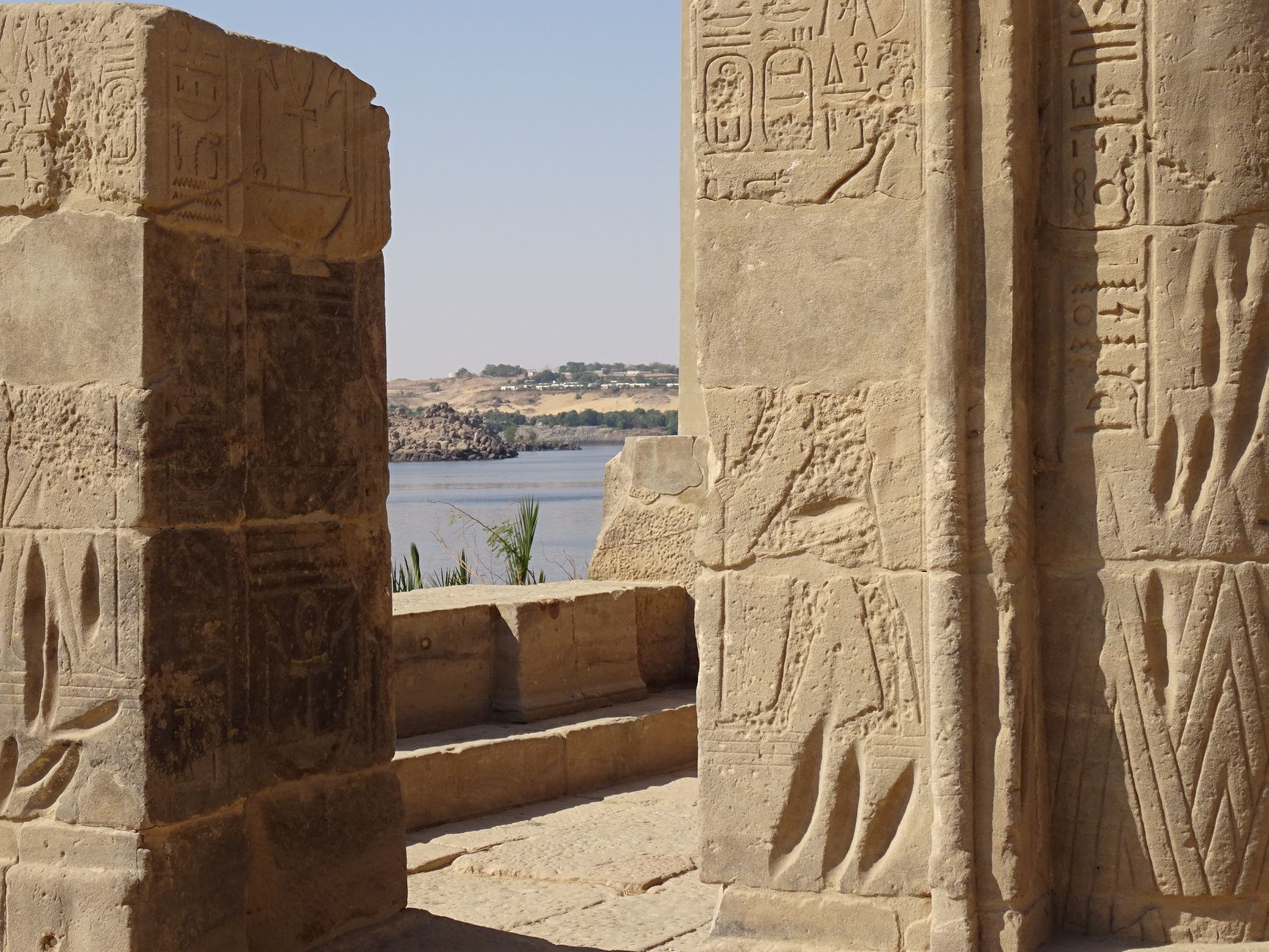


Giant black granite boulders choke the Nile here, fracturing the current into calm turquoise channels where wooden feluccas drift without engines. The light at four in the afternoon turns the desert cliffs copper. Life moves to the thrum of small ferry engines and tea glasses clinking on Elephantine Island. You come for Philae's saved Ptolemaic stones and the quiet rhythm of the Nubian south, which feels worlds away from the frantic northern traffic of Cairo.
Last updated 2 Sept 2026
Build a Aswan itinerary.
Choose up to 4 threads that pull you in. Your plan arrives organised around them.
The Bed
Where to stay in Aswan
Which part of town to book, and what each one costs you in walking, noise or quiet.
The Comparison
Aswan, or somewhere near it
The places you are realistically choosing between, and the honest case for each.
The Local Record
Where to read more about Aswan
The blogs, boards, guides and operators worth bookmarking.
What to do in Aswan Upper Egypt Egypt
Aswan sits along the First Cataract where Upper Egypt slows down. The town hugs the east bank of the Nile, with Nubian villages scattered across islands and the west bank. Days revolve around boat crossings, temple mornings, and unhurried afternoons with hibiscus tea. It suits independent travellers who prefer walkable alleys, open river horizons, and historic weight without the aggressive commercial hustle found further north.
24 hours in Aswan Upper Egypt Egypt
Start by taking an 8:00 AM boat to Philae Temple before the heat builds. Cross back to the Corniche for a lunch of grilled tilapia and tahina, then ride the five-piastre public ferry to Elephantine Island for an afternoon stroll. Finish with a two-hour sunset felucca charter along the cataract. Select 1 Day above to see it.
2 days in Aswan Upper Egypt Egypt
A second day lets you cross the river to the West Bank to climb up to the rock tombs of Qubbet el-Hawa for views over the sand dunes. Spend the afternoon exploring the Nubian Museum, then head to Gharb Soheil for a dinner of slow-cooked tagines and spiced lentil soup in a quiet courtyard. Choose 2 Days to expand the plan.
3 days in Aswan Upper Egypt Egypt
With three days, make the pre-dawn drive south across the desert to Abu Simbel, returning by early afternoon. Spend your final hours wandering the fragrant spice stalls of Sharia as-Souq, stocking up on dried mint, and taking a quiet drink on the terrace overlooking the granite rapids.
Aswan Upper Egypt Egypt itineraries by interest
River Sailing in Aswan Upper Egypt Egypt
Hire a felucca skipper at the Corniche before sunset to tack across the First Cataract around Elephantine Island without engine noise.
Ancient Temples in Aswan Upper Egypt Egypt
Take the motorboat to Agilkia Island early to see the Temple of Isis at Philae before tour boat groups arrive from the river cruises.
Markets & Spices in Aswan Upper Egypt Egypt
Walk Sharia as-Souq in the evening for karkadeh hibiscus flowers, cumin, dried mint, and hand-woven Nubian palm baskets at fair prices.
Local Cuisine in Aswan Upper Egypt Egypt
Eat fried Nile perch, tagine with okra, and freshly baked eish shamsi flatbread at simple open-air spots near the West Bank ferry landing.
Island Walks in Aswan Upper Egypt Egypt
Wander the unpaved mud-brick alleys of Elephantine Island between Siou and Koti, passing quiet date palm groves and ancient Nilometers.
Archaeological Sites in Aswan Upper Egypt Egypt
Visit the Northern Quarries to examine the 42-metre Unfinished Obelisk, still anchored in bedrock where workers abandoned it in 1500 BC.
Desert Excursions in Aswan Upper Egypt Egypt
Cross to the West Bank to climb the sands to the 7th-century Monastery of St Simeon and the rock-cut Tombs of the Nobles at Qubbet el-Hawa.
Traditional Architecture in Aswan Upper Egypt Egypt
Explore the painted barrel-vaulted mud-brick homes in Gharb Soheil, learning traditional Nubian thermal building techniques along the river.
Regional History in Aswan Upper Egypt Egypt
Spend two quiet afternoon hours at the Nubian Museum studying salvaged salvage artefacts from Lake Nasser in perfectly air-conditioned halls.
Day Trips in Aswan Upper Egypt Egypt
Book a dawn desert convoy south along the Sahara road to see Ramses II's massive rock-cut temples relocated at Abu Simbel.
Botanical Gardens in Aswan Upper Egypt Egypt
Board a public boat to Kitchener's Island to walk shaded paths among rare tropical palms planted during the British colonial administration.
Sunset Views in Aswan Upper Egypt Egypt
Order karkadeh on the terrace at the Old Cataract Hotel to watch late-afternoon felucca sails silhouetted against the dark granite rocks.