Cairo.
.jpg)
.png)

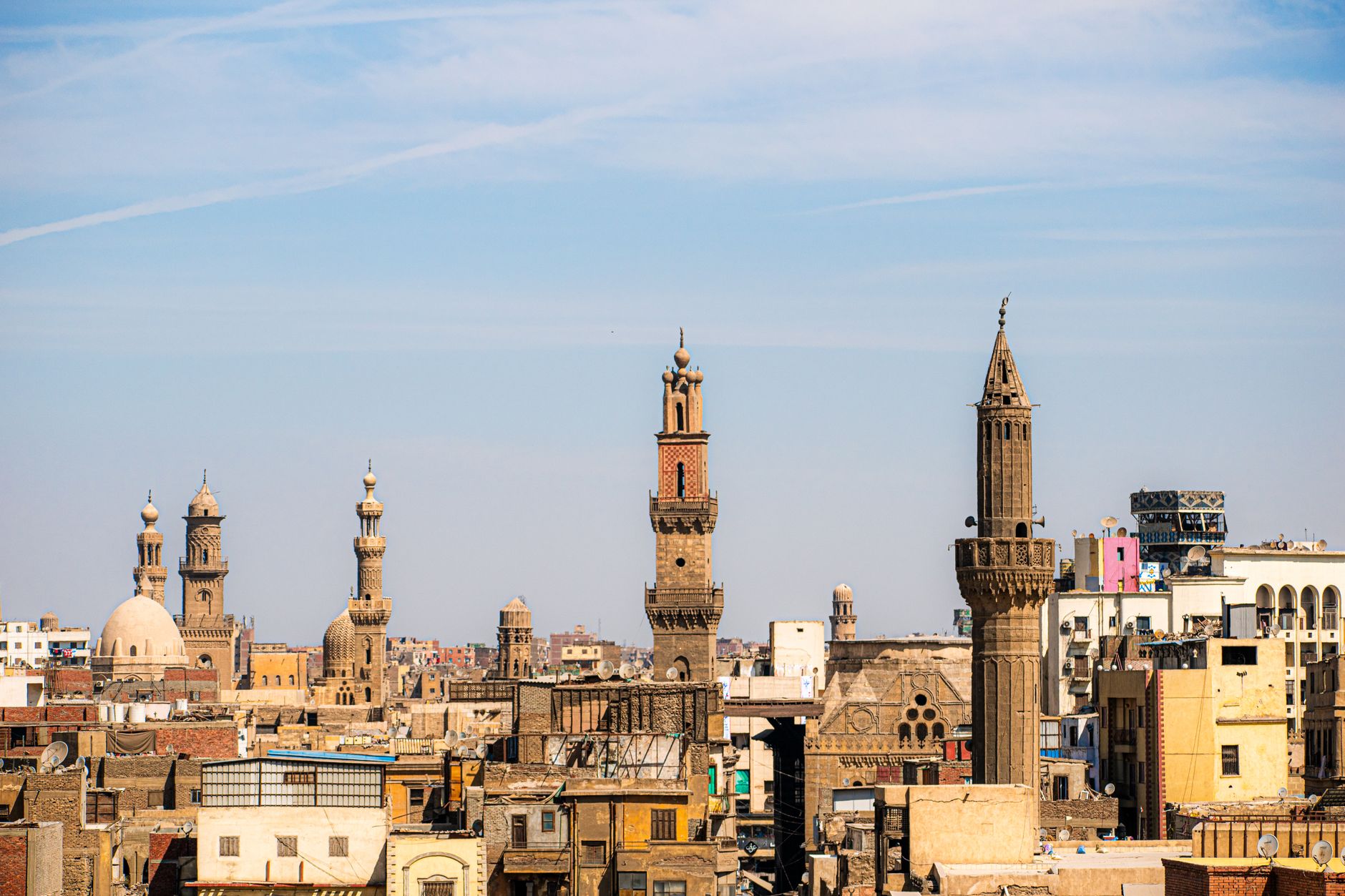


Horns blare in five-part harmony across the Nile while bakers slide flatbread into clay ovens beneath fourteenth-century Mamluk walls. The city runs on diesel, sweetened black tea, and collective momentum. Crossing Talaat Harb Street requires nerve; find an elder and match their pace. Between the bustle of Downtown and the quiet limestone arches of Islamic Cairo, history sits openly on every corner. Cairo is worth visiting if you want to navigate dense medieval street grids, eat spiced koshary shoulder-to-shoulder with locals, and stand before monumental stone antiquities. Look elsewhere if you need clean air, quiet pedestrian streets, abundant green parks, or an orderly, low-stress city break.
Last updated 3 Sept 2026
Build a Cairo itinerary.
Choose up to 4 threads that pull you in. Your plan arrives organised around them.
We'll craft a 1-lens plan for Cairo, one collapsible strand per lens.
Craft Traditions
Watch artisans inlay mother-of-pearl wooden boxes and weave intricate carpets in the workshops around Tentmakers Market near Bab Zuweila.
Craft Traditions
Watch artisans inlay mother-of-pearl wooden boxes and weave intricate carpets in the workshops around Tentmakers Market near Bab Zuweila.
Reading Khayamiya Appliqué Stitching
Street of the Tentmakers (Suq al-Khayamiya)
Walk south through Bab Zuweila into the covered hall where artisans cut and hand-sew canvas panels. No admission fee; budget fifty Egyptian pounds for mint tea and an hour of browsing.
Editor TipDating from the Mamluk era, this street remains Cairo's last covered textile guild hall, where stitchers still draft geometric Islamic patterns by hand with scissors and heavy cotton thread. Look closely at the underside of the stitches; tighter seams mean the panel was stitched entirely by hand, not on a machine.
Studying Mamluk Inlaid Metalwork
Museum of Islamic Art Cairo
Book entry tickets at the Bab al-Khalq entrance for three hundred Egyptian pounds. Spend ninety minutes moving through the wood inlay, brass astrolabes, and Mamluk enameled glass halls.
Editor TipFounded in 1881, the museum holds the world's most exhaustive collection of Islamic decorative arts, documenting centuries of wood joinery, brass chasing, and lusterware from across the region. Head straight to Room 6 for the 14th-century carved wooden mashrabiya screens before school tours arrive around noon.
Hand-Stitched Appliqué Textiles
Street of the Tentmakers
Wander the covered Mamluk arcade just south of Bab Zuweila. Watch master cutters splice geometric canvas patterns. Expect to pay in cash if you purchase a wall hanging; budget 90 minutes.
Editor TipOperating continuously since the seventeenth century, this street is the last covered market in Cairo dedicated entirely to khayamiya, the Ottoman and Mamluk craft of hand-sewn decorative textile panels. Climb the adjacent Bab Zuweila minaret beforehand for the skyline view, then take the shade here at your own pace.
Clay-Pot Molokhia and Pigeon
Abou El Sid
Book two days ahead for an evening table. Order the hamam mahshi stuffed with seasoned cracked green wheat and the garlic-tempered molokhia poured tableside. Allow two relaxed hours.
Editor TipEgyptian home cooking relies on clay cookware and precise spice tempering, a culinary craft preserved across generations alongside Cairo's brass lamps and hand-carved mashrabiya screens. The garlic-and-coriander ta'leya sizzle is the heart of the dish; ask your server to pour it right before you eat.
Kick-Wheel Terracotta Pottery Throwing
Fustat Pottery Village
Take a twenty-minute taxi south to Old Cairo. Entry is free to wander between open courtyards where potters shape raw Nile silt into unglazed water jugs and decorative tiles.
Editor TipFustat has fired clay since the seventh century, relying on traditional alluvial silt techniques to make porous 'qulla' jugs that naturally chill drinking water through evaporation. Arrive before midday heat sets in and ask workshop artisans politely if you may watch the kiln loading.
Stitching Intricate Khayamiya Canvas
Souq al-Khayamiya
Walk south of Bab Zuweila into the covered arcade. Spend an hour watching master seamsters stitch geometric cotton panels by hand, and buy directly from makers without haggling theatrics.
Editor TipOperating since the Mamluk Sultanate, this vaulted street remains Cairo's last stronghold for khayamiya, the intricate appliqué craft once used to decorate nomadic desert pavilions. Bring cash in small Egyptian pound notes; master artisans here rarely take cards, and change is scarce.
Whirling Tanoura Heritage Performance
Wekalet El Ghouri Arts Center
Arrive by 6:30 PM to queue for unreserved stone courtyard seats before the 7:30 PM show. Entry costs around 150 Egyptian pounds cash at the door on show nights.
Editor TipStaged inside a fourteenth-century Mamluk caravanserai, the Tanoura troupe spins weighted, multi-layered skirts in a rhythmic folk tradition rooted in Sufi spiritual geometry. Sit three rows back from the floor; the spinning skirts expand wider than you expect when dancers accelerate.
Natural Dye Wool Weaving
Ramses Wissa Wassef Art Centre
Admission is paid at the wooden gate. Spend an hour wandering the domed mudbrick studios, watching weavers work spontaneously at vertical looms without cartoons or sketches.
Editor TipArchitect Ramses Wissa Wassef founded the complex in 1952 to prove creative freedom thrives without formal schooling, using local sheep wool dyed with madder root and weld grown on site. The small gallery sells original signed pieces; bring cash in local currency, as the card machine often drops signal.
Fayoum Ceramic Throwing
Tunis Village Pottery School
Walk right into the open courtyard behind the main gate. You can watch apprentices shape Lake Qarun clay on kick wheels, then browse the sun-drying shelves for slip-painted bowls.
Editor TipSwiss ceramicist Evelyn Porret arrived in the late 1970s and launched this rural workshop, training local farmers' children and transforming this desert oasis edge into a renowned potting settlement. Pace yourself along the unpaved mud lanes; the potters are welcoming, but do ask before photographing wet pieces on the wheel.
Spit-Roasted Chicken and Bread
Andrea El Maryouteya
No reservation needed before 20:00. Order the charcoal-grilled whole chicken, tahina, and hot puffed baladi bread brought straight from the clay dome ovens. Around 350 EGP per person.
Editor TipBaking eish baladi in wood-fired earthen ovens remains an unchanged daily rhythm across rural Giza, sustaining farm hands and families since dynastic antiquity. Sit outside near the ovens to watch the bakers paddle the dough; the heat is real, but so is the crisp crust.
Note from the Editor
“Cairo runs on its own clock, but the master artisans work best before midday heat softens the street. Buy your site passes at official ticket kiosks to bypass self-appointed guides without fuss.”
The Bed
Where to stay in Cairo
Which part of town to book, and what each one costs you in walking, noise or quiet.
The Comparison
Cairo, or somewhere near it
The places you are realistically choosing between, and the honest case for each.
The Local Record
Where to read more about Cairo
The blogs, boards, guides and operators worth bookmarking.
What to do in Cairo Lower Egypt Egypt
Cairo revolves around its monumental past and an intense street life that peaks well after midnight. Days unfold between quiet morning visits to stone mosques, afternoons browsing spice stalls and galleries in Zamalek, and evenings over shared grilled meats in Downtown. It suits active travellers comfortable with urban density, noise, and navigating large historical districts on foot.
24 hours in Cairo Lower Egypt Egypt
Start at 08:00 at the Giza plateau before the midday glare sets in. Take a taxi into central Cairo for lunch at Koshary Abou Tarek, then spend the afternoon walking the stone spine of Al-Mu'izz Street. Finish with mint tea at El Fishawy and sunset over the skyline from the Cairo Citadel. Select 1 Day above to see it.
2 days in Cairo Lower Egypt Egypt
Day two takes you through Old Cairo to see the Hanging Church and the ninth-century Mosque of Ibn Tulun. Cross the river to tree-lined Zamalek for an afternoon of gallery browsing, followed by charred kofta and spiced lamb chops at an outdoor table near Talaat Harb. Choose 2 Days to expand the plan.
3 days in Cairo Lower Egypt Egypt
A third day allows a morning excursion south to the necropolis at Saqqara to see the Step Pyramid and Dahshur's Bent Pyramid without rushing. Return to the city for the National Museum of Egyptian Civilization in Fustat and an evening felucca sail along the Nile.
Cairo Lower Egypt Egypt itineraries by interest
Street Food in Cairo Lower Egypt Egypt
Order layered bowls of lentils, rice, chickpeas, and fried onions doused in garlic vinegar and fiery tomato salsa at Koshary Abou Tarek.
Sacred Architecture in Cairo Lower Egypt Egypt
Climb the minarets of Bab Zuweila and walk the quiet courtyards of the ninth-century Mosque of Ibn Tulun and Sultan Hassan's madrassa.
Historic Quarters in Cairo Lower Egypt Egypt
Wander the cobblestones of Al-Mu'izz Street past Mamluk facades, then explore the Roman-era Babylon Fortress and ancient churches in Coptic Cairo.
Markets & Bazaars in Cairo Lower Egypt Egypt
Navigate Khan el-Khalili for brass lanterns, hand-beaten copper, cumin sacks, and strong cardamom coffee at El Fishawy cafe, open since 1797.
Ancient Monuments in Cairo Lower Egypt Egypt
Stand before the Fourth Dynasty pyramids and Sphinx at Giza, best reached early in the morning before the desert sun and tour coaches peak.
Museums & Antiquities in Cairo Lower Egypt Egypt
Inspect royal mummies at the NMEC in Fustat and study tutankhamun treasures alongside towering statues at the Grand Egyptian Museum in Giza.
Coffee Culture in Cairo Lower Egypt Egypt
Sit on low wooden stools in Downtown ahwas like Cafe Riche for mint tea, Turkish coffee brewed over sand, and games of backgammon.
Riverside Life in Cairo Lower Egypt Egypt
Board a wooden felucca at sunset from the Dokki or Garden City docks, drifting past Zamalek under late-afternoon Nile breezes.
Urban Walking in Cairo Lower Egypt Egypt
Stroll Downtown's Belle Époque avenues, Midan Tahrir, and leafy residential streets across the island of Zamalek with its quiet art galleries.
Day Trips in Cairo Lower Egypt Egypt
Head thirty kilometres south to Saqqara for the Step Pyramid of Djoser and the quiet, painted Fifth Dynasty tombs of the nobles.
Local Dining in Cairo Lower Egypt Egypt
Feast on slow-cooked ful medames, crispy taameya made from fava beans, and pigeon stuffed with spiced freekeh in neighbourhood dining halls.
Craft Traditions in Cairo Lower Egypt Egypt
Watch artisans inlay mother-of-pearl wooden boxes and weave intricate carpets in the workshops around Tentmakers Market near Bab Zuweila.