


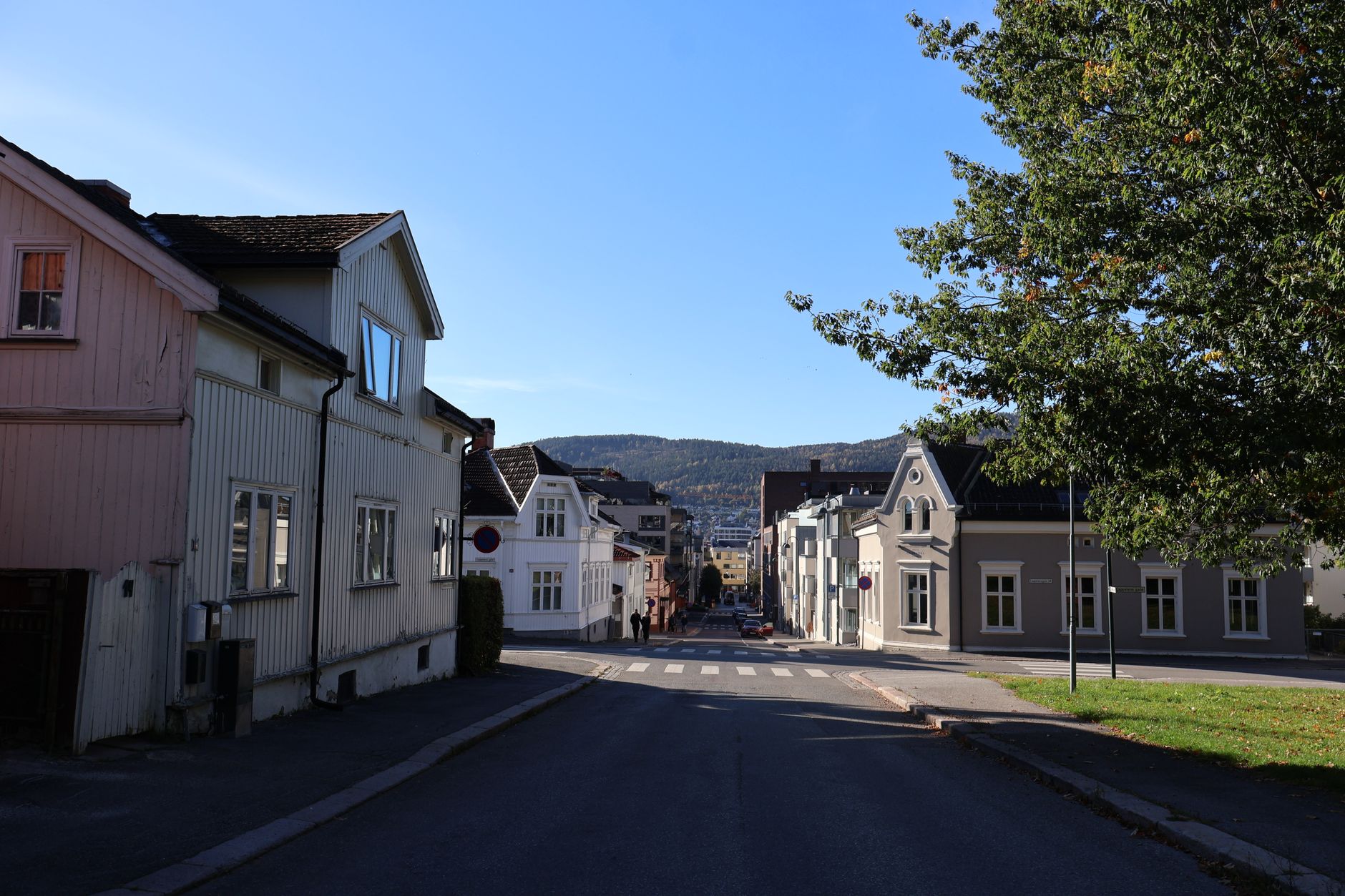
Aurlandsvangen sits on the Aurlandsfjord, roughly three hours northeast of Bergen by train and bus via Flåm. It is known for its nineteenth-century stone church, traditional brown goat cheese production, and the historic workshop crafting the original penny loafer. Aurlandsvangen is worth visiting if you want fjord hiking trails, local dairy farms, and genuine village calm without cruise crowds. Look elsewhere if you want late-night bars, broad sandy beaches, or indoor museum complexes for rainy days.
Last updated 29 Oct 2026
Build a Aurlandsvangen itinerary.
Choose up to 4 threads that pull you in. Your plan arrives organised around them.
The Bed
Where to stay in Aurlandsvangen
Which part of town to book, and what each one costs you in walking, noise or quiet.
The Comparison
Aurlandsvangen, or somewhere near it
The places you are realistically choosing between, and the honest case for each.
The Local Record
Where to read more about Aurlandsvangen
The blogs, boards, guides and operators worth bookmarking.
What to do in Aurlandsvangen Vestland Norway
Aurlandsvangen curves along the edge of the Aurlandsfjord, centered around a compact waterfront, a thirteenth-century stone church, and a working shoe factory. Daily life moves at an unhurried tempo dictated by the weather, morning coffee runs for warm buns, and the ferry schedule. It suits walkers, independent drivers, and travellers seeking genuine village quiet and proper local produce without the commercial bus tours found down the road.
24 hours in Aurlandsvangen Vestland Norway
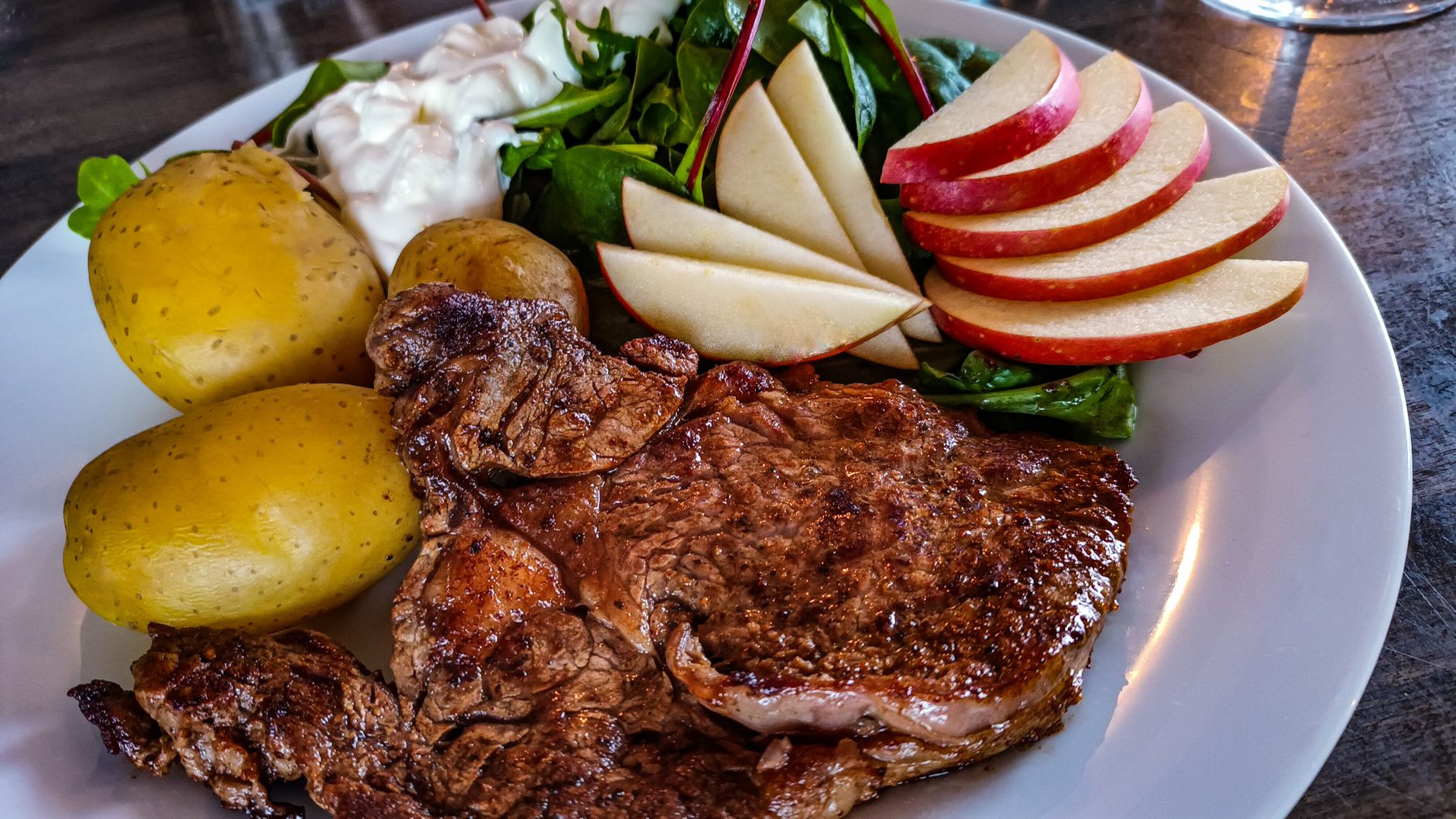
Start with cardamom buns at Marianne Bakeri, then tour the Aurland shoe workshop before walking ten minutes south to Vangen Church. By afternoon, drive fifteen minutes up to Stegastein for wide fjord views. End with local cured mutton and cider at a village inn as the fjord turns violet. Select 1 Day above to see it.
2 days in Aurlandsvangen Vestland Norway
A second day takes you into the Aurlandsdalen valley, walking the lower trail section from Vassbygdi along tumbling river rapids and old farmsteads. Spend the late afternoon in nearby Undredal sampling sharp white goat cheese and brown brunost right by the small wooden boat dock. Choose 2 Days to expand the plan.
3 days in Aurlandsvangen Vestland Norway
With three days, cross the Aurlandsfjellet mountain road over desolate snowfields to Lærdalsøyri, exploring its preserved eighteenth-century wooden houses. Return via the twenty-four-kilometer Lærdal Tunnel in time for a quiet evening kayak along the village shoreline.
Aurlandsvangen Vestland Norway itineraries by interest
Local Cheese in Aurlandsvangen Vestland Norway
Sample traditional brunost brown goat cheese and white Geitost produced in Undredal, served sliced thin over sourdough or freshly baked lefse.
Craft Traditions in Aurlandsvangen Vestland Norway
Visit Aurland Skofabrikk to watch cobblers stitch the original Aurland shoe, Norway's classic penny loafer produced continuously here since the 1930s.
Fjord Walking in Aurlandsvangen Vestland Norway
Follow the shoreline paths along Aurlandsfjord toward Otternes bygdetun, passing stone boathouses and apple orchards on low-gradient gravel tracks.
Hiking Trails in Aurlandsvangen Vestland Norway
Tackle the classic Aurlandsdalen trail from Østerbø down to Vassbygdi, traversing suspension bridges, sheer rock walls, and historic mountain farms.
Sacred Architecture in Aurlandsvangen Vestland Norway
Examine Vangen Church, a stone parish built in 1202 featuring preserved early Gothic arches, whitewashed masonry, and seventeenth-century wood carvings.
Scenic Drives in Aurlandsvangen Vestland Norway
Drive the steep serpentine route up the Snow Road over the Aurlandsfjellet plateau, stopping at the timber and steel Stegastein viewpoint.
Traditional Baking in Aurlandsvangen Vestland Norway
Pick up freshly baked cardamom buns, seeded rugbrød, and sweet skillingsboller from Marianne Bakeri & Kafé on the main village street.
Rural Heritage in Aurlandsvangen Vestland Norway
Explore Otternes Bygdetun, a hillside cluster of twenty-seven preserved seventeenth-century log farm buildings overlooking the fjord waters.
Cider & Orchards in Aurlandsvangen Vestland Norway
Taste dry hard cider and cloudberry preserves pressed from cold-climate apples along the Sognefjord, poured alongside cured fenalår mutton.
Water Activities in Aurlandsvangen Vestland Norway
Paddle sea kayaks from the village pier onto the glassy waters of the Aurlandsfjord, passing beneath vertical rock faces and isolated homesteads.
Day Trips in Aurlandsvangen Vestland Norway
Take the short ferry across to the preserved stave church at Undredal or board the Flåm Railway inland to the roaring falls at Kjosfossen.
River Fishing in Aurlandsvangen Vestland Norway
Cast for sea trout and Atlantic salmon in the clear pools of the Aurlandselva river, a protected watercourse with designated local beat permits.