
.jpg)


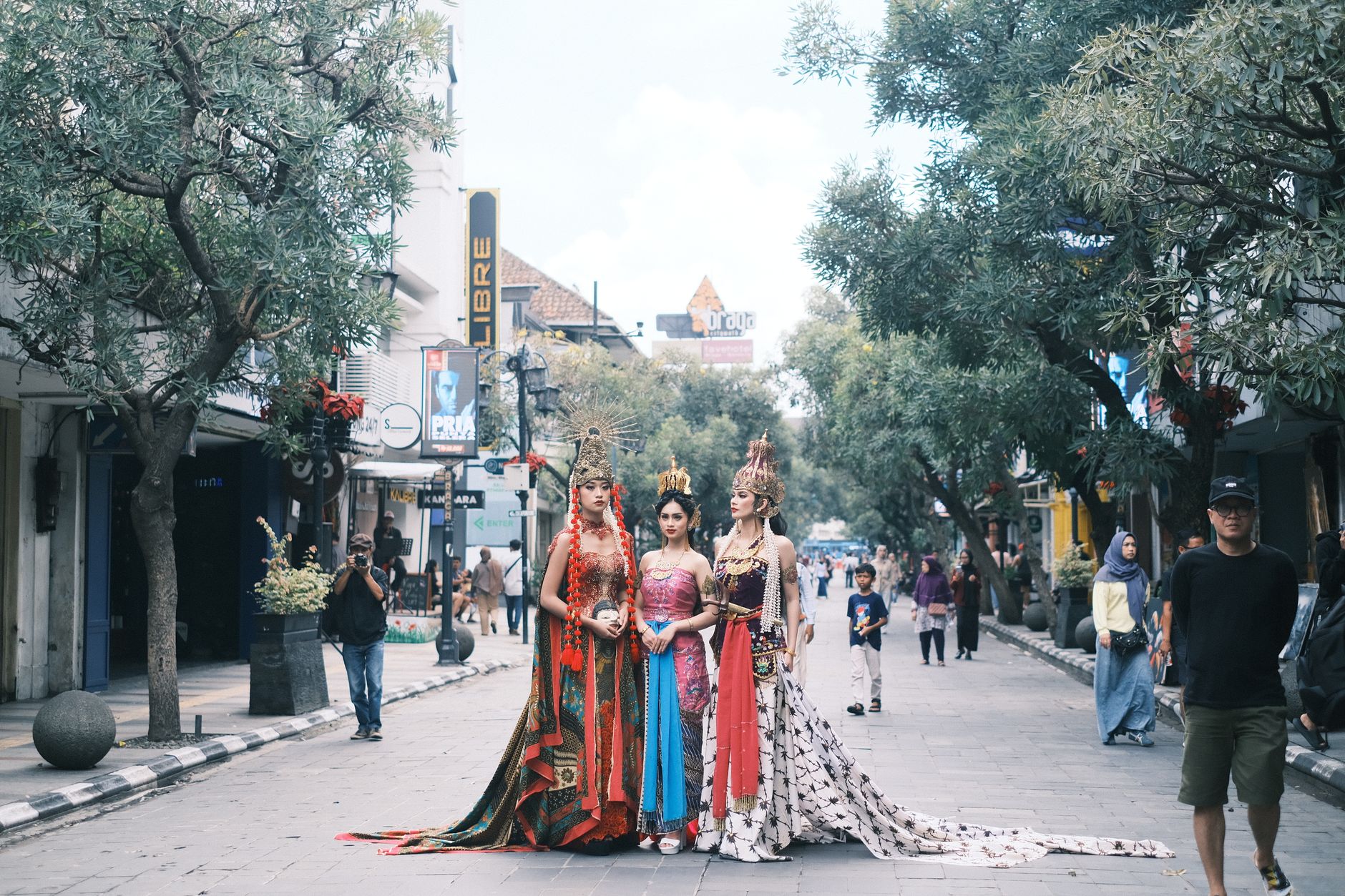
Set in the highlands 140 kilometres southeast of Jakarta, Bandung is reached in 45 minutes via the Whoosh high-speed train. The city is known for Dutch Art Deco architecture, highland coffee, and Sundanese cooking heavy on raw herbs and fiery sambal. Bandung is worth visiting if you want to eat fragrant grilled carp and nasi timbel between architectural walks in cooler mountain air. Look elsewhere if you want walkable sidewalks, easy pedestrian crossings, or quiet roads on weekends.
Last updated 24 Sept 2026
Build a Bandung itinerary.
Choose up to 4 threads that pull you in. Your plan arrives organised around them.
The Bed
Where to stay in Bandung
Which part of town to book, and what each one costs you in walking, noise or quiet.
The Comparison
Bandung, or somewhere near it
The places you are realistically choosing between, and the honest case for each.
The Local Record
Where to read more about Bandung
The blogs, boards, guides and operators worth bookmarking.
What to do in Bandung Java Indonesia
Bandung sprawls across an elevated mountain basin, trading lowland humidity for cool evening breezes. Days revolve around architectural strolls through 1920s avenues, long lunches at traditional Sundanese timber pavilions, and late-afternoon cafe stops for West Java single-origin coffees. It suits travellers who appreciate mid-century design, regional food eaten with your hands, and easy excursions into crater landscapes.
24 hours in Bandung Java Indonesia
Start early along Jalan Braga for morning coffee and Art Deco facades before the traffic clogs. Head to Pasar Cihapit for hot surabi pancakes, then take a car south for a banana-leaf lunch of nasi timbel at Warung Nasi Ampera. Finish with an evening stroll around Gedung Sate. Select 1 Day above to see it.
2 days in Bandung Java Indonesia
Head north to the hills of Lembang on your second day. Walk through the pine ridges of Taman Hutan Raya, explore the steaming vents at Tangkuban Perahu crater, and settle in for roasted sweet corn and hot bandrek ginger drinks as the mountain fog rolls across the valley. Choose 2 Days to expand the plan.
3 days in Bandung Java Indonesia
A third day lets you drive south to Ciwidey without rushing the winding mountain roads. Walk the pale limestone shores of Kawah Putih crater lake, tour the colonial-era tea fields of Rancabali, and eat grilled river fish at a lakeside bamboo hut in the cool highland air.
Bandung Java Indonesia itineraries by interest
Street Food in Bandung Java Indonesia
Track down batagor fried fish dumplings with peanut sauce on Jalan Burangrang, hot cuanki broth bowls, and crisp martabak folded with chocolate and cheese.
Regional Cuisine in Bandung Java Indonesia
Order nasi timbel wrapped in banana leaf, fresh lalapan herbs, fried gourami, and raw sambal dadak at open-air Sundanese pavilions across the city.
Modernist Architecture in Bandung Java Indonesia
Walk Jalan Braga and Jalan Asia Afrika to study 1920s Nieuwe Bouwen and tropical Art Deco facades like Gedung Merdeka and the 1928 Villa Isola.
Coffee & Cafes in Bandung Java Indonesia
Drink pour-overs of washed Java Preanger Arabica at heritage roasteries like Aroma on Jalan Banceuy, roasting robusta and arabica since the 1930s.
Volcanic Landscapes in Bandung Java Indonesia
Stand on the edge of the steaming sulfuric crater at Tangkuban Perahu or walk the milky turquoise acid lake of Kawah Putih in Ciwidey.
Tea Plantations in Bandung Java Indonesia
Walk the terraced tea hills of Rancabali and Malabar, touring 19th-century Dutch processing mills and sipping freshly brewed black pekoe.
Textiles & Shopping in Bandung Java Indonesia
Browse cotton bolts at Pasar Baru Trade Center or sift through surplus denim and local independent streetwear labels along Jalan Trunojoyo.
Performing Arts in Bandung Java Indonesia
Attend the daily bamboo orchestra performances at Saung Angklung Udjo, where audiences learn to play handheld angklung tubes in unison.
Hot Springs in Bandung Java Indonesia
Soak in mineral-rich volcanic thermal pools fed by Mount Tangkuban Perahu at Sari Ater, surrounded by mountain forest outside Lembang.
Local Markets in Bandung Java Indonesia
Navigate morning stalls at Pasar Cihapit for traditional snacks like surabi pancakes baked over clay charcoal burners and fresh tape fermented cassava.
Forest Walks in Bandung Java Indonesia
Trek the pine forest trails and suspension bridges of Taman Hutan Raya Ir. H. Djuanda, linking Dutch and Japanese wartime tunnel networks.
Contemporary Art in Bandung Java Indonesia
Visit NuArt Sculpture Park in northern Bandung, displaying colossal brass and copper works by Nyoman Nuarta across a lush sculpture garden.