


Sitting on the northwest coast of Java, Jakarta is reached via Soekarno-Hatta International Airport, roughly an hour by rail into the city centre. Indonesia's sprawling capital is defined by its deep regional food traditions and seventeenth-century colonial port roots. Jakarta is worth visiting if you want to eat complex regional Indonesian dishes at street level and explore Dutch colonial heritage in Kota Tua. Look elsewhere if you need a calm, pedestrian-friendly city or quiet tropical beaches.
Last updated 24 Sept 2026
Build a Jakarta itinerary.
Choose up to 4 threads that pull you in. Your plan arrives organised around them.
The Bed
Where to stay in Jakarta
Which part of town to book, and what each one costs you in walking, noise or quiet.
The Comparison
Jakarta, or somewhere near it
The places you are realistically choosing between, and the honest case for each.
The Local Record
Where to read more about Jakarta
The blogs, boards, guides and operators worth bookmarking.
What to do in Jakarta Java Indonesia
Jakarta moves at the speed of its scooter traffic, rewarding travellers who plan their days by neighbourhood rather than tackling the entire sprawl. Mornings suit the historic port and national museums before midday heat settles in, while late afternoons belong to air-conditioned cafes and street food corridors like Jalan Sabang. It suits curious eaters and urban explorers.
24 hours in Jakarta Java Indonesia
Take the airport rail straight to Gambir. Start early at the National Museum, take a quick coffee in Menteng, and ride the MRT north to Kota Tua by noon. Spend the evening in Glodok eating dim sum and steaming bowls of laksa betawi along Petak Sembilan, ending with charcoal-grilled satay along Jalan Sabang. Select 1 Day above to see it.
2 days in Jakarta Java Indonesia
Day two pivots south. Browse modern art at Museum MACAN, followed by an afternoon exploring the leafy residential streets and independent boutiques of Senopati. For dinner, sit down for a full-spread Minangkabau Padang feast at Rumah Makan Surya in Benhil, pointing to whatever beef rendang and jackfruit curry looks best. Choose 2 Days to expand the plan.
3 days in Jakarta Java Indonesia
A third day allows a sea escape or cultural detour. Catch an 8:00 AM speedboat from Marina Ancol out to Pulau Macan for calm coral reefs, or take the commuter train forty minutes south to Bogor to walk the two-hundred-year-old botanical gardens and eat asinan bogor salad along Jalan Suryakencana.
Jakarta Java Indonesia itineraries by interest
Street Food in Jakarta Java Indonesia
Settle onto plastic stools for soto betawi, charcoal-grilled satay ayam on Jalan Sabang, and wok-charred nasi gila cooked late into the night.
Colonial Heritage in Jakarta Java Indonesia
Walk past seventeenth-century Dutch gables in Kota Tua, visiting the Jakarta History Museum in Fatahillah Square and wooden schooners at Sunda Kelapa.
Modern Art in Jakarta Java Indonesia
Spend a quiet morning inside Museum MACAN in Kebon Jeruk, viewing cutting-edge contemporary Indonesian installations and rotating global retrospectives.
Sacred Architecture in Jakarta Java Indonesia
Tour Istiqlal Mosque, the largest in Southeast Asia, then cross the street to see the neo-Gothic spires of Jakarta Cathedral built in 1901.
Coffee Culture in Jakarta Java Indonesia
Order traditional tubruk coffee at hundred-year-old Toko Tiga Kuda, or sample single-origin Toraja beans brewed meticulously in Senopati cafes.
Local Seafood in Jakarta Java Indonesia
Pick fresh red snapper, mud crabs, and clams at Muara Karang, handed directly to open-air kitchen stalls to be grilled over coconut husks with sambal.
Markets & Produce in Jakarta Java Indonesia
Navigate Pasar Baru for vintage textiles and spices, or wander the bustling produce and bird markets along the alleys of Glodok Chinatown.
Regional Cooking in Jakarta Java Indonesia
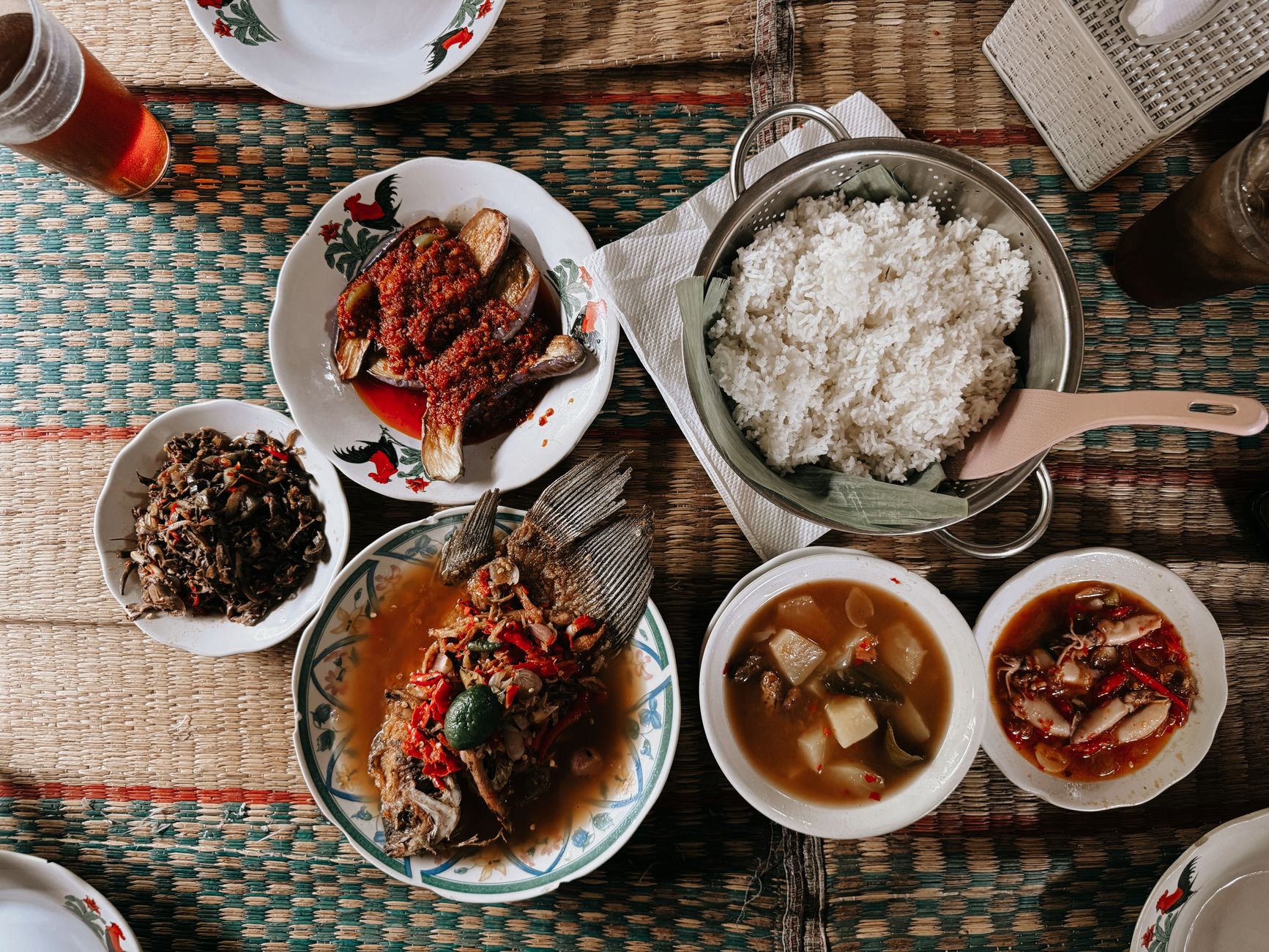
Taste fiery Padang rendang stacked high on banquet plates at Rumah Makan Surya, and Javanese rawon beef soup slow-simmered with black keluak nuts.
Textile Traditions in Jakarta Java Indonesia
Examine rare hand-drawn Javanese batiks and handwoven sumatran ikat cloths at the dedicated Museum Tekstil in Palmerah, set in an 1800s pavilion.
Green Spaces in Jakarta Java Indonesia
Walk the perimeter shaded lawns of Merdeka Square beneath the National Monument, or visit Taman Suropati under massive mahogany trees in Menteng.
Island Escapes in Jakarta Java Indonesia
Board a morning speedboat from Marina Ancol out to Pulau Macan in the Thousand Islands for clear Java Sea snorkeling and coral conservation.
Night Markets in Jakarta Java Indonesia
Wander the narrow lanes of Pecenongan after dark for steaming bowls of martabak manis and fragrant stir-fried noodles cooked over roaring burners.