

Bukittinggi sits 90 kilometres north of Padang's airport, reached in three hours by car through the Anai Valley. It is the highland home of the Minangkabau people, known for its cooler mountain climate, Sianok Canyon, and intricate wood-carved houses. Bukittinggi is worth visiting if you want to eat authentic rendang and spicy curries at the source and walk deep volcanic gorges. Look elsewhere if you want late-night bars, reliably flat pavements, or beachside lounging.
Last updated 25 Sept 2026
Build a Bukittinggi itinerary.
Choose up to 4 threads that pull you in. Your plan arrives organised around them.
The Bed
Where to stay in Bukittinggi
Which part of town to book, and what each one costs you in walking, noise or quiet.
The Comparison
Bukittinggi, or somewhere near it
The places you are realistically choosing between, and the honest case for each.
The Local Record
Where to read more about Bukittinggi
The blogs, boards, guides and operators worth bookmarking.
What to do in Bukittinggi Sumatra Indonesia
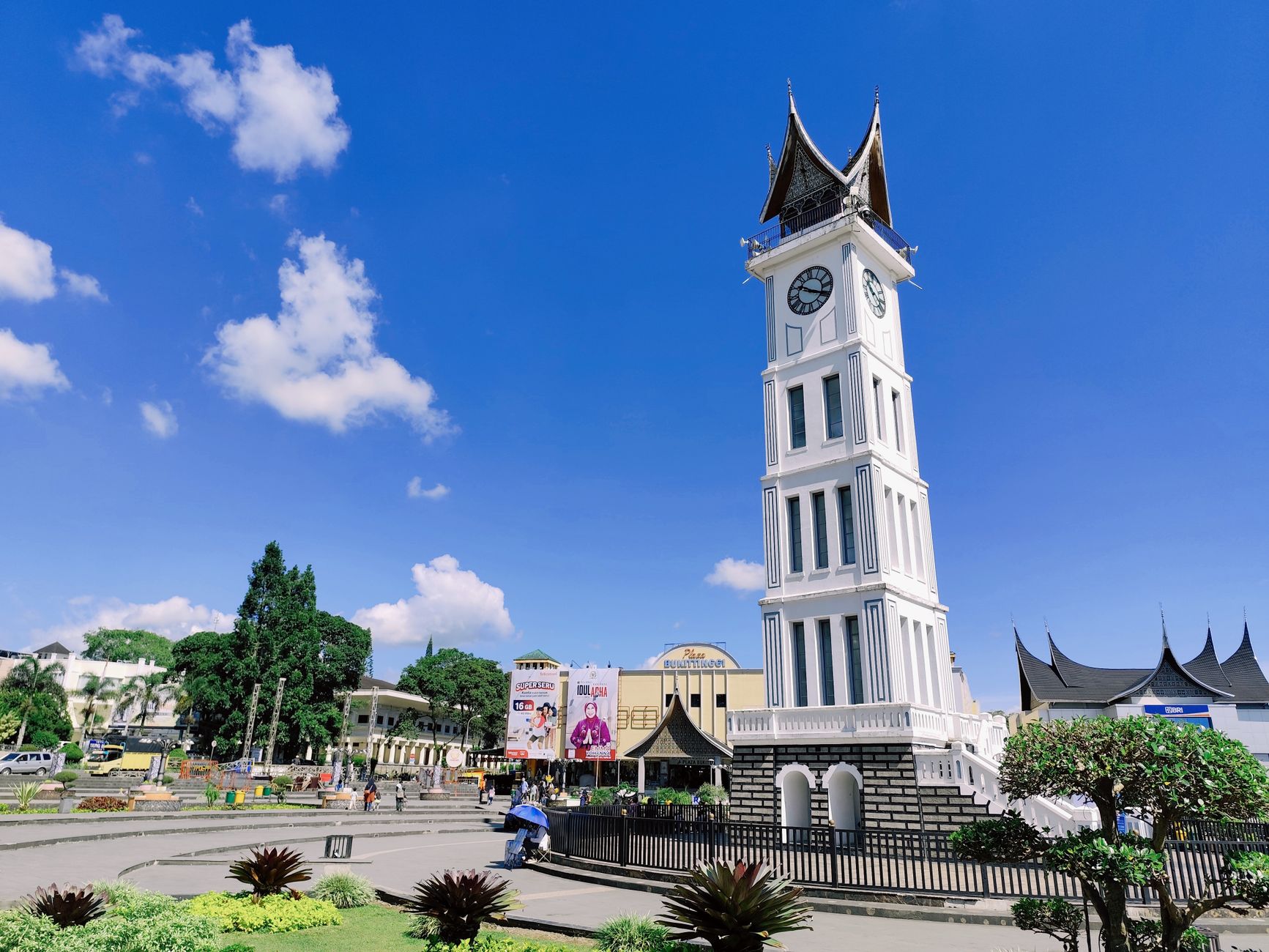
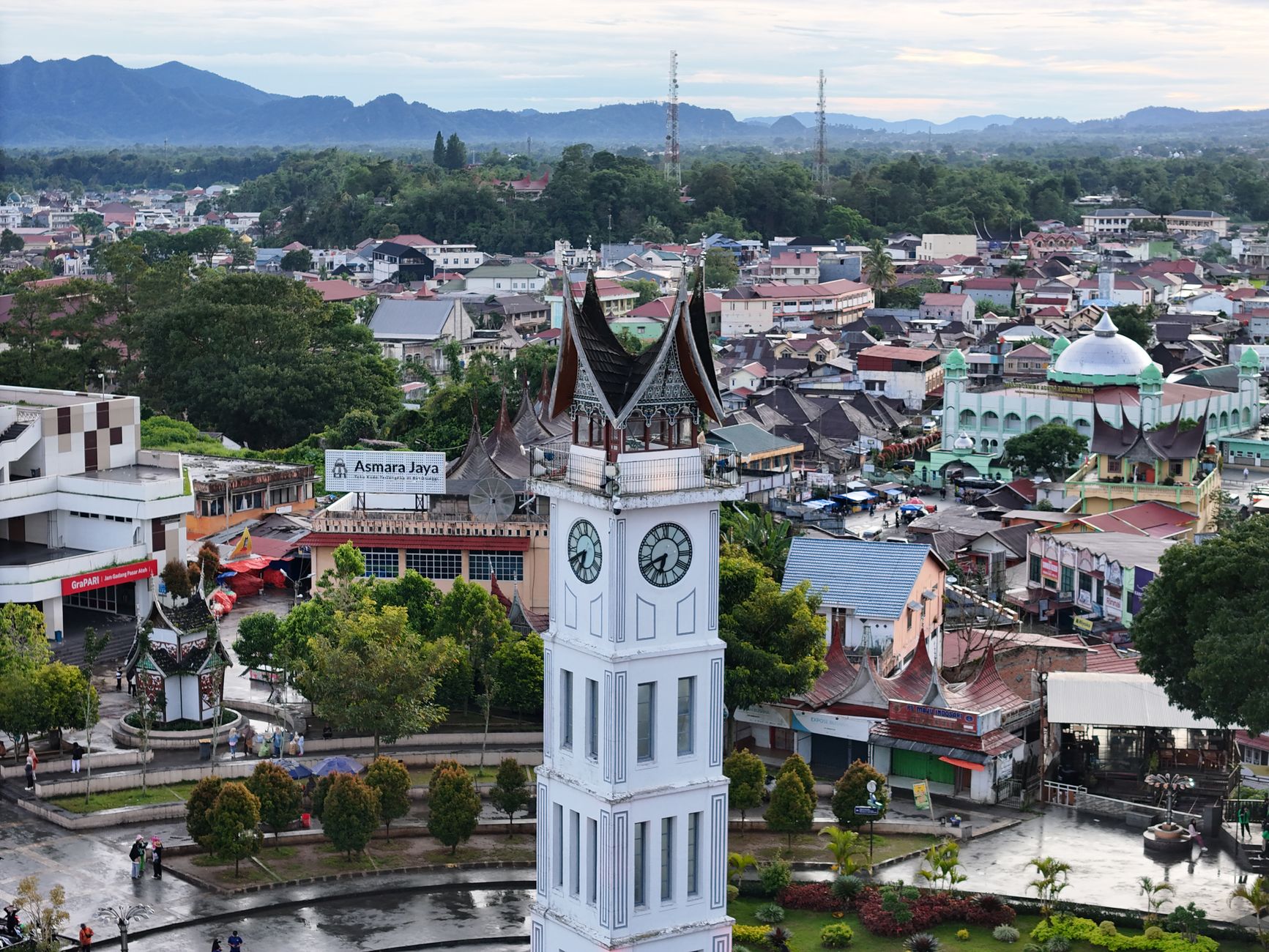
Bukittinggi revolves around its cooler highland elevation, clustered around the landmark Jam Gadang clock tower and the gaping green rift of Sianok Canyon. Days here follow the rhythm of the bustling hillside markets, morning canyon breezes, and long, unhurried lunches at open-fronted curry stalls. It suits curious eaters, independent walkers, and anyone seeking West Sumatra's traditional highland culture at a manageable pace.
24 hours in Bukittinggi Sumatra Indonesia
Start early at Jam Gadang before walking the rim of Sianok Canyon down into Lubang Jepang. For lunch, pull up a stool at Los Lambuang inside Pasar Atas for duck rendang and gulai itiak lada mudo. In the afternoon, cross the Janjang 40 stairway into the market lanes, finishing with evening sate padang near the clock square. Select 1 Day above to see it.
2 days in Bukittinggi Sumatra Indonesia
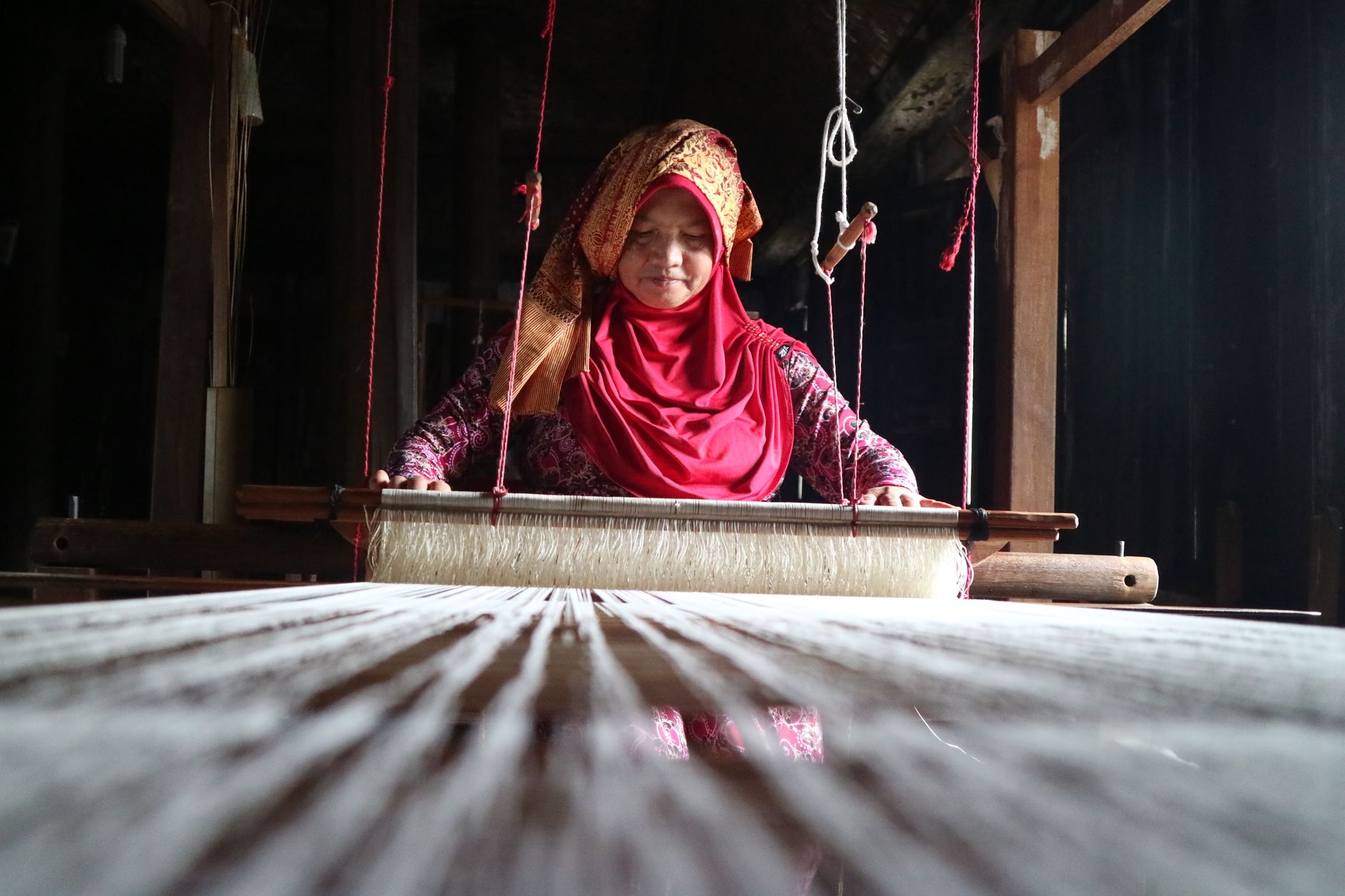
Cross the Great Wall of Koto Gadang stairway across the canyon floor to reach the silver-working village of Koto Gadang by foot. Reward yourself with a steaming bowl of spicy soup and roasted coffee, then continue to Pandai Sikek along the slopes of Mount Singgalang to see traditional songket weavers at their wooden looms. Choose 2 Days to expand the plan.
3 days in Bukittinggi Sumatra Indonesia
Hire a driver for the winding descent through the 44 sharp switchbacks of Kelok 44 to Lake Maninjau, stopping for grilled fish at a lakeside warung. Alternatively, head east into the Tanah Datar valley to visit the three-tiered wooden royal palace at Pagaruyung and stop for kawa daun coffee served in coconut bowls along the route.
Bukittinggi Sumatra Indonesia itineraries by interest
Regional Cooking in Bukittinggi Sumatra Indonesia
Order nasi kapau at Pasar Atas, where vendors ladle gulai tambusu, rendang, and green sambal lada mudo directly over warm rice from tiered bowls.
Canyon Walks in Bukittinggi Sumatra Indonesia
Descend into the 100-metre vertical cliff faces of Ngarai Sianok along the Great Wall of Koto Gadang path toward peaceful farming hamlets.
Indigenous Architecture in Bukittinggi Sumatra Indonesia
Examine the sweeping saddleback roofs and painted floral timber panels of traditional rumah gadang across the town and at Istano Basa Pagaruyung.
Market Life in Bukittinggi Sumatra Indonesia
Browse the multi-level stairways of Pasar Atas and Pasar Bawah for hand-ground red chillies, dried cassia cinnamon bark, and fresh mountain tubers.
Volcano Hiking in Bukittinggi Sumatra Indonesia
Climb the rocky, scrub-covered tracks of Mount Marapi or Mount Singgalang for dawn panoramic views across the central Sumatran highlands.
War History in Bukittinggi Sumatra Indonesia
Walk the damp subterranean tunnels of Lubang Jepang, an extensive 1940s Japanese military bunker network dug right into the ridge of Sianok Canyon.
Traditional Crafts in Bukittinggi Sumatra Indonesia
Visit nearby Koto Gadang village across the canyon footbridge to watch silversmiths shape fine filigree jewellery using inherited techniques.
Coffee Culture in Bukittinggi Sumatra Indonesia
Sip thick kopi kawa daun, a traditional brew made from smoked coffee leaves rather than beans, served hot in cut coconut shells with fried bananas.
Textile Traditions in Bukittinggi Sumatra Indonesia
Head to Pandai Sikek to watch local weavers operate wooden foot looms, crafting gold-and-silver threaded songket fabrics with geometric motifs.
Lake Day Trips in Bukittinggi Sumatra Indonesia
Tackle the 44 sharp hairpin curves of Kelok 44 down into the crater caldera of Lake Maninjau for quiet waterside lunches of grilled tilapia.
Street Food in Bukittinggi Sumatra Indonesia
Try crunchy sate padang smothered in thick yellow turmeric gravy, or fresh pisang kapik, grilled flattened bananas topped with salted grated coconut.
Colonial Landmarks in Bukittinggi Sumatra Indonesia
Stand beneath the Jam Gadang clock tower built in 1926, which anchors the main town square and marks the dividing line between major trading markets.