Battambang.


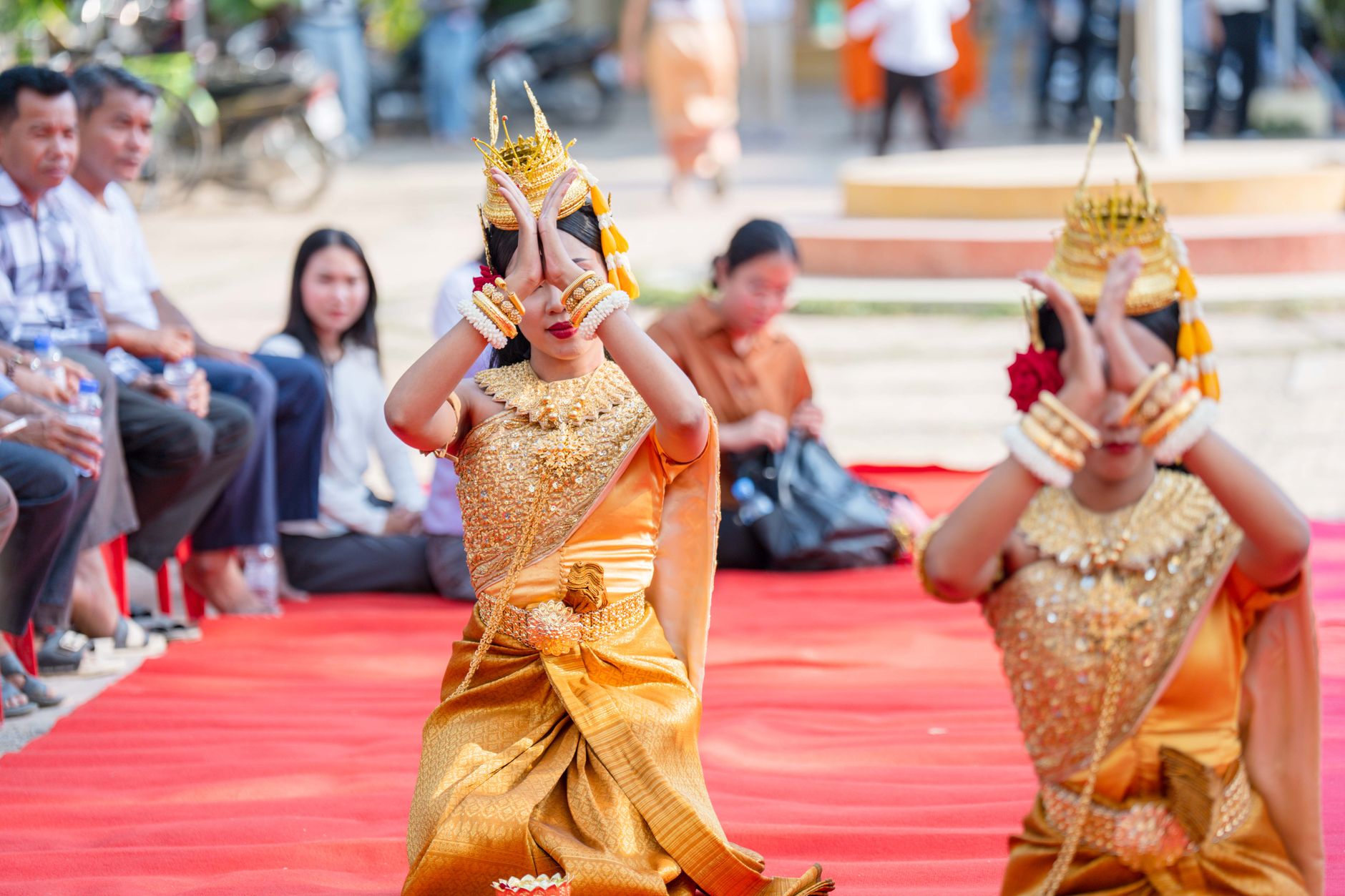
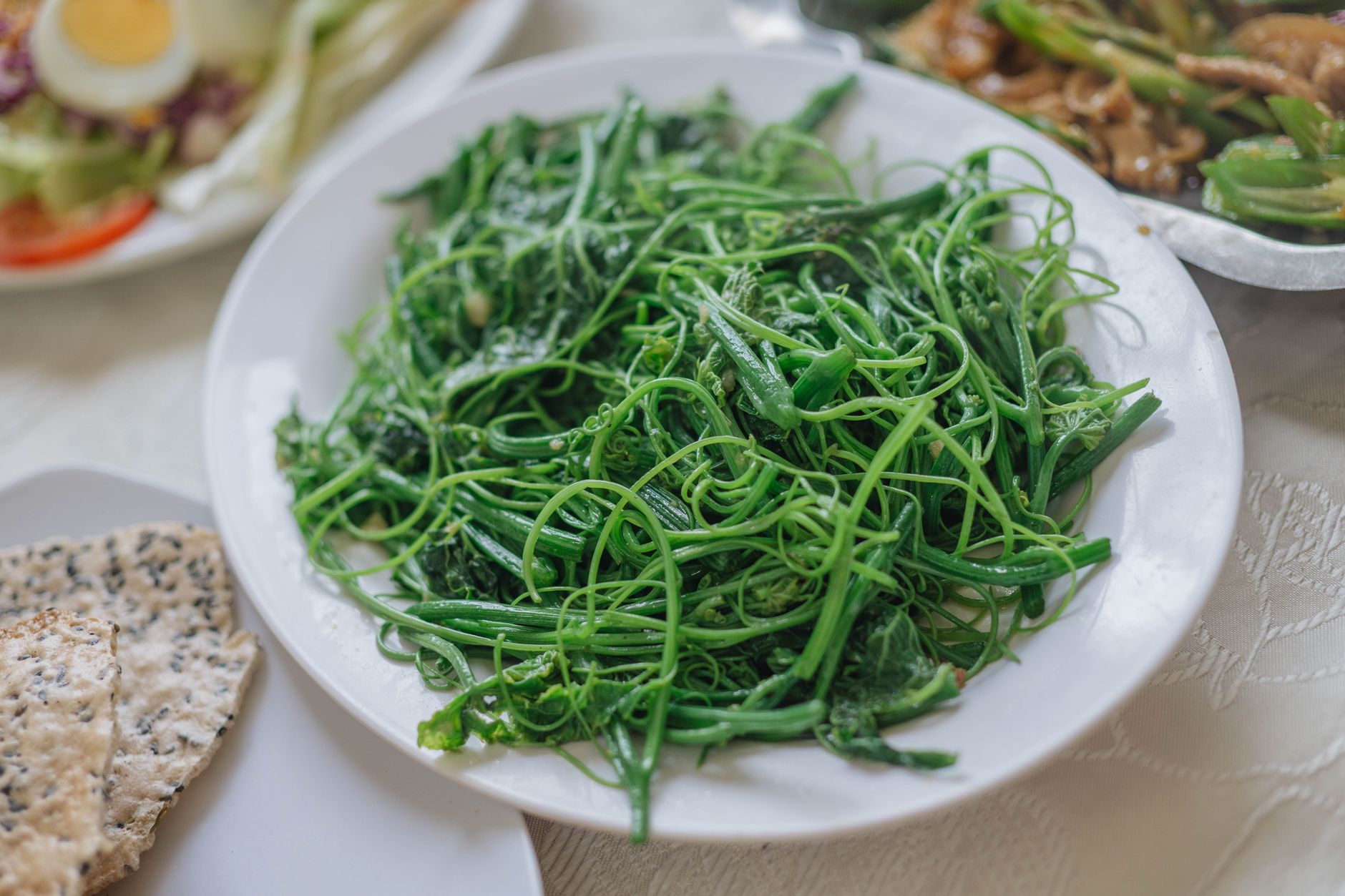
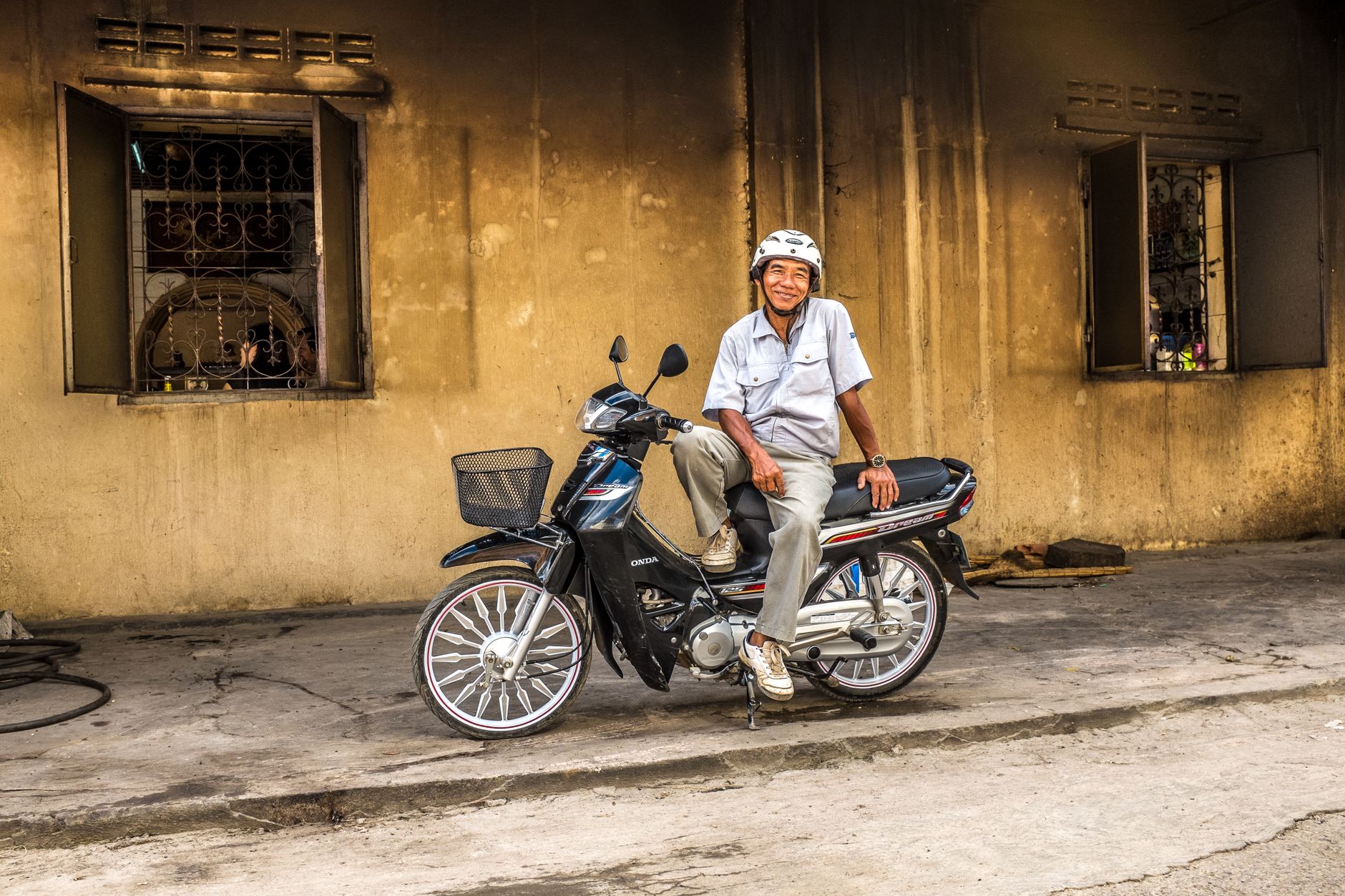
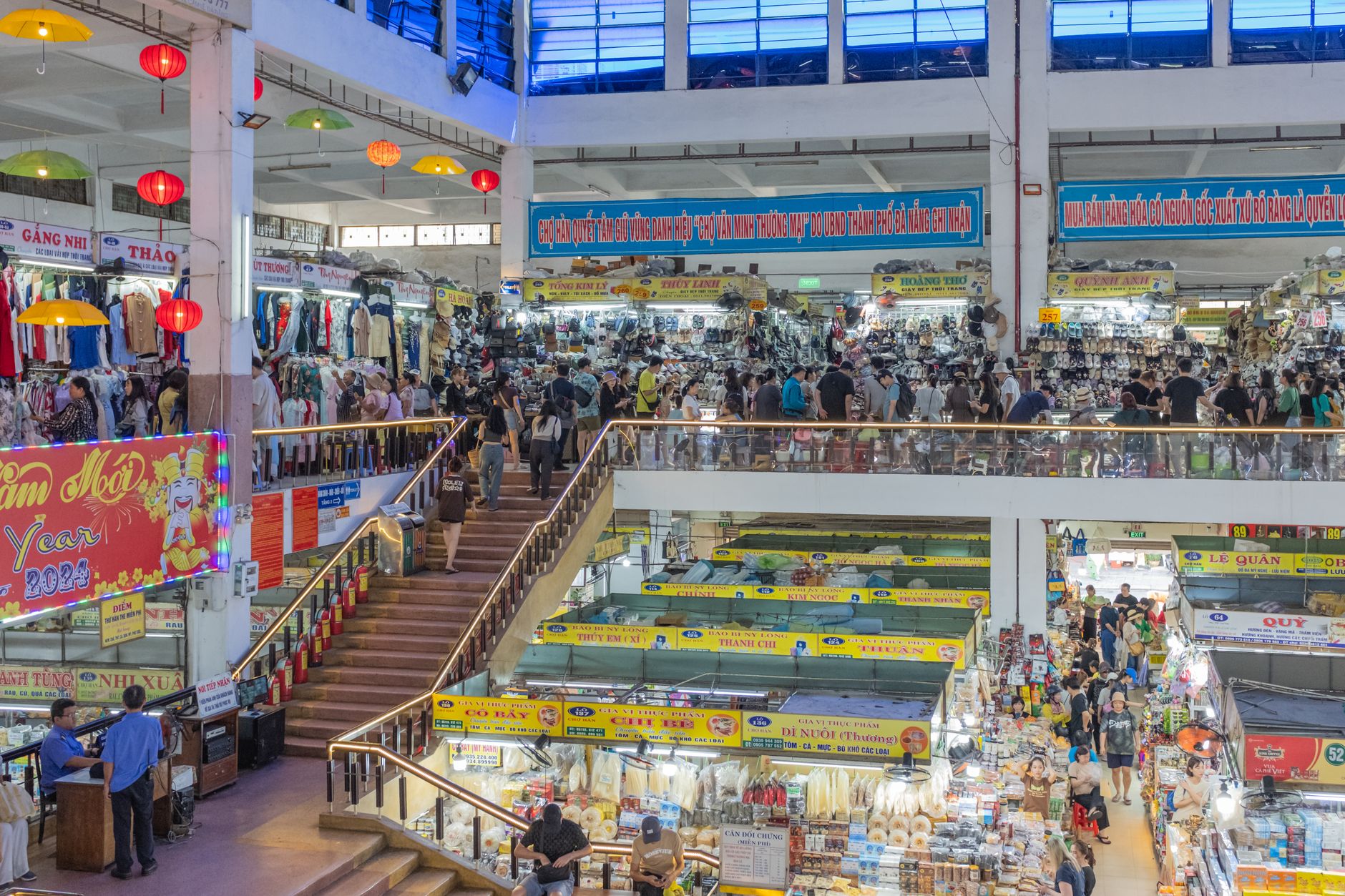
Battambang sits along the muddy Sangker River, where the scent of roasting sticky rice in bamboo cuts through early morning exhaust. It is a working provincial capital built around a 1930s Art Deco market, where ochre French shophouses line Streets 1 and 2. You come here not for polished monuments, but for platefuls of charred lort cha noodles, the clatter of artists at work, and the dark ribbon of millions of bats spilling out of limestone caves at sundown.
Last updated 22 Aug 2026
Build a Battambang itinerary.
Choose up to 4 threads that pull you in. Your plan arrives organised around them.
The Bed
Where to stay in Battambang
Which part of town to book, and what each one costs you in walking, noise or quiet.
The Comparison
Battambang, or somewhere near it
The places you are realistically choosing between, and the honest case for each.
The Local Record
Where to read more about Battambang
The blogs, boards, guides and operators worth bookmarking.
What to do in Battambang Northern Cambodia Cambodia
Battambang is an easy-paced provincial town split by the Sangker River. Days here follow the rhythm of the central market, morning coffee, and unhurried tuk-tuk rides along dirt lanes. It suits travellers who appreciate preserved colonial architecture, vibrant grassroots painting workshops, and honest market cooking without the dense tourist crowds found further north in Siem Reap.
24 hours in Battambang Northern Cambodia Cambodia
Start early at Psar Nat for noodle soup and iced coffee. Spend the afternoon exploring the French quarter along Street 1 before taking a twenty-minute tuk-tuk ride southwest to Phnom Sampeau by 5:00 pm. Watch the bats take flight at dusk, then head back into town for lort cha noodles. Select 1 Day above to see it.
2 days in Battambang Northern Cambodia Cambodia
A second day allows a slow bicycle loop through Wat Kor to inspect century-old stilt houses, followed by an afternoon ride north to the 11th-century sandstone ruins of Wat Ek Phnom. Finish your evening with dinner at a social enterprise restaurant along Street 2.5 and a show at Phare. Choose 2 Days to expand the plan.
3 days in Battambang Northern Cambodia Cambodia
With three days, venture into the surrounding countryside to visit village makers pressing rice paper in Daun Teav and roasting kralan bamboo rice. Take a trip south to the hilltop towers of Wat Banan, followed by a quiet sunset walk along the east bank of the Sangker River.
Battambang Northern Cambodia Cambodia itineraries by interest
Street Food in Battambang Northern Cambodia Cambodia
Pull up a plastic stool near Psar Nat for lort cha noodles flash-fried with beef, garlic chives, and fried eggs, or grilled beef skewers slathered in lemongrass kroeung.
Colonial Architecture in Battambang Northern Cambodia Cambodia
Wander Streets 1, 2, and 3 to study early twentieth-century French colonial shophouses with weathered yellow stucco, louvered wooden shutters, and cast-iron balconies.
Sacred Architecture in Battambang Northern Cambodia Cambodia
Hire a tuk-tuk north to eleventh-century Wat Ek Phnom, a ruined sandstone Angkorian temple, or climb the hillside steps to Wat Banan above the Sangker River valley.
Craft Traditions in Battambang Northern Cambodia Cambodia
Cycle through Daun Teav village to watch families roll paper-thin rice wrappers over steaming fabric drums, or see sticky rice roasted in bamboo tubes at Thmor Koul.
Visual Arts in Battambang Northern Cambodia Cambodia
Visit independent galleries along Street 2.5 and attend evening acrobatic performances at Phare Ponleu Selpak, the renowned non-profit arts school founded in 1994.
Wildlife Encounters in Battambang Northern Cambodia Cambodia
Gather at the base of Phnom Sampeau around 5:30 pm to watch millions of wrinkle-lipped free-tailed bats stream out of the limestone cliffs in a vast, dark wave.
Markets & Produce in Battambang Northern Cambodia Cambodia
Navigate the damp aisles of Psar Nat at dawn for sweet pomelos, salted river fish, and freshly ground curry pastes, accompanied by strong iced coffee with condensed milk.
Village Life in Battambang Northern Cambodia Cambodia
Explore Wat Kor village just south of town, where century-old hardwood Khmer houses like Khor Sang stand on thick stilts amid jackfruit groves and betel nut palms.
Local Rail in Battambang Northern Cambodia Cambodia
Ride the quirky norry bamboo rail flatbeds outside town, powered by small petrol lawnmower engines over warped iron tracks laid during the French protectorate era.
Regional Cooking in Battambang Northern Cambodia Cambodia
Taste fermented river fish paste wrapped in banana leaves known as nem, and crispy coconut-milk rice pancakes called banh chao served with fresh herbs and fish sauce dip.
Recent History in Battambang Northern Cambodia Cambodia
Examine the sobering memorial stupa at Wat Samrong Knong and the tragic limestone caves atop Phnom Sampeau, bearing quiet witness to the Khmer Rouge era.
River Walks in Battambang Northern Cambodia Cambodia
Stroll along the tree-lined banks of the Sangker River in the late afternoon, crossing the old stone bridges as fishermen cast nets into the murky, slow currents.