Siem Reap.


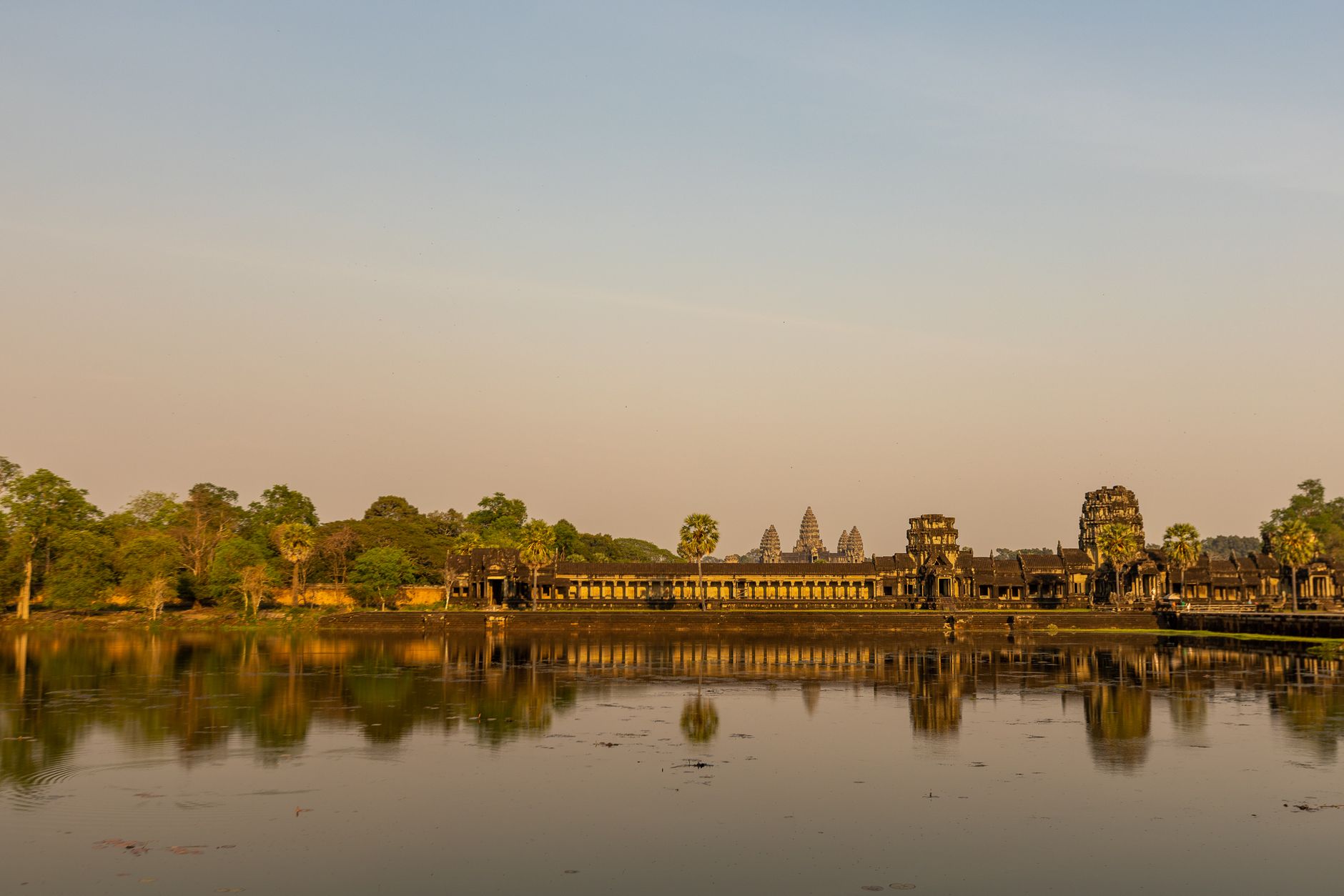
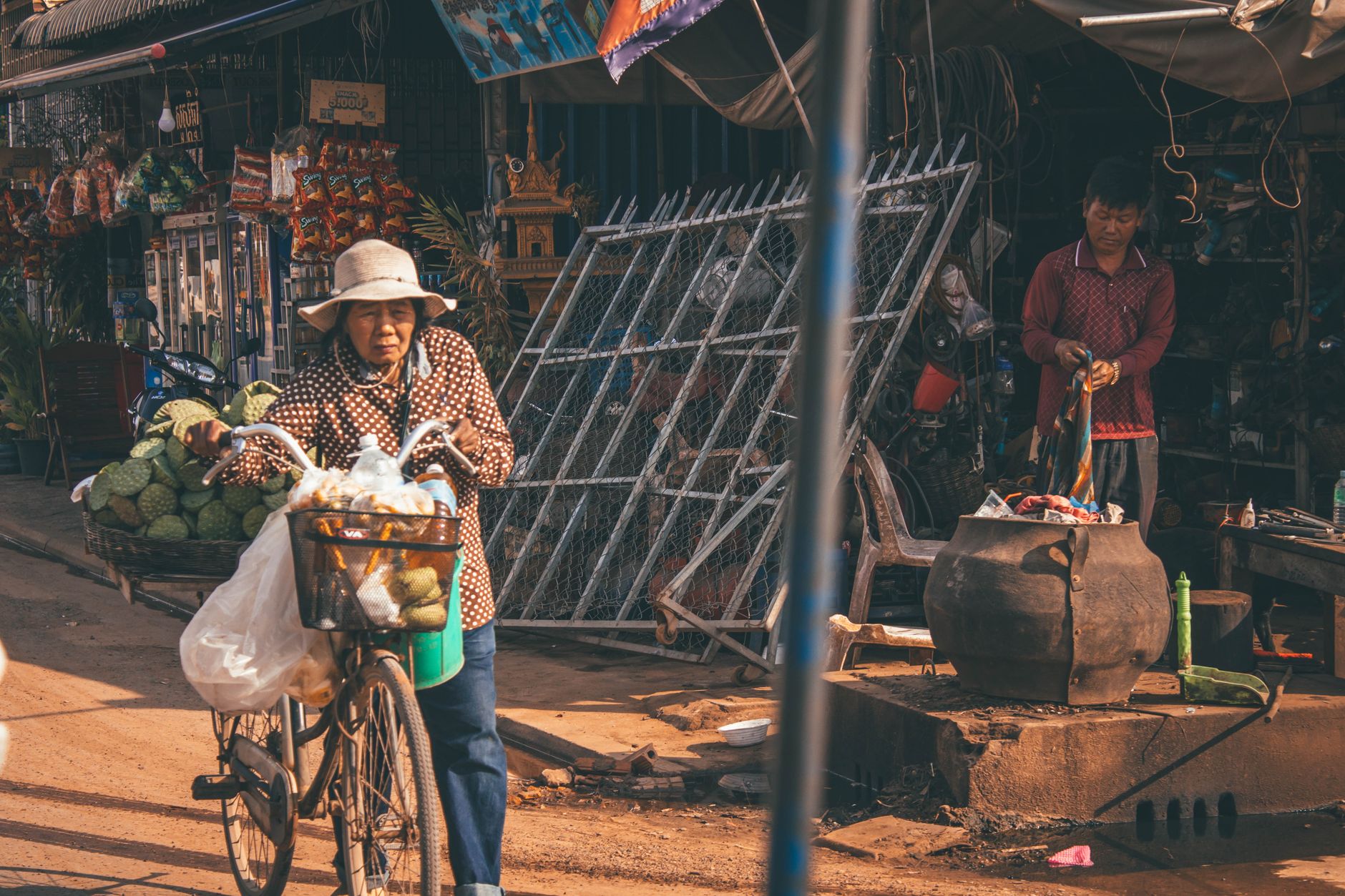
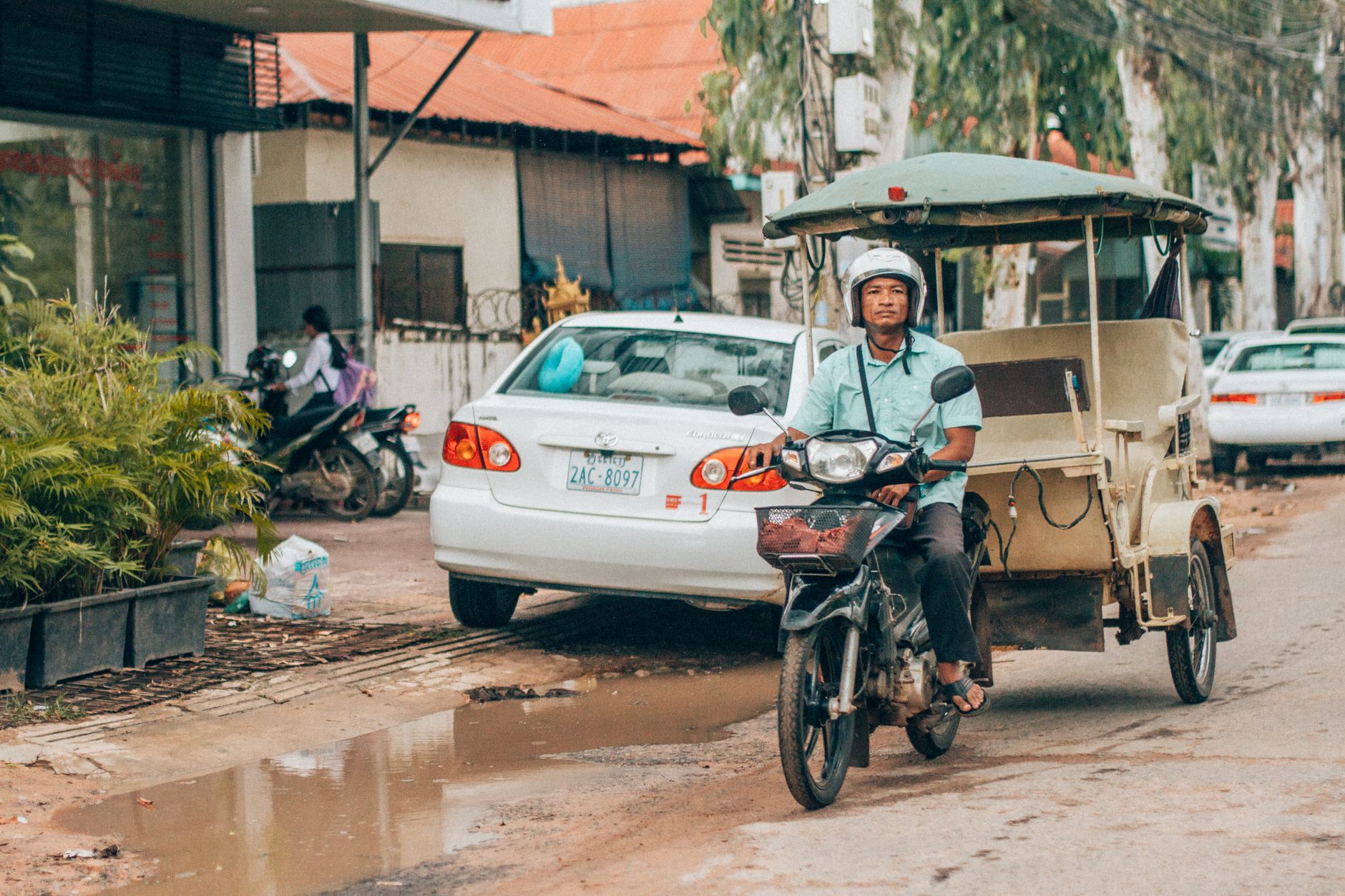
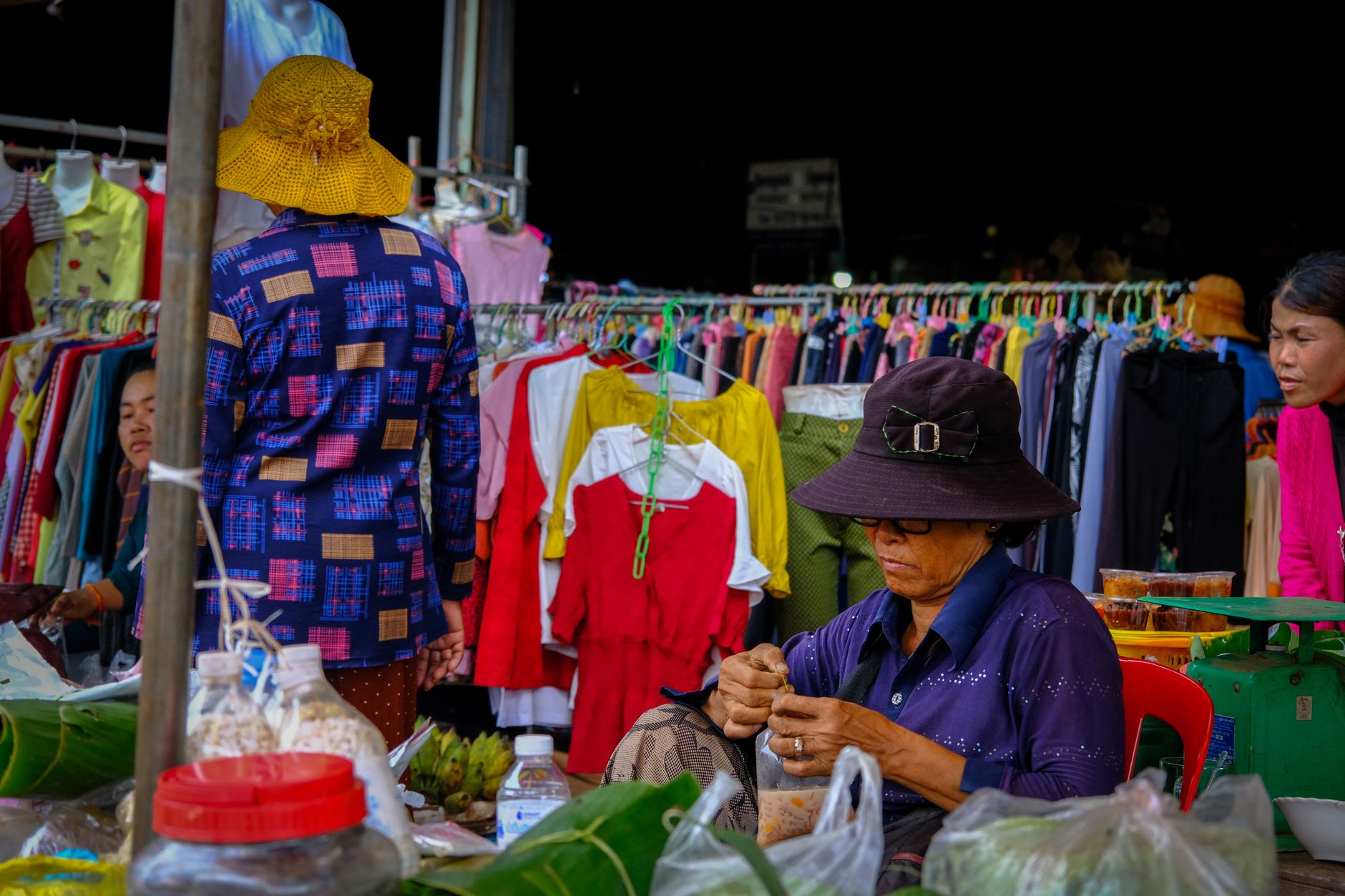
Red dust settles on your shins within twenty minutes of leaving the airport, kicked up by passing remorques along the muddy Siem Reap River. People come for the colossal twelfth-century sandstone masonry north of town, which is legitimate and staggering, but the town itself runs on iced black coffee, charcoal-grilled catfish, and the hum of ceiling fans in French-era shophouses along Pokambor Avenue. It is easy to navigate, forgiving to the heat-weary, and best taken at the pace of a slow pedal.
Last updated 22 Aug 2026
Build a Siem Reap itinerary.
Choose up to 4 threads that pull you in. Your plan arrives organised around them.
The Bed
Where to stay in Siem Reap
Which part of town to book, and what each one costs you in walking, noise or quiet.
The Comparison
Siem Reap, or somewhere near it
The places you are realistically choosing between, and the honest case for each.
The Local Record
Where to read more about Siem Reap
The blogs, boards, guides and operators worth bookmarking.
What to do in Siem Reap Northern Cambodia Cambodia
Siem Reap is structured around its sluggish river and the grid of French colonial lanes south of the Royal Independence Gardens. Mornings belong to the sprawling ruins of the Angkor Archaeological Park, while afternoons retreat from the equatorial sun into shaded noodle shops and verandahs. It suits independent travellers who appreciate unpretentious hospitality, early starts, and the deep, earthy flavours of freshwater fish and lemongrass paste.
24 hours in Siem Reap Northern Cambodia Cambodia
Begin at five in the morning at Angkor Wat to catch the silhouette against the lily ponds before moving to the tree-strangled stones of Ta Prohm. Head back into town by noon for a bowl of beef lok lak on Street 08, rest during the fierce midday heat, and finish with skewered pork and cold beer at the open stalls along Psar Chas. Select 1 Day above to see it.
2 days in Siem Reap Northern Cambodia Cambodia
Spend your second morning exploring the serene residential alleys of the Wat Bo neighbourhood, stopping for strong robusta coffee and palm cakes. In the afternoon, take a tuk-tuk out to the pink sandstone reliefs of Banteay Srei, twenty-five miles north, followed by a dinner of steamed fish amok at a courtyard restaurant on Wat Damnak. Choose 2 Days to expand the plan.
3 days in Siem Reap Northern Cambodia Cambodia
A third day allows for a boat trip onto the Tonle Sap to see the towering stilted communities of Kampong Khleang, thirty miles southeast. Return through rural trails to watch palm sugar collection, then book an evening seat at the Phare Cambodian Circus for an hour of remarkable acrobatics and live Khmer percussion.
Siem Reap Northern Cambodia Cambodia itineraries by interest
Sacred Architecture in Siem Reap Northern Cambodia Cambodia
Trace the twelfth-century bas-reliefs of Angkor Wat and the crumbling face-towers of the Bayon at dawn, before the stone heats up like an oven.
Street Food in Siem Reap Northern Cambodia Cambodia
Sit on plastic stools along Wat Bo Road for num banh chok, fresh fermented rice noodles doused in green fish curry and shaved banana blossom.
Markets & Produce in Siem Reap Northern Cambodia Cambodia
Wander the aisles of Psar Leu Thom Thmey at six in the morning for fermented prahok paste, fresh galangal, and mounds of live river crabs.
Traditional Craft in Siem Reap Northern Cambodia Cambodia
Visit Artisans Angkor and small village workshops in Pouk to watch weavers turn golden silk cocoons into complex ikat textiles on foot looms.
Riverside Walks in Siem Reap Northern Cambodia Cambodia
Stroll the shade trees along the Siem Reap River between Old Market Bridge and the Royal Gardens, where locals gather for cane juice at sunset.
Regional Cooking in Siem Reap Northern Cambodia Cambodia
Learn the balance of kroeung spice paste and steam freshwater fish amok inside banana leaf cups with wild noni leaves at quiet family kitchens.
Day Trips in Siem Reap Northern Cambodia Cambodia
Hire a driver out to Banteay Srei to study tenth-century pink sandstone carvings, then continue north to the jungle-clad riverbed lingas of Kbal Spean.
Wetland Ecology in Siem Reap Northern Cambodia Cambodia
Board a wooden boat on the Tonle Sap lake to explore the towering stilted houses of Kampong Khleang and bird colonies across Prek Toal sanctuary.
Contemporary Arts in Siem Reap Northern Cambodia Cambodia
Catch the acrobatic storytelling at Phare Circus near Ring Road, where young performers mix traditional folklore with theatre and live percussion.
Cycling Routes in Siem Reap Northern Cambodia Cambodia
Rent a sturdy single-speed bicycle to ride the quiet dirt tracks behind Angkor Thom, winding past rice paddies and forgotten ruin outposts.
Village Life in Siem Reap Northern Cambodia Cambodia
Spend a slow morning in Chreav village watching palm sugar boil down in iron vats and local farmers harvesting green water spinach in shallow ponds.
Local Distilling in Siem Reap Northern Cambodia Cambodia
Sample sticky rice liquors infused with local tamarind, star anise, and red chili at small distilleries tucked down quiet dirt lanes off Wat Damnak.