Kampot.


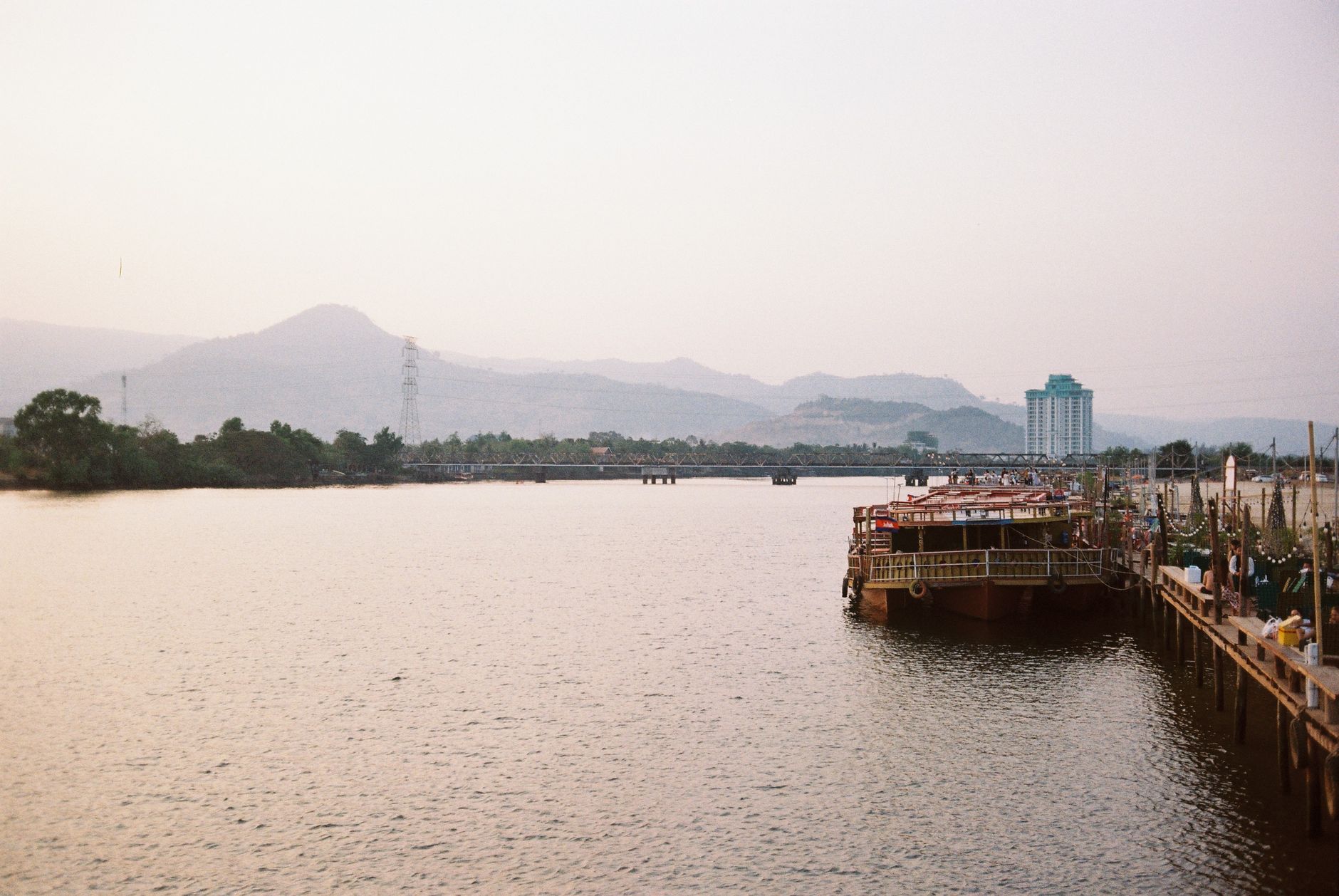
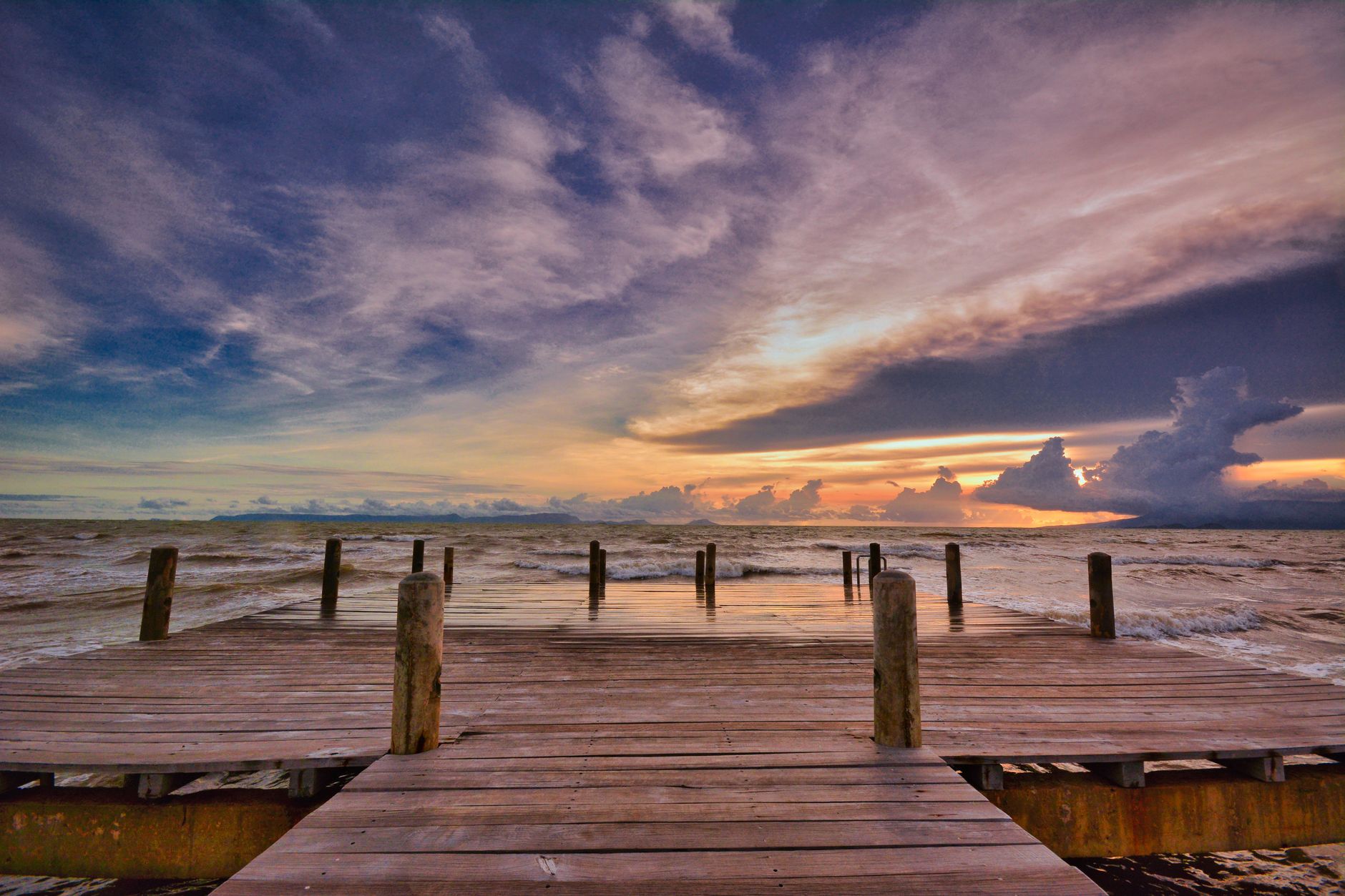
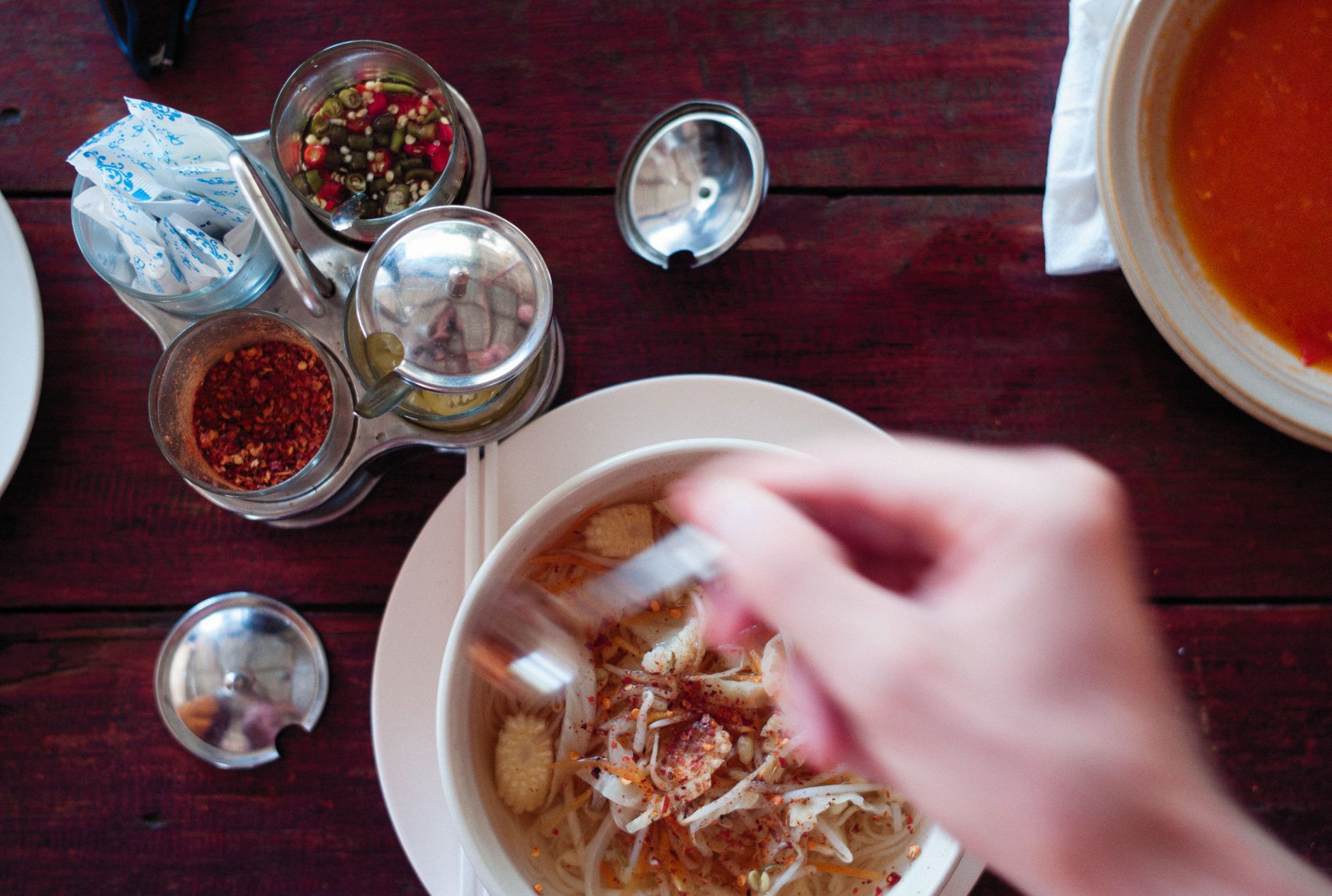
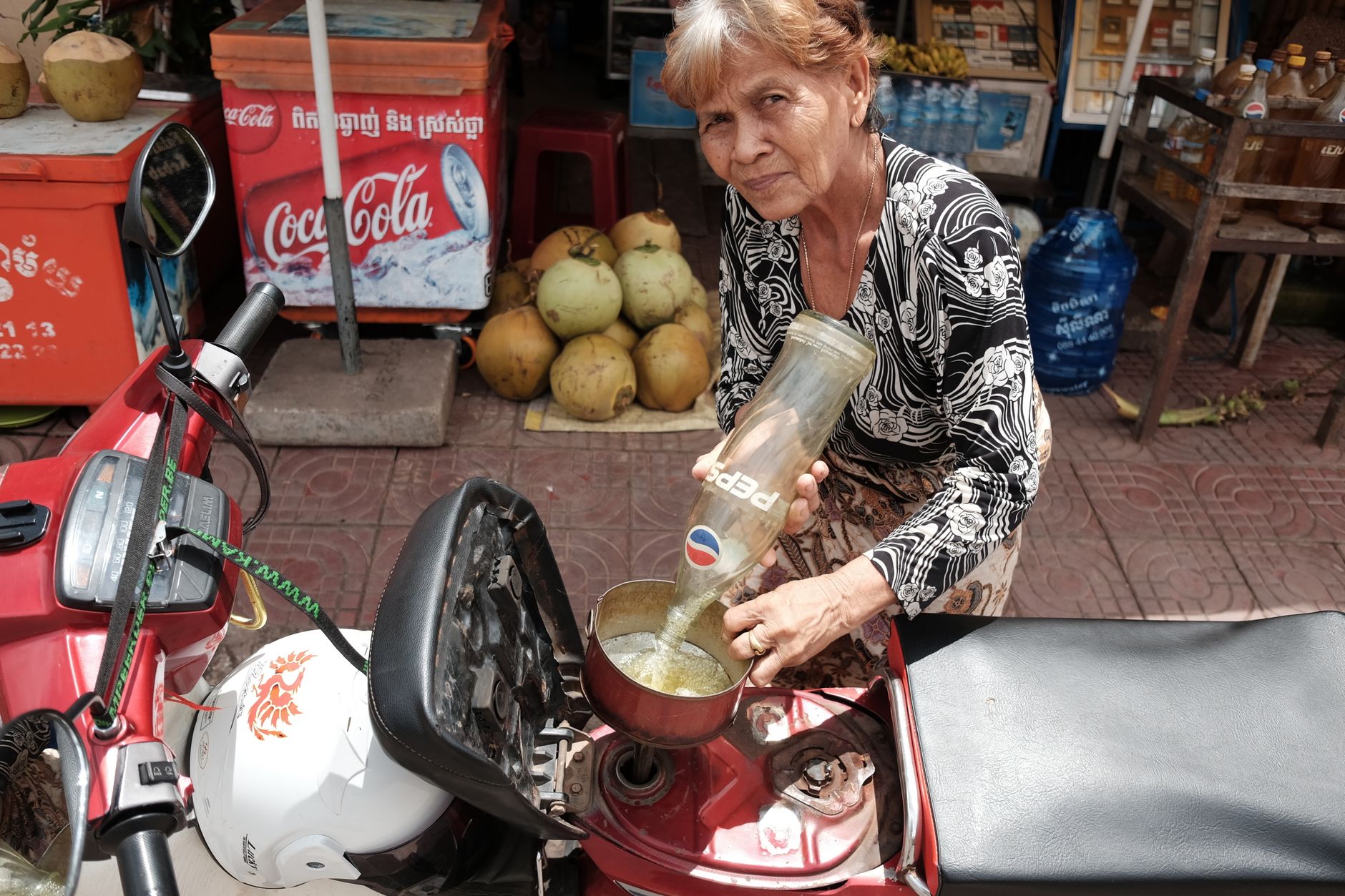
Kampot sits 150 kilometres south of Phnom Penh, a three-hour van ride down National Highway 3. The riverside town is known for its world-grade pepper plantations and rows of faded yellow French colonial shophouses along the Praek Tuek Chhu. Kampot is worth visiting if you want to eat crab stir-fried with fresh green peppercorns and explore misty plateau ruins by motorbike. Look elsewhere if you want white sand beaches, manicured historic districts, or high-octane nightclubs.
Last updated 27 Sept 2026
Build a Kampot itinerary.
Choose up to 4 threads that pull you in. Your plan arrives organised around them.
The Bed
Where to stay in Kampot
Which part of town to book, and what each one costs you in walking, noise or quiet.
The Comparison
Kampot, or somewhere near it
The places you are realistically choosing between, and the honest case for each.
The Local Record
Where to read more about Kampot
The blogs, boards, guides and operators worth bookmarking.
What to do in Kampot Southern Cambodia Cambodia
Kampot unspools quietly along the eastern bank of the Praek Tuek Chhu river. Life here follows the sun: early mornings spent bargaining for pomelos at Phsar Samaki, afternoons dodging the heat in riverside cafes, and dusk watching longtail boats chug against the purple backdrop of Bokor. It suits travellers who appreciate peeling paint, slow meals, and rural exploring on rented scooters.
24 hours in Kampot Southern Cambodia Cambodia
Start at Phsar Samaki with a bowl of noodle soup, then take a 10-minute walk through the old French quarter. Hire a tuk-tuk after lunch for the salt fields, and return by five to catch a sunset longboat on the river. Dine on Kampot pepper squid along Riverside Road. Select 1 Day above to see it.
2 days in Kampot Southern Cambodia Cambodia
Day two takes you into the countryside. Ride twenty minutes north to tour a family-run pepper farm in Tuek Chhou valley, sampling green berries in lime juice. Spend the late afternoon paddling a kayak through the mangrove waterways of the Green Cathedral before dinner in town. Choose 2 Days to expand the plan.
3 days in Kampot Southern Cambodia Cambodia
A third day lets you tackle the climb to Bokor National Park, wandering the misty French hill station and Wat Sampov Pram. In the afternoon, take a half-hour tuk-tuk to Kep Crab Market to eat wok-fried crustacean directly over the water as the tide rolls in.
Kampot Southern Cambodia Cambodia itineraries by interest
Local Produce in Kampot Southern Cambodia Cambodia
Tour organic plantations in Tuek Chhou to taste sun-dried black, floral red, and fresh green peppercorns snapped straight off the vine.
Seafood in Kampot Southern Cambodia Cambodia
Head south toward Kep for blue swimmer crab sautéed in woks with fragrant bunches of unripe green pepper clusters and garlic.
Colonial Architecture in Kampot Southern Cambodia Cambodia
Walk Street 730 to inspect two-storey French administrative buildings and shuttered Chinese-Khmer shophouses with peeling ochre paint.
River Life in Kampot Southern Cambodia Cambodia
Board wooden longboats on the Praek Tuek Chhu at dusk to watch fruit bats take flight against the shadow of the Elephant Mountains.
Hiking in Kampot Southern Cambodia Cambodia
Trek the trails of Bokor National Park through humid evergreen forest up to the cool mist of the high sandstone plateau.
Local Markets in Kampot Southern Cambodia Cambodia
Navigate the narrow aisles of Phsar Samaki for freshly steamed nom krok rice cakes, durian, salted fish, and stacked herbs.
Rural Life in Kampot Southern Cambodia Cambodia
Rent a bicycle to loop past the geometric sea-salt evaporation flats and timber stilt houses in the quiet southern wetlands.
Caves & Temples in Kampot Southern Cambodia Cambodia
Climb into Phnom Chhngok cave to view a remarkably preserved brick Shiva shrine built during the seventh-century Funan kingdom.
Historic Ruins in Kampot Southern Cambodia Cambodia
Explore the eerie concrete shell of the 1920s French colonial hill station and Catholic church on the windswept Bokor summit.
Kayaking in Kampot Southern Cambodia Cambodia
Paddle through the tranquil Green Loop on the upper river, gliding past tangled mangrove roots and quiet family orchards.
Street Food in Kampot Southern Cambodia Cambodia
Pull up a plastic stool near the Old Market roundabout for bowls of num banh chok rice noodles doused in green fish curry.
Day Trips in Kampot Southern Cambodia Cambodia
Take a twenty-minute tuk-tuk ride east to Kep for breezy coastal promenades, crumbling modern villas, and the daily crab market.