Belo Horizonte.


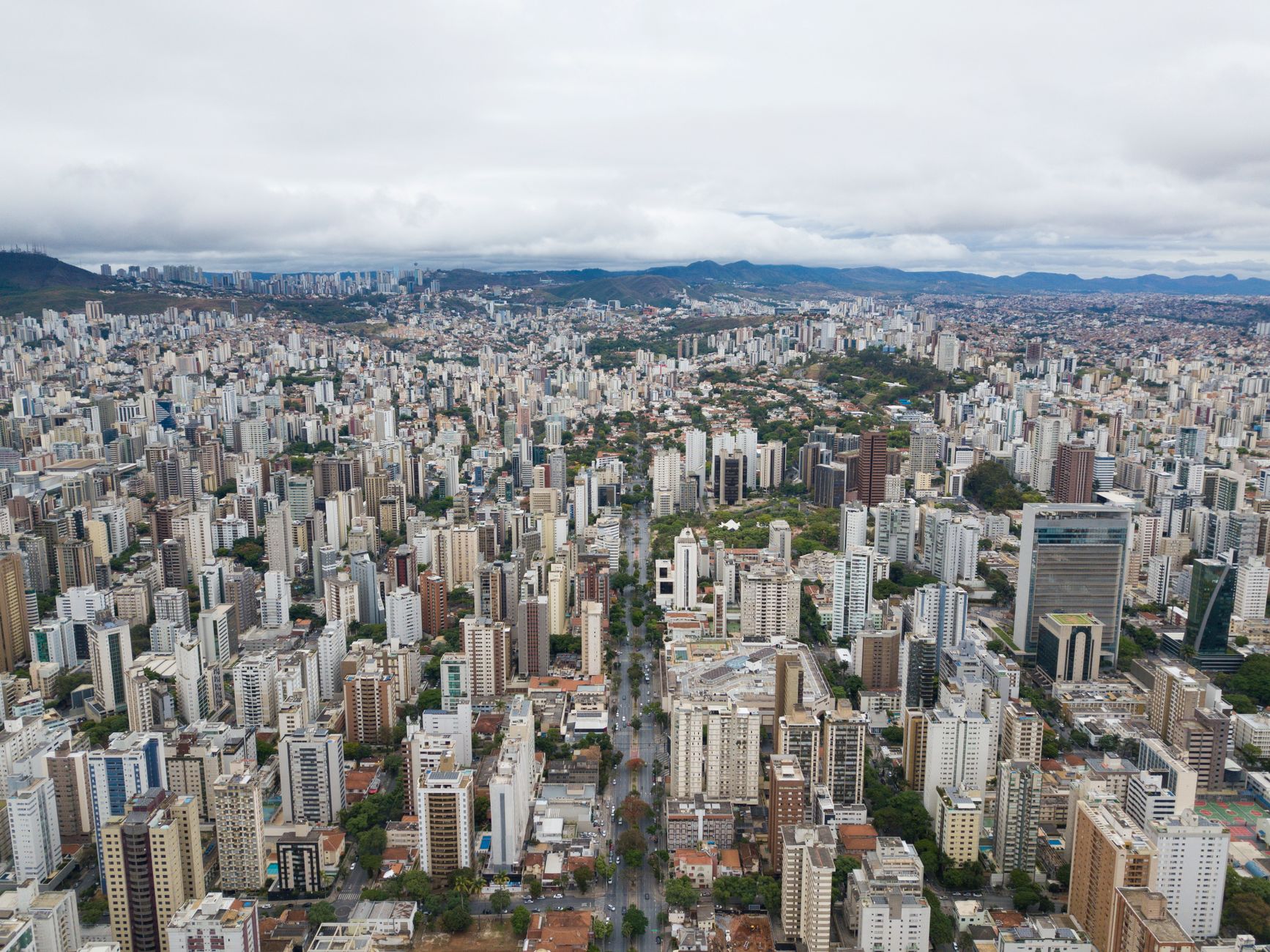


Set 450 kilometres north of Rio de Janeiro, Belo Horizonte is reached in a one-hour flight or six hours by road. Minas Gerais's capital is known for mid-century modern architecture around Pampulha and a tavern culture with thousands of neighbourhood bars. Belo Horizonte is worth visiting if you want to eat slow-braised pork belly, drink artisanal cachaça, and hop between pavement botecos every evening. Look elsewhere if you need coastal beaches, flat walking terrain, or preserved eighteenth-century colonial lanes.
Last updated 25 Sept 2026
Build a Belo Horizonte itinerary.
Choose up to 4 threads that pull you in. Your plan arrives organised around them.
The Bed
Where to stay in Belo Horizonte
Which part of town to book, and what each one costs you in walking, noise or quiet.
The Comparison
Belo Horizonte, or somewhere near it
The places you are realistically choosing between, and the honest case for each.
The Local Record
Where to read more about Belo Horizonte
The blogs, boards, guides and operators worth bookmarking.
What to do in Belo Horizonte Minas Gerais Brazil
Belo Horizonte is an orderly planned capital draped over steep red-clay ridges. The rhythm of the city belongs to the boteco table: days are measured in draft beer, boards of cured Canastra cheese, and simmering clay pots of pork ribs. It rewards eaters, modern design enthusiasts, and anyone who appreciates unhurried urban life rather than hurried sightseeing.
24 hours in Belo Horizonte Minas Gerais Brazil
Start at Mercado Central by 8:30 for liver with jiló and dripping cheese. Ride fifteen minutes north to Pampulha for Niemeyer's modernist church and lake walk before lunch. Spend the evening in Santa Tereza, settling onto plastic chairs at Bar do Museu Clube da Esquina for cold pilsner and crispy torresmo. Select 1 Day above to see it.
2 days in Belo Horizonte Minas Gerais Brazil
Spend the second day exploring the museums along Praça da Liberdade, pausing for espresso in Lourdes. In the afternoon, head uphill to Mangabeiras for the mountain skyline. For dinner, sit down for wood-fired suckling pig and feijão tropeiro at an old-school dining room in Prado. Choose 2 Days to expand the plan.
3 days in Belo Horizonte Minas Gerais Brazil
A third day allows an early bus to Inhotim, the world-class open-air art museum set in botanical gardens an hour west, which demands five solid hours on foot. Alternatively, journey two hours south into the Serra do Espinhaço to wander Ouro Preto's eighteenth-century baroque gold chapels.
Belo Horizonte Minas Gerais Brazil itineraries by interest
Taverns & Bars in Belo Horizonte Minas Gerais Brazil
Botecos across Santa Tereza and Savassi serve cold lager, crackling torresmo, and beef tongue braised slowly in dark beer until tender.
Regional Cuisine in Belo Horizonte Minas Gerais Brazil
Sample feijão tropeiro with collard greens, frango ao molho pardo, and tutu à mineira served in heavy soapstone pots across traditional dining rooms.
Markets & Produce in Belo Horizonte Minas Gerais Brazil
Mercado Central holds over 400 stalls selling raw-milk Canastra cheese, doces de leite in glass jars, fresh guava paste, and curing sausages.
Modern Architecture in Belo Horizonte Minas Gerais Brazil
Oscar Niemeyer designed the lakeside Pampulha complex, including São Francisco de Assis church, lined with blue ceramic tiles by Candido Portinari.
Contemporary Art in Belo Horizonte Minas Gerais Brazil
Inhotim, located an hour west in Brumadinho, spreads monumental open-air pavilions and botanical gardens across 300 acres of lush hillside.
Coffee Culture in Belo Horizonte Minas Gerais Brazil
Specialty cafés in Lourdes brew single-origin arabica beans sourced directly from the high-altitude volcanic soils of the Serra da Mantiqueira.
Street Markets in Belo Horizonte Minas Gerais Brazil
Feira Hippie takes over Avenida Afonso Pena every Sunday morning with leatherwork, soapstone carvings, and stalls frying pastéis to order.
Distillery Traditions in Belo Horizonte Minas Gerais Brazil
Alambique-produced cachaça from Salinas and Januária ages in native woods like amburana and balsam, sampled neat in neighbourhood botequins.
Day Trips in Belo Horizonte Minas Gerais Brazil
Ouro Preto and Mariana sit two hours south by bus, filled with steep cobbled hills, baroque gold-leaf altars, and 18th-century stone bridges.
Urban Panoramas in Belo Horizonte Minas Gerais Brazil
Praça do Papa and the Mirante das Mangabeiras provide wide views over the downtown grid, backed by the sheer granite wall of Serra do Curral.
Public Plazas in Belo Horizonte Minas Gerais Brazil
Praça da Liberdade anchors the cultural circuit, flanked by royal palms, 19th-century neoclassical ministries, and Art Deco cultural centres.
City Parks in Belo Horizonte Minas Gerais Brazil
Parque das Mangabeiras offers quiet paved walking tracks, Atlantic forest canopy, and views over the southern ridges at the edge of the city.