

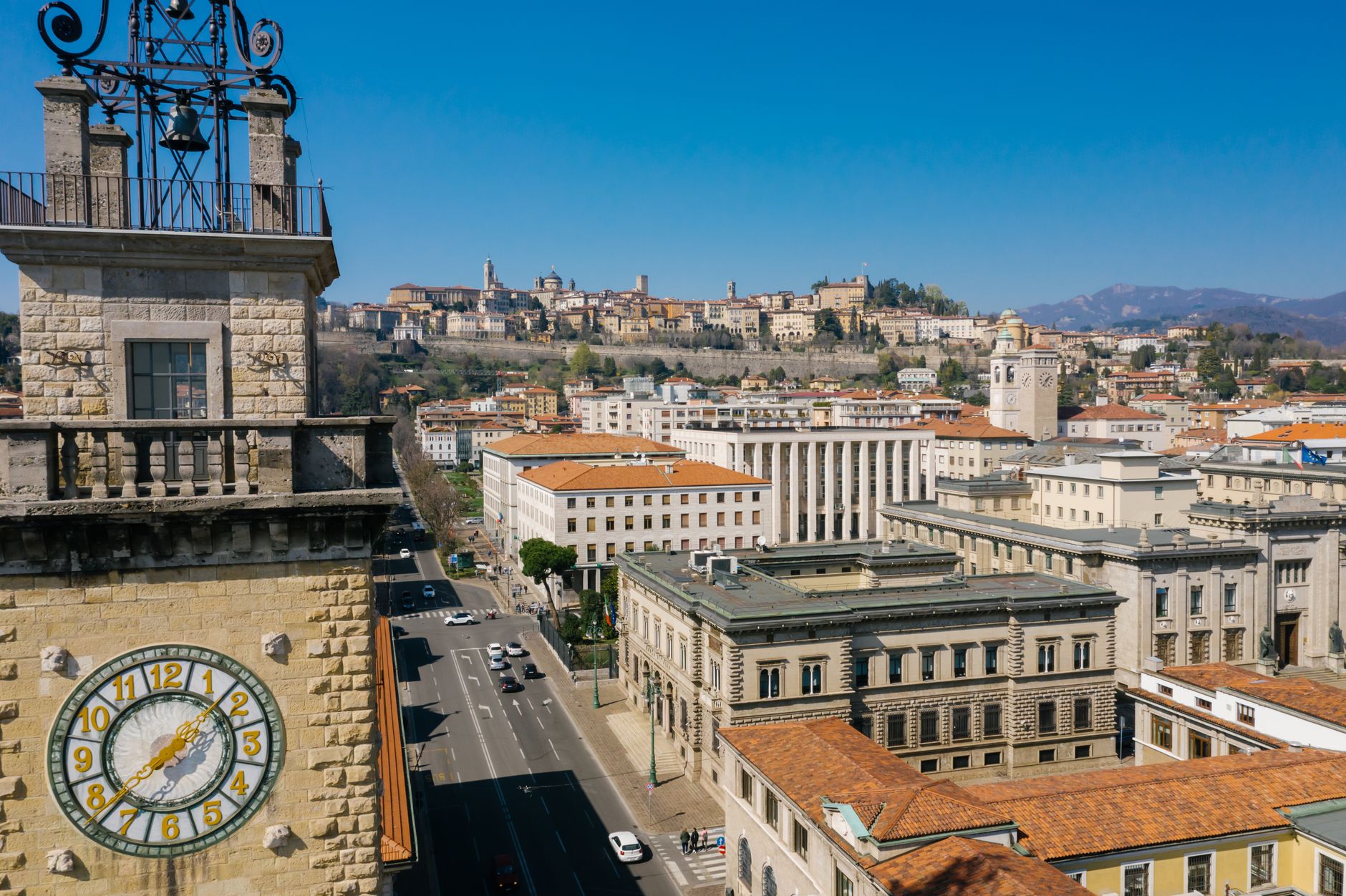
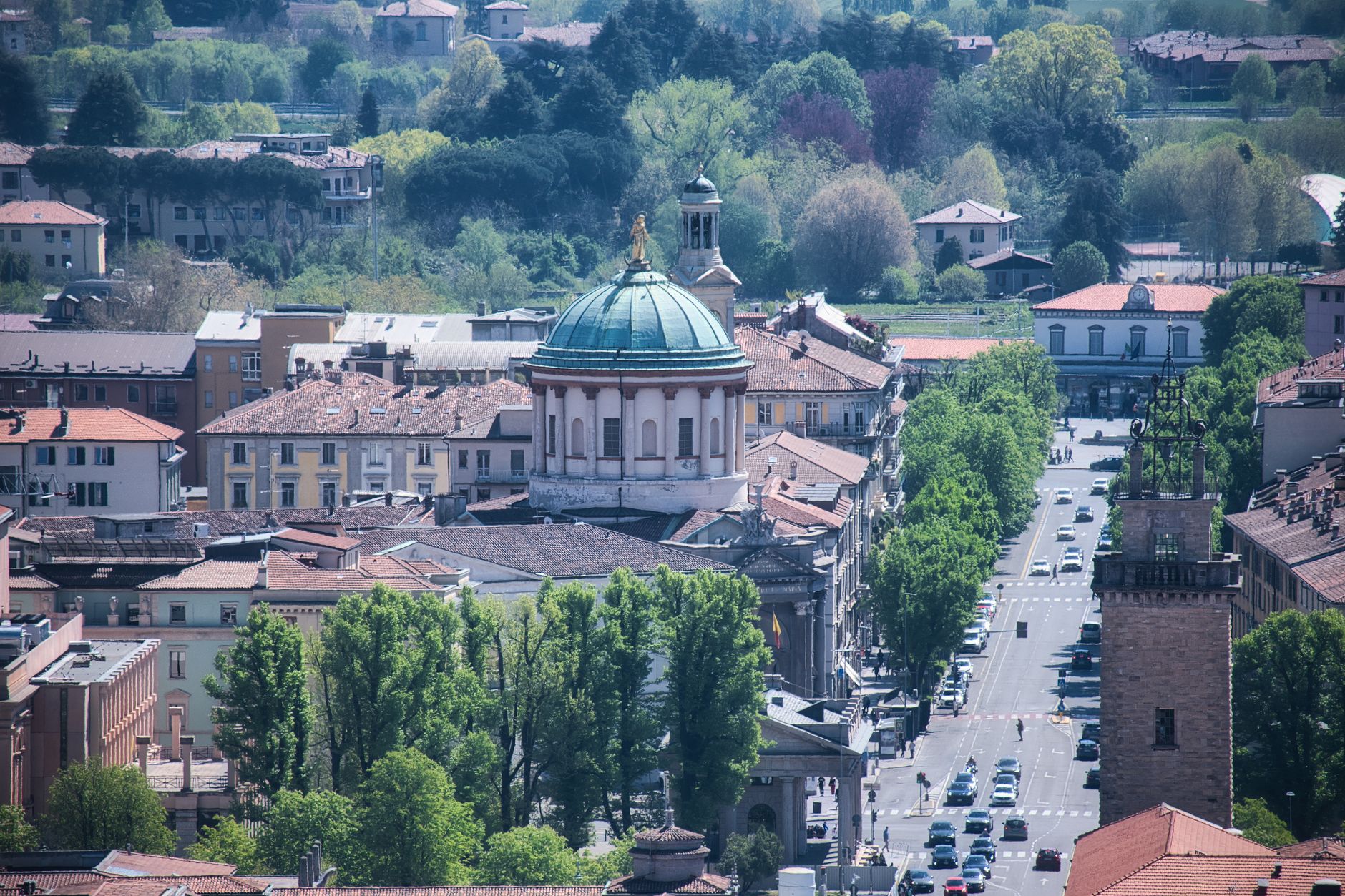
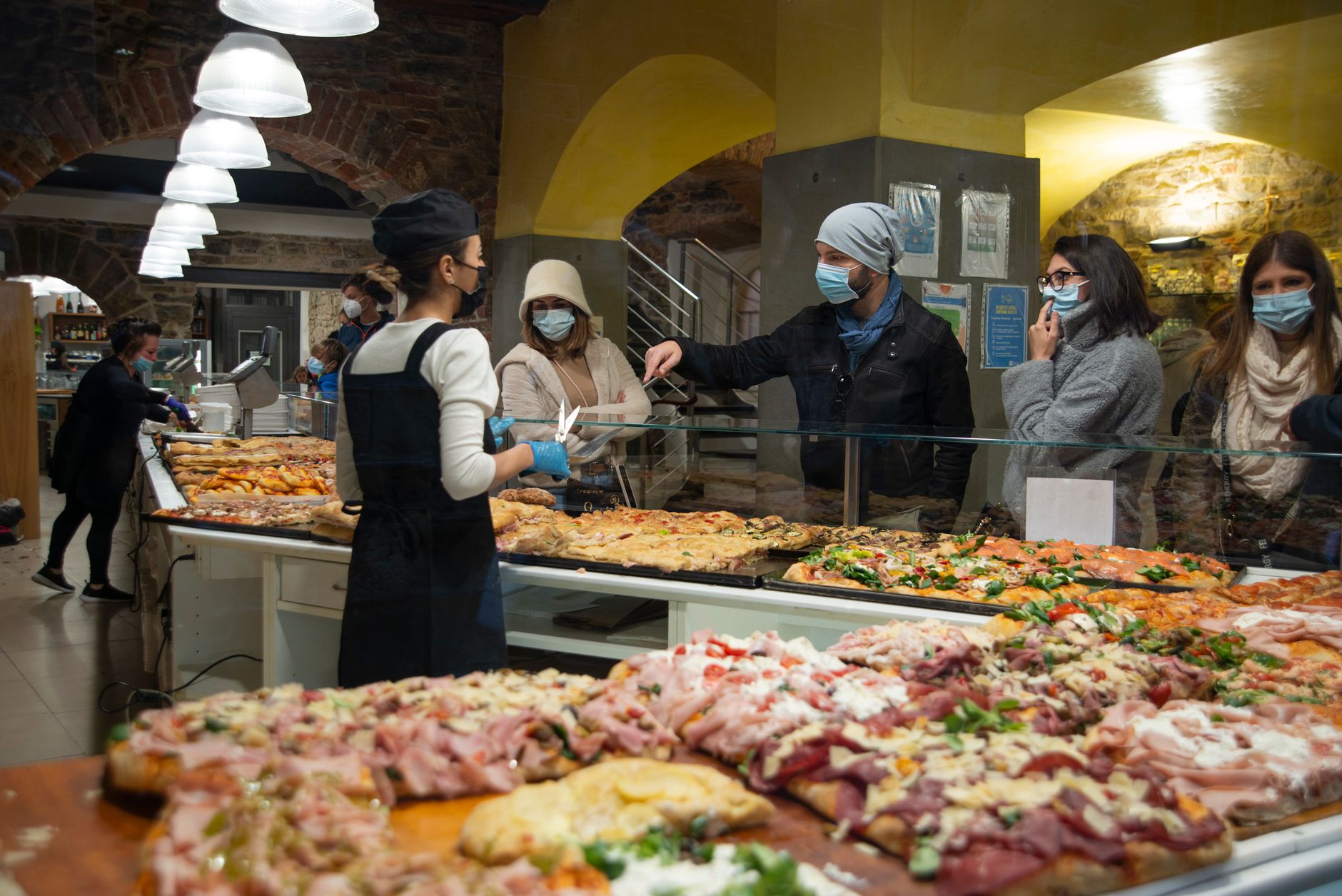
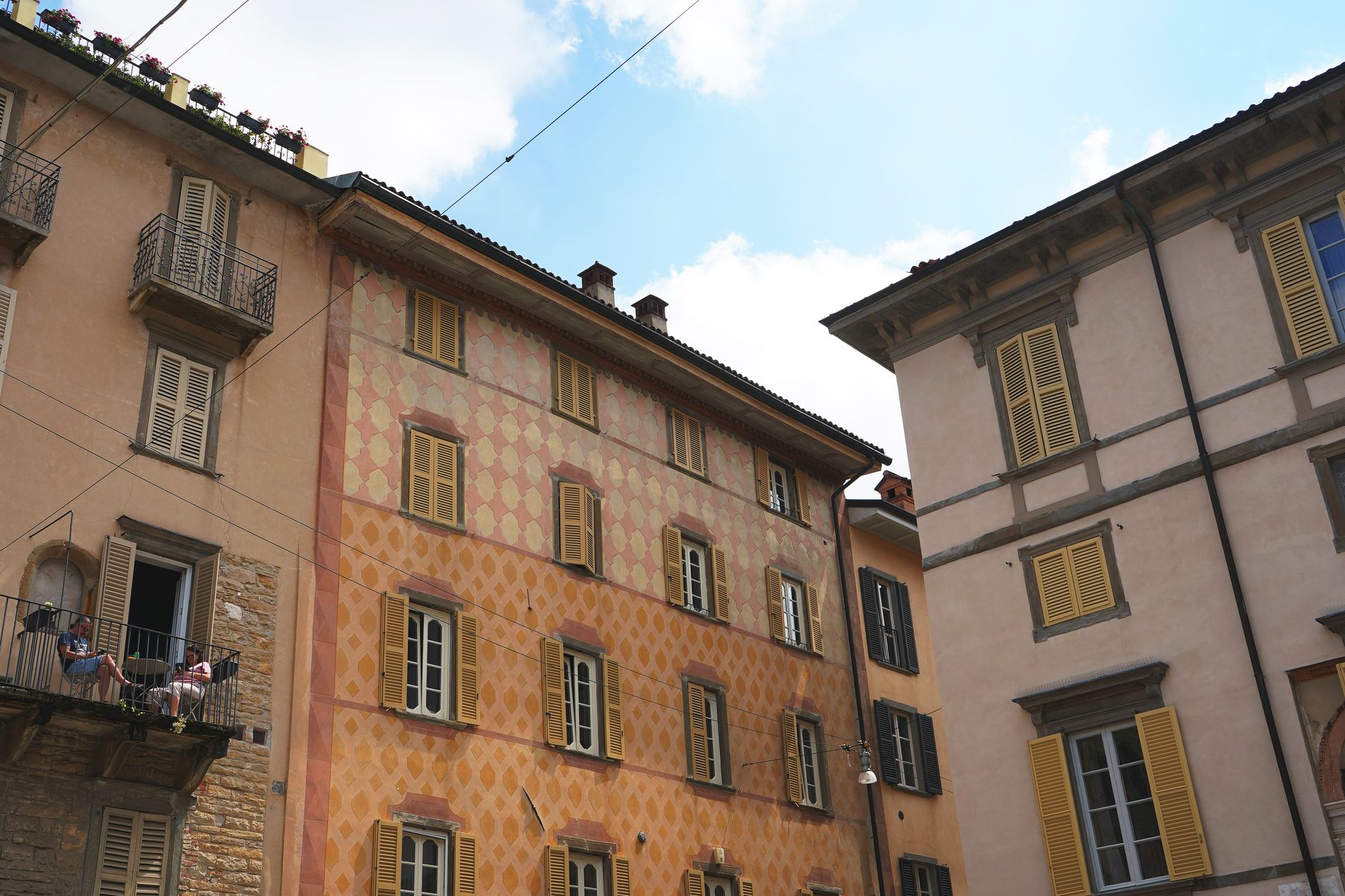
Venetian bastions rise abruptly out of the Po plain, lifting Città Alta into cold alpine air while modern traffic hums below in Città Bassa. The funicular rattles upward every ten minutes, spitting you onto cobblestones laid down long before Milan cast its shadow. Up here, lunch means casoncelli pasta stuffed with beef, amaretti, and pancetta, followed by stracciatella gelato invented down the road at La Marianna.
Last updated 28 Aug 2026
Build a Bergamo itinerary.
Choose up to 4 threads that pull you in. Your plan arrives organised around them.
The Bed
Where to stay in Bergamo
Which part of town to book, and what each one costs you in walking, noise or quiet.
The Comparison
Bergamo, or somewhere near it
The places you are realistically choosing between, and the honest case for each.
The Local Record
Where to read more about Bergamo
The blogs, boards, guides and operators worth bookmarking.
What to do in Bergamo Lombardy Italy
Bergamo splits neatly into two worlds: Città Bassa with its wide nineteenth-century avenues, and Città Alta crowning the hill above. Days revolve around rides up the funicular, strolls along Piazza Vecchia, and slow lunches over polenta taragna. It suits travellers who appreciate unhurried regional art collections, Renaissance stonecraft, and rich Lombard cooking.
24 hours in Bergamo Lombardy Italy
Take the morning funicular up to Città Alta, explore the frescoes inside Santa Maria Maggiore, and walk the Venetian ramparts. Stop for a plate of casoncelli along Via Colleoni, then ride the higher funicular to San Vigilio before dusk settles over the plain. Select 1 Day above to see it.
2 days in Bergamo Lombardy Italy
Spend your second morning down in Città Bassa examining Moroni portraits at Accademia Carrara. Afterwards, wander the quiet Borgo Santa Caterina for cheese tastings, ending with a scoop of original stracciatella gelato at La Marianna near Porta Sant'Alessandro. Choose 2 Days to expand the plan.
3 days in Bergamo Lombardy Italy
A third day allows an easy regional bus into the Val Brembana to admire Liberty-style architecture at San Pellegrino Terme, or a leisurely walk along the terraced vineyards and olive orchards of the Parco dei Colli just outside the city ramparts.
Bergamo Lombardy Italy itineraries by interest
Stuffed Pasta in Bergamo Lombardy Italy
Order casoncelli alla bergamasca, folded around beef, raisins, and amaretti crumbs, then glossed with sage and browned butter at Da Mimmo.
Fortifications in Bergamo Lombardy Italy
Walk the five-kilometre Venetian walls built in the sixteenth century, tracing Porta San Giacomo for views stretching south toward Milan.
Sacred Architecture in Bergamo Lombardy Italy
Compare the ornate Renaissance marble facade of Cappella Colleoni with the quiet Romanesque interior of Santa Maria Maggiore next door.
Old Master Art in Bergamo Lombardy Italy
Browse the Accademia Carrara in Città Bassa for masterworks by Botticelli, Bellini, Raphael, and local portraitist Giovan Battista Moroni.
Artisan Cheese in Bergamo Lombardy Italy
Sample Taleggio, Formai de Mut, and pungent Strachítunt made in the Brembana valleys, paired with crusty bread at Formaggeria Bonaldi.
Historic Transport in Bergamo Lombardy Italy
Ride the 1887 funicular connecting the lower town to Piazza Mercato delle Scarpe, then catch the second car up to San Vigilio castle.
Pastry Traditions in Bergamo Lombardy Italy
Spot bright yellow polenta e osei cakes made with marzipan and chocolate in the windows of Pasticceria Cavour along Via Colleoni.
Alpine Foothills in Bergamo Lombardy Italy
Follow quiet footpaths from Colle Aperto into the Parco dei Colli hills, passing terraced vineyards and chestnut groves outside the walls.
Historic Plazas in Bergamo Lombardy Italy
Sit in Piazza Vecchia beneath the twelfth-century Campanone bell tower, which still tolls one hundred times nightly at ten o'clock.
Modern Art in Bergamo Lombardy Italy
Cross from Carrara to GAMeC, housed in a converted fifteenth-century convent, for contemporary sculpture, video art, and temporary shows.
Regional Wine in Bergamo Lombardy Italy
Taste Valcalepio Rosso, a robust blend of Merlot and Cabernet Sauvignon grown on local slopes, poured at ancient wine bars on Via Gombito.
Valley Excursions in Bergamo Lombardy Italy
Take a regional bus north into the Val Seriana or Val Brembana to explore San Pellegrino Terme and its grand Art Nouveau thermal spa.