Brač.


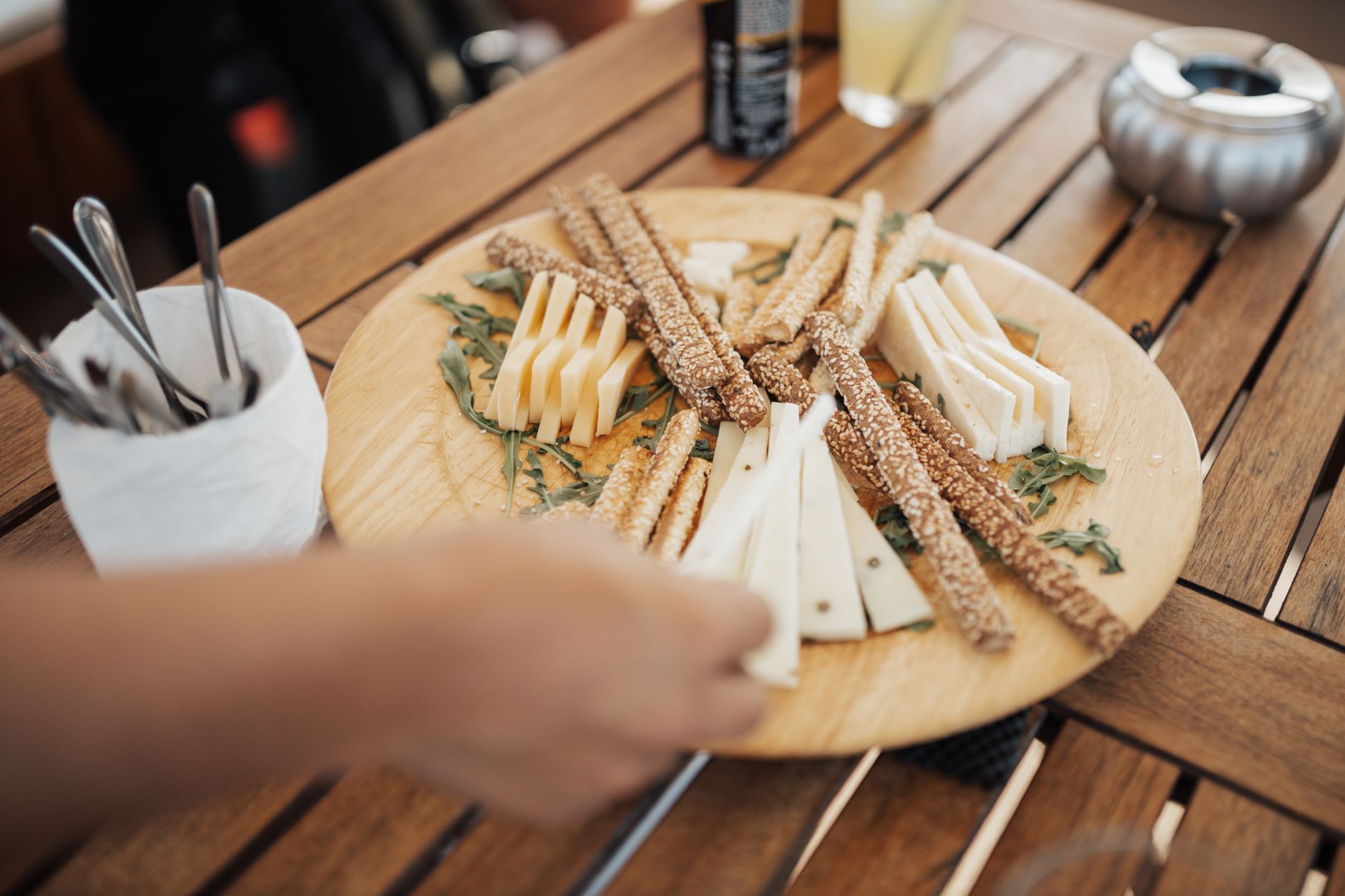
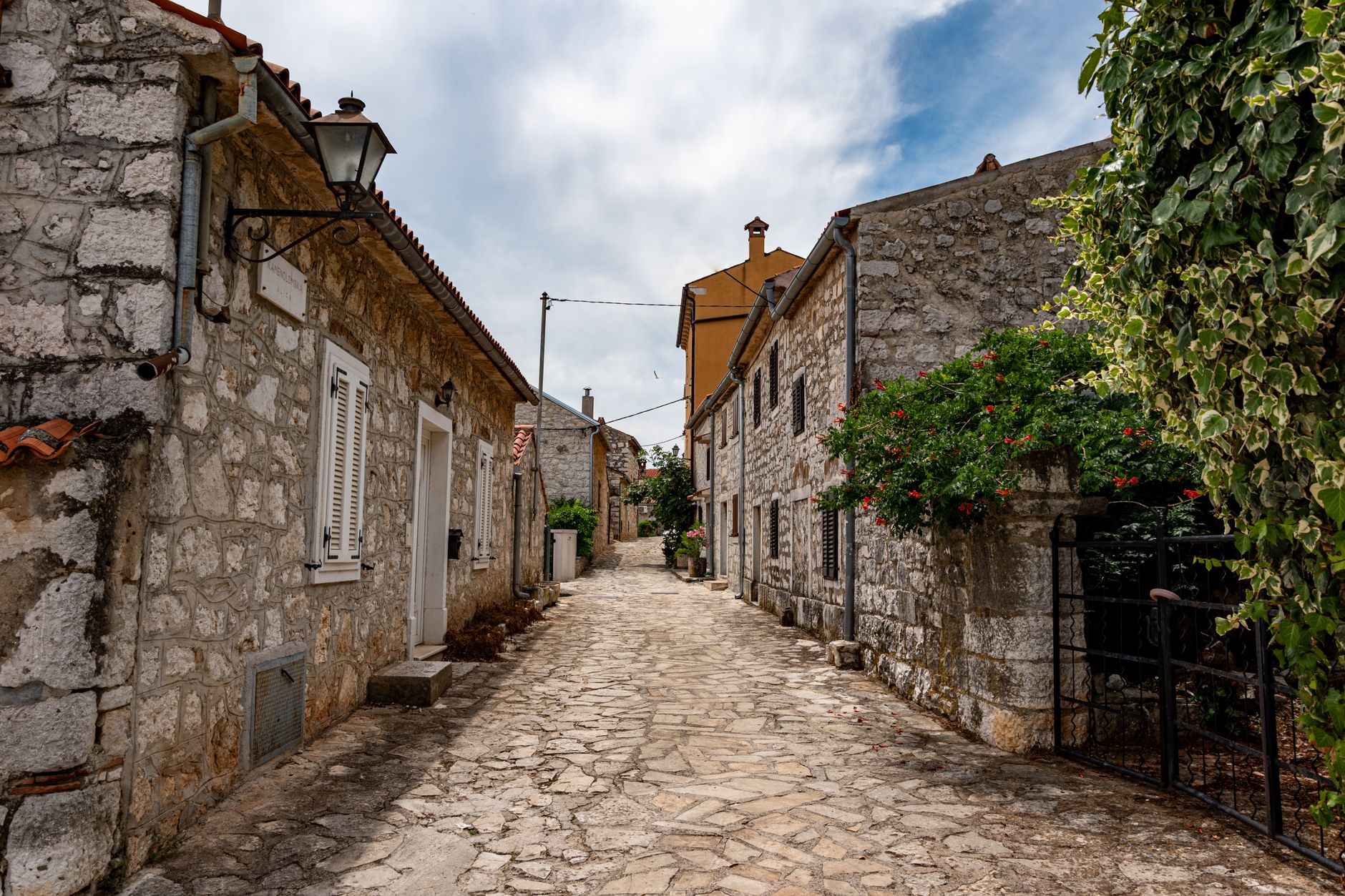
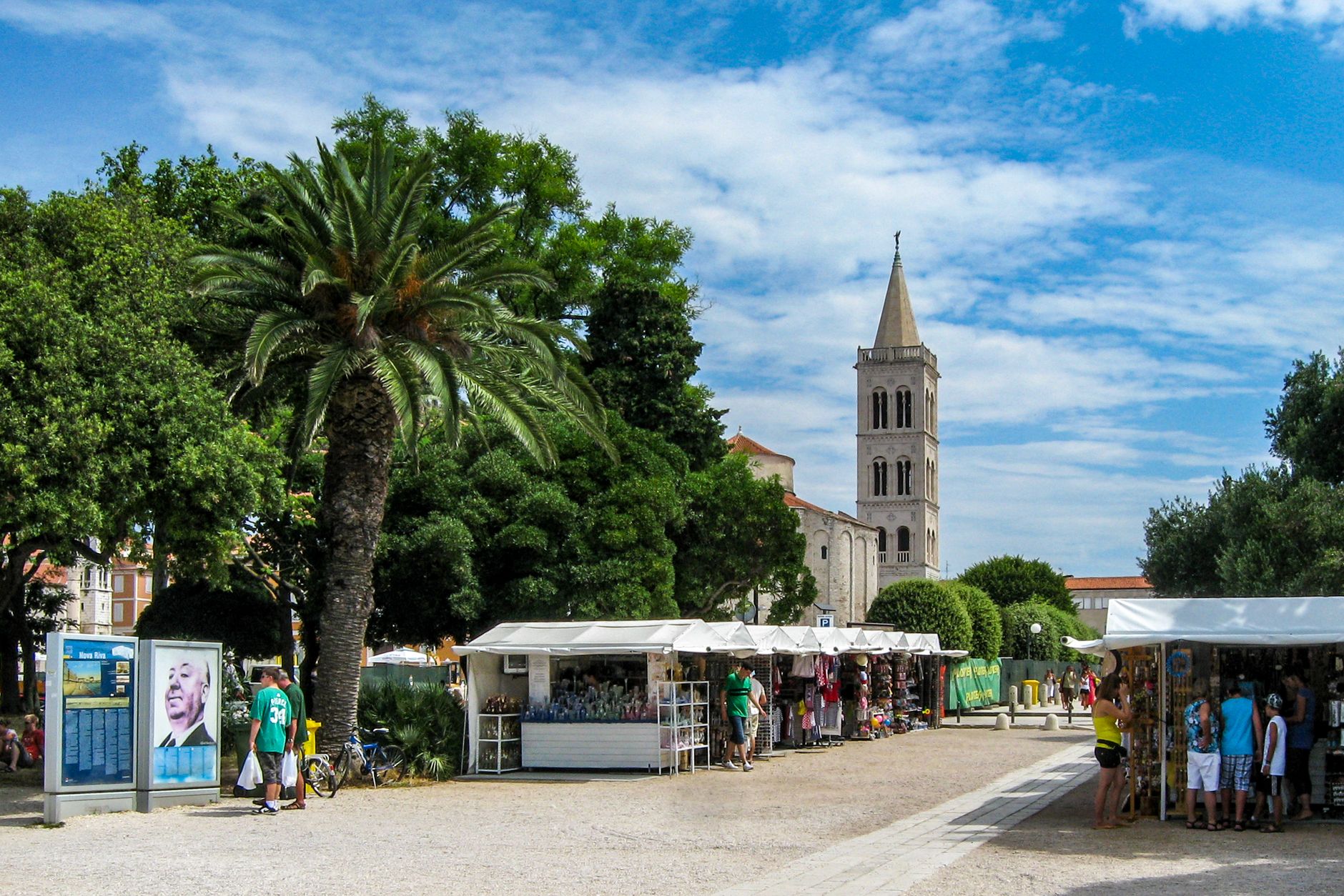
Brač sits fifty minutes across the water from Split by car ferry to Supetar, defined by inland limestone quarries and centuries of olive terraces. The island is known for its pale stone and spit-roasted lamb. Brač is worth visiting if you want to hike limestone ridges, tour stonecutting workshops, and eat peka in rustic inland konobas. Look elsewhere if you want walkable medieval cities with late-night urban bars or sandy, broad mainland beaches.
Last updated 10 Oct 2026
Build a Brač itinerary.
Choose up to 4 threads that pull you in. Your plan arrives organised around them.
The Bed
Where to stay in Brač
Which part of town to book, and what each one costs you in walking, noise or quiet.
The Comparison
Brač, or somewhere near it
The places you are realistically choosing between, and the honest case for each.
The Local Record
Where to read more about Brač
The blogs, boards, guides and operators worth bookmarking.
What to do in Brač Split-Dalmatia Croatia
Life on Brač splits between steep pine-backed harbours and harsh stone uplands. Mornings belong to harbourfront espresso in Supetar or Postira, while afternoons pull you toward the southern coast around Bol or the quiet masonry yards of Pučišća. It suits travellers who prefer renting a car, driving winding inland roads, and sitting down to hearty platters of lamb rather than chasing curated resort luxury.
24 hours in Brač Split-Dalmatia Croatia
Catch the early morning car ferry from Split to Supetar, drive thirty minutes south to Bol, and walk to Zlatni Rat before midday boat tours arrive. For lunch, head up into the hills at Donji Humac for lamb peka booked ahead. Spend your late afternoon admiring pale stone façades in Pučišća before the sunset ferry back. Select 1 Day above to see it.
2 days in Brač Split-Dalmatia Croatia
A second day lets you explore the inland village of Škrip to taste fresh Oblica olive oil, followed by an afternoon hike up Vidova Gora for expansive sea views. In the evening, settle into a harbour tavern in Milna for whole grilled fish and a carafe of cold Pošip wine while watching sailboats tie up at the quay. Choose 2 Days to expand the plan.
3 days in Brač Split-Dalmatia Croatia
With three days, hike the remote dirt trail down to Blaca Hermitage to see the historic cliffside monastery and library. Afterwards, take a slow coastal drive through Postira and Sutivan, stopping at quiet limestone swimming ledges and lingering over walnut hrapoćuša cake in the secluded hamlet of Dol.
Brač Split-Dalmatia Croatia itineraries by interest
Local Seafood in Brač Split-Dalmatia Croatia
Taste grilled orada and dentex drizzled with pungent green olive oil at waterfront konobas in Postira and Sutivan harbour.
Wine & Vineyards in Brač Split-Dalmatia Croatia
Sample robust Plavac Mali and crisp Pošip poured straight from barrel vats in the stone cellars of Bol and Nerežišća.
Meat Traditions in Brač Split-Dalmatia Croatia
Order spit-roasted mountain lamb or vitalac skewered offal wrapped in caul fat at family-run taverns in Donji Humac.
Craft Traditions in Brač Split-Dalmatia Croatia
Visit the stonemasonry school in Pučišća where apprentices shape the famous white limestone using traditional chisels.
Olive Oil in Brač Split-Dalmatia Croatia
Tour the stone press museum in Škrip and taste peppery oils pressed from centuries-old Oblica olive groves across the hills.
Hiking in Brač Split-Dalmatia Croatia
Climb the rocky path from Bol up Vidova Gora to stand at the island's 778-metre crest overlooking the Adriatic archipelago.
Sacred Architecture in Brač Split-Dalmatia Croatia
Trek the limestone gorge to the isolated 16th-century Blaca Hermitage built directly into towering cliff faces by monks.
Beaches in Brač Split-Dalmatia Croatia
Walk the pine-shaded promenade to the shifting pebble spit of Zlatni Rat, or escape to the quiet coves around Murvica.
Coastal Walks in Brač Split-Dalmatia Croatia
Follow the flat stone path between Sutivan and Mirca, passing quiet boat moorings, fig trees, and sun-baked limestone docks.
Village Life in Brač Split-Dalmatia Croatia
Wander past dry-stone walls and 17th-century towers in Škrip, the island's oldest settlement, surrounded by quiet orchards.
Sailing & Boating in Brač Split-Dalmatia Croatia
Charter a skiff out of Milna harbour to navigate the sheltered western bays of Lučice and Bobovišća na Moru.
Baking & Desserts in Brač Split-Dalmatia Croatia
Try hrapoćuša, the rugged Dol walnut cake named after local karst rock, served in village kitchens with herb-infused rakija.