Bressanone.


Bressanone sits 40 minutes north of Bolzano by direct train, functioning as the historic ecclesiastical seat of South Tyrol. It is known for its frescoed medieval cathedral cloisters and steep terraced vineyards producing dry white wines. Bressanone is worth visiting if you want to walk quiet baroque lanes, drink dry Kerner at monastery cellars, and hike mountain pastures without resort crowds. Look elsewhere if you want late-night clubbing, fast coastal warmth, or sprawling urban museums.
Last updated 14 Nov 2026
Build a Bressanone itinerary.
Choose up to 4 threads that pull you in. Your plan arrives organised around them.
The Bed
Where to stay in Bressanone
Which part of town to book, and what each one costs you in walking, noise or quiet.
The Comparison
Bressanone, or somewhere near it
The places you are realistically choosing between, and the honest case for each.
The Local Record
Where to read more about Bressanone
The blogs, boards, guides and operators worth bookmarking.
What to do in Bressanone South Tyrol Italy
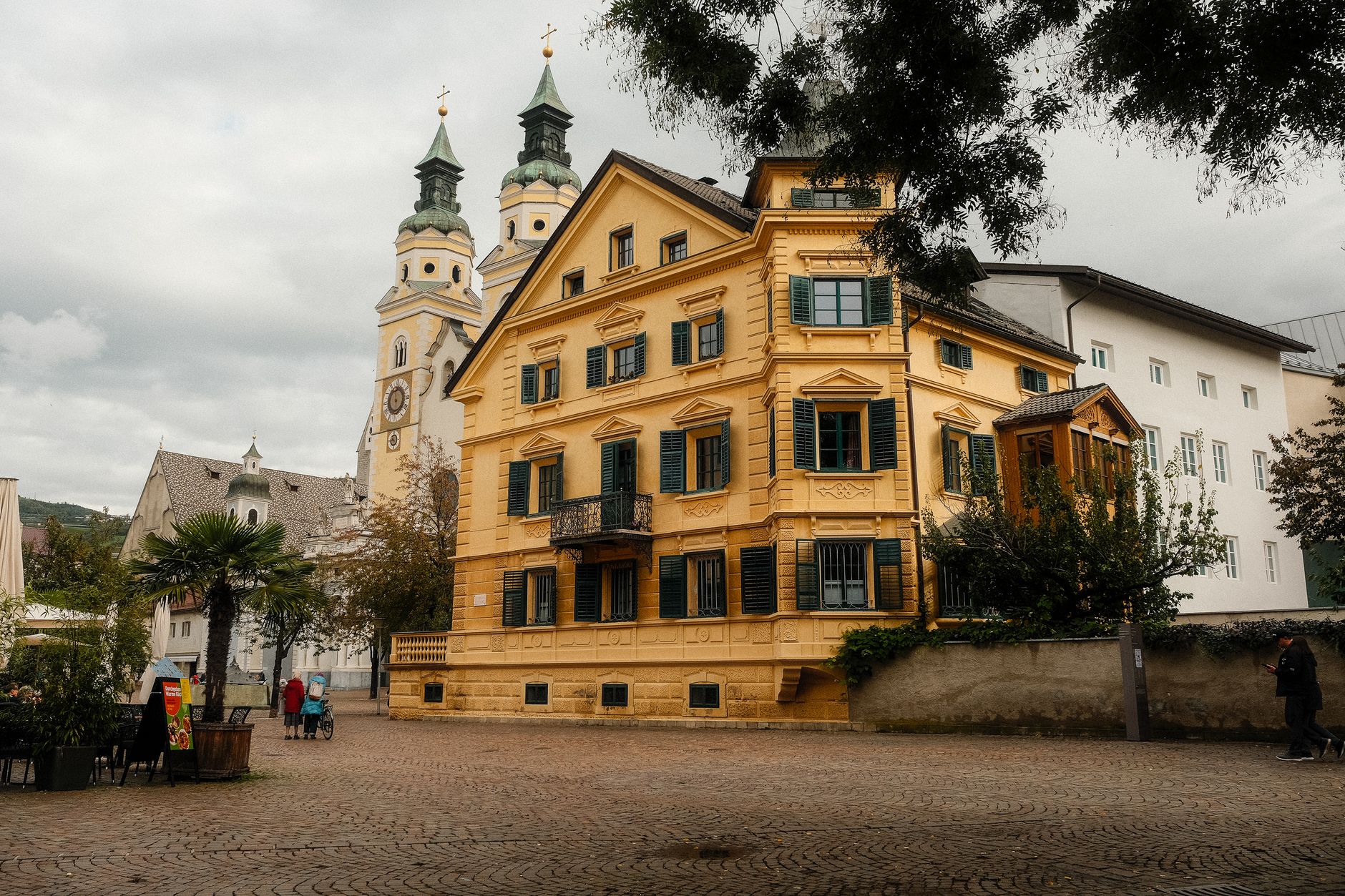
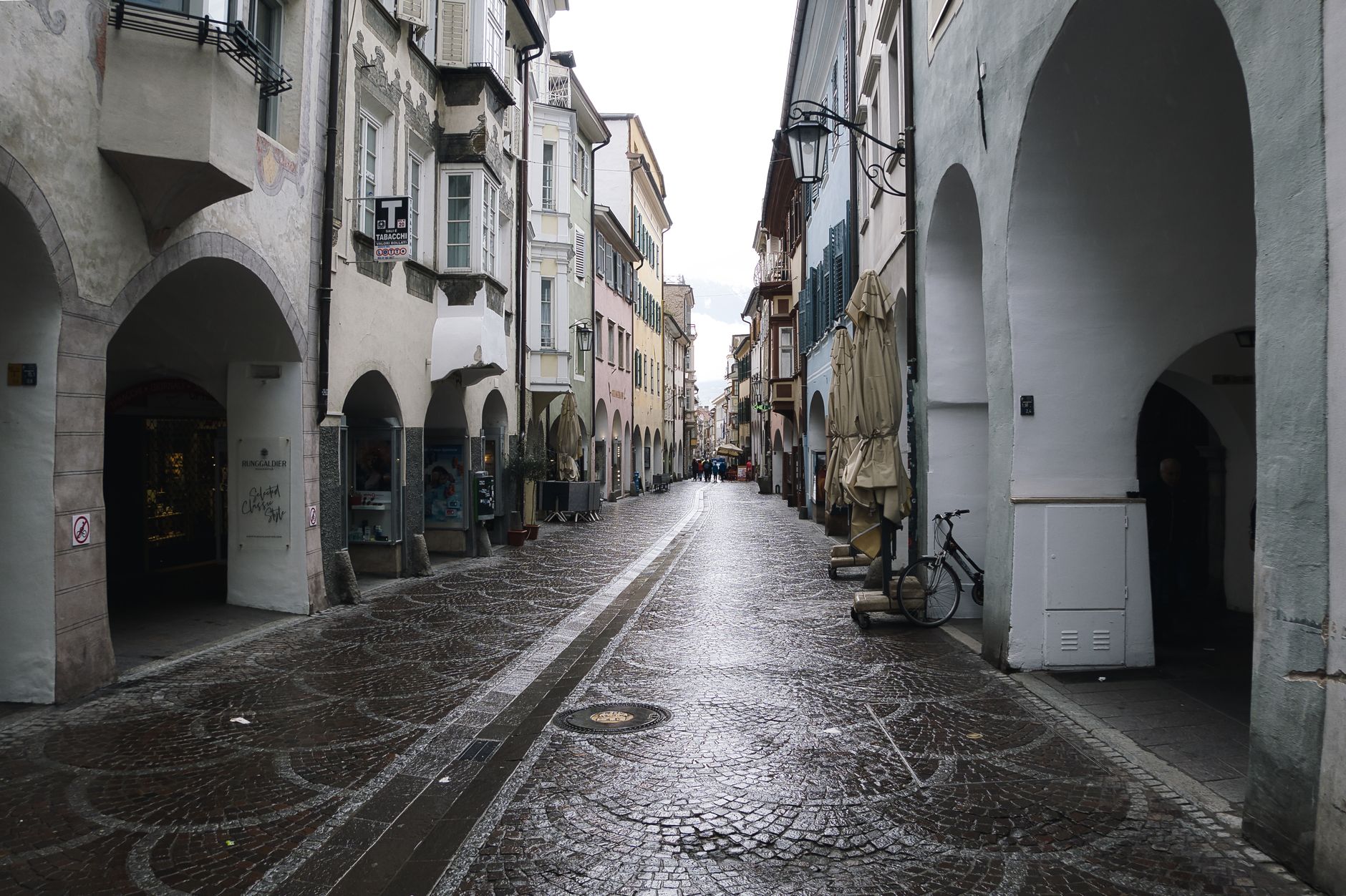
Life in Bressanone settles around the wide square of Piazza Duomo, where German Alpine tradition meets northern Italian rhythm. You spend your hours drifting through pastel arcades, inspecting medieval frescoes, and lingering over carafes of chilled Sylvaner. It suits walkers, wine drinkers, and anyone who prefers crisp mountain air and historical weight over chaotic tour bus schedules.
24 hours in Bressanone South Tyrol Italy
Spend the morning exploring the cloister frescoes at the Duomo and the Hofburg palace. For lunch, order spinach Schlutzkrapfen at a tavern on Via Portici Minori. In the afternoon, walk twenty minutes through vineyards to Neustift Abbey for a tasting, returning for evening wine by the river. Select 1 Day above to see it.
2 days in Bressanone South Tyrol Italy
Day two belongs to Mount Plose. Ride the lift up from Sant'Andrea for high ridge walking and a lunch of dumplings at a mountain hut. Descend in time for an afternoon soak at Acquarena, then cross the river to Stufels, the town's oldest quarter, for a dinner of braised beef and local Lagrein. Choose 2 Days to expand the plan.
3 days in Bressanone South Tyrol Italy
With three days, catch the regional bus to the granite tunnels of Fortezza Fortress or bike south through apple orchards to Chiusa and Sabiona Abbey. You can linger over farm-stand speck and hard mountain cheeses without checking the train schedule every twenty minutes.
Bressanone South Tyrol Italy itineraries by interest
Alpine Wine in Bressanone South Tyrol Italy
Sip mineral-driven Sylvaner, Kerner, and Müller-Thurgau grown on the steep granite slopes of the Valle Isarco and poured in ancient cellars.
Sacred Architecture in Bressanone South Tyrol Italy
Examine fourteenth-century Romanesque-Gothic frescoes in the cathedral cloister and explore the ornate stucco inside the Prince-Bishops Hofburg.
Regional Dining in Bressanone South Tyrol Italy
Order speck-filled canederli dumplings, herb-crusted Schlutzkrapfen ravioli, and braised venison at wood-panelled Stuben across the old town.
Mountain Hiking in Bressanone South Tyrol Italy
Ride the cable car up Mount Plose to hike high panoramic trails overlooking the jagged peaks of the Odle and Peitlerkofel massifs.
Monastic History in Bressanone South Tyrol Italy
Tour the Augustinian Abbey of Novacella, founded in 1142, with its rococo library, Gothic cloister, and working estate winery.
Old Town Walks in Bressanone South Tyrol Italy
Walk through the medieval Portici arcades, past the Gothic White Tower and along the peaceful riverside promenade of the Isarco.
Local Bakeries in Bressanone South Tyrol Italy
Pick up caraway-scented Vinschger Paarl rye flatbread, crusty Schüttelbrot, and warm apple strudel from family-run bakeries near Piazza Duomo.
Winter Sports in Bressanone South Tyrol Italy
Ski the nine-kilometre Trametsch run on Mount Plose, or take sledging tracks down through snow-covered stone pine forests.
Thermal Bathing in Bressanone South Tyrol Italy
Soak sore legs in the indoor and outdoor pools, saunas, and salt baths of Acquarena, right beside the historic centre.
Farm Markets in Bressanone South Tyrol Italy
Browse Saturday morning stalls on Hartmannsplatz for cured Alpine speck, mountain pasture cheeses, honey, and seasonal apricots.
Riverside Cycling in Bressanone South Tyrol Italy
Follow the paved Brennero-Bolzano cycle path south along the river Isarco, pedalling past apple orchards and terraced vineyards.
Fortresses & Castles in Bressanone South Tyrol Italy
Take a short bus ride to the massive Franzensfeste fortress, a nineteenth-century granite stronghold built by the Habsburg Empire.