Buzet.



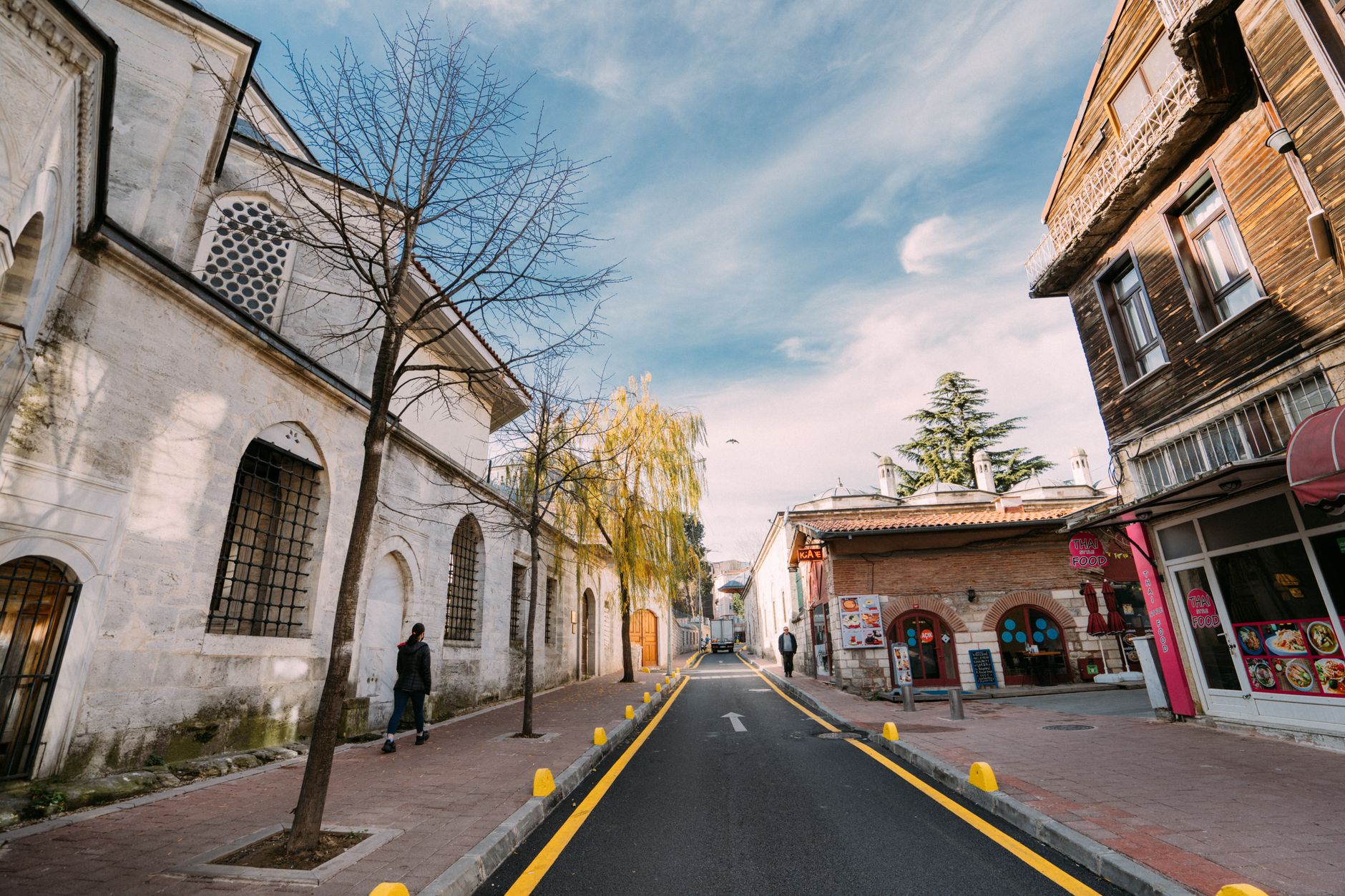
Buzet sits forty-five minutes southeast of Trieste and an hour north of Pula by car, perched over the Mirna River valley. It is known across Istria for autumn white truffles and its sixteenth-century limestone fortifications. Buzet is worth visiting if you want to eat fresh subterranean fungi shaved over buttered fuži pasta and walk quiet medieval ramparts without tour buses. Look elsewhere if you want sandy beaches, late-night cocktail bars, or reliable public transit between villages.
Last updated 19 Oct 2026
Build a Buzet itinerary.
Choose up to 4 threads that pull you in. Your plan arrives organised around them.
The Bed
Where to stay in Buzet
Which part of town to book, and what each one costs you in walking, noise or quiet.
The Comparison
Buzet, or somewhere near it
The places you are realistically choosing between, and the honest case for each.
The Local Record
Where to read more about Buzet
The blogs, boards, guides and operators worth bookmarking.
What to do in Buzet Istria County Croatia
Life in Buzet divides neatly between the modern lower settlement and the sleepy sixteenth-century citadel on the hill. Mornings are for climbing past the stone gatehouse for valley views, afternoons belong to truffle hunts in the Motovun forest, and evenings resolve over terracotta carafes of Teran. It suits slow travellers, hill walkers, and anyone who prefers damp forest earth and cast-iron cookware over coastal resorts.
24 hours in Buzet Istria County Croatia
Climb to the Old Town by nine before the heat settles, inspecting the Venetian bastions and quiet courtyards. Drive ten minutes to Vrh for a lunch of buttered fuži with black truffles at Konoba Vrh. Spend late afternoon walking the start of the Mirna River trail, then finish with mistletoe biska at a low-key town tavern. Select 1 Day above to see it.
2 days in Buzet Istria County Croatia
Tackle the fourteen-kilometre Seven Waterfalls Trail from the Sveti Ivan waterworks, crossing wooden footbridges beside turquoise pools. Reward tired legs with slow-cooked boškarin beef cheeks and a bottle of chilled Malvazija in Roč, followed by a quiet stroll along its ancient Glagolitic stone avenue. Choose 2 Days to expand the plan.
3 days in Buzet Istria County Croatia
Head deeper into the interior. Drive fifteen minutes south to the tiny fortified enclave of Hum, then wander the natural limestone cauldrons and defunct watermill at Kotli. An unhurried afternoon leaves time for olive oil tastings at family estates tucked along the winding road back through Sovinjak.
Buzet Istria County Croatia itineraries by interest
Foraged Foods in Buzet Istria County Croatia
Autumn white truffles (Tuber magnatum) and summer black tubers shaved over homemade pljukanci at traditional konobas across the valley.
Wine & Vineyards in Buzet Istria County Croatia
Family cellars like Vina Sirotić pouring crisp, mineral-forward Istrian Malvazija and peppery Teran grown on gray limestone soil.
Hiking in Buzet Istria County Croatia
The Seven Waterfalls Trail (Staza sedam slapova) follows the Mirna and Draga rivers past rock pools and abandoned stone hamlets.
Fortified Towns in Buzet Istria County Croatia
Limestone bastions, the 1547 Great Gate, and quiet residential alleys winding up to the parish church of the Assumption of Mary.
Olive Oil in Buzet Istria County Croatia
Small presses milling native Buža and Bjelica olives into peppery, green oils available for cellar tastings and farm visits.
Rock Climbing in Buzet Istria County Croatia
Limestone crags at Buzetski Kanjon and Istarske Toplice offering hundreds of bolted sport routes across varied grades.
Local Distillates in Buzet Istria County Croatia
Traditional rakija distilleries like Aura producing Biska mistletoe brandy, wild apple liqueur, and aged grape marc.
Sacred Architecture in Buzet Istria County Croatia
The Romanesque chapel of St. George and early Christian fresco remnants hidden in surrounding upland hamlets like Roč.
Day Trips in Buzet Istria County Croatia
A fifteen-minute drive to Hum, the world's smallest town, or to Kotli to see old watermills over stone river basins.
Craft Traditions in Buzet Istria County Croatia
Copper stills, stone masonry, and local producers curing Istrian pršut ham in the dry winter Bura wind.
River Walks in Buzet Istria County Croatia
Shaded paths along the Mirna River flats, quiet fishing spots, and easy strolls beneath the northern cliff faces.
Traditional Dining in Buzet Istria County Croatia
Taverns serving maneštra bean soup, wild asparagus fritajas, and slow-roasted veal under the peka iron bell.