
,_Porto_de_C%C3%A2mara_de_Lobos_--_2025_--_1898.jpg)
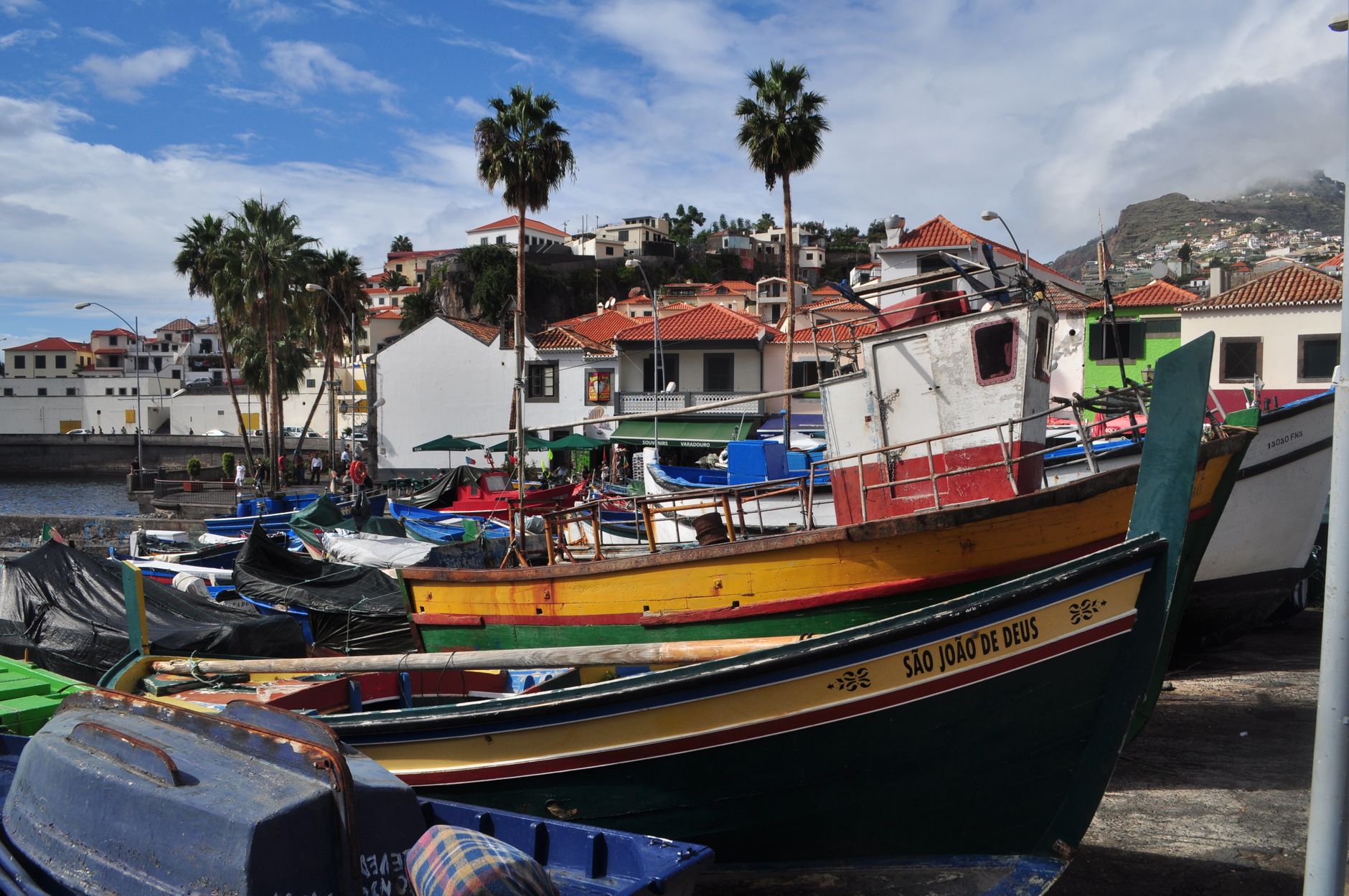
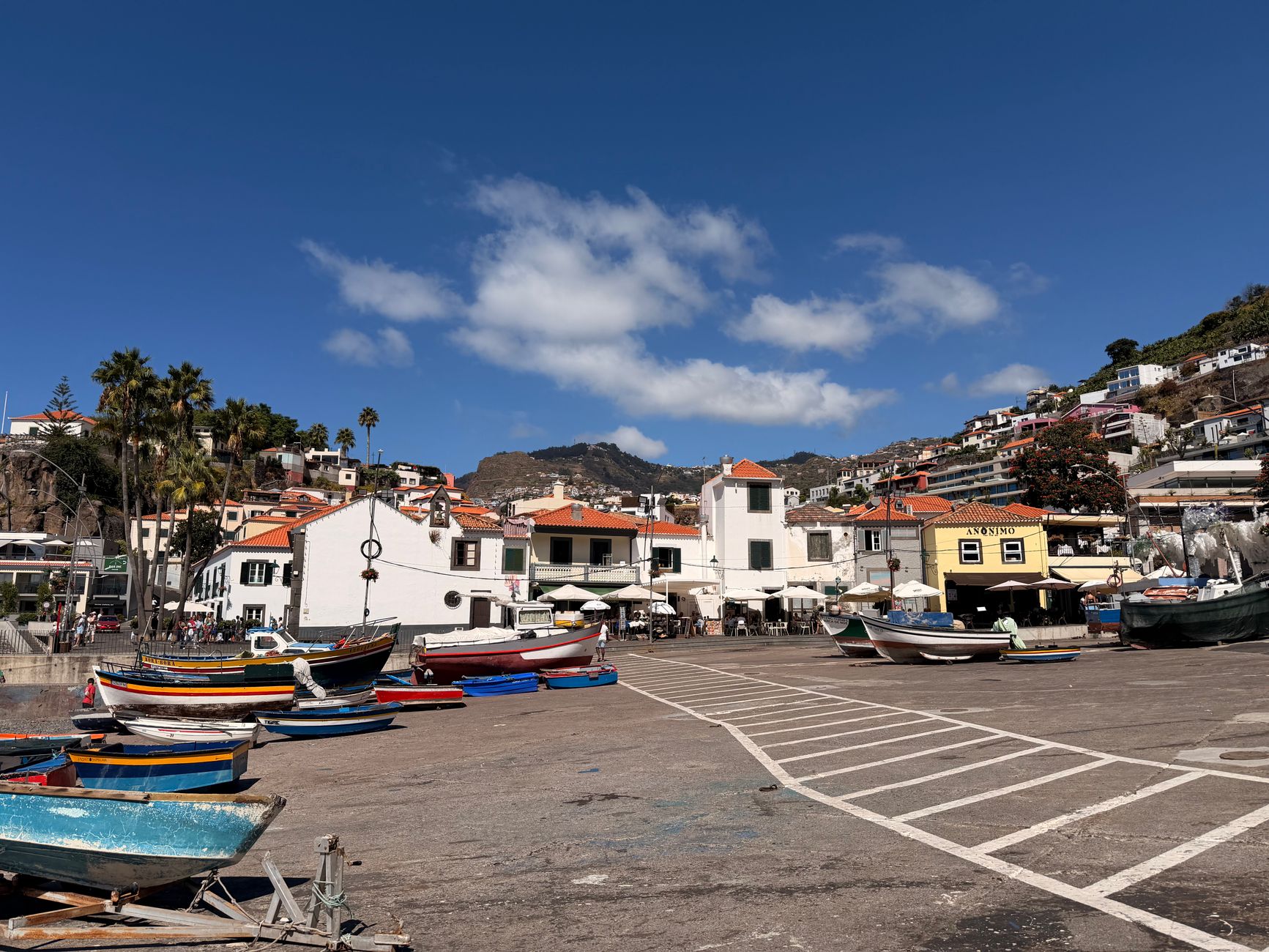
Câmara de Lobos sits nine kilometres west of Funchal, an easy fifteen-minute drive along the VR1 highway. The town is built around a working fishing bay known for landing black scabbardfish and serving fresh citrus poncha in tiny harbour taverns. Câmara de Lobos is worth visiting if you want to eat espada landed that morning and watch crews paint wooden xavelha boats. Look elsewhere if you want sandy beaches, level walking ground, or late-night resort clubs.
Last updated 22 Sept 2026
Build a Câmara de Lobos itinerary.
Choose up to 4 threads that pull you in. Your plan arrives organised around them.
The Bed
Where to stay in Câmara de Lobos
Which part of town to book, and what each one costs you in walking, noise or quiet.
The Comparison
Câmara de Lobos, or somewhere near it
The places you are realistically choosing between, and the honest case for each.
The Local Record
Where to read more about Câmara de Lobos
The blogs, boards, guides and operators worth bookmarking.
What to do in Câmara de Lobos Madeira Portugal
Life here clusters tightly around the harbour basin, where working crews repair nets in the morning and taverns squeeze fresh lemons for poncha by afternoon. Steep volcanic amphitheatre walls covered in banana plants and Tinta Negra vines frame the bay. It suits travellers who prefer salty dockside reality and unpretentious fish taverns over polished resort concierges.
24 hours in Câmara de Lobos Madeira Portugal
Start early by the slipway watching the xavelha boats unload, then walk the coastal path out to the Ilhéu gardens. Have espada preta and grilled lapas along Rua de São João de Deus for lunch, take a ten-minute taxi to the Cabo Girão skywalk, and finish with cold poncha at a dockside counter. Select 1 Day above to see it.
2 days in Câmara de Lobos Madeira Portugal
Spend day two heading inland to Estreito de Câmara de Lobos. Walk a quiet stretch of the Levada do Norte through steep hillside vineyards, then sit down for espetada skewered on bay laurel branches at an uphill grill house, washed down with dry Madeira wine. Choose 2 Days to expand the plan.
3 days in Câmara de Lobos Madeira Portugal
A third day allows for riding the cliffside cable car down to Fajã dos Padres for a slow swim in clear Atlantic water and lunch under mango trees. Return via Quinta Grande to explore rural farm tracks and quiet chapel squares without checking the clock.
Câmara de Lobos Madeira Portugal itineraries by interest
Local Seafood in Câmara de Lobos Madeira Portugal
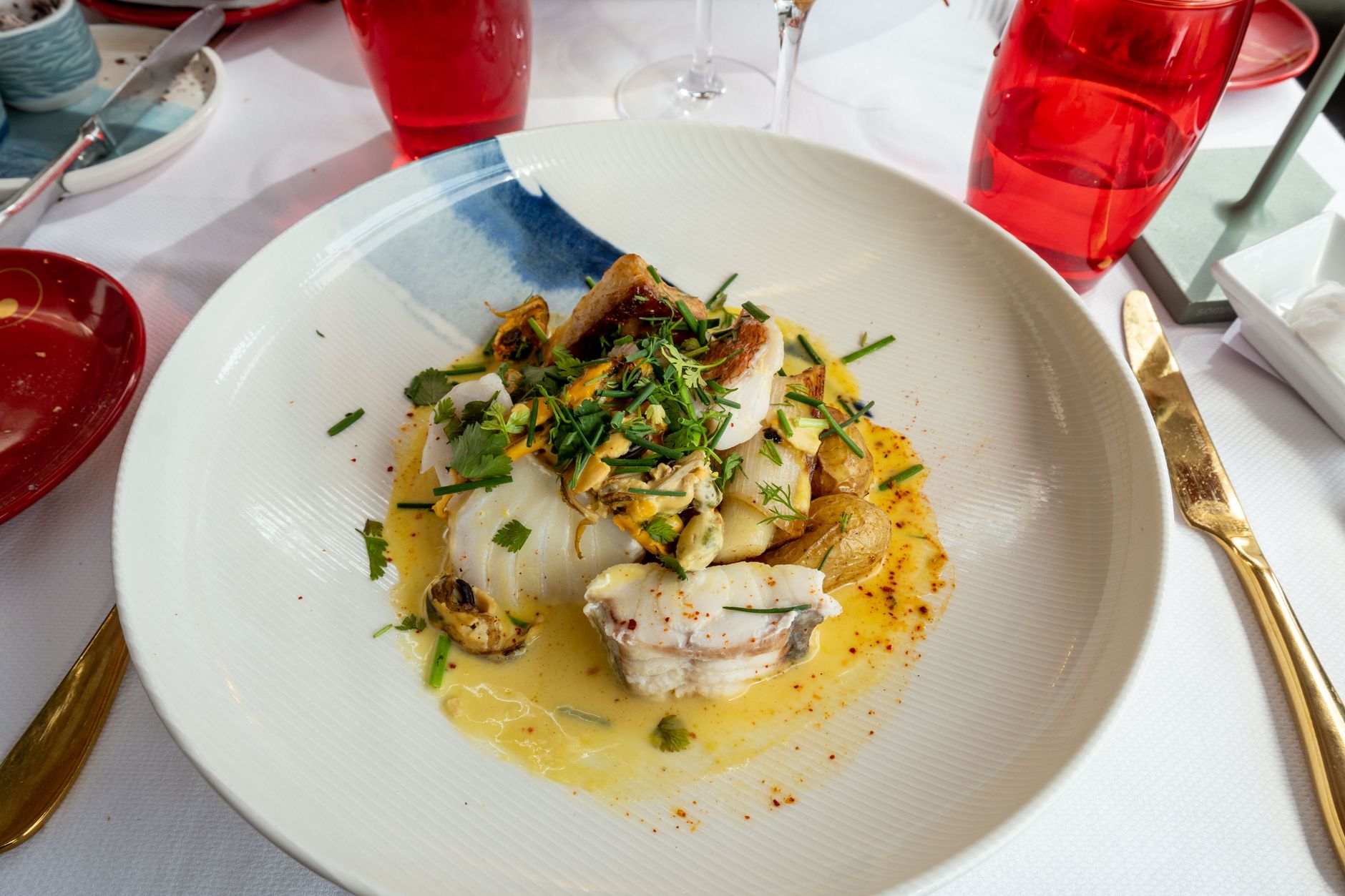
Order espada preta fried with banana or maracujá, grilled limpets in garlic butter, and dried salted shark (gata) hung near the harbour.
Tavern Culture in Câmara de Lobos Madeira Portugal
Drink freshly muddled poncha regional made with aguardente de cana, honey, and lemon juice at classic watering holes along Rua de São João de Deus.
Coastal Walks in Câmara de Lobos Madeira Portugal
Follow the seaside promenade toward Praia Formosa or climb the steps of the Ilhéu headland for clear sightlines across the working harbour.
Cliff Views in Câmara de Lobos Madeira Portugal
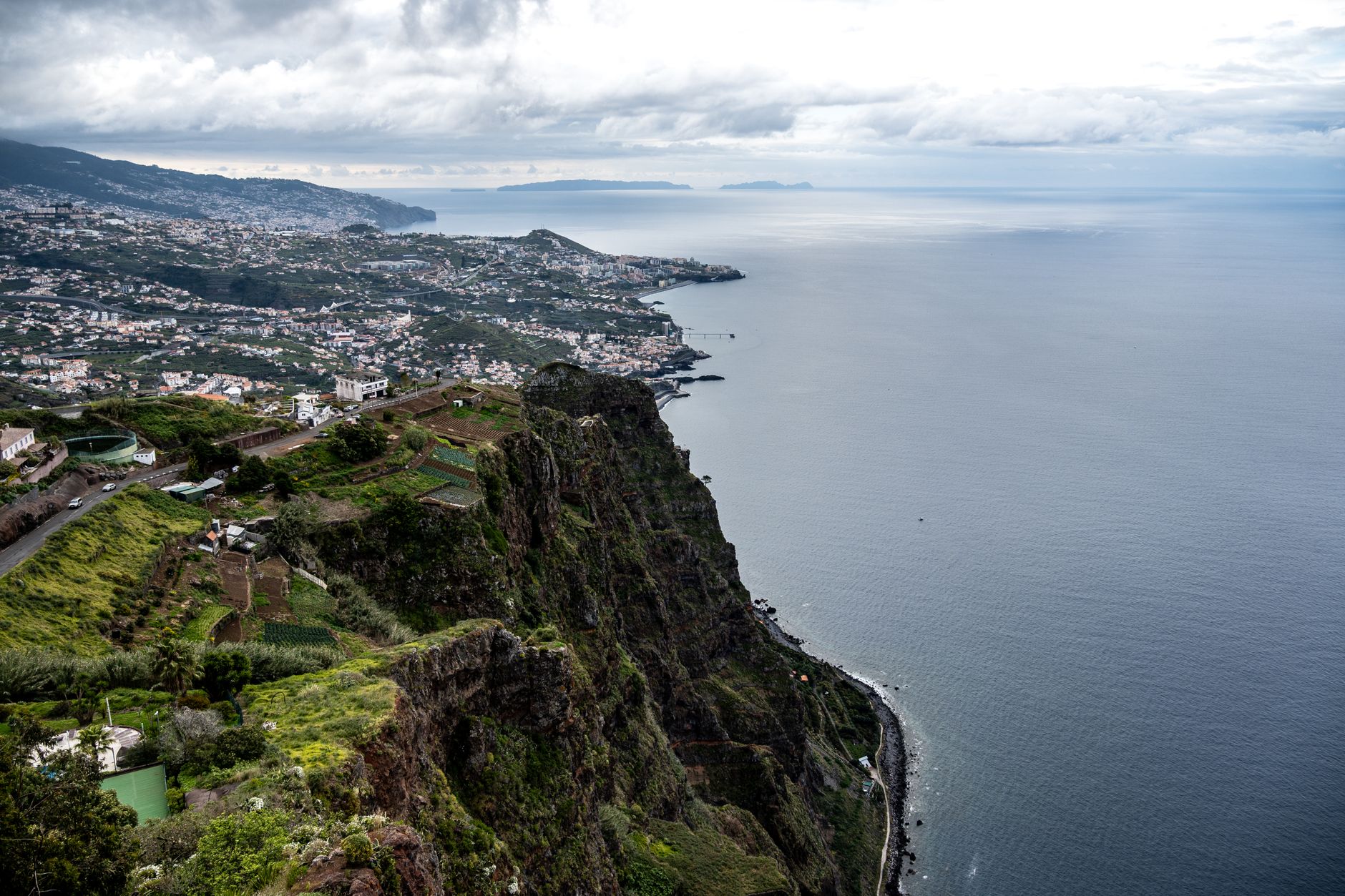
Head four kilometres west to Cabo Girão to stand on the glass skywalk suspended 580 metres directly above the crashing Atlantic surf.
Wine & Vineyards in Câmara de Lobos Madeira Portugal
Spot terraced Tinta Negra vines clinging to vertical volcanic basalt slopes rising directly behind the town's red-tiled rooftops.
Maritime Traditions in Câmara de Lobos Madeira Portugal
Inspect colourful wooden xavelha boats dry-docked on the slipway, built specifically to drop deep-water longlines for scabbardfish.
Sacred Architecture in Câmara de Lobos Madeira Portugal
Step into the 15th-century Capela de Nossa Senhora da Conceição to see gilded woodcarvings and paintings dedicated to local fishermen.
Cable Car Rides in Câmara de Lobos Madeira Portugal
Board the Teleférico das Fajãs do Cabo Girão to descend sheer sea cliffs to isolated agricultural plots cultivated at sea level.
Historic Squares in Câmara de Lobos Madeira Portugal
Rest on the benches of Praça da Autonomia, surrounded by pastel facades, small coffee counters, and old card games played under the trees.
Levada Walks in Câmara de Lobos Madeira Portugal
Hike the Levada do Norte trail starting near Estreito de Câmara de Lobos for gentle walking through terraced vineyards and banana groves.
Regional Meat in Câmara de Lobos Madeira Portugal
Drive ten minutes uphill to Estreito to eat espetada, skewered beef rubbed with bay leaf and rock salt roasted over open laurel wood coals.
Public Art in Câmara de Lobos Madeira Portugal
Search the alleyways for wall murals and marine animal sculptures constructed entirely from recycled ocean plastics and discarded tin cans.