


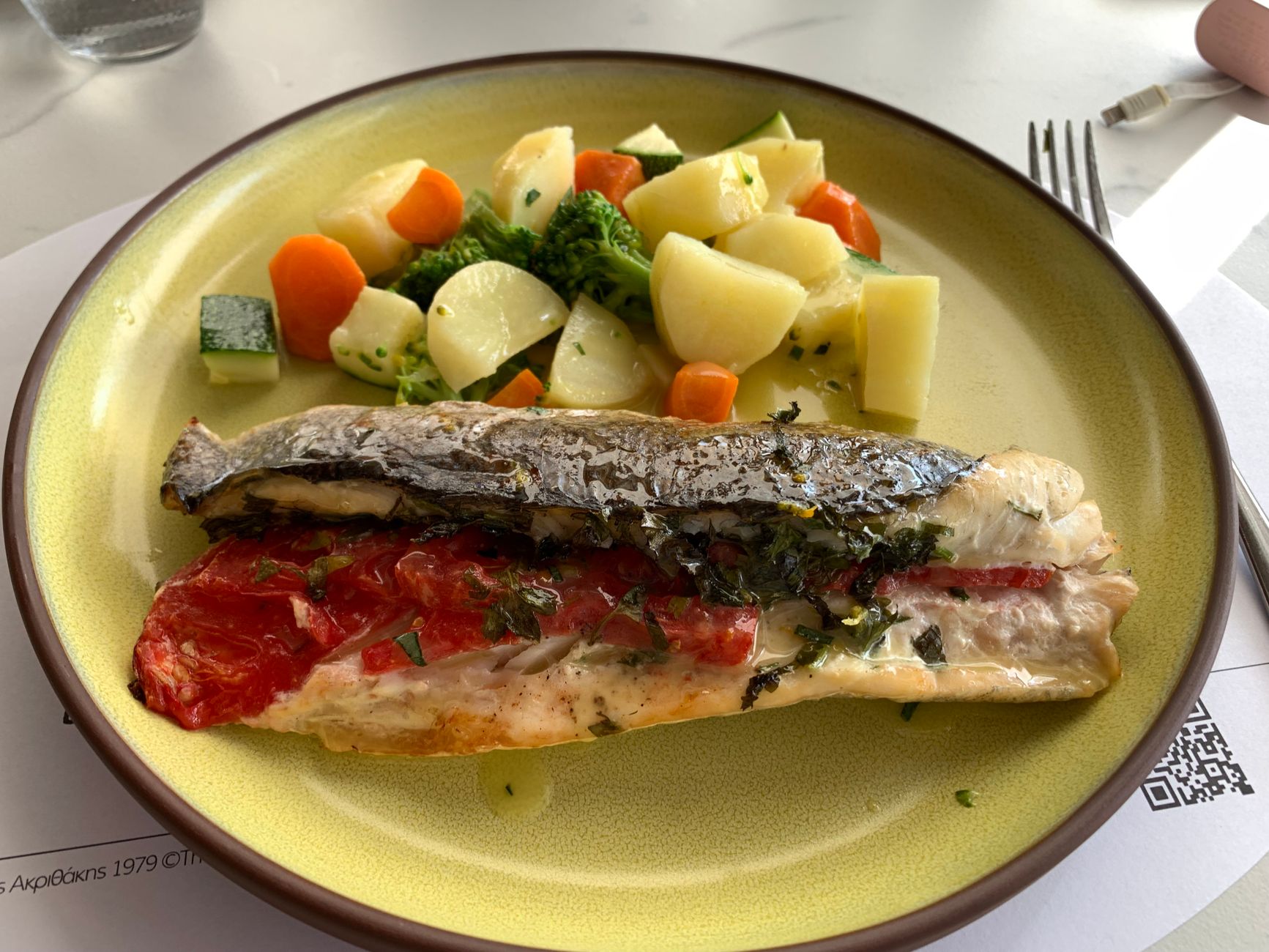
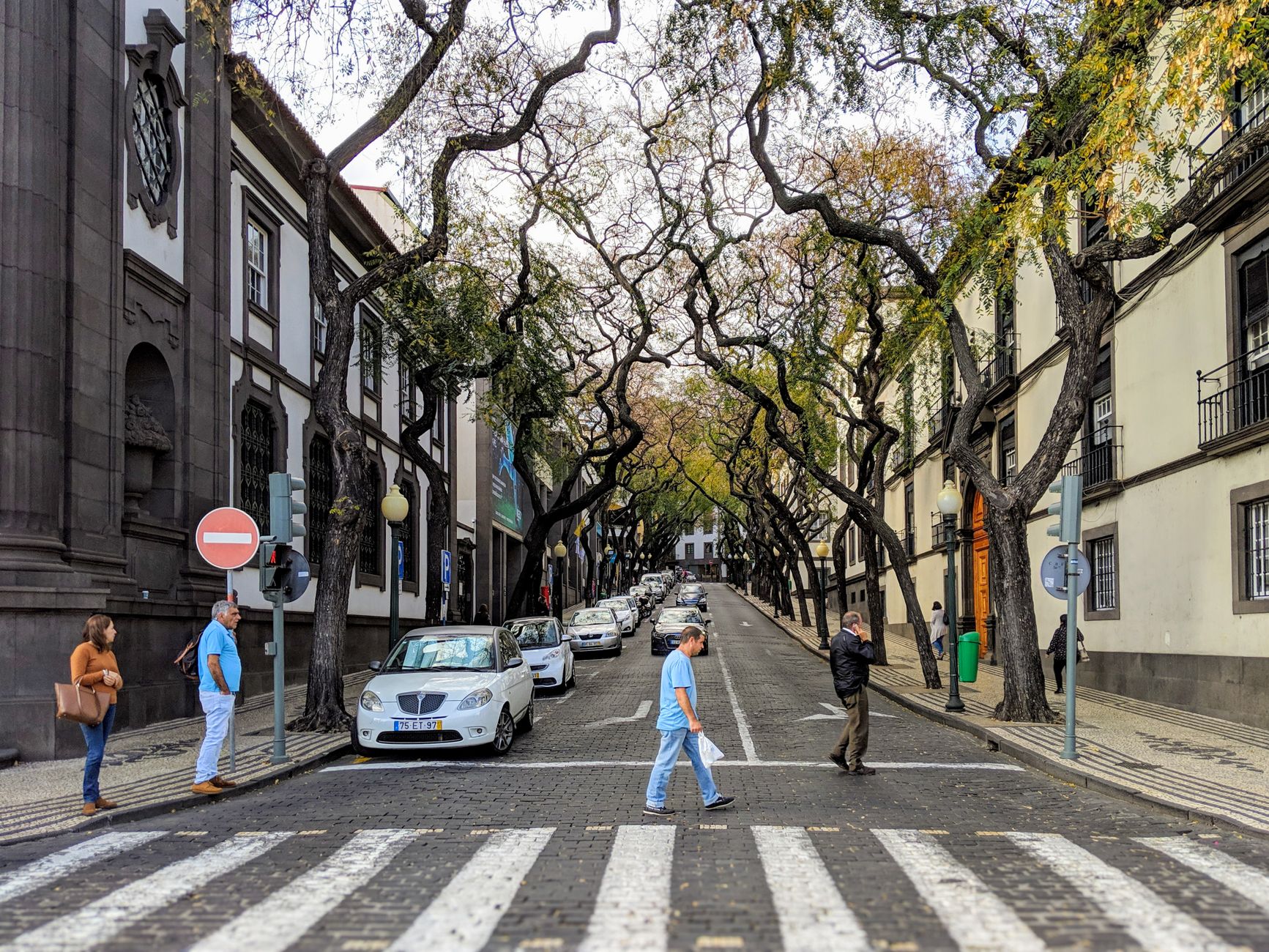
Funchal tilts steeply into the Atlantic, smelling of salt spray, diesel fumes, and bruised bay leaves. The pavements underfoot are black-and-white basalt mosaics that look handsome and test your ankles on the descent. Down by the harbour, fishermen gut monstrous black scabbard fish beside piles of passionfruit. Up in the old wine lodges, Sercial and Malmsey age in seasoned oak casks, undisturbed since the nineteenth century. It is a working port city that earns its afternoon rest.
Last updated 22 Aug 2026
Build a Funchal itinerary.
Choose up to 4 threads that pull you in. Your plan arrives organised around them.
We'll craft a 3-lens plan for Funchal, one collapsible strand per lens.
Hiking
Follow Levada do Bom Sucesso up through eucalyptus groves to Monte, or catch an early minibus to Pico do Arieiro for ridge trails through ragged volcanic peaks.
Hiking
Follow Levada do Bom Sucesso up through eucalyptus groves to Monte, or catch an early minibus to Pico do Arieiro for ridge trails through ragged volcanic peaks.
Volcanic Cliffside Ridge Walk
Vereda da Ponta de São Lourenço (PR8)
Arrive before the tour vans at nine. The four-kilometer trail costs two euros via the regional portal, and windproof layers are mandatory on the exposed ridge.
Editor TipCarved from basalt and red tuff, this semi-arid eastern peninsula reveals Madeira's volcanic spine, unshaded by the laurel forests that cover the central peaks. Turn back at Cais do Sardinha if the crosswinds whip up; you have proved your point.
Historic Forts
Explore the ochre ramparts of the 17th-century Fortaleza de São Tiago in the old quarter, built to repel privateers and now housing quiet sea-view terraces.
Historic Forts
Explore the ochre ramparts of the 17th-century Fortaleza de São Tiago in the old quarter, built to repel privateers and now housing quiet sea-view terraces.
Climbing Seventeenth-Century Ramparts
Fortaleza de São João Baptista do Pico
Hike twenty minutes steeply uphill from the marina via Calçada de Santa Clara. Entry to the parapets is free, open from 09:00. Budget forty minutes to catch your breath and take in the bay.
Editor TipBuilt in the early 1600s to repel privateers, this basalt citadel guarded the island's sugar and wine trade. The steep climb provides a swift, honest lesson in Funchal's brutal topography. Wear shoes with grip; the basalt calçada stones are polished like ice even on completely dry mornings.
Seventeenth-Century Coastal Bastions
Forte de Nossa Senhora do Amparo
Walk right into this triangular stone fort overlooking Machico bay. Admission is free, open weekdays from 09:00 to 17:00, and takes twenty quiet minutes to inspect the coastal ramparts.
Editor TipBuilt in 1706 to defend against privateers and Barbary corsairs, this modest stone battery anchored Madeira's eastern defensive line where Portuguese caravels first landed in 1419. Look through the seaward embrasures for the clearest perspective on how vulnerable the gravel bay once was from the water.
Local Spirits
Order traditional poncha mixed with sugar cane aguardente, honey, and fresh orange juice at a neighbourhood taberna, pounded to order with a wooden mexelote stick.
Local Spirits
Order traditional poncha mixed with sugar cane aguardente, honey, and fresh orange juice at a neighbourhood taberna, pounded to order with a wooden mexelote stick.
Tasting Cask-Aged Verdelho
Pereira d'Oliveira
Drop into the Rua dos Ferreiros lodge without reservations. Informal tastings from the wooden casks start at no charge, with older vintages priced by the glass.
Editor TipIndependent producers have aged fortified wines here since 1850 using the canteiro method, maturing barrels under natural attic warmth rather than artificial heat. Try the dry Sercial before moving to the nutty Verdelho; the staff will happily explain the soil profile.
Drinking Fresh Fishermans Poncha
Venda Velha
No booking required. Grab a corner table, order the traditional fisherman poncha with aguardente de cana, and pay around three euros a glass.
Editor TipMadeiran sugarcane rum has fueled local fishermen since the fifteenth century, crushed with fresh lemon peel, juice, and local honey using a wooden mexelote. Skip the passionfruit versions; stick to lemon and honey to taste the raw, grassy cane spirit.
Steam-Driven Agricole Rum Sampling
Engenhos do Norte
Wander the open-sided brick mill for free, then pay three euros at the tasting counter for a pour of ninety-proof aguardente de cana distilled using wood-fired steam.
Editor TipOperating since 1927, this northern coastal distillery crushes raw regional sugarcane with Victorian machinery, creating the vegetal base spirit for authentic poncha. Take the Branca neat first, before the lemon-and-honey version softens its punch.
Freshly Beaten Regional Poncha
Taberna da Poncha
Stand at the wood bar along the ER104 in Serra de Água and order a Poncha Regional for about three euros. They mix each drink fresh with cane aguardente, lemon, and honey.
Editor TipCreated by fishermen to fortify against bitter Atlantic swells, this raw sugar cane spirit is beaten into citrus emulsion using a carved wooden caralhinho stick rather than shaken. Ignore the tourist variations with passion fruit. The classic regional recipe has the proper bite and balance you want.
Wildcards
Worth your time whatever brought you here.
Wildcards
Worth your time whatever brought you here.
Tasting Canteiro-Aged Madeira
Blandy's Wine Lodge
Walk downhill to Avenida Arriaga. Book the 45-minute premium tasting online for 16 euros to sample Sercial and Bual without queuing at the front desk. Spend an hour in the vaulted cellars.
Editor TipMadeira wine earns its complex, oxidized profile from the canteiro method, gently baking casks under attic rafters for years—a technique born when fortified barrels crossed the equator by sea. Start with the bone-dry Sercial before moving to sweet Malmsey, unless you fancy ruining your palate before lunch.
Note from the Editor
“Start climbing the cobbled alleys before the cruise ship crowds clear their breakfast buffets. You want the fort ramparts entirely to yourself while the morning air is still brisk and clear.”
The Bed
Where to stay in Funchal
Which part of town to book, and what each one costs you in walking, noise or quiet.
The Comparison
Funchal, or somewhere near it
The places you are realistically choosing between, and the honest case for each.
The Local Record
Where to read more about Funchal
The blogs, boards, guides and operators worth bookmarking.
What to do in Funchal Madeira Portugal
Funchal gathers around an amphitheatre of steep volcanic hills rising directly from the Atlantic. Life settles into a rhythm between the old fishing quarter of Zona Velha, the flat waterfront promenade, and the shady civic plazas around Praça do Município. Days revolve around morning market runs, mid-afternoon espresso with bolo de mel, and evenings lingering over grilled limpets. It suits walkers who do not mind incline and anyone who appreciates good wine.
24 hours in Funchal Madeira Portugal
Start early at Mercado dos Lavradores before the fish auction winds down. Walk ten minutes through Rua de Santa Maria for bolo do caco and coffee, then tour Blandy's Wine Lodge by noon. In late afternoon, take the cable car up to Monte, ride the wicker toboggan down the hill, and finish with espada and cold white wine at a harbour tasca. Select 1 Day above to see it.
2 days in Funchal Madeira Portugal
Devote your second day to the heights and western coast. Hike along Levada dos Tornos, then take local bus 01 to the volcanic pools at Doca do Cavacas for a saltwater swim. In the evening, head five miles west to the fishing port of Câmara de Lobos to drink citrus poncha where the trawlers dock, followed by charcoal-grilled beef espetada on laurel skewers. Choose 2 Days to expand the plan.
3 days in Funchal Madeira Portugal
A third day allows you to climb into the interior without rushing. Take an early drive up to Pico do Arieiro above the clouds, walking the high trail toward Pico Ruivo. Return through the nunnery valley of Curral das Freiras to eat chestnut soup and roast pork, leaving the late afternoon for a slow glass of twenty-year-old Verdelho back in the old town.
Funchal Madeira Portugal itineraries by interest
Local Seafood in Funchal Madeira Portugal
At Mercado dos Lavradores and harbour tascas, eat espada preta (black scabbard) fried with banana, tender grilled limpets with garlic butter, and fresh tuna steak.
Wine & Vineyards in Funchal Madeira Portugal
Tour Blandy's Wine Lodge on Avenida Arriaga to taste dry Sercial and rich Malvasia aged by the canteiro method in warm attics, paired with dark honey cake.
Street Food in Funchal Madeira Portugal
Look for bolo do caco, sweet potato flatbread toasted on hot stones with garlic butter, and order a prego no pão sandwich with a cold Coral lager at any snack bar.
Markets & Produce in Funchal Madeira Portugal
Wander the Art Deco tile halls of Mercado dos Lavradores early morning for seasonal custard apples, banana passionfruit, and salted cod stacked in wooden crates.
Sacred Architecture in Funchal Madeira Portugal
Step into the 15th-century Sé Cathedral to admire the Manueline cedar ceiling, then visit the gilded baroque interior of Igreja de São João Evangelista on Praça do Município.
Botanical Gardens in Funchal Madeira Portugal
Ride the cable car to Monte Palace tropical gardens to see tree ferns and azulejo panels, or walk the terraced Jardim Botânico overlooking the bay of Funchal.
Coastal Walks in Funchal Madeira Portugal
Stroll the seaside promenade from Lido to Formosa beach, watching waves crash on volcanic sea stacks before swimming in the natural lava pools at Doca do Cavacas.
Day Trips in Funchal Madeira Portugal
Drive through banana terraces to the high cliff glass platform at Cabo Girão, then continue to the fishing port of Câmara de Lobos for grilled scabbard and poncha.
Hiking in Funchal Madeira Portugal
Follow Levada do Bom Sucesso up through eucalyptus groves to Monte, or catch an early minibus to Pico do Arieiro for ridge trails through ragged volcanic peaks.
Craft Traditions in Funchal Madeira Portugal
Watch wicker toboggan drivers in white linen steer wooden sledges down steep asphalt slopes from Monte, a passenger transport method operating since the 1850s.
Historic Forts in Funchal Madeira Portugal
Explore the ochre ramparts of the 17th-century Fortaleza de São Tiago in the old quarter, built to repel privateers and now housing quiet sea-view terraces.
Local Spirits in Funchal Madeira Portugal
Order traditional poncha mixed with sugar cane aguardente, honey, and fresh orange juice at a neighbourhood taberna, pounded to order with a wooden mexelote stick.