


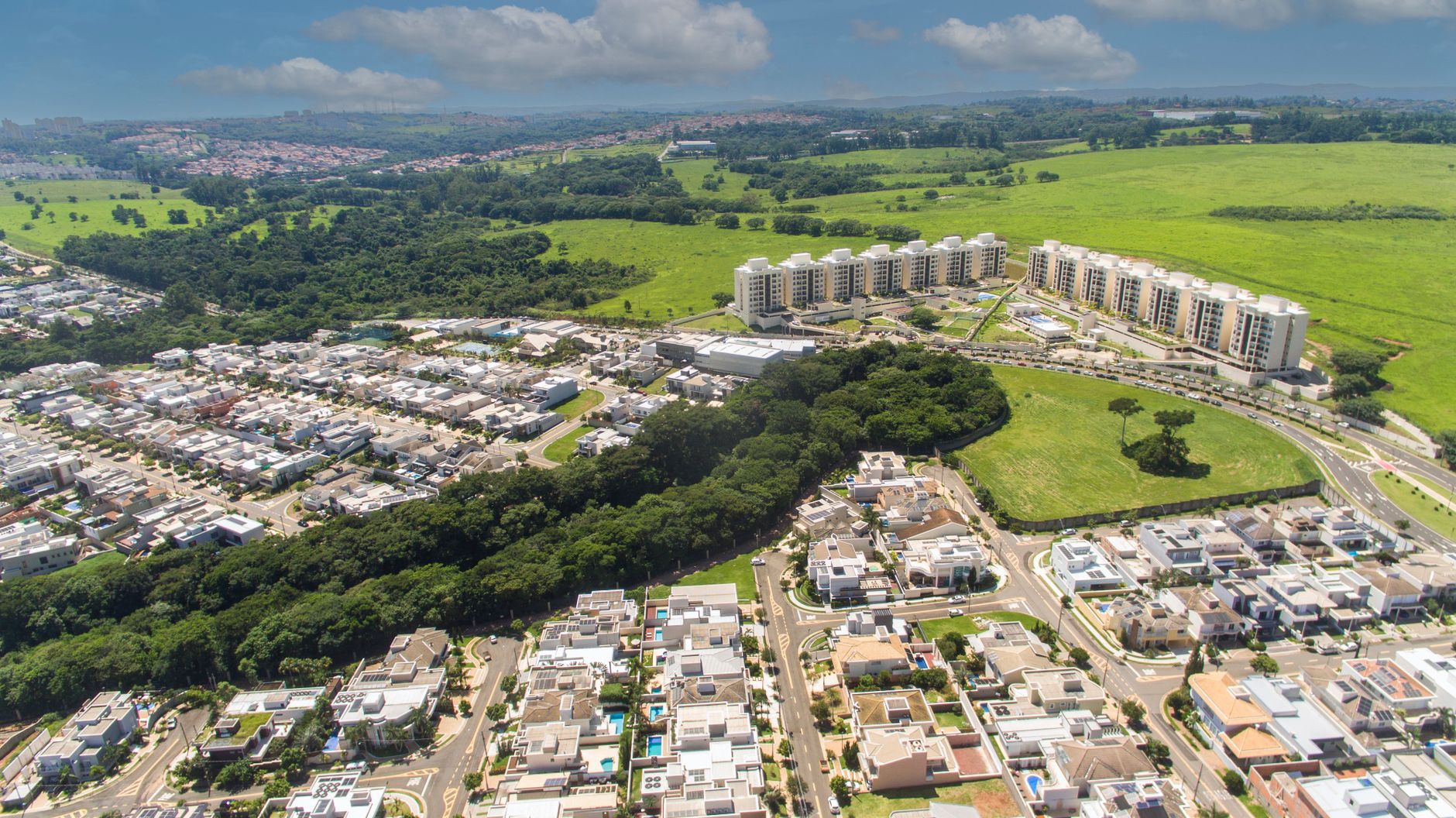


Campina Grande sits on the Borborema plateau, a ninety-minute drive west of João Pessoa along the BR-230. It is Brazil's interior tech capital and home to the massive June winter festival. Campina Grande is worth visiting if you want deep northeastern market culture, accordion-driven forró, and long-simmered goat stews. Look elsewhere if you want coastal beaches, preserved colonial facades, or quiet pedestrian streets.
Last updated 25 Sept 2026
Build a Campina Grande itinerary.
Choose up to 4 threads that pull you in. Your plan arrives organised around them.
The Bed
Where to stay in Campina Grande
Which part of town to book, and what each one costs you in walking, noise or quiet.
The Comparison
Campina Grande, or somewhere near it
The places you are realistically choosing between, and the honest case for each.
The Local Record
Where to read more about Campina Grande
The blogs, boards, guides and operators worth bookmarking.
What to do in Campina Grande Paraíba Brazil
Campina Grande is an energetic interior city defined by commerce, university life, and dry-country hospitality. The daily routine pivots around the lively stalls of Feira Central in the morning and evening walks around the Açude Velho. It suits travellers who appreciate hearty northeastern cooking, authentic forró music halls, and a gateway into the arid sertão landscape.
24 hours in Campina Grande Paraíba Brazil
Spend the morning exploring the sprawling Feira Central, stopping for coalho cheese and fresh tapioca. Take an afternoon walk around Açude Velho to visit the Niemeyer-designed art museum, then settle into a neighbourhood restaurant along Avenida Severino Cabral for roasted carne de sol and cold beer. Select 1 Day above to see it.
2 days in Campina Grande Paraíba Brazil
Dedicate your second day to the city's railway and cotton history at the Museu do Algodão before visiting Vila do Artesão for leatherwork. In the evening, head to a traditional forró hall in the Catolé district for live accordion music and a shared skillet of rich rubacão. Choose 2 Days to expand the plan.
3 days in Campina Grande Paraíba Brazil
A third day allows an excursion into the semi-arid Cariri region. Drive an hour southwest to Cabaceiras to explore the massive boulder fields of Lajedo de Pai Mateus, returning through the hills for a stop at a family-run cachaça distillery in the cooler Brejo Paraibano.
Campina Grande Paraíba Brazil itineraries by interest
Regional Meat Traditions in Campina Grande Paraíba Brazil
Sample slow-cooked buchada de bode, roasted carne de sol with melted butter, and sun-dried beef ribs served with butter cassava and green beans.
Markets & Produce in Campina Grande Paraíba Brazil
Wander Feira Central for dried peppers, blocks of salty coalho cheese, fresh manioc flours, tobacco twists, and herbal remedies sold by weight.
Folk Music in Campina Grande Paraíba Brazil
Follow the rhythm of northeastern forró, baião, and xote played on accordion, triangle, and zabumba across Parque do Povo and local dance halls.
Craft Traditions in Campina Grande Paraíba Brazil
Inspect hand-carved leather hats, cowhide footwear, and intricately woven cotton hammocks at the artisan stalls lining the Açude Velho shore.
Modern Architecture in Campina Grande Paraíba Brazil
Visit the Museu de Arte Popular da Paraíba designed by Oscar Niemeyer, whose three circular structures rest directly over the Açude Velho lake.
Street Food in Campina Grande Paraíba Brazil
Order steaming tapioca crepes stuffed with shredded meat and curd cheese, alongside hot pamonha and sweet mungunzá from dawn street carts.
Industrial Heritage in Campina Grande Paraíba Brazil
Trace the rise of the nineteenth-century cotton trade at the Museu Histórico and Museu do Algodão inside the restored Great Western railway depot.
Local Spirits in Campina Grande Paraíba Brazil
Taste aged sugar-cane cachaça distilled across the Brejo Paraibano, paired with fresh lime juice, roasted cashews, and crispy fried pork belly.
Geological Sights in Campina Grande Paraíba Brazil
Head west to the granite boulder field of Lajedo de Pai Mateus in Cabaceiras to study ancient rock formations and indigenous petroglyphs at dusk.
City Parks in Campina Grande Paraíba Brazil
Walk the paved perimeter of Açude Velho at sunset alongside local joggers, stopping to admire the bronze monuments honoring Jackson do Pandeiro.
Day Trips in Campina Grande Paraíba Brazil
Drive into the green hills of Areia to visit working sugarcane mills, historic nineteenth-century townhouses, and artisan cachaça distilleries.
Casual Dining in Campina Grande Paraíba Brazil
Sit down for rubacão, a rich rice and bean dish loaded with charque, cream, and curd cheese, served in generous clay bowls at neighbourhood botecos.