Campo Grande.


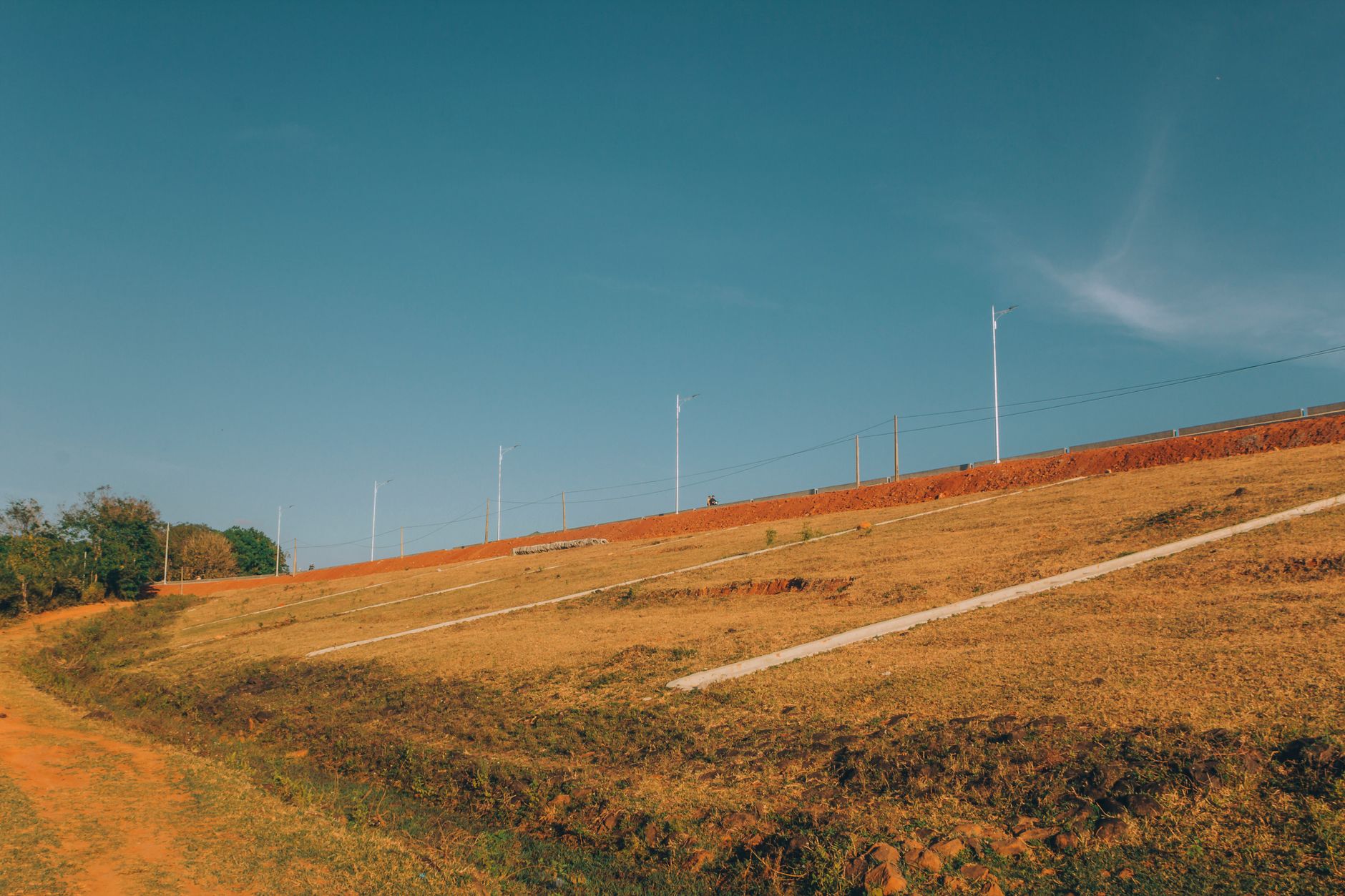

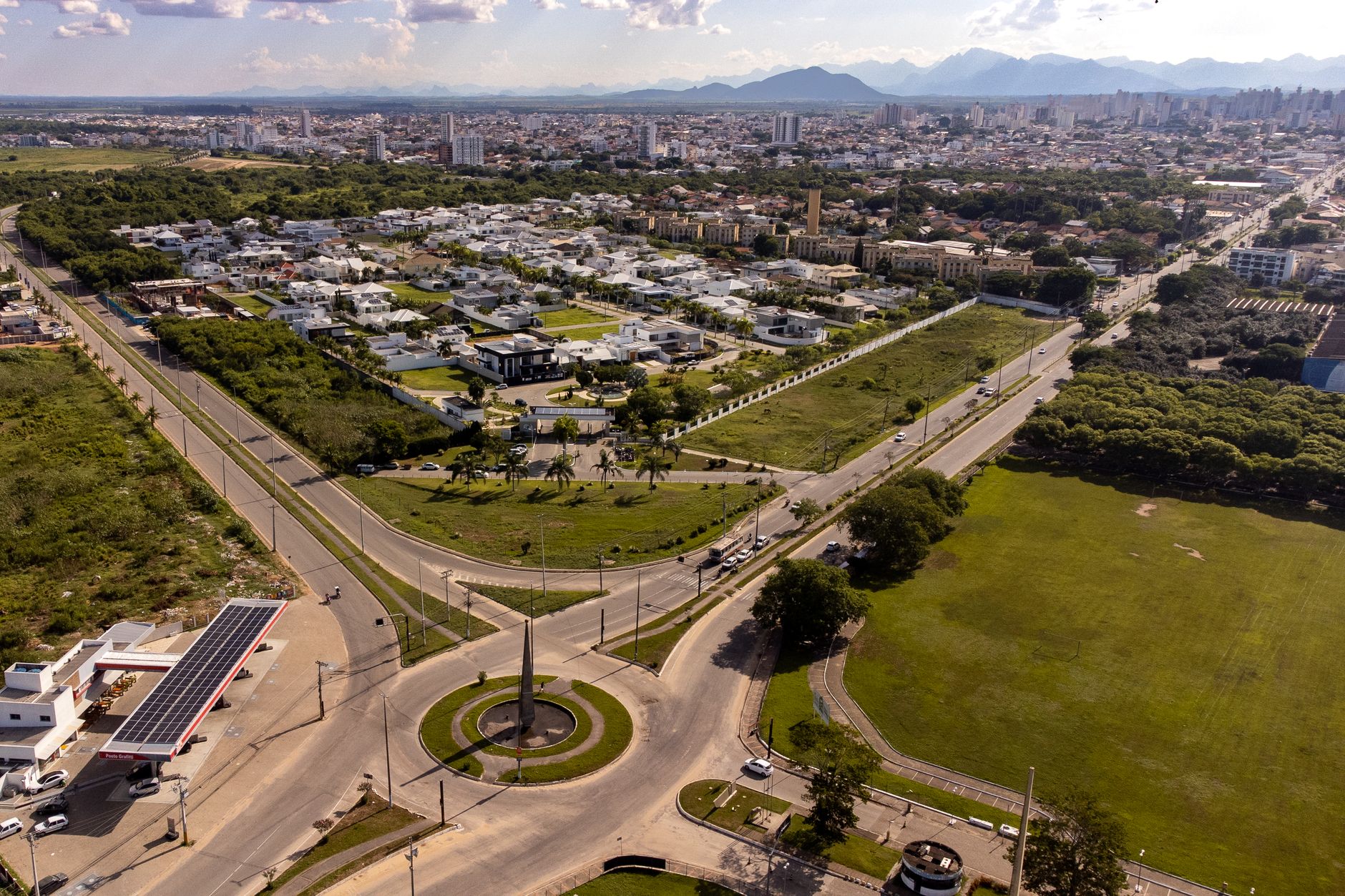
Set a two-hour flight west of São Paulo, Campo Grande is the paved hub of Mato Grosso do Sul, built on wide avenues and red soil. The city is best known for its cattle country cooking, Terena crafts, and an Okinawan sobá noodle culture. Campo Grande is worth visiting if you want to eat regional noodle soup at outdoor night stalls and sip cold tereré before heading into the wetlands. Look elsewhere if you expect dense historic alleys, coastal beaches, or rapid underground rail.
Last updated 11 Nov 2026
Build a Campo Grande itinerary.
Choose up to 4 threads that pull you in. Your plan arrives organised around them.
The Bed
Where to stay in Campo Grande
Which part of town to book, and what each one costs you in walking, noise or quiet.
The Comparison
Campo Grande, or somewhere near it
The places you are realistically choosing between, and the honest case for each.
The Local Record
Where to read more about Campo Grande
The blogs, boards, guides and operators worth bookmarking.
What to do in Campo Grande Mato Grosso do Sul Brazil
Life in Campo Grande moves at an unhurried, sun-baked pace along broad, tree-shaded avenues. The town plan is an orderly grid, bisected by Avenida Afonso Pena, where daily life revolves around cooling glasses of tereré and evening meals at outdoor markets. It suits travellers who appreciate honest regional cooking, raw agricultural wealth, and easy access to big nature over refined museums or frantic city energy.
24 hours in Campo Grande Mato Grosso do Sul Brazil
Start early with chipa bread at Mercadão Municipal, then spend the afternoon viewing freshwater stingrays inside Bioparque Pantanal. By late afternoon, stroll among capybaras in Parque das Nações Indígenas before heading to Feira Central for a deep bowl of beef sobá. Select 1 Day above to see it.
2 days in Campo Grande Mato Grosso do Sul Brazil
Dedicate your second morning to the Terena craft stands at Memorial da Cultura Indígena, followed by grilled pacu ribs for lunch on Avenida Afonso Pena. In the afternoon, browse the modernist collection at MARCO and tour the old brick rail depot at Esplanada Ferroviária. Choose 2 Days to expand the plan.
3 days in Campo Grande Mato Grosso do Sul Brazil
A third day allows an unhurried trip forty minutes north to the swimming holes of Cachoeira do Inferninho, or a ninety-minute drive west to Aquidauana to board traditional river skiffs and experience the red-cliff entrance of the Pantanal before sunset.
Campo Grande Mato Grosso do Sul Brazil itineraries by interest
Noodle Stalls in Campo Grande Mato Grosso do Sul Brazil
Slurp hot sobá broth topped with sliced omelette and fried beef at Feira Central, an Okinawan specialty recognized as municipal cultural heritage.
Market Halls in Campo Grande Mato Grosso do Sul Brazil
Browse Mercadão Municipal on Rua 7 de Setembro for smoked provolone, cured beef charque, fresh pequi fruit, and yellow bags of dried guavira.
Cold Infusions in Campo Grande Mato Grosso do Sul Brazil
Drink bitter tereré yerba mate poured over ice water from leather guampas on public park benches, the universal afternoon ritual across the city.
Urban Wildlife in Campo Grande Mato Grosso do Sul Brazil
Watch wild capybaras graze the lawns and spot blue-and-yellow macaws roosting in the buriti palms around the 119-hectare Parque das Nações Indígenas.
Indigenous Heritage in Campo Grande Mato Grosso do Sul Brazil
Examine ceramic water vessels and feather ornaments at Memorial da Cultura Indígena, supporting contemporary Terena artisans selling woven crafts.
Regional Baking in Campo Grande Mato Grosso do Sul Brazil
Pick up warm, horseshoe-shaped chipa cheese breads and dense slabs of corn-and-cheese sopa paraguaia from corner panificadoras each morning.
River Fish in Campo Grande Mato Grosso do Sul Brazil
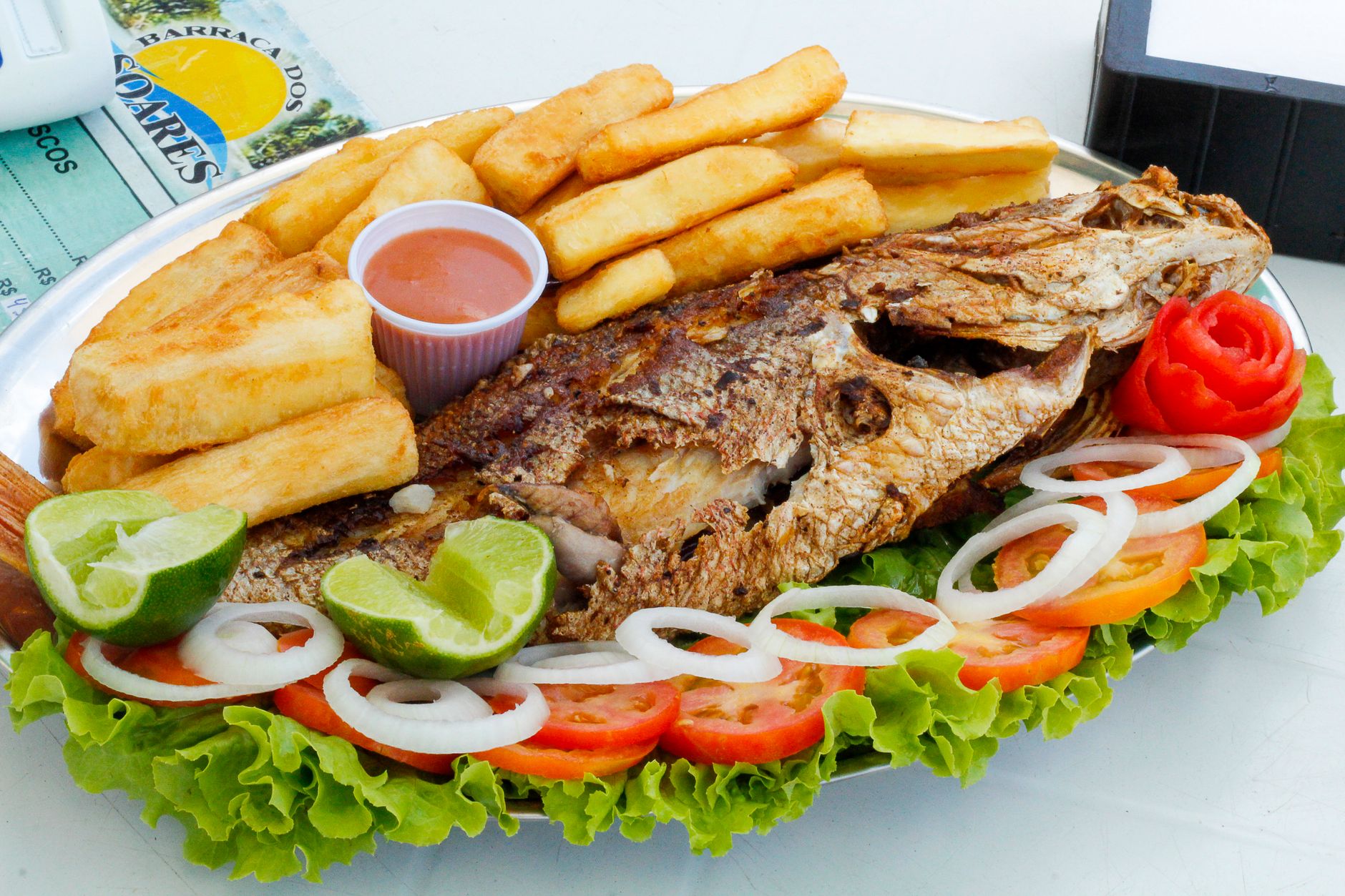
Order whole grilled pacu costela or piraputanga stuffed with herbs along Avenida Afonso Pena, caught in the nearby Aquidauana and Miranda rivers.
Beef Traditions in Campo Grande Mato Grosso do Sul Brazil
Sample wood-fired churrasco pantaneiro and iron-pot arroz carreteiro cooked with sun-cured beef, mandioca root, and pungent pequi oil.
Freshwater Aquariums in Campo Grande Mato Grosso do Sul Brazil
Walk the massive glass tunnels of Bioparque Pantanal to observe giant pirarucu, stingrays, and over two hundred native river fish species.
Rail History in Campo Grande Mato Grosso do Sul Brazil
Walk the 1914 brick warehouses of the Noroeste do Brasil railway at Esplanada Ferroviária, where tracks once linked São Paulo to the Bolivian border.
Regional Art in Campo Grande Mato Grosso do Sul Brazil
Inspect contemporary western Brazilian paintings and woodcuts inside the modernist MARCO museum, located on the edge of Parque das Nações.
Scenic Waterfalls in Campo Grande Mato Grosso do Sul Brazil
Drive forty minutes north to the basalt canyon trails and cool swimming holes of Inferninho waterfall along the red-dirt rural tracks.