Castelrotto.


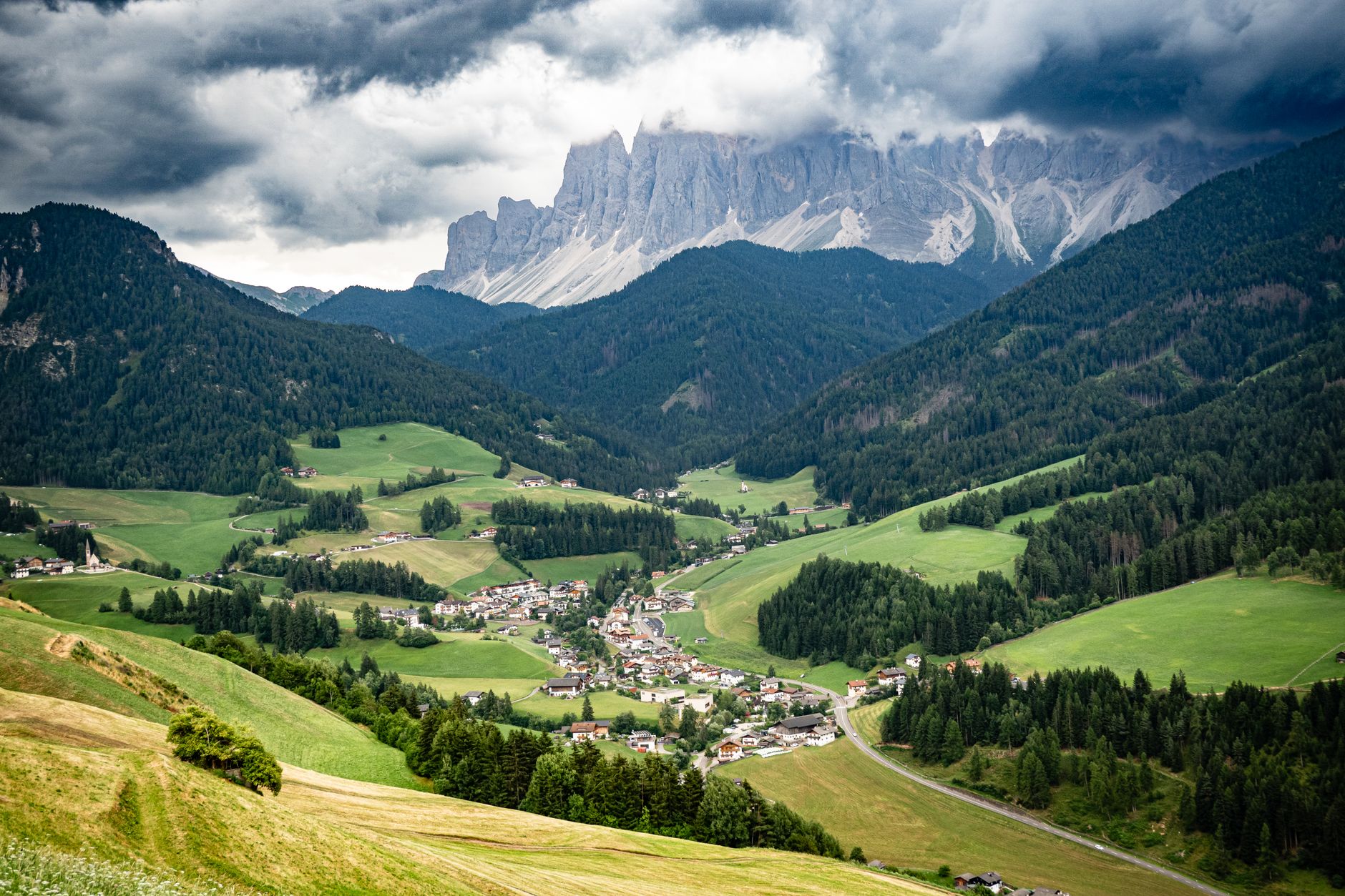
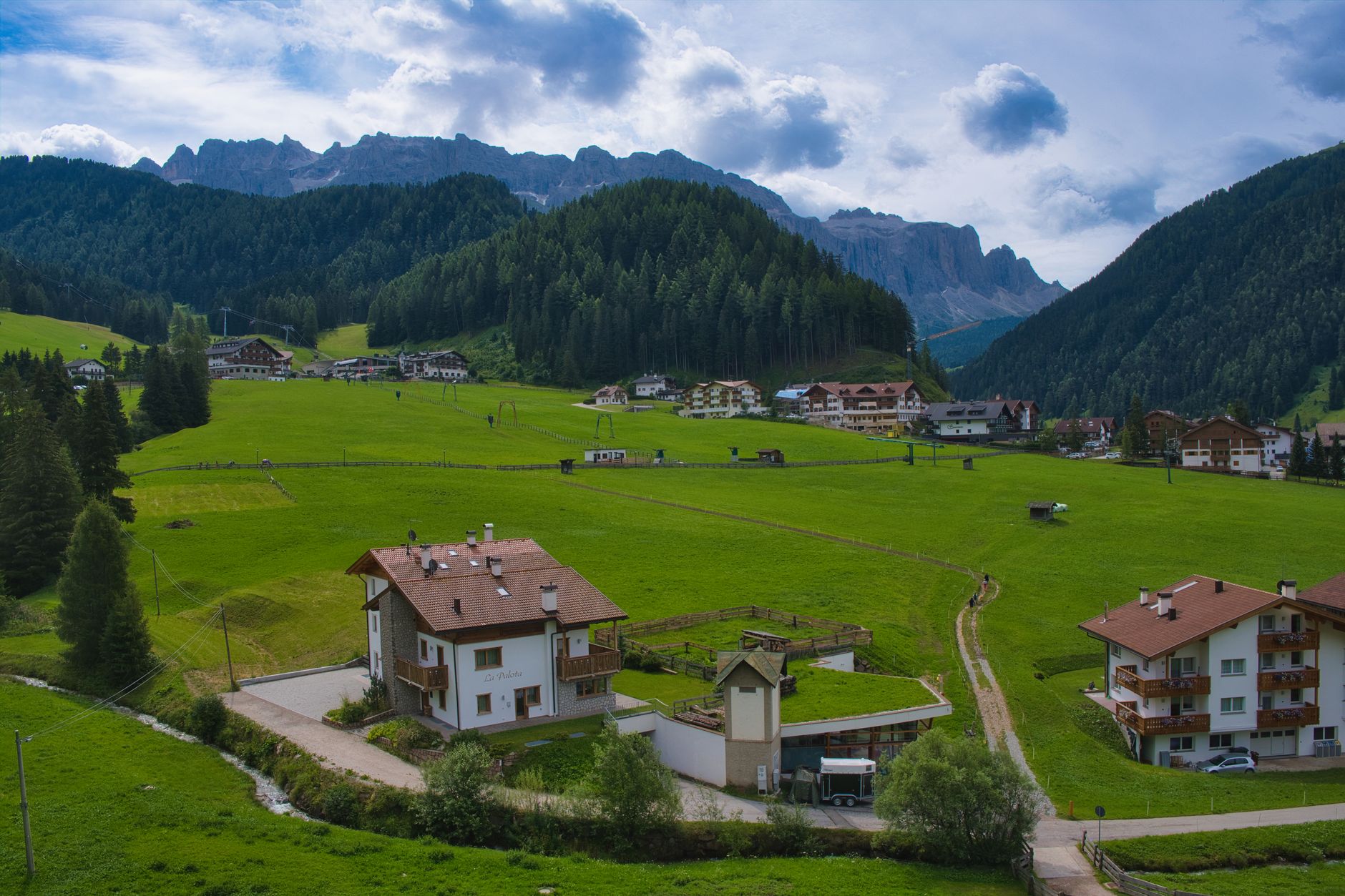

Castelrotto sits 25 kilometres northeast of Bolzano, reached in 40 minutes via the 170 regional bus from the central station. It is known for its frescoed village square, the separate 82-metre bell tower of Saints Peter and Paul, and easy trail access to the high plateau of Alpe di Siusi. Castelrotto is worth visiting if you want hearty Tyrolean cooking, quiet alpine walking paths, and village life beneath the Sciliar. Look elsewhere if you seek late-night bars, fast rail links, or English-first resort amenities.
Last updated 9 Nov 2026
Build a Castelrotto itinerary.
Choose up to 4 threads that pull you in. Your plan arrives organised around them.
The Bed
Where to stay in Castelrotto
Which part of town to book, and what each one costs you in walking, noise or quiet.
The Comparison
Castelrotto, or somewhere near it
The places you are realistically choosing between, and the honest case for each.
The Local Record
Where to read more about Castelrotto
The blogs, boards, guides and operators worth bookmarking.
What to do in Castelrotto South Tyrol Italy
Days here center on the cobbles of Krausplatz, framed by painted merchant houses and the copper dome of the village church. Mornings start with dark rye bread and espresso before heading onto the meadows of Alpe di Siusi or up the shaded woodland path of Kofel hill. It is an unhurried, walking-focused base that suits independent travellers who prefer alpine trails and honest tavern plates over glitzy resort spectacle.
24 hours in Castelrotto South Tyrol Italy
Start early at a bakery on Krausplatz, then catch bus 115 to the Siusi cable car for a morning walk across Alpe di Siusi. Return to the village by mid-afternoon to climb the Saints Peter and Paul bell tower, followed by a plate of Schlutzkrapfen and a glass of Vernatsch at Gasthof Zum Turm. Select 1 Day above to see it.
2 days in Castelrotto South Tyrol Italy
Dedicate your second day to the lower valley trails. Walk out to the medieval ruins of Castelvecchio (Hauenstein) in the pine forest, then continue on to the neighbouring hamlet of Siusi allo Sciliar for roast pork shank, sauerkraut, and fresh apple strudel at an old wood-panelled stube. Choose 2 Days to expand the plan.
3 days in Castelrotto South Tyrol Italy
With three days, venture beyond the village perimeter. Take the 170 bus into the Isarco Valley to explore the cloistered cathedral town of Bressanone, or head east into Val Gardena to explore woodcarving workshops in Ortisei before returning for a quiet evening meal in Castelrotto.
Castelrotto South Tyrol Italy itineraries by interest
Alpine Hiking in Castelrotto South Tyrol Italy
Take trail 10 across the rolling meadows of Alpe di Siusi under the jagged limestone teeth of the Sciliar and Sassolungo massifs.
Regional Cuisine in Castelrotto South Tyrol Italy
Order spinach Schlutzkrapfen ravioli with brown butter, smoked speck dumplings in broth, and tender venison goulash at local gasthofs.
Folk Traditions in Castelrotto South Tyrol Italy
Catch local brass bands on Krausplatz, the annual Oswald von Wolkenstein horse ride, and autumn Törggelen harvest gatherings in cellar taverns.
Sacred Architecture in Castelrotto South Tyrol Italy
Climb the 82-metre baroque bell tower of Saints Peter and Paul church, and walk up the Stations of the Cross path on Kofel hill.
Wine & Cellars in Castelrotto South Tyrol Italy
Sip cool-climate Vernatsch, crisp Kerner, and peppery Lagrein produced on the steep terraced slopes of the nearby Isarco Valley.
Winter Sports in Castelrotto South Tyrol Italy
Ride the nearby Marinzen chairlift for family runs, or take the Siusi cable car up to 60 kilometres of cross-country and downhill ski trails.
Cheese & Dairy in Castelrotto South Tyrol Italy
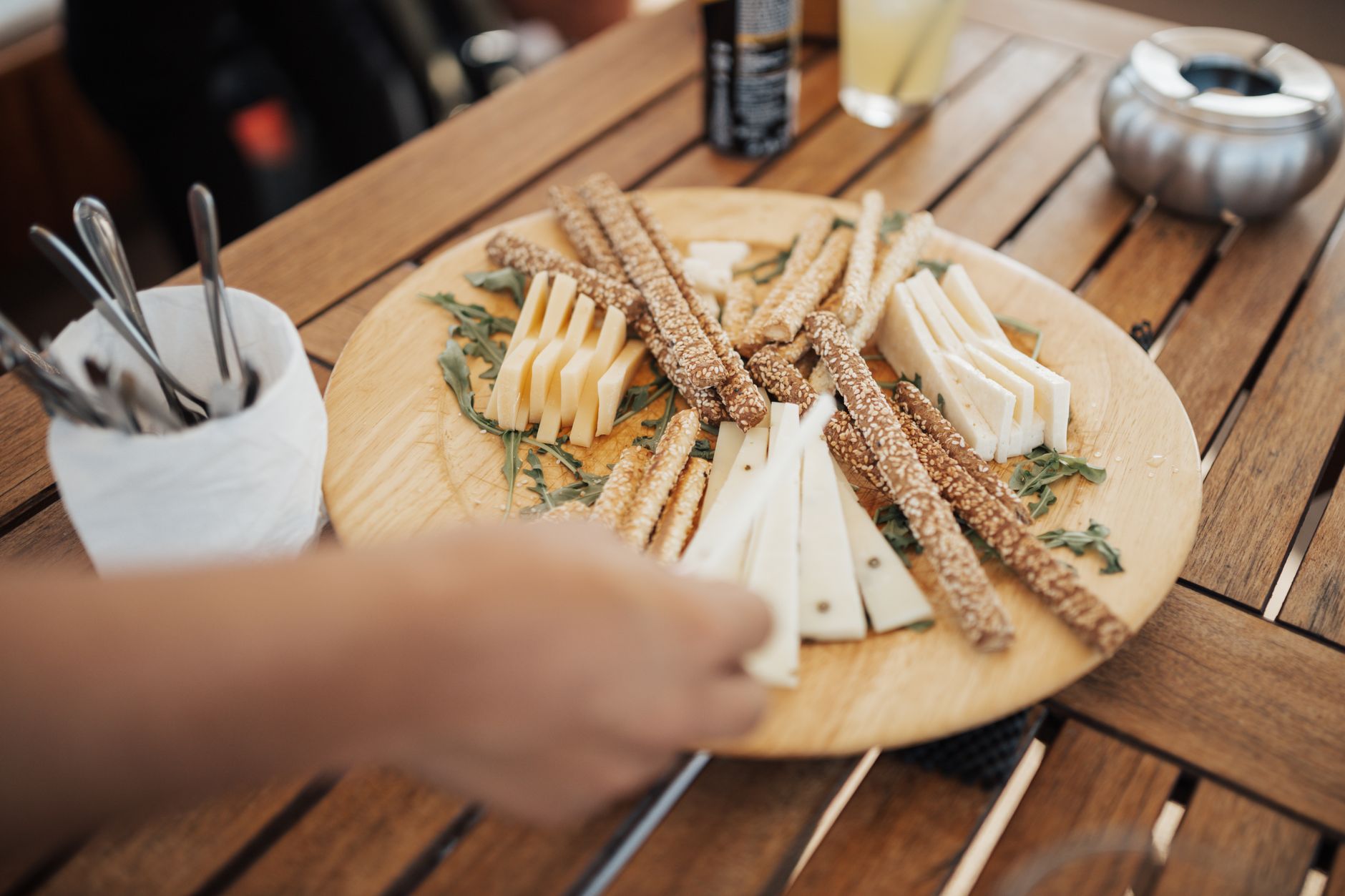
Sample raw-milk Alpine cheeses, fresh butter, and herbal mountain yogurt made at family dairies across the surrounding Sciliar high pastures.
Mountain Biking in Castelrotto South Tyrol Italy
Pedal the marked trails through the Val Gardena and Siusi circuit, tackling pine forest climbs and open meadow descents over dirt tracks.
Village Walks in Castelrotto South Tyrol Italy
Stroll past the painted 18th-century facades of the historic core, stopping at bakeries on Plattenplatz for caraway rye Schüttelbrot.
Local Produce in Castelrotto South Tyrol Italy
Pick up dry-cured speck, local blossom honey, and mountain pine schnapps from small family-run grocers and weekly farmers markets.
Day Trips in Castelrotto South Tyrol Italy
Ride local buses down to the arcaded streets of Bolzano, the historic alleys of Bressanone, or the alpine villages of Val Gardena.
Castle Ruins in Castelrotto South Tyrol Italy
Hike through beech woods to the medieval stone ruins of Hauenstein and Salegg, once the woodland strongholds of knight Oswald von Wolkenstein.