Cataviña.
.jpg)


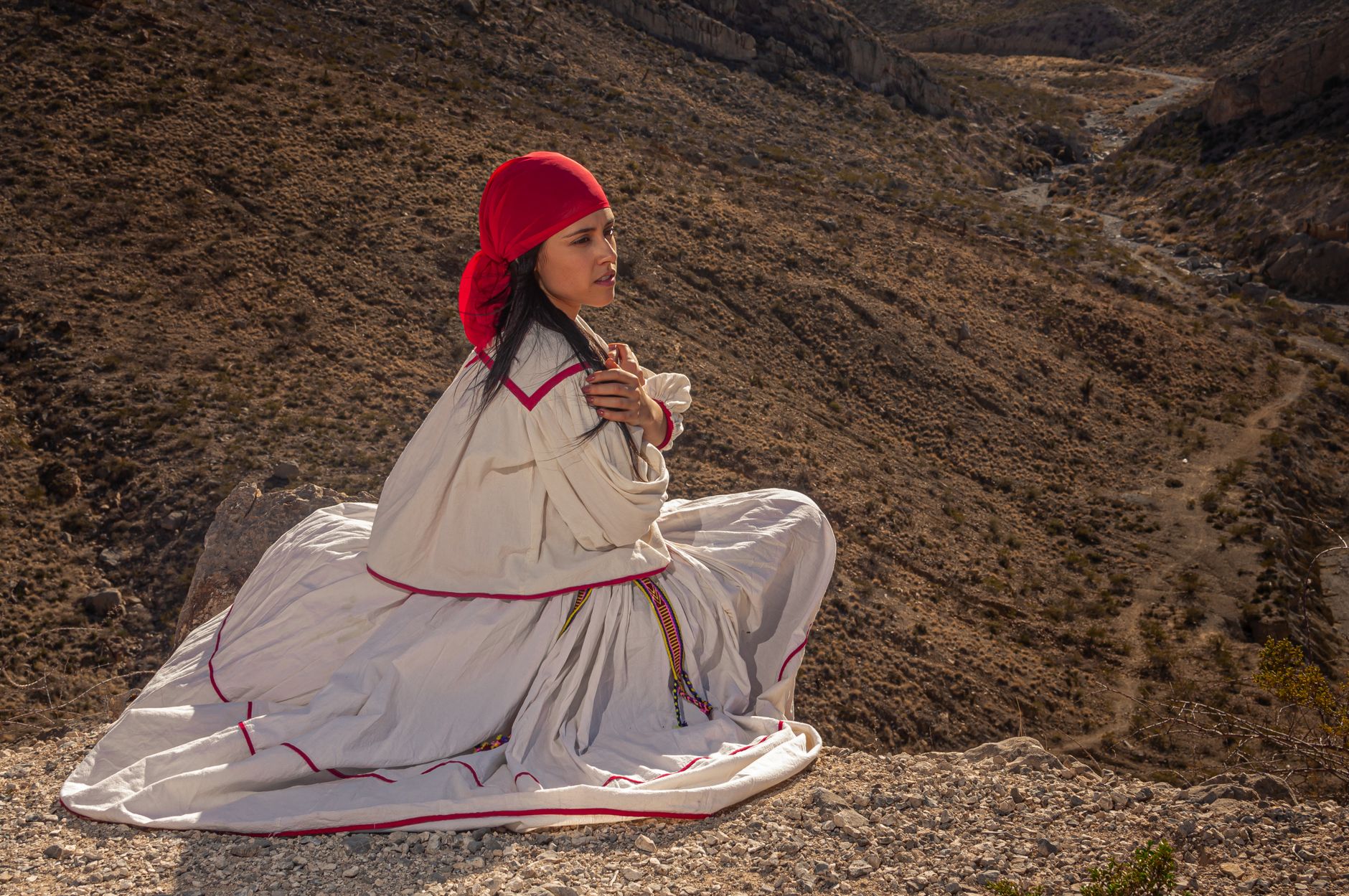


Cataviña sits on Highway 1 in the Valle de los Cirios, five hours south of Ensenada by car. The settlement is famous for its surreal boulder fields, towering cardón cacti, and the endemic, pole-like boojum tree. Cataviña is worth visiting if you want to scramble over desert granite, examine prehistoric cave art, and track strange desert botany in complete silence. Look elsewhere if you expect mobile phone reception, standard municipal petrol stations, or resort amenities.
Last updated 3 Oct 2026
Build a Cataviña itinerary.
Choose up to 4 threads that pull you in. Your plan arrives organised around them.
We'll craft a 4-lens plan for Cataviña, one collapsible strand per lens.
Stargazing
Watch unpolluted desert night skies with clear views of the Milky Way straight from your camp or hotel courtyard.
Stargazing
Watch unpolluted desert night skies with clear views of the Milky Way straight from your camp or hotel courtyard.
Stargazing Across the Desert Vault
Cataviña Arroyo
Walk a hundred yards away from the highway into the dry wash. The lack of light reveals the full spine of the Milky Way overhead. Free to access, bring a warm layer.
Editor TipFree of municipal light pollution for over fifty miles, the central Baja peninsula offers some of the purest night skies in North America. Use a red-filtered flashlight to preserve your night vision; it takes twenty minutes for your pupils to dilate fully.
Mapping the Milky Way
Cataviña Boulder Fields
Walk five minutes north of the settlement into the open granite field. It is completely free. Bring a red-light torch and a wool jumper for when desert temperatures plummet.
Editor TipMiles from any urban grid, the Central Desert offers true Bortle Class 1 dark skies, displaying the same galactic dust lanes that guided Cochimí seasonal foraging for millennia. Give your eyes a full twenty minutes to adjust away from torchlight before looking for the Andromeda galaxy.
Birdwatching
Identify cactus wrens, gila woodpeckers, and ravens congregating near desert washes and shaded oasis palms.
Birdwatching
Identify cactus wrens, gila woodpeckers, and ravens congregating near desert washes and shaded oasis palms.
Cirio Forest Birding Walk
Valle de los Cirios Natural Protected Area
Walk the sandy washes directly behind the settlement for two quiet hours before the midday sun intensifies. No fees or permits required for casual day walks.
Editor TipThe bizarre, pole-like boojum tree and giant cardón cactus create high-desert perches for Costa's hummingbirds, cactus wrens, and loggerhead shrikes. Carry two litres of water and binoculars; the desert scrub offers zero natural shade once the sun crests the ridge.
Tracking Desert Birds and Cirios
Valle de los Cirios Nature Reserve
Walk the sandy tracks looping past giant cardóns. Look for cactus wrens and Costa's hummingbirds among the granite tors. Free access, no booking needed, allow two hours.
Editor TipDesignated a federal flora and fauna protection area in 1980, this vast desert basin supports unusual endemic species like the towering boojum tree. Wear stiff-soled boots; cholla cactus spines punch straight through thin trail runners with zero hesitation.
Spotting Desert Birds
Rancho Santa Inés
Walk the dirt tracks past the corral toward the dry wash. Stop at the ranch house to leave twenty pesos for parking and ask for directions. Spend ninety minutes here.
Editor TipThese seasonal desert washes support verdins, Gila woodpeckers, and gray thrashers, which rely on the dense shade of desert ironwood and mesquite to escape the afternoon heat. Keep your eyes fixed on the base of the cardón cacti where woodpeckers excavate nesting cavities.
Day Trips
Drive north toward the fossils and cardón stands of El Rosario or south toward the tranquil bay at Bahía de los Ángeles.
Day Trips
Drive north toward the fossils and cardón stands of El Rosario or south toward the tranquil bay at Bahía de los Ángeles.
Granite Cave Painting Hike
Pinturas Rupestres de Cataviña
Follow the marked footpath fifty metres north of Highway 1 up into the boulder cluster. Plan for forty-five minutes total. Free access.
Editor TipCochimí hunter-gatherers used mineral pigments to paint abstract sun symbols and local fauna under these natural granite shelters centuries ago. Wear shoes with good grip; the decomposing granite underfoot can act like ball bearings on smooth stone slabs.
Note from the Editor
“Start early before the desert pavement radiates heat. The highway runs quiet at dawn, giving you clear skies and active birds before trucks stir the dust.”
The Bed
Where to stay in Cataviña
Which part of town to book, and what each one costs you in walking, noise or quiet.
The Comparison
Cataviña, or somewhere near it
The places you are realistically choosing between, and the honest case for each.
The Local Record
Where to read more about Cataviña
The blogs, boards, guides and operators worth bookmarking.
What to do in Cataviña Baja California Mexico
Days here follow the sun and the heat. Cataviña is barely a village, just a sparse cluster of dwellings, a modest hotel, and family kitchens along Highway 1. Activity revolves around early-morning walks through granite boulder gardens, midday siestas out of the sun, and evenings spent under extraordinary dark skies. It suits self-reliant road trippers, botanists, and campers who value silence over services.
24 hours in Cataviña Baja California Mexico
Start at dawn to walk among the cirio trees before the midday heat settles in. Grab a breakfast plate of machaca and eggs at Rancho Santa Inés, then explore the painted cave ceiling just north of the village. Spend the late afternoon scrambling the granite formations, finishing with a cold Pacifico as the rocks turn copper. Select 1 Day above to see it.
2 days in Cataviña Baja California Mexico
A second day lets you drive the rough dirt spur out to the old stone ruins of Misión Santa María Cabujakaam. Pack ample water and a spare tyre. Return for a dinner of carne asada at the roadside fonda, followed by quiet hours watching the night sky away from highway headlights. Choose 2 Days to expand the plan.
3 days in Cataviña Baja California Mexico
With three days, venture two hours east across the peninsula to the Sea of Cortez at Bahía de los Ángeles. You can hire a local panga boat to look for whale sharks in season or explore the volcanic islands, returning to the cool desert plateau of Cataviña by dusk.
Cataviña Baja California Mexico itineraries by interest
Desert Flora in Cataviña Baja California Mexico
Examine endemic cirio boojum trees and multi-ton cardón cacti across the Valle de los Cirios protected reserve.
Rock Art in Cataviña Baja California Mexico
Walk the short path off Mex 1 to the painted cave overhangs with red and yellow geometric motifs made by Cochimí nomads.
Stargazing in Cataviña Baja California Mexico
Watch unpolluted desert night skies with clear views of the Milky Way straight from your camp or hotel courtyard.
Bouldering in Cataviña Baja California Mexico
Scramble over weathered feldspar and granite monoliths scattered across the desert floor along the arroyo beds.
Roadside Food in Cataviña Baja California Mexico
Order machaca con huevo, refried beans, and hot flour tortillas at modest highway-side fondas like Rancho Santa Inés.
Desert Hiking in Cataviña Baja California Mexico
Trek the dry arroyos and rocky ridges surrounding the village, keeping watch for desert iguanas and red-tailed hawks.
Overland Travel in Cataviña Baja California Mexico
Navigate the remote stretch of Mex 1 with roadside barrel fuel and rustic dry camping among the giant boulders.
Photography in Cataviña Baja California Mexico
Capture the sharp low winter light cutting across white granite boulders, cirio silhouettes, and flowering ocotillo.
Native Wildlife in Cataviña Baja California Mexico
Spot Baja California spiny lizards, roadrunners, kit foxes, and ladder-backed woodpeckers nesting inside cardones.
Historic Missions in Cataviña Baja California Mexico
Take a rugged dirt track west toward the stone ruins of the 1769 Jesuit-Dominican mission site at Santa María.
Birdwatching in Cataviña Baja California Mexico
Identify cactus wrens, gila woodpeckers, and ravens congregating near desert washes and shaded oasis palms.
Day Trips in Cataviña Baja California Mexico
Drive north toward the fossils and cardón stands of El Rosario or south toward the tranquil bay at Bahía de los Ángeles.