
_1986_09.jpg)


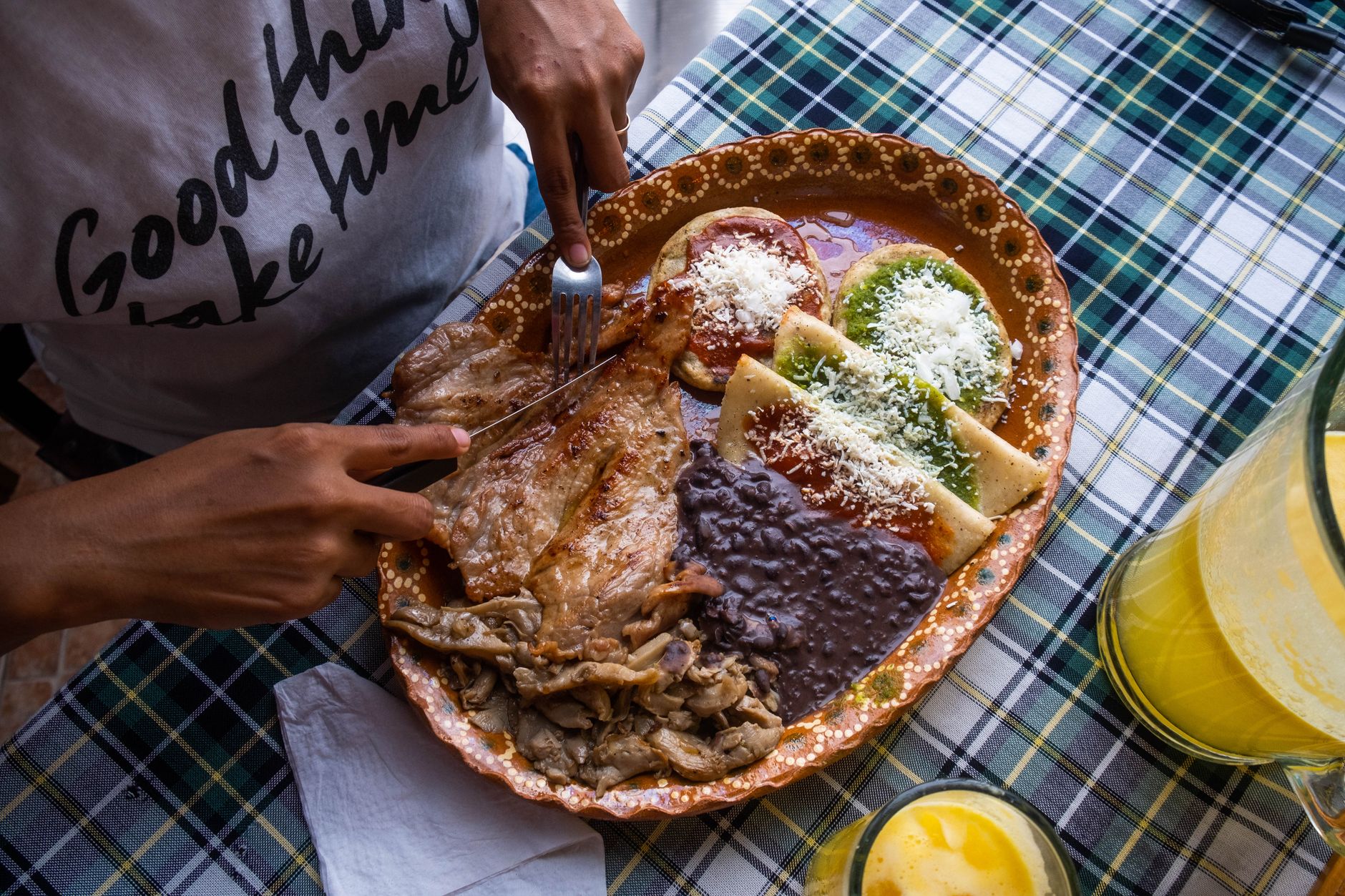

Popocatépetl sends up a faint white plume on clear mornings while church bells compete with morning traffic along Calle 5 de Mayo. This high-altitude colonial city is built on Talavera ceramic tile, seventeenth-century convent kitchens, and an obsessive relationship with food. You come for mole poblano, thick with mulato chilies and chocolate, and stay to walk the grid of baroque facades. Wear sturdy shoes; the volcanic stone sidewalks demand attention.
Last updated 28 Aug 2026
Build a Puebla itinerary.
Choose up to 4 threads that pull you in. Your plan arrives organised around them.
The Bed
Where to stay in Puebla
Which part of town to book, and what each one costs you in walking, noise or quiet.
The Comparison
Puebla, or somewhere near it
The places you are realistically choosing between, and the honest case for each.
The Local Record
Where to read more about Puebla
The blogs, boards, guides and operators worth bookmarking.
What to do in Puebla Puebla Mexico
Puebla centers on a remarkably walkable grid anchored by the leafy Zócalo. Mornings move at the pace of church bells and market deliveries, while afternoons belong to long convent-kitchen lunches. It suits travellers who prefer architectural heft, quiet courtyards, and deep regional cooking over coastal resort rhythms. Plan your days around dining hours, as the city takes its afternoon comida seriously between two and five.
24 hours in Puebla Puebla Mexico
Start at the Zócalo with an espresso under the portales, then step inside the Capilla del Rosario before the midday tour groups arrive. Lunch on cemitas at Mercado del Carmen. Spend the afternoon browsing the cedar stacks of Biblioteca Palafoxiana, and finish with a quiet copita of Pasita in Los Sapos. Everything sits within a ten-minute walk. Select 1 Day above to see it.
2 days in Puebla Puebla Mexico
A second day allows a morning trip to Cholula to climb the ancient pyramid base for volcano views. Return to Puebla for an unhurried feast of mole poblano or pipián rojo at a downtown fonda. Spend the twilight hours browsing the tile workshops and painter studios around Barrio del Artista, grabbing sweet camotes along Calle 6 Oriente on the walk home. Choose 2 Days to expand the plan.
3 days in Puebla Puebla Mexico
Three days unlocks the wider valley. Take a taxi out to the eccentric indigenous baroque facades of Santa María Tonantzintla and San Francisco Acatepec. Back in the city, visit Museo Amparo for its quiet rooftop terrace overlooking church domes, followed by evening tacos árabes on Avenida 11 Poniente, sliced hot off the vertical spit into pita-style pan árabe.
Puebla Puebla Mexico itineraries by interest
Regional Cooking in Puebla Puebla Mexico
Mole poblano simmered with mulato chiles, and seasonal chiles en nogada stuffed with picadillo and topped with walnut cream.
Street Food in Puebla Puebla Mexico
Crisp cemitas poblanas packed with milanesa, quesillo, and pápalo herb at Mercado del Carmen, plus chalupas fried in lard.
Sacred Architecture in Puebla Puebla Mexico
The towering Puebla Cathedral on the Zócalo and the gold-leaf stucco extravagance inside the Chapel of the Rosary at Santo Domingo.
Craft Traditions in Puebla Puebla Mexico
Tin-glazed Talavera pottery produced to certified sixteenth-century standards at Uriarte Talavera, where kilns run year-round.
Markets & Produce in Puebla Puebla Mexico
Mercado La Acocota sells dried ancho chiles, fresh quesillo balls, and local herbs, while stalls serve fresh pipián verde.
Historic Neighborhoods in Puebla Puebla Mexico
Barrio del Artista and Los Sapos offer weekend antique markets, pastel facades, and outdoor tables along cobblestone lanes.
Museums & Galleries in Puebla Puebla Mexico
Biblioteca Palafoxiana holds 45,000 rare volumes in cedar bookshelves, while Museo Amparo traces pre-Hispanic to modern art.
Day Trips in Puebla Puebla Mexico
Cholula sits fifteen minutes west, home to the Great Pyramid base and the hilltop church of Nuestra Señora de los Remedios.
Local Sweets in Puebla Puebla Mexico
Calle de los Dulces on 6 Oriente lines up camotes, tortitas de Santa Clara, and gaznates perfected by colonial convent nuns.
Antique Shopping in Puebla Puebla Mexico
Callejón de los Sapos fills with vendors selling vintage glassware, brass hardware, religious retablos, and retro signs.
Local Drinks in Puebla Puebla Mexico
Sip Pasita liqueur spiked with goat cheese from La Pasita, or try cooling aguas frescas made from horchata and chia seed.
Modern Art in Puebla Puebla Mexico
Museo Internacional del Barroco showcases contemporary interpretations of baroque drama inside Toyo Ito's curved white concrete.