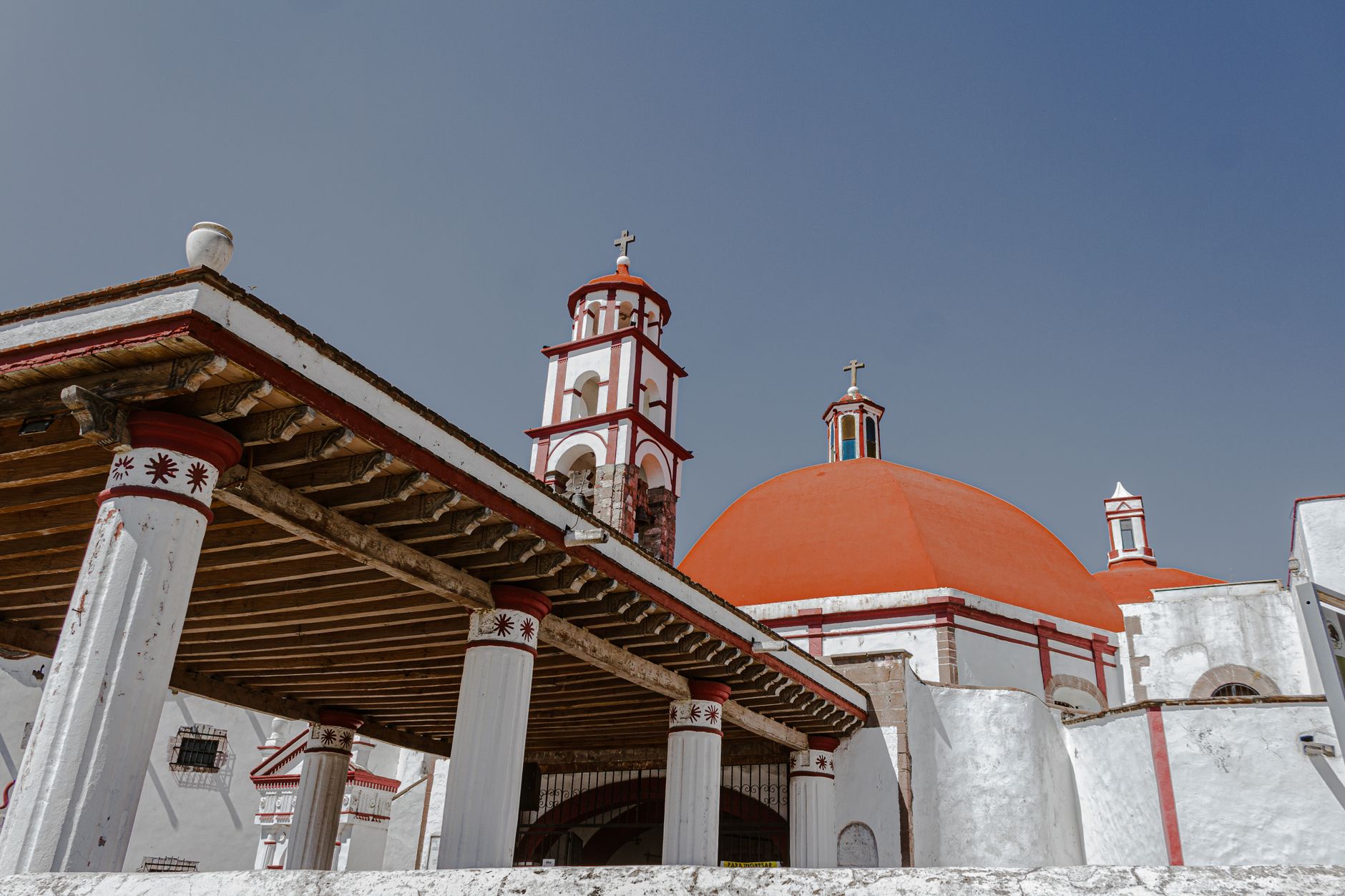
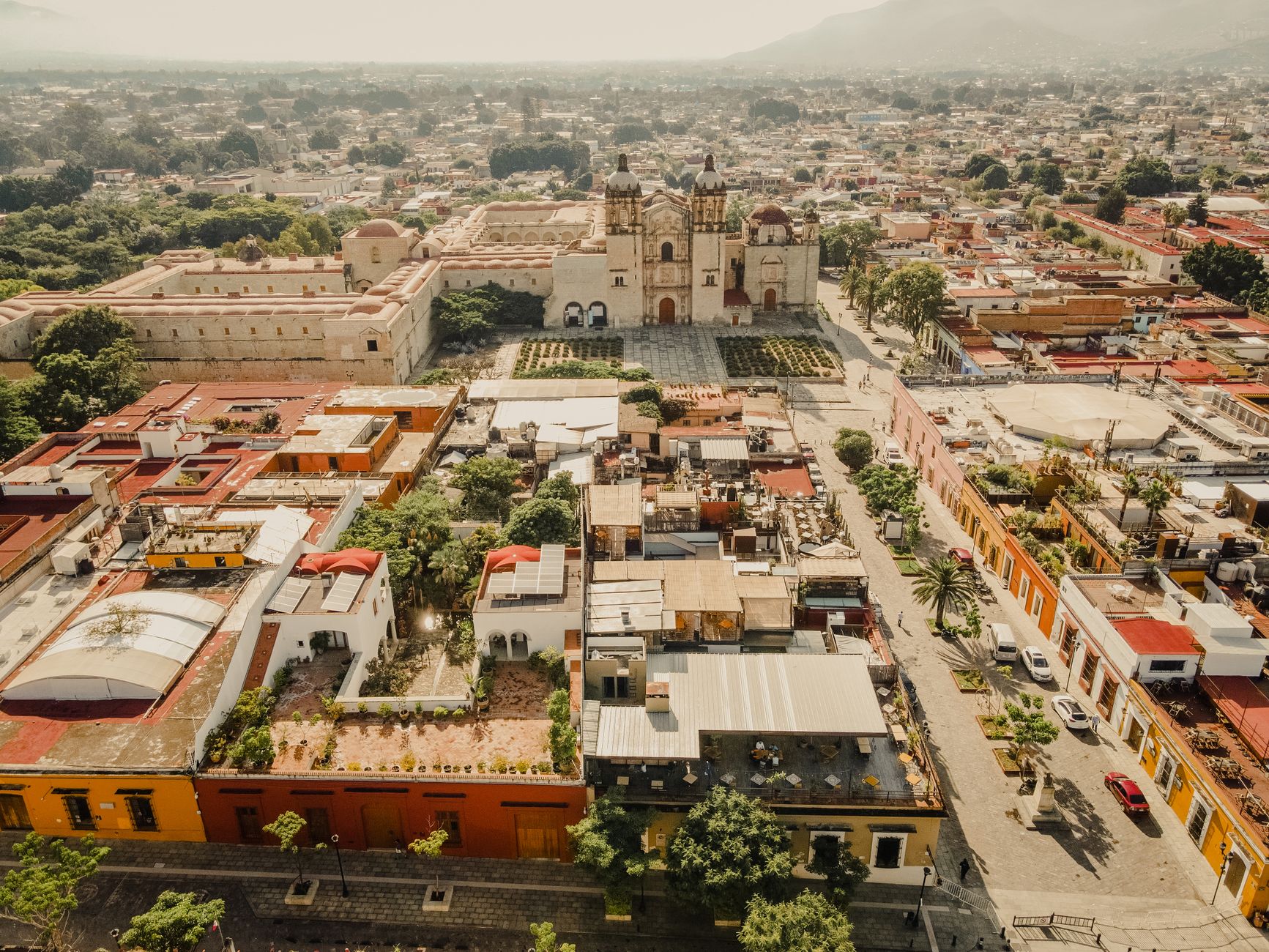


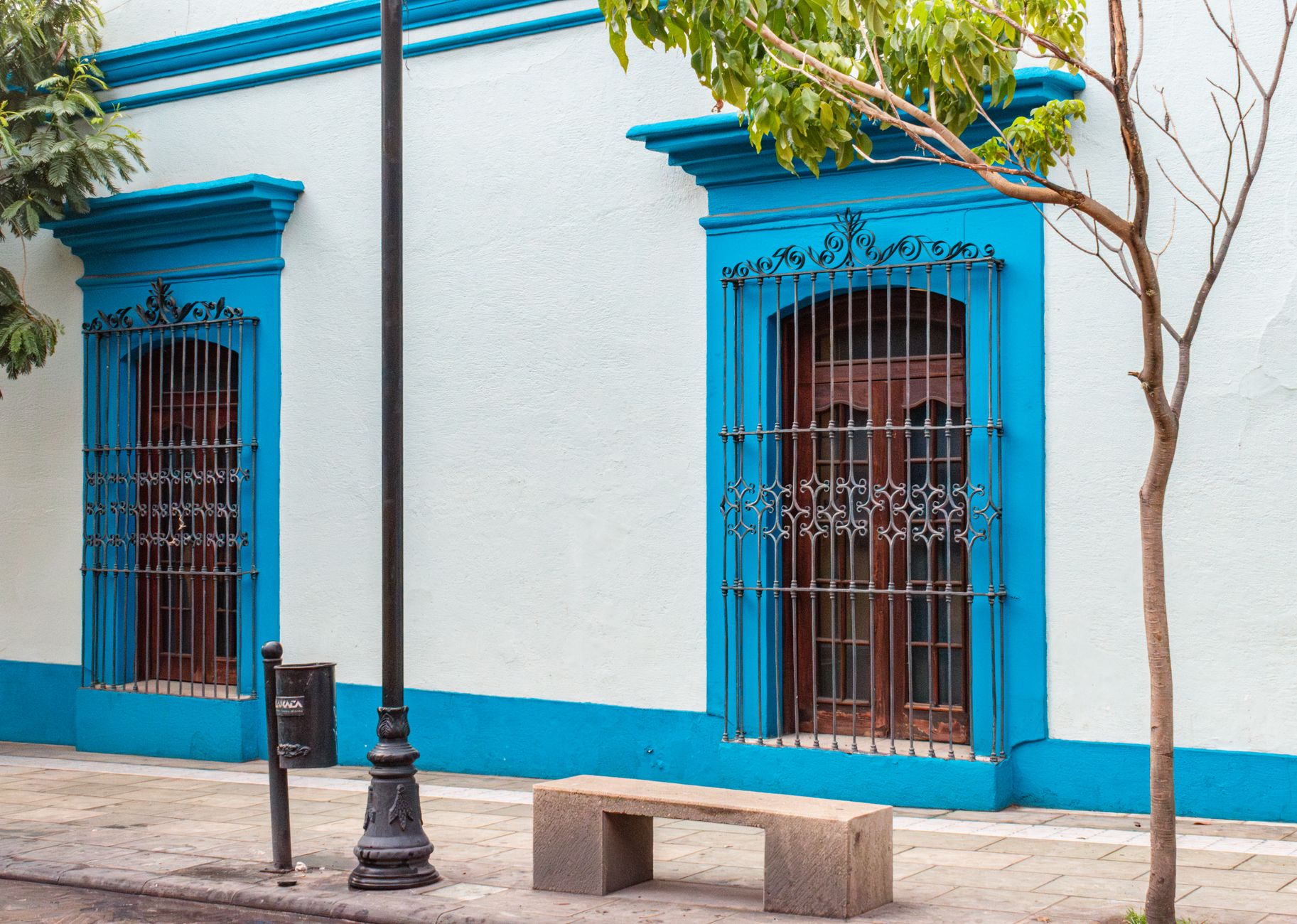
Green volcanic cantera stone catches the morning sun along the pedestrian spine of Calle Macedonio Alcalá. High in the central valleys, the air stays sharp until noon, when the smoke of searing tasajo and roasted chilhuacle chiles takes over the grid. People come here to eat, and rightly so, but the city reveals itself in quiet courtyards, Zapotec textile workshops, and the patient craft of slow-simmered mole.
Last updated 25 Aug 2026
Build a Oaxaca de Juárez itinerary.
Choose up to 4 threads that pull you in. Your plan arrives organised around them.
The Bed
Where to stay in Oaxaca de Juárez
Which part of town to book, and what each one costs you in walking, noise or quiet.
Places to stay
Central, well-rated and easy to find again. Distances are from the middle of town.
These links go to Booking.com and earn us a commission. They cost you nothing extra.
The Comparison
Oaxaca de Juárez, or somewhere near it
The places you are realistically choosing between, and the honest case for each.
The Local Record
Where to read more about Oaxaca de Juárez
The blogs, boards, guides and operators worth bookmarking.
What to do in Oaxaca de Juárez Oaxaca Mexico
Oaxaca de Juárez sits in a high valley flanked by the Sierra Norte, laid out on an easy grid of sixteenth-century sandstone. Days here revolve around morning market visits, slow mid-afternoon comidas, and quiet evenings around the Zócalo bandstand. It suits travellers who appreciate regional food traditions, artisan workshops, and walking between baroque churches and contemporary graphic art galleries without needing a strict timetable.
24 hours in Oaxaca de Juárez Oaxaca Mexico
Start early at Mercado de la Merced for hot memelas, then walk to Templo de Santo Domingo and its ethno-botanical garden. Spend the afternoon grazing cecina in the Pasillo de Humo at Mercado 20 de Noviembre before settling in for a mezcal tasting near Plaza de la Danza at dusk. Select 1 Day above to see it.
2 days in Oaxaca de Juárez Oaxaca Mexico
Take a morning twenty-minute taxi up to the Zapotec ruins of Monte Albán. Return for a late lunch of mole chichilo in the quiet Barrio de Jalatlaco, followed by an evening stroll past the eighteenth-century arches of the San Felipe aqueduct in Barrio de Xochimilco. Choose 2 Days to expand the plan.
3 days in Oaxaca de Juárez Oaxaca Mexico
Hire a driver for the Tlacolula valley. Stop at the massive ancient cypress at Santa María del Tule, visit master rug weavers in Teotitlán del Valle, and tour a family-run mezcal palenque in Santiago Matatlán to see agave roasted underground in traditional stone pits.
Oaxaca de Juárez Oaxaca Mexico itineraries by interest
Markets & Produce in Oaxaca de Juárez Oaxaca Mexico
Navigate the smoky Pasillo de Humo in Mercado 20 de Noviembre for grilled cecina, chorizo, and fresh tlayudas draped in unpasteurized quesillo.
Regional Cuisine in Oaxaca de Juárez Oaxaca Mexico
Taste complex mole negro, coloradito, and chichilo at traditional comedores, built on heirloom chilhuacle chiles and wild Mexican oregano.
Local Spirits in Oaxaca de Juárez Oaxaca Mexico
Sample wild agave espadín and tobalá straight from clay copitas at modest mezcalerías, noting the distinct roast from wood-fired earthen pits.
Craft Traditions in Oaxaca de Juárez Oaxaca Mexico
Watch natural cochineal and indigo dyeing on backstrap looms in nearby Teotitlán del Valle, alongside the burnished black clay workshops of San Bartolo Coyotepec.
Sacred Architecture in Oaxaca de Juárez Oaxaca Mexico
Step inside the sixteenth-century Templo de Santo Domingo de Guzmán to study the gilded stucco ceiling depicting the family tree of Saint Dominic.
Ancient Ruins in Oaxaca de Juárez Oaxaca Mexico
Climb the flattened mountain summit of Monte Albán to walk the ancient Zapotec ball court and inspect carved stone Danzantes reliefs dating from 500 BC.
Street Food in Oaxaca de Juárez Oaxaca Mexico
Catch memelas toasted over charcoal comales at breakfast stalls near Mercado de la Merced, smeared with rich asiento and crumbled queso fresco.
Modern Art in Oaxaca de Juárez Oaxaca Mexico
Visit the Museo de Arte Contemporáneo de Oaxaca and Instituto de Artes Gráficas for sharp local printmaking, lithography, and graphic collections.
Historic Walking in Oaxaca de Juárez Oaxaca Mexico
Wander the cobblestones of Barrio de Jalatlaco and Barrio de Xochimilco, tracing ancient stone aqueducts and bright colonial stucco facades.
Coffee & Chocolate in Oaxaca de Juárez Oaxaca Mexico
Sip washed Pluma Hidalgo typica coffee beans and drink frothy tejate, a pre-Hispanic cold maize and fermented cacao beverage whisked in wide clay bowls.
Botanical Gardens in Oaxaca de Juárez Oaxaca Mexico
Tour the Jardín Etnobotánico behind Santo Domingo with an expert guide to see hundreds of native cacti, agaves, and medicinal Oaxaca plants.
Day Trips in Oaxaca de Juárez Oaxaca Mexico
Head out to the petrified mineral waterfalls at Hierve el Agua or visit the colossal, two-thousand-year-old Montezuma cypress in Santa María del Tule.