

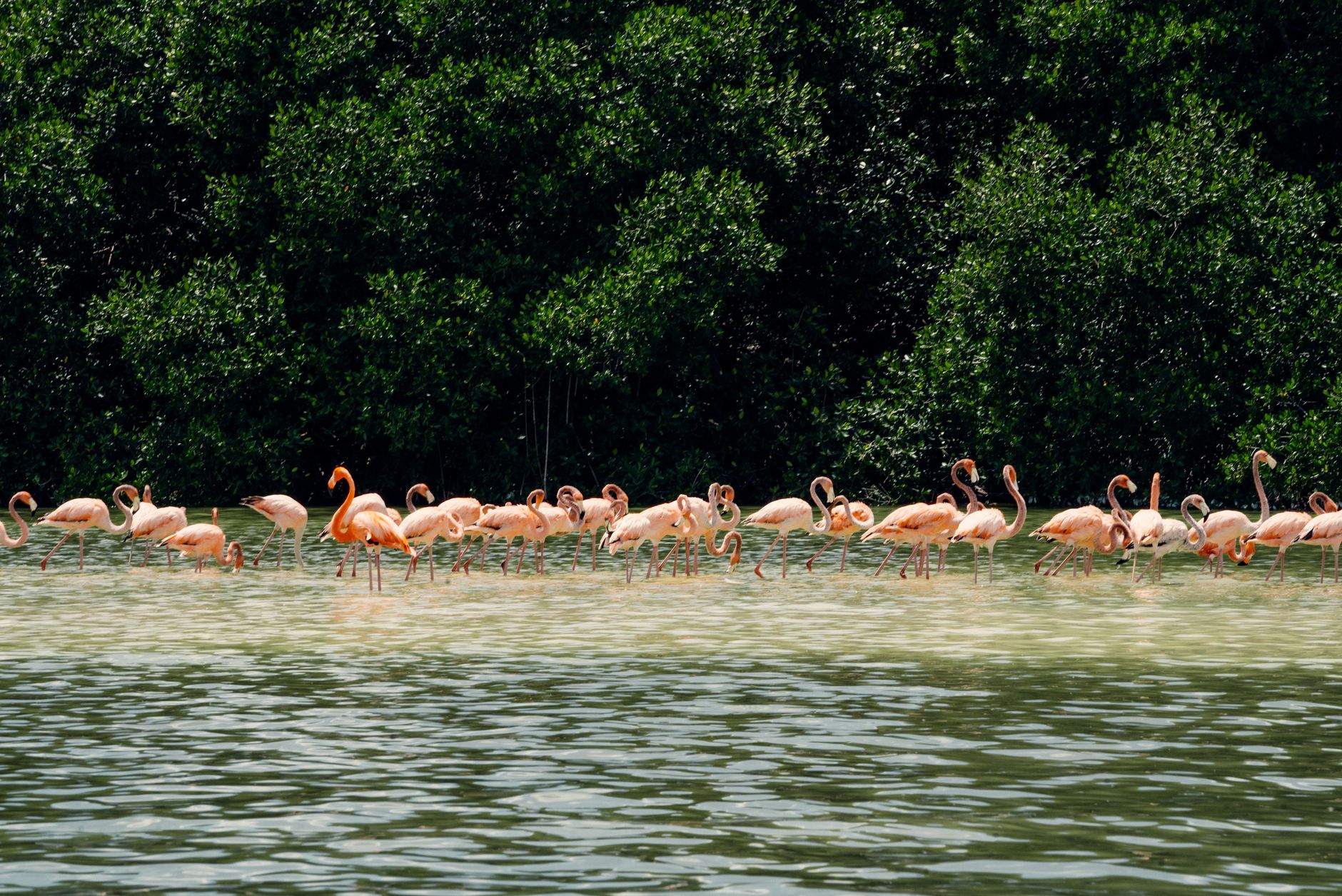

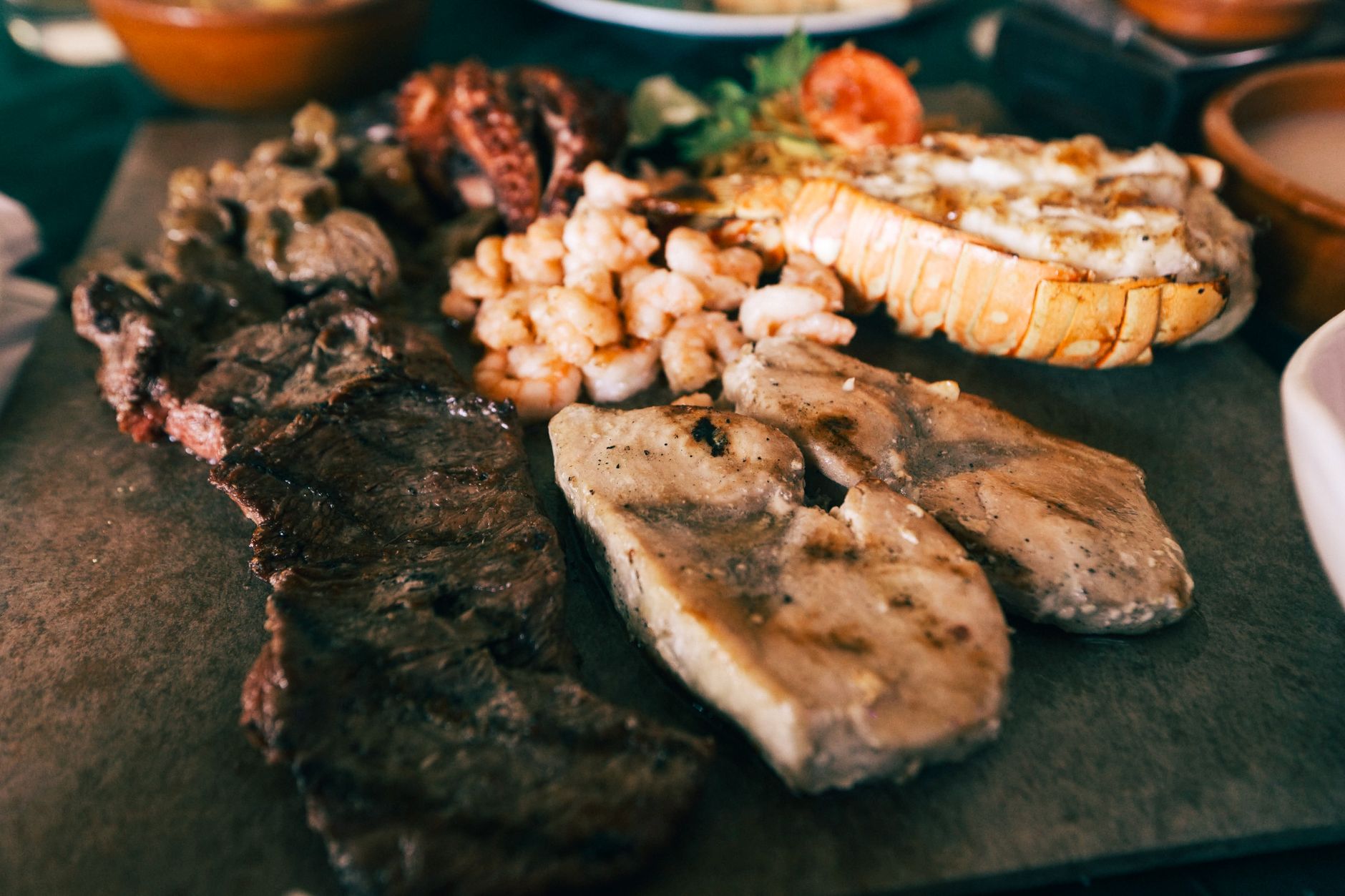

Celestún sits 95 kilometres west of Mérida, a ninety-minute drive along Highway 281 to the Gulf coast. The town is known for the Ría Celestún estuary, home to thousands of Caribbean flamingos, and its working fleet landing fresh grouper daily. Celestún is worth visiting if you want to watch wild waterbirds from small skiffs and eat fried fish right off the boats. Look elsewhere if you want resort nightlife, paved promenades, or curated indoor sights.
Last updated 15 Oct 2026
Build a Celestún itinerary.
Choose up to 4 threads that pull you in. Your plan arrives organised around them.
The Bed
Where to stay in Celestún
Which part of town to book, and what each one costs you in walking, noise or quiet.
The Comparison
Celestún, or somewhere near it
The places you are realistically choosing between, and the honest case for each.
The Local Record
Where to read more about Celestún
The blogs, boards, guides and operators worth bookmarking.
What to do in Celestún Yucatán Mexico
Celestún is a slow-paced Gulf fishing port where days track the tides and boat launches. Most visitors arrive early to take a lancha into the biosphere reserve before settling into a beachfront plastic chair for cold beer and fresh ceviche. It suits independent travellers who value wildlife, saltwater air, and honest cooking over resort comforts and curated distractions.
24 hours in Celestún Yucatán Mexico
Reach the Parador Turístico by 8:00 to catch flamingos feeding in the estuary. Head to Calle 12 by noon for whole fried robalo at Restaurant Los Pámpanos, then spend the afternoon strolling the open shell beaches before catching the sunset over the Gulf. Select 1 Day above to see it.
2 days in Celestún Yucatán Mexico
Spend your second morning touring the brackish waters of the petenes and swimming at Baldiosera spring. Walk the dusty southern tracks to see the salt pans of Real de Salinas, then finish with castacán and marquesitas in the town square after dark. Choose 2 Days to expand the plan.
3 days in Celestún Yucatán Mexico
A third day gives you time to detour through the historic market town of Hunucmá on your return to Mérida, or arrange a private sunrise boat with a local fisherman for deep estuary birding well before the day-trippers arrive.
Celestún Yucatán Mexico itineraries by interest
Local Seafood in Celestún Yucatán Mexico
Order whole fried mero or robalo with pickled onions and fresh tortillas at beachfront palapas along Calle 12.
Bird Watching in Celestún Yucatán Mexico
Board a cooperative lancha at the bridge to spot flocks of pink flamingos, pelicans, and kingfishers feeding in the shallows.
Boat Excursions in Celestún Yucatán Mexico
Hire local boatmen at the Parador Turístico to navigate the mangrove tunnels and freshwater springs of Ojo de Agua Baldiosera.
Coastal Walks in Celestún Yucatán Mexico
Wander the wide shell-strewn sands past pastel wooden skiffs where fishermen untangle nets under the morning sun.
Day Trips in Celestún Yucatán Mexico
Drive fifty minutes inland to explore the 16th-century Franciscan convent and quiet colonial streets of Umán.
Street Food in Celestún Yucatán Mexico
Grab hot marquesitas rolled with Edam cheese or castacán tacos around the main plaza in the late afternoon.
Maritime History in Celestún Yucatán Mexico
Visit the striped Celestún lighthouse and the ruins of Real de Salinas, an 18th-century salt-harvesting outpost.
Nature Reserves in Celestún Yucatán Mexico
Explore the petenes ecosystem, unique mangrove islands anchored by deep underground freshwater cenotes.
Local Markets in Celestún Yucatán Mexico
Browse the morning municipal market on Calle 11 for habanero salsas, fresh limes, local honey, and warm pan dulce.
Photography in Celestún Yucatán Mexico
Shoot low evening light across the pale turquoise gulf or pink flamingo clusters reflecting in the quiet estuary waters.
Regional Cooking in Celestún Yucatán Mexico
Taste coastal Yucatecan specialties like shrimp ceviche, tikin xic fish rubbed with achiote, and crab empanadas.
Cycling in Celestún Yucatán Mexico
Rent a beach cruiser to ride quiet sandy lanes from the town centre south toward the abandoned salt flats.