
.jpg)


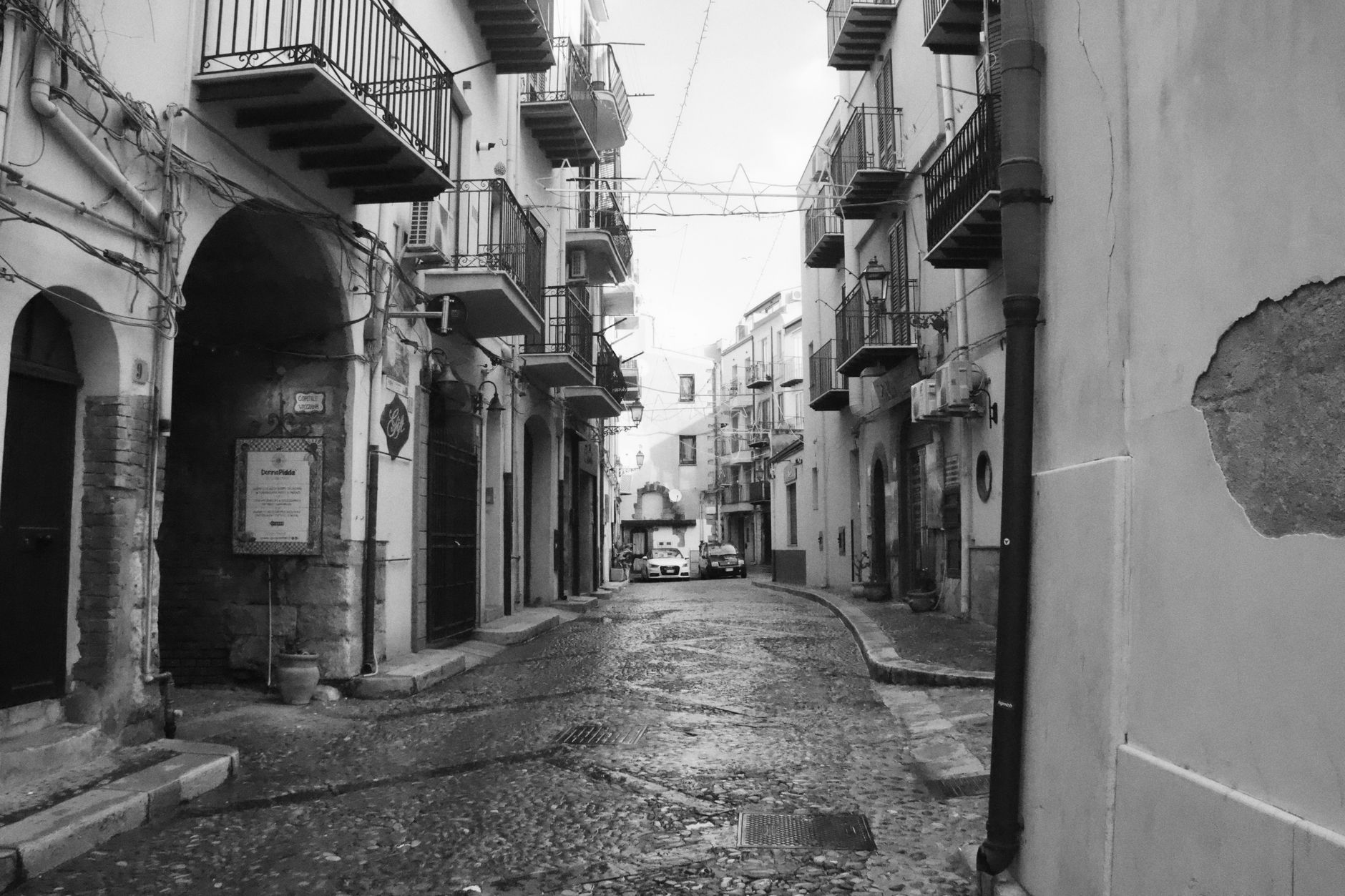
Sitting twenty minutes west of Salerno by SITA bus or ferry, Cetara is an active fishing port defined by tuna fleets and colatura di alici, an amber fish sauce pressed from salted anchovies in chestnut casks. Life runs down Corso Garibaldi to the stony marina. Cetara is worth visiting if you want to eat spaghetti con colatura and grilled bluefin tuna right at the docks. Look elsewhere if you expect wide sandy beaches, late-night dance clubs, or luxury shopping.
Last updated 9 Oct 2026
Build a Cetara itinerary.
Choose up to 4 threads that pull you in. Your plan arrives organised around them.
The Bed
Where to stay in Cetara
Which part of town to book, and what each one costs you in walking, noise or quiet.
The Comparison
Cetara, or somewhere near it
The places you are realistically choosing between, and the honest case for each.
The Local Record
Where to read more about Cetara
The blogs, boards, guides and operators worth bookmarking.
What to do in Cetara Campania Italy
Cetara clusters around a single steep valley opening directly onto a working fishing harbour. Life here turns on the haul brought in by tuna boats and lampara crews rather than tourist timetables. Days unfold over plates of anchovies on Corso Garibaldi, quiet walks beneath lemon pergolas, and swims off pebbly beaches. It suits independent travellers who value genuine maritime food and quiet evenings over resort glamour.
24 hours in Cetara Campania Italy
Start with espresso and sfogliatella near Piazza Roma before watching net-menders by the Viceregal Tower. Walk Corso Garibaldi for lunch of spaghetti con colatura at a harbour tavern, swim off Spiaggia Marina in the afternoon, and take an evening passggiata with fried fish cuoppo in hand. Select 1 Day above to see it.
2 days in Cetara Campania Italy
Add a morning hike into the terraced lemon groves of the Cannillo valley or along the path to the Santuario dell'Avvocata. Spend your afternoon renting a wooden boat for the quiet cove at Lannio, then sit down for a dinner of grilled bluefin tuna ventresca paired with chilled Biancolella wine. Choose 2 Days to expand the plan.
3 days in Cetara Campania Italy
A third day lets you catch the coastal ferry west toward Minori and Amalfi or explore the ceramic kilns of Vietri sul Mare just ten minutes east. Return before sunset for quiet drinks on the pier as the tuna fleet readies its night gear under the cliffs.
Cetara Campania Italy itineraries by interest
Local Seafood in Cetara Campania Italy
Taste colatura di alici tossed over spaghetti, fried paranza of red mullet and squid, and local bluefin tuna cured with sea salt along the marina.
Maritime Heritage in Cetara Campania Italy
Inspect the sixteenth-century Viceregal Tower guarding the cove, and watch crews mend lampara night-fishing nets on the harbour slipway.
Coastal Walks in Cetara Campania Italy
Climb through stepped lemon terraces above town toward the Santuario dell'Avvocata on Mount Falerio for sweeping views across the Gulf of Salerno.
Regional Wine in Cetara Campania Italy
Sip mineral Costa d'Amalfi DOC whites made from Falanghina and Biancolella grapes, alongside savoury Tintore reds grown on steep terraced hills.
Artisan Preserves in Cetara Campania Italy
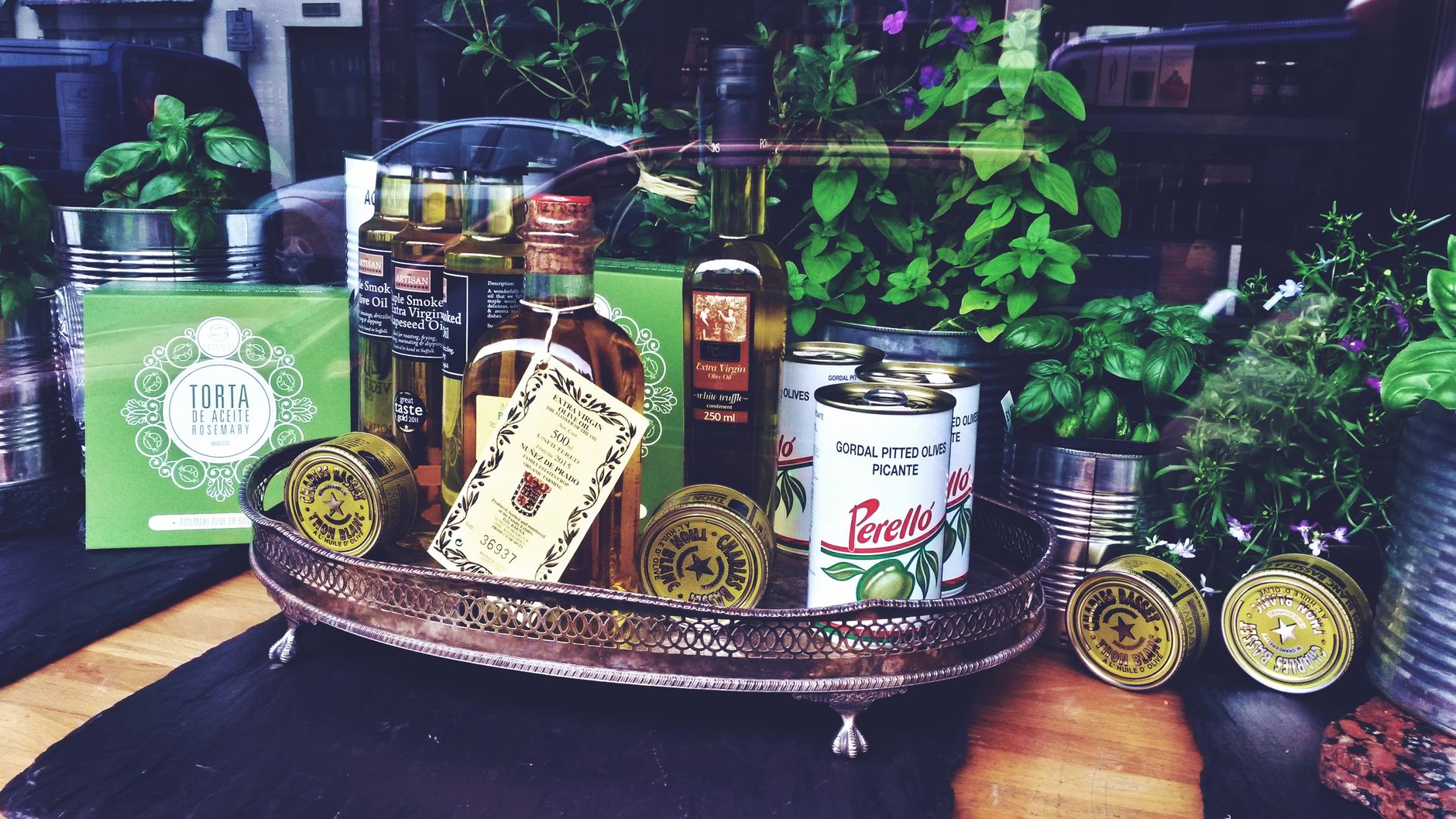
Pick up hand-packed salted anchovies, tuna ventresca in olive oil, and aged colatura bottled in glass terzigni from family shops on Corso Garibaldi.
Sacred Architecture in Cetara Campania Italy
Visit the Church of San Pietro Apostolo to see its majolica-tiled dome, twelfth-century Romanesque belfry, and gilded statue of Saint Peter.
Day Trips in Cetara Campania Italy
Board the morning ferry to Vietri sul Mare for painted ceramics or cruise west to Amalfi and Minori across calm Tyrrhenian waters.
Street Food in Cetara Campania Italy
Grab a hot paper cuoppo filled with flash-fried anchovies and calamari, or a savoury sfogliatella stuffed with ricotta and candied citrus peel.
Beaches & Coves in Cetara Campania Italy
Sunbathe on the pebbled Spiaggia Marina or hire a wooden gozzo boat to reach the secluded cove of Spiaggia della Lannio just west of the harbour.
Hill Hiking in Cetara Campania Italy
Trek the rugged Alta Via dei Monti Lattari trails climbing out of the valley through chestnut woods toward the high ridges of Mount Piano.
Local Taverns in Cetara Campania Italy
Dine at small family-run osterie serving linguine with clams, anchovy stuffed peppers, and home-churned lemon sorbet seasoned with local zest.
Craft Traditions in Cetara Campania Italy
Watch coopers build miniature chestnut wood barrels used to ferment and filter the salted anchovy brine through ancient Roman methods.