Chaves.


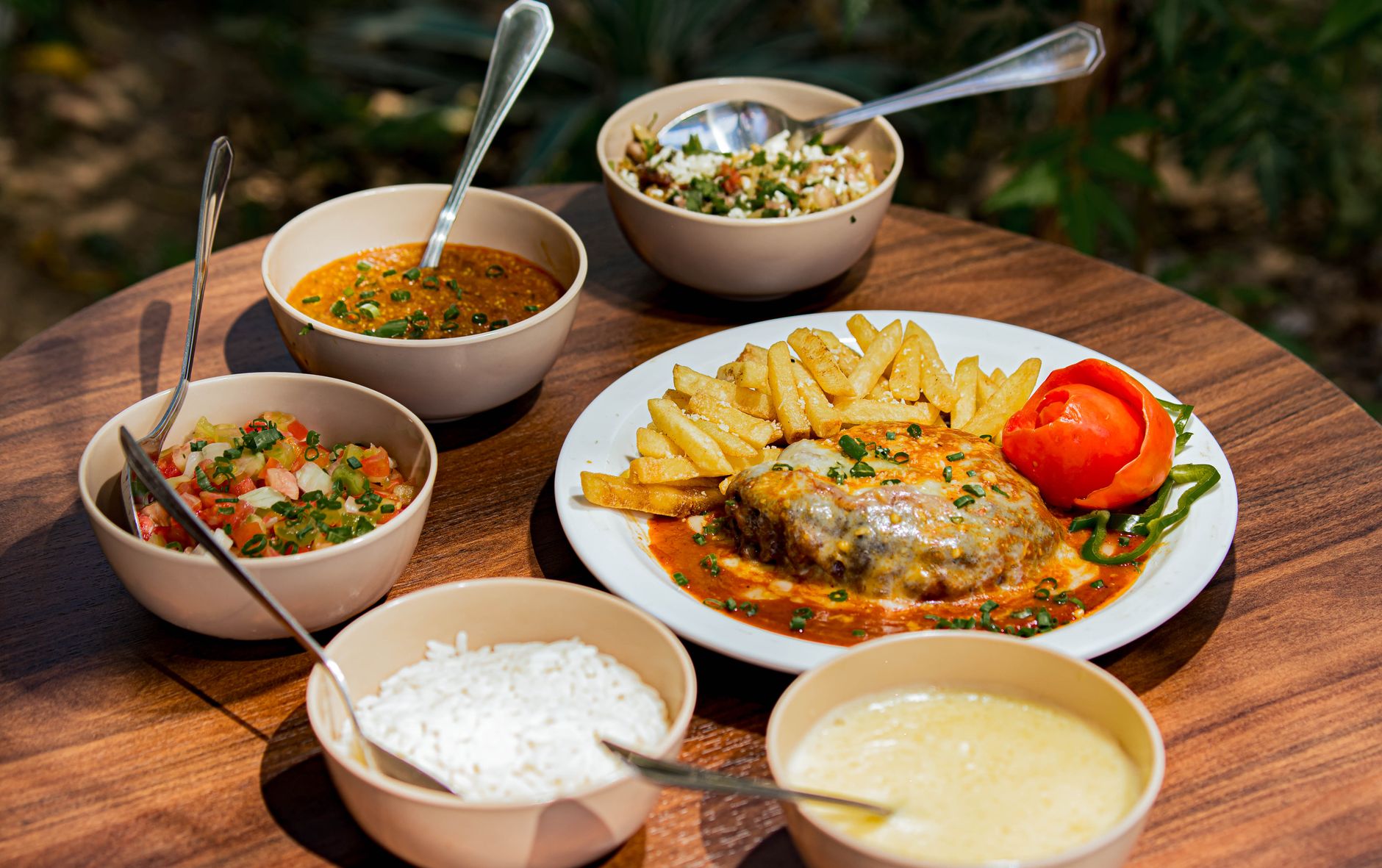

Chaves sits ten miles from Galicia in the high granite country of Trás-os-Montes. You smell woodsmoke, cured ham, and the sulfurous steam rising off the 73-degree mineral spring at Fonte do Povo before you reach the Tâmega River. The Roman legionnaires built a bridge here under Emperor Trajan, and it still takes foot traffic past iron balconies. People come for the thermal water, stay for the spiral layers of beef-stuffed pastéis, and take their time along the ramparts.
Last updated 22 Aug 2026
Build a Chaves itinerary.
Choose up to 4 threads that pull you in. Your plan arrives organised around them.
We'll craft a 3-lens plan for Chaves, one collapsible strand per lens.
Local Markets
Browse the Wednesday municipal market for dried chestnuts, mountain honey, regional cheeses, and bundles of wild greens sold by local smallholders.
Local Markets
Browse the Wednesday municipal market for dried chestnuts, mountain honey, regional cheeses, and bundles of wild greens sold by local smallholders.
Tasting Smoked Bísaro Ham
Mercado Municipal de Chaves
Wander the stalls on Avenida 5 de Outubro; bring small euro coins for slices of IGP Presunto de Chaves and warm broa de centeio. Give it forty-five minutes.
Editor TipHighland Trás-os-Montes cures pork using cold oak smoke and mountain wind, creating a lean, deeply savory ham that has sustained northern farming hamlets since the Roman era. Ask for presunto cut by hand from the bone, not pre-sliced from plastic bins.
Cured Presunto and Wood-Fired Beef
Adega Faustino
Head into this former wine press house for dry-cured ham and Posta Mirandesa. Arrive right at opening to claim a heavy oak table; dinner runs about thirty euros per person.
Editor TipTransmontano cured pork and heritage pasture-raised beef define the mountain larder of Alto Tâmega, prepared simply over glowing embers with local olive oil and garlic. Order a jug of the house Trás-os-Montes red wine to cut through the richness of the sliced presunto.
Highland Presunto and Rye
Mercado Municipal de Boticas
Free entry. Stalls open early from 08:00. Pick up dark rye broa, dry-cured presunto de Barroso, and local heather honey for the road; cash is essential.
Editor TipBoticas sits in the high Barroso, a recognized agricultural heritage region where Barrosã cattle graze communally and curing charcuterie over mountain oak smoke remains an unbroken craft. Arrive before 09:30 before the farmers pack away the freshest warm loaves of mountain rye.
Charcoal-Grilled Barrosã Beef
Restaurante Costa dos Castros
Arrive by 7:30 PM in Montalegre village. Order the thick-cut posta de vitela barrosã with cabbage and regional red wine. Dinner runs about twenty-five euros per person without booking.
Editor TipIndigenous Barrosã cattle graze open communal rangelands, producing intensely flavourful beef that mountain cooks grill simply over holm oak embers with sea salt. Start with a plate of local cured presunto, cut thick with a pocketknife rather than shaved thin on a deli slicer.
Sacred Architecture
Step inside the Romanesque-founded Igreja de Santa Maria Maior and admire the intricate blue azulejos lining the Baroque walls of Igreja da Misericórdia.
Sacred Architecture
Step inside the Romanesque-founded Igreja de Santa Maria Maior and admire the intricate blue azulejos lining the Baroque walls of Igreja da Misericórdia.
Reading Blue Azulejo Walls
Igreja da Misericórdia de Chaves
Step inside this seventeenth-century church on Praça de Camões for free. Spend twenty unhurried minutes taking in the floor-to-ceiling tile murals and carved ceiling.
Editor TipBuilt in 1694, the single nave is completely lined with cobalt-blue baroque tile panels depicting biblical scenes, framed by gilded Transmontano woodcarving. Look up at the painted wood ceiling panel of the Visitation; the morning light through the high clerestory catches it best.
Twelfth-Century Cistercian Solitude
Mosteiro de Santa Maria das Júnias
Park at Pitões das Júnias and follow the stone path twenty minutes down the valley. Free access daily from sunrise to dusk; wear sturdy shoes for the descent.
Editor TipFounded in the 1100s by Benedictines, this granite ruin sits tucked deep into a remote mountain ravine, built for severe monastic isolation against the harsh winds of the Barroso. The damp granite stones on the descent get surprisingly slick; mind your step near the brook.
Note from the Editor
“Start early at the market before the elderly regulars clear the best cured ham and sheep cheese. The churches around Praça de Camões keep quiet morning hours between services.”
The Bed
Where to stay in Chaves
Which part of town to book, and what each one costs you in walking, noise or quiet.
The Comparison
Chaves, or somewhere near it
The places you are realistically choosing between, and the honest case for each.
The Local Record
Where to read more about Chaves
The blogs, boards, guides and operators worth bookmarking.
What to do in Chaves Trás-os-Montes Portugal
Chaves is a compact, walkable border town shaped by the Tâmega River and centuries of frontier defense. The daily rhythm centers on a morning walk across the Roman bridge, an afternoon coffee on Praça de Camões, and hot mineral soaks. It suits independent travellers who appreciate hearty mountain cooking, Roman masonry, and a slower pace far from coastal tour buses.
24 hours in Chaves Trás-os-Montes Portugal
Start at Fonte do Povo to see the steaming thermal spring, then walk the Trajan Bridge into the medieval quarter. Order two warm pastéis de Chaves on Rua Direita, climb the castle keep for views across the valley, and spend the evening over roasted kid goat and local red wine at an old tasca. Select 1 Day above to see it.
2 days in Chaves Trás-os-Montes Portugal
Spend your second morning exploring Forte de São Francisco and the excavated Roman public baths. Cross the river for a long thermal soak at the modern spa, then take an easy afternoon drive out to the fortified village of Monforte de Rio Livre for sweeping mountain views. Choose 2 Days to expand the plan.
3 days in Chaves Trás-os-Montes Portugal
A third day allows you to cross north into Galicia for tapas in Verín or follow the start of the historic EN2 highway south toward Vidago. Take time to linger at a small vineyard in the Alto Tâmega valley and share a plate of wood-smoked presunto without watching the clock.
Chaves Trás-os-Montes Portugal itineraries by interest
Thermal Springs in Chaves Trás-os-Montes Portugal
Sip the scalding 73-degree sodium bicarbonate water directly from the taps at Fonte do Povo before walking across to the modern Termas de Chaves spa.
Roman Heritage in Chaves Trás-os-Montes Portugal
Cross the Tâmega on the first-century Trajan Bridge, then inspect the excavated Roman baths and inscribed imperial milestones at the Museu das Termas Romanas.
Baked Goods in Chaves Trás-os-Montes Portugal
Taste authentic IGP-certified pastel de Chaves, a golden swirl of spiral puff pastry packed with seasoned minced veal, fresh from pastelarias on Rua Direita.
Cured Meats in Chaves Trás-os-Montes Portugal
Sample dark presunto de Chaves cured with mountain air, smoky linguiça, and rich alheiras at traditional charcutarias around Praça de Camões.
Military Fortifications in Chaves Trás-os-Montes Portugal
Climb the fourteenth-century granite keep of Castelo de Chaves and walk the star-shaped seventeenth-century ramparts of Forte de São Francisco.
Regional Bread in Chaves Trás-os-Montes Portugal
Track down warm folar de Chaves, an enriched dough baked heavy with salpicão, presunto, and bacon, traditionally eaten at Easter but sold year-round.
River Walks in Chaves Trás-os-Montes Portugal
Follow the willow-lined boardwalks along the Tâmega River from Jardim do Tabolado toward the Roman bridge, where locals fish for barbel at sunset.
Sacred Architecture in Chaves Trás-os-Montes Portugal
Step inside the Romanesque-founded Igreja de Santa Maria Maior and admire the intricate blue azulejos lining the Baroque walls of Igreja da Misericórdia.
Mountain Wine in Chaves Trás-os-Montes Portugal
Taste mineral-driven Trás-os-Montes DOC reds made from Touriga Nacional and Tinta Amarela, poured in small carafes at rustic adegas across town.
Local Markets in Chaves Trás-os-Montes Portugal
Browse the Wednesday municipal market for dried chestnuts, mountain honey, regional cheeses, and bundles of wild greens sold by local smallholders.
Day Trips in Chaves Trás-os-Montes Portugal
Cross the Spanish border to nearby Verín to see Castillo de Monterrei, or head south along the EN2 road into the rugged granite crags of Boticas.
Rural Cooking in Chaves Trás-os-Montes Portugal
Order a steaming pot of feijoada transmontana or roasted posta mirandesa at unvarnished tascas where lunch stretches well past three in the afternoon.