Chetumal.


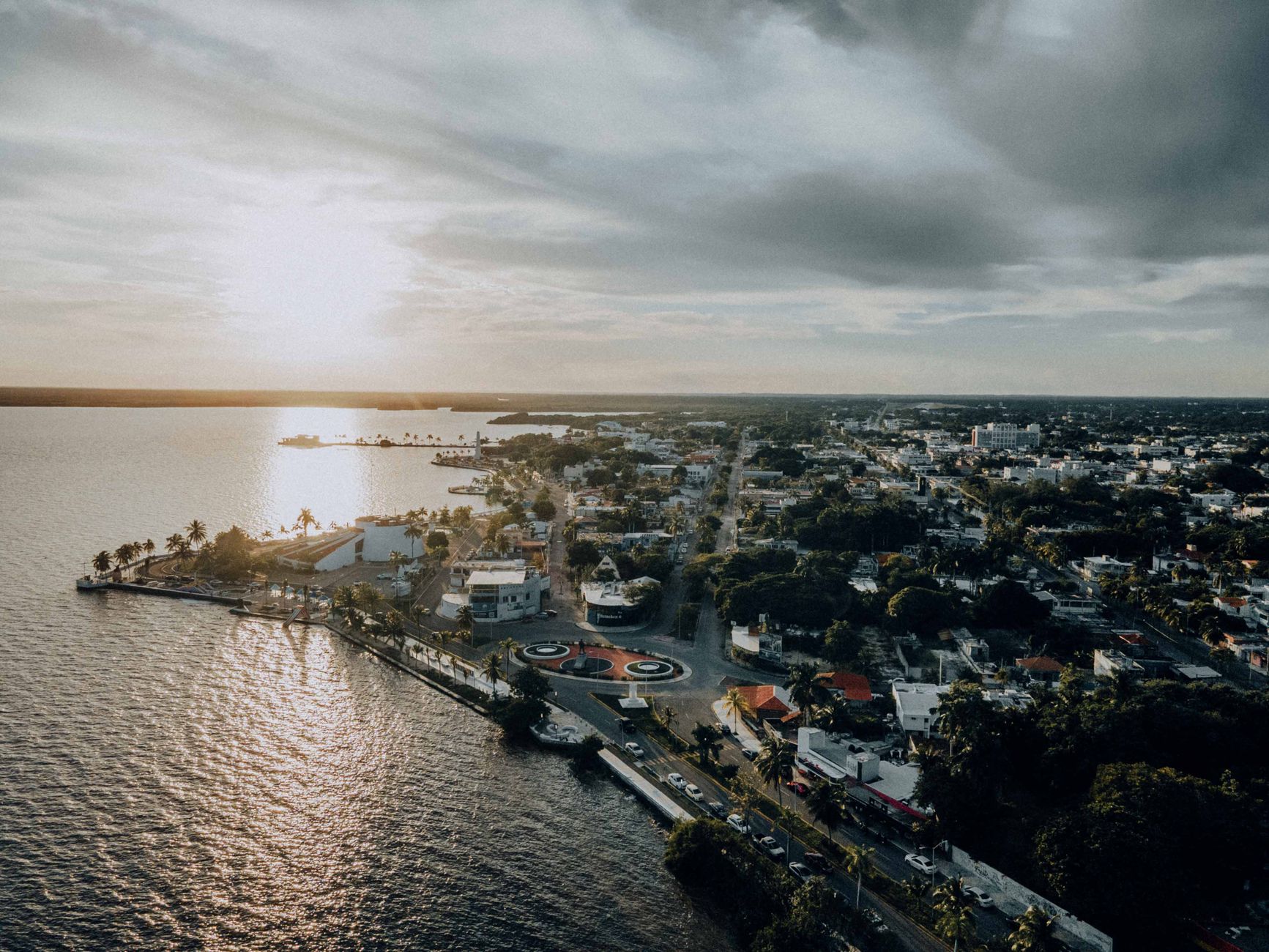


Chetumal sits at the southern tip of Quintana Roo on the Belize border, five hours south of Cancún by road or a quick domestic flight from Mexico City. It is known for its wide bayfront malecón, British-influenced timber houses, and the comprehensive Museo de la Cultura Maya. Chetumal is worth visiting if you want deep Maya history and fresh ceviche along an uncrowded Caribbean bay. Look elsewhere if you want white sand resort beaches, late-night dance clubs, or a walkable colonial hill town.
Last updated 17 Nov 2026
Build a Chetumal itinerary.
Choose up to 4 threads that pull you in. Your plan arrives organised around them.
The Bed
Where to stay in Chetumal
Which part of town to book, and what each one costs you in walking, noise or quiet.
The Comparison
Chetumal, or somewhere near it
The places you are realistically choosing between, and the honest case for each.
The Local Record
Where to read more about Chetumal
The blogs, boards, guides and operators worth bookmarking.
What to do in Chetumal Quintana Roo Mexico
Life in Chetumal moves along the water. Days revolve around shaded morning walks down Avenida de los Héroes, unhurried lunches of fresh caracol ceviche beside the bay, and evening strolls along Boulevard Bahía as the heat breaks. It is a working capital and transport hub that rewards patient travellers who prefer quiet museums, genuine market encounters, and deep Maya history over packaged resort entertainment.
24 hours in Chetumal Quintana Roo Mexico
Start early at the Museo de la Cultura Maya before the midday humidity sets in. Walk ten minutes to Mercado Manuel Altamirano for panuchos and fresh chaya juice, then spend your late afternoon walking Boulevard Bahía out toward the fishermen at Calderitas for grilled snook and a cold beer. Select 1 Day above to see it.
2 days in Chetumal Quintana Roo Mexico
Use your second day to explore the timber cottages of Barrio Bravo on foot, noticing the distinct Belizean influence. By early afternoon, catch a local colectivo thirty minutes north to Laguna Guerrero for tranquil kayaking and fresh fried mojarra at a quiet waterside palapa. Choose 2 Days to expand the plan.
3 days in Chetumal Quintana Roo Mexico
A third day allows you to hire a driver or rent a car for the southern jungle ruins. Spend the morning at Kohunlich under the giant stucco mask pyramids, followed by the towering terraces of Dzibanché, returning to Chetumal for an evening marquesita at Parque del Queso.
Chetumal Quintana Roo Mexico itineraries by interest
Local Seafood in Chetumal Quintana Roo Mexico
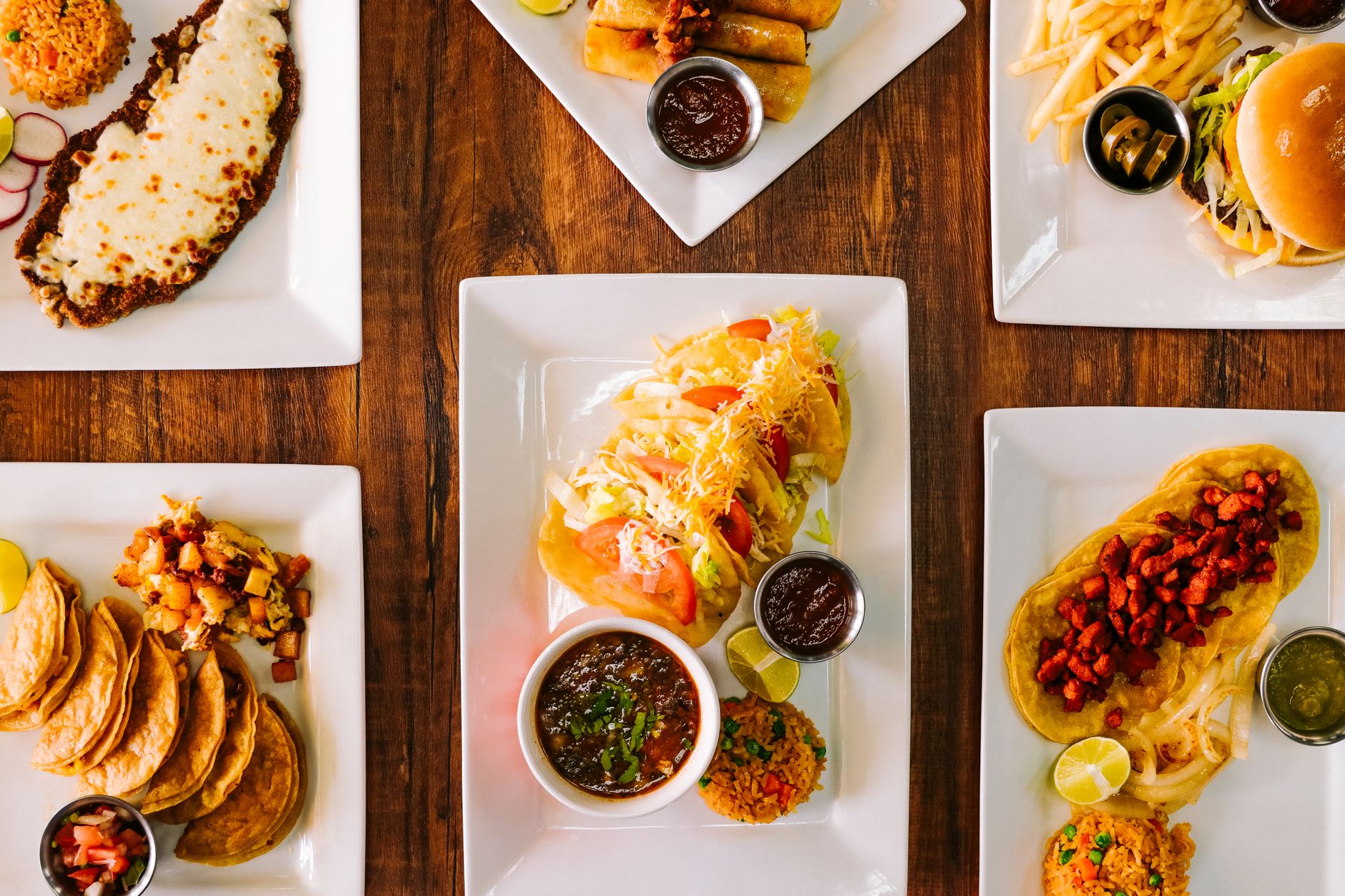
Order caracol de ramillete ceviche or butter-fried tikin xic fish at palapas along Boulevard Bahía, served with cold habanero-laced pickled red onions.
Regional Archaeology in Chetumal Quintana Roo Mexico
The Museo de la Cultura Maya on Avenida Héroes lays out intricate jade masks, ceramic burial urns, and cosmological carvings from southern jungle sites.
Street Food in Chetumal Quintana Roo Mexico
Grab marquesitas rolled with Dutch Edam cheese and Nutella or savoury panuchos stuffed with black beans from carts parked around Parque del Queso.
Vernacular Architecture in Chetumal Quintana Roo Mexico
Spot wooden Anglo-Caribbean homes with high gables and zinc roofs on Barrio Bravo, built in the early twentieth century from imported Belizean pine.
Coastal Walks in Chetumal Quintana Roo Mexico
Stroll Boulevard Bahía at sunset from the government palace to Calderitas, watching fishermen pull snook and jacks from the brackish bay waters.
Markets & Produce in Chetumal Quintana Roo Mexico
Mercado Manuel Altamirano bustles with chaya leaves, sour oranges, fresh tamales colados, and wedges of red-wax Edam cheese brought from Belize.
Day Trips in Chetumal Quintana Roo Mexico
Drive fifty minutes west to the fortress of San Felipe in Bacalar or the monumental stone stucco masks at the jungle ruins of Kohunlich.
Bay & Wildlife in Chetumal Quintana Roo Mexico
Take a quiet boat into the Santuario del Manatí in Chetumal Bay, watching for West Indian manatees grazing in the shallow, protected mangrove inlets.
Border Traditions in Chetumal Quintana Roo Mexico
Cross the bridge to the Corozal Free Zone or try Belizean rice and beans with stewed chicken and fry jacks right in the downtown markets.
Traditional Baking in Chetumal Quintana Roo Mexico
Panadería La Nueva República bakes fresh conchas, bolillos, and Marquesote sponge cake flavoured with lime zest and cinnamon every afternoon.
Mayan Ruins in Chetumal Quintana Roo Mexico
Explore Dzibanché and Kinichná an hour inland, climbing Temple of the Cormorants for views over unexcavated jungle mounds with almost no other visitors.
Public Parks in Chetumal Quintana Roo Mexico
Parque de los Caimanes offers shaded park benches under giant ficus trees, surrounded by neighbourhood fruit stands selling sliced jicama and chile.