Cobá.


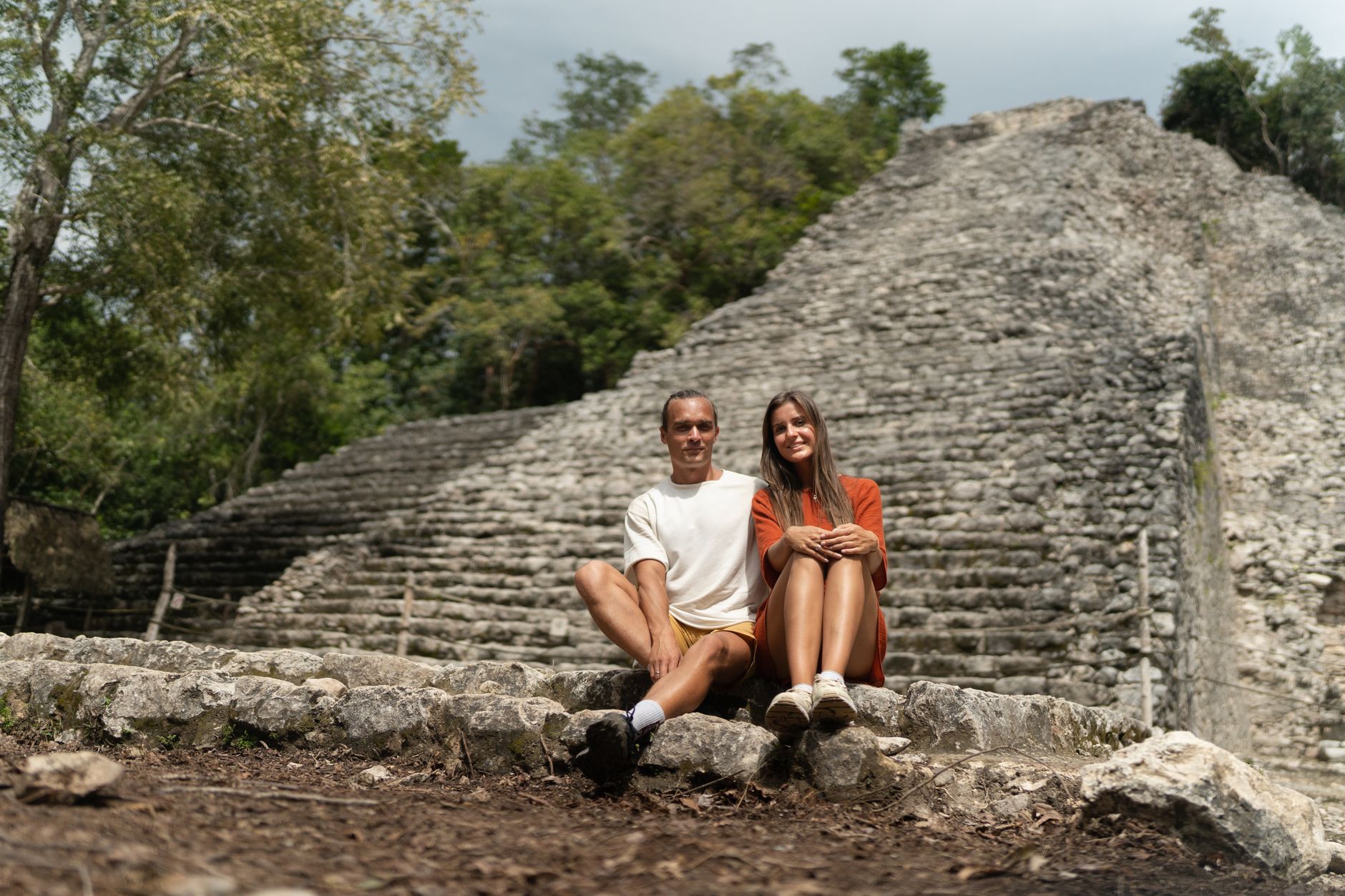


Sitting forty-five minutes northwest of Tulum on Highway 109, Cobá is a quiet lakeside village built around an immense Classic Maya city swallowed by lowland forest. Unlike cleared coastal ruins, here stone temples link across miles of raised white causeways under thick canopy. Cobá is worth visiting if you want to pedal shaded dirt trails between unexcavated pyramids and swim in deep underground cenotes. Look elsewhere if you expect beach clubs, manicured resorts, or late-night cocktail bars.
Last updated 8 Oct 2026
Build a Cobá itinerary.
Choose up to 4 threads that pull you in. Your plan arrives organised around them.
The Bed
Where to stay in Cobá
Which part of town to book, and what each one costs you in walking, noise or quiet.
The Comparison
Cobá, or somewhere near it
The places you are realistically choosing between, and the honest case for each.
The Local Record
Where to read more about Cobá
The blogs, boards, guides and operators worth bookmarking.
What to do in Cobá Quintana Roo Mexico
Cobá centers on its quiet inland lakes and archaeological park. Days here operate around early entries into the ruins before the mid-day heat, followed by cooling swims in underground sinkholes and unhurried lunches of slow-braised pork. It suits independent travellers, cyclists, and families seeking shaded, low-stress historical exploration far from coastal crowds.
24 hours in Cobá Quintana Roo Mexico
Arrive at the ticket booth by eight in the morning. Rent a bicycle to navigate between Grupo Macanxoc and the towering Nohoch Mul temple. By noon, cool off in the cave waters of Cenote Choo-Ha, then head into the village for a plate of grilled poc chuc with pickled red onions at El Faisán. Select 1 Day above to see it.
2 days in Cobá Quintana Roo Mexico
Spend your second morning paddling or birdwatching along Lake Cobá before driving twenty minutes north to the Punta Laguna Nature Reserve for guided canopy walks among spider monkeys. Return to town for hand-patted tortillas, fresh chaya water, and venison salbutes along the main avenue. Choose 2 Days to expand the plan.
3 days in Cobá Quintana Roo Mexico
A third day allows an easy loop further inland to the quiet colonial plaza of Valladolid. Spend the morning viewing Franciscan masonry at the Convento de San Bernardino, eat smoked sausage in Temozón along the route, and return to Cobá for an unhurried sunset by the lake.
Cobá Quintana Roo Mexico itineraries by interest
Ancient Ruins in Cobá Quintana Roo Mexico
Explore Nohoch Mul and Grupo Cobá, where massive limestone pyramids and carved stelae emerge straight out of dense mahogany and zapote trees.
Jungle Cycling in Cobá Quintana Roo Mexico
Rent a sturdy single-speed cruiser at the main gate to cover the long, flat sacbeob connecting distant temple clusters under thick forest shade.
Freshwater Cenotes in Cobá Quintana Roo Mexico
Descend wooden staircases into the cool, clear groundwater caverns of Choo-Ha, Tamcach-Ha, and Multum-Ha just west of the village.
Yucatecan Cuisine in Cobá Quintana Roo Mexico
Taste pork belly poc chuc grilled over charcoal, hand-pressed tortillas, and venison salbutes seasoned with sour orange and charred habanero.
Sacred Roads in Cobá Quintana Roo Mexico
Follow Sacbe 1, an elevated white stone highway stretching sixty miles to Yaxuna, showcasing ancient Maya engineering through wild forest.
Birdwatching in Cobá Quintana Roo Mexico
Scan the shoreline of Lake Cobá and tree canopies at dawn for motmots, keel-billed toucans, lineated woodpeckers, and brown jays.
Village Life in Cobá Quintana Roo Mexico
Walk the paved perimeter road where family eateries serve sopa de lima and women embroider traditional floral huipiles on shady porches.
Lakeside Walks in Cobá Quintana Roo Mexico
Circle Lake Cobá along the quiet paved path to watch for freshwater crocodiles sunning themselves on mud banks in the late afternoon.
Craft Traditions in Cobá Quintana Roo Mexico
Browse stalls near the village pier selling hand-woven hammocks, natural honey from stingless Melipona bees, and carved limestone vessels.
Traditional Cooking in Cobá Quintana Roo Mexico
Order cochinita pibil slow-roasted in banana leaves with achiote paste and sour orange juice, served alongside fresh refried black beans.
Cave Formations in Cobá Quintana Roo Mexico
Admire stalactites hanging over turquoise pools at Cenote Choo-Ha, where shallow waters allow quiet swimming deep beneath cavern ceilings.
Day Trips in Cobá Quintana Roo Mexico
Drive thirty minutes north to Punta Laguna Nature Reserve to track spider monkeys in the canopy and canoe across deep freshwater lagoons.