


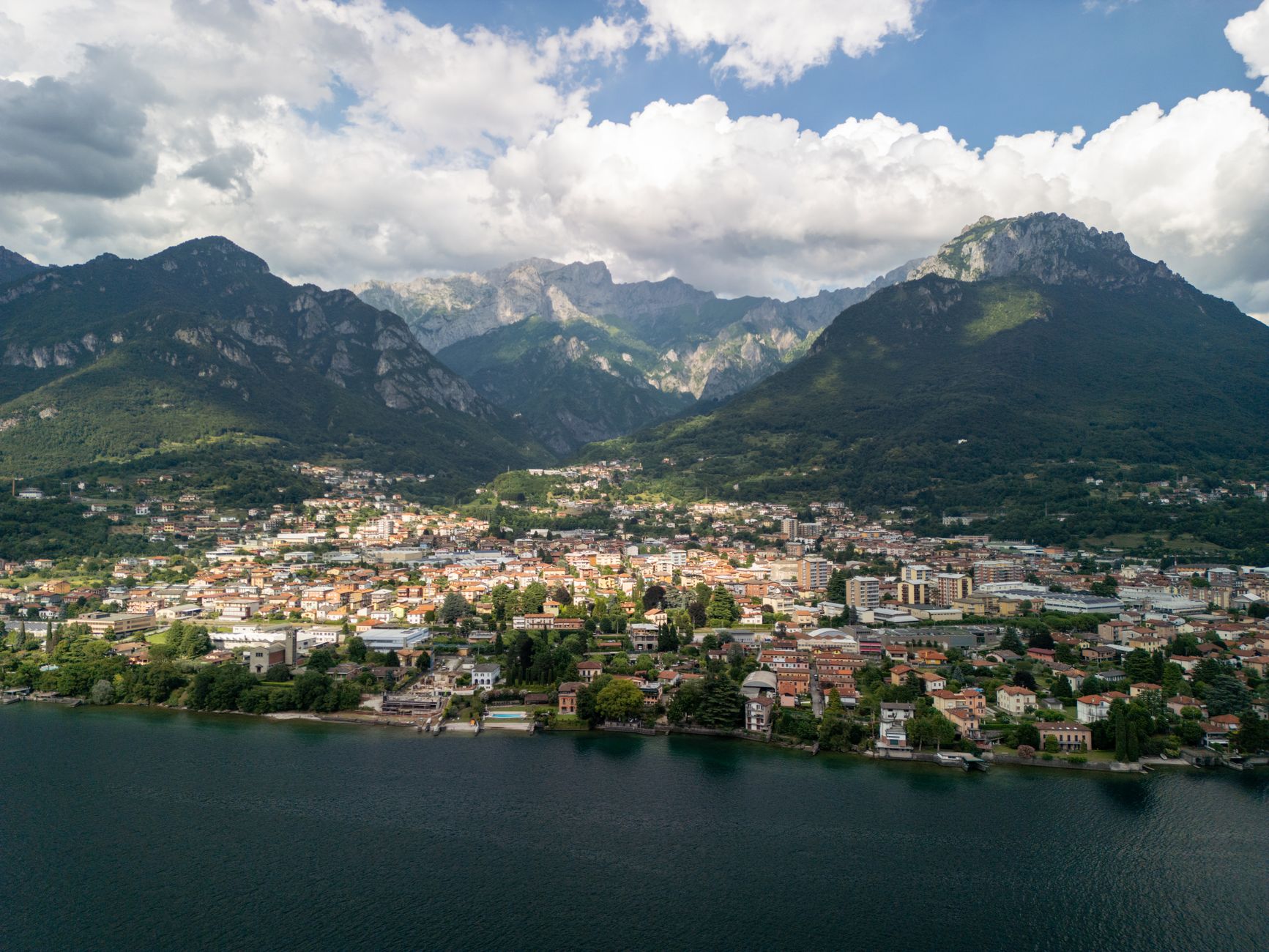


The morning train from Milan spits you out against a wall of steep green foothills, right where the southern tip of the lake narrows into Roman street grids. Silk mills and Rationalist white marble define the shoreline, while the Piazza del Duomo fills with commuters downing quick espressos under gothic spires. It is an industrious, handsome border city that works for a living, far more grounded than the resort villas further north, yet blessed with the same cold, glacial water.
Last updated 28 Aug 2026
Build a Como itinerary.
Choose up to 4 threads that pull you in. Your plan arrives organised around them.
The Bed
Where to stay in Como
Which part of town to book, and what each one costs you in walking, noise or quiet.
The Comparison
Como, or somewhere near it
The places you are realistically choosing between, and the honest case for each.
The Local Record
Where to read more about Como
The blogs, boards, guides and operators worth bookmarking.
What to do in Como Lake Como Italy
Flat and walkable within its Roman walls, Como is built for travellers who prefer everyday urban life to isolated resort enclaves. Days orbit the Piazza San Fedele markets, walks along the lakeside promenade toward Villa Olmo, and evenings spent over carafes of local wine and plates of risotto con pesce persico. It suits curious walkers, architecture lovers, and anyone who appreciates a functioning Italian city on the water.
24 hours in Como Lake Como Italy
Start with morning coffee under the Duomo facade, then wander Via Vitani before boarding the seven-minute funicular up to Brunate. Lunch on polenta uncia at a hillside trattoria. Come down by mid-afternoon for a flat twenty-minute lakeside walk out to Villa Olmo, ending with missoltini at an old enoteca. Select 1 Day above to see it.
2 days in Como Lake Como Italy
Take a thirty-minute passenger ferry north to quiet Torno, exploring its stone alleys and Romanesque church steps before noon. Return to Como to delve into the silk workshops of the old walled quarter, followed by a dinner of handmade buckwheat pizzoccheri and braised beef at an unassuming neighbourhood osteria. Choose 2 Days to expand the plan.
3 days in Como Lake Como Italy
A third day allows a morning climb through Spina Verde park up to the stone tower of Castello Baradello, followed by an afternoon exploring Giuseppe Terragni's Rationalist landmarks. Finish at the covered Mercato Annonario to stock up on alpine taleggio and cured bresaola before a late aperitivo by the port.
Como Lake Como Italy itineraries by interest
Lake Fish in Como Lake Como Italy
Taste sun-dried missoltini with grilled polenta, pan-fried perch risotto, and delicate lavarello pulled fresh from the deep alpine water.
Sacred Architecture in Como Lake Como Italy
Inspect the 14th-century Gothic marble facade of the Duomo and the stark, pure Romanesque geometry inside the Basilica di Sant'Abbondio.
Modern Architecture in Como Lake Como Italy
Study Giuseppe Terragni's Rationalist masterworks, including Casa del Fascio and the Novocomum apartment block near the lake promenade.
Textile Crafts in Como Lake Como Italy
Trace centuries of silk manufacturing at the Museo della Seta, then browse tie and scarf workshops along the walled historic center.
Funicular Views in Como Lake Como Italy
Ride the 1894 funicular railway straight up to Brunate for mountain air, Art Nouveau villas, and walking trails toward Monte Boletto.
Local Wine in Como Lake Como Italy
Sample crisp whites and light reds from the nearby Terre Lariane IGT hills, paired with aged zincarlin and casoretta cheeses.
Historic Markets in Como Lake Como Italy
Weave through the Tuesday and Saturday stalls along the medieval town walls for local bresaola, mountain butter, and seasonal chestnuts.
Water Travel in Como Lake Como Italy
Board the public battello steamers from the main dock to reach Torno, Cernobbio, and the stone villas dotting the southwestern shoreline.
Fortified Ruins in Como Lake Como Italy
Climb the wooded trails to the 12th-century Castello Baradello tower for sweeping panoramas across the Po plain and the Swiss border.
Gardens & Villas in Como Lake Como Italy
Walk the lakefront path to Villa Olmo to stroll neoclassic gardens and explore public exhibition halls facing the open water.
Regional Pasta in Como Lake Como Italy
Order buckwheat pizzoccheri laden with Casera cheese, cabbage, and browned butter at unpretentious trattorias off Via Vitani.
Walking Trails in Como Lake Como Italy
Hike the Greenway del Lago starting nearby or follow old mule tracks along the ridge from Brunate towards the quiet hamlet of San Maurizio.