Corvara in Badia.


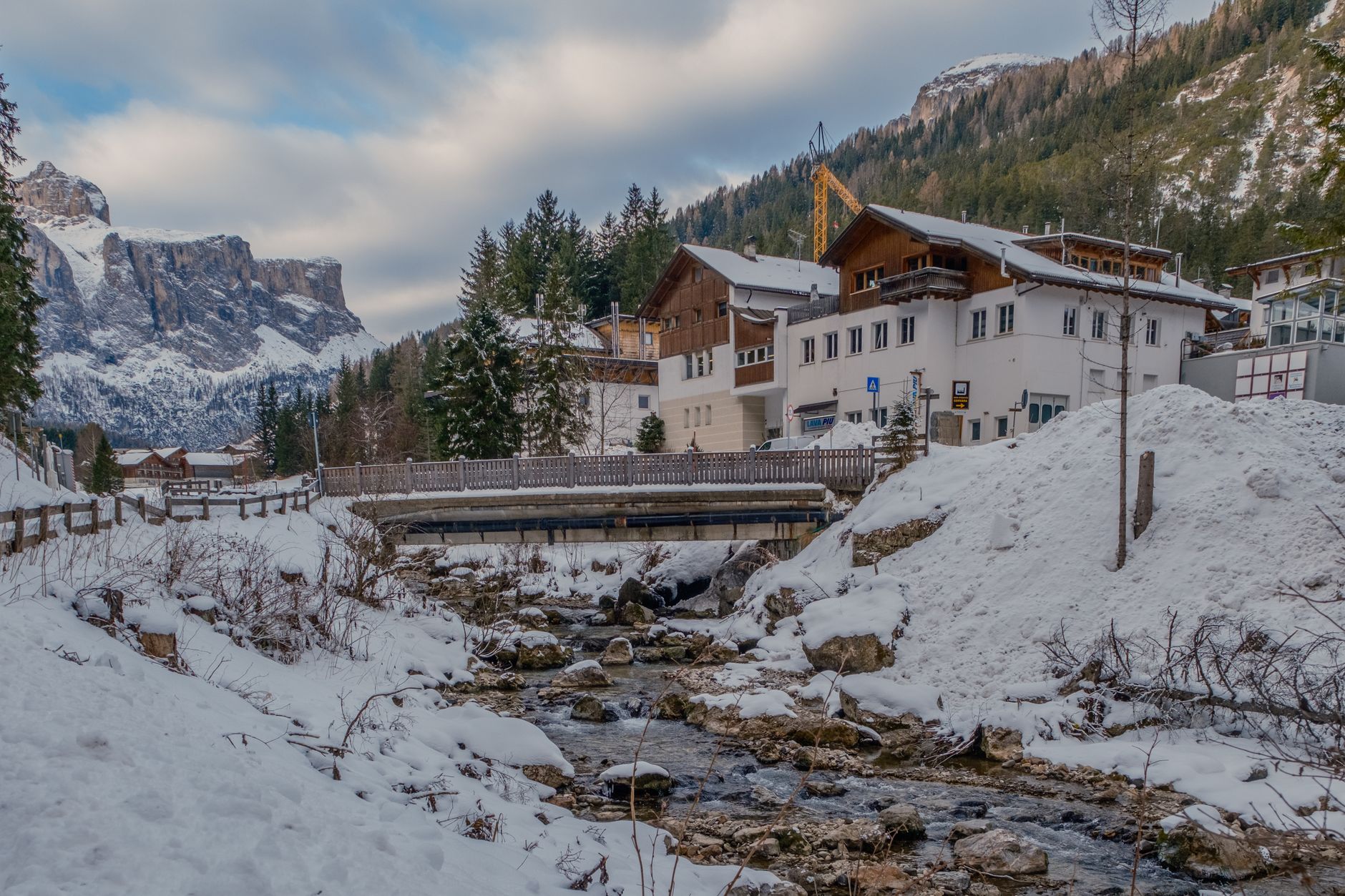

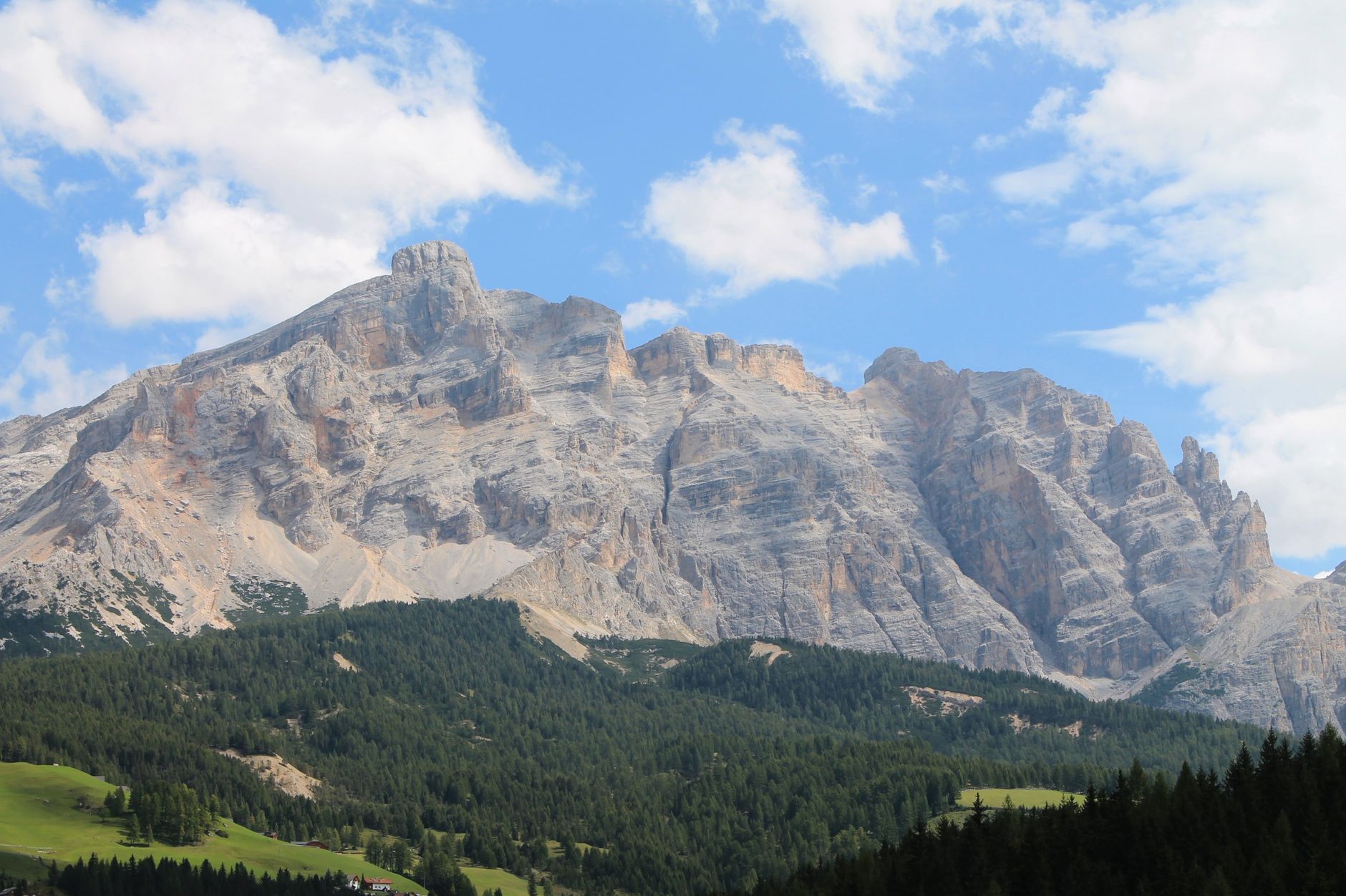

Corvara sits two hours east of Bolzano by road, positioned directly under the pale limestone face of Sassongher in the Val Badia. It is the historic cradle of Dolomite skiing, known for its high mountain passes and Ladin alpine culture. Corvara in Badia is worth visiting if you want direct access to high-altitude ridge walks and hearty Ladin mountain huts serving tutres and barley soup. Look elsewhere if you want late-night clubbing, budget backpacker hostels, or broad flat valley walks.
Last updated 4 Nov 2026
Build a Corvara in Badia itinerary.
Choose up to 4 threads that pull you in. Your plan arrives organised around them.
The Bed
Where to stay in Corvara in Badia
Which part of town to book, and what each one costs you in walking, noise or quiet.
The Comparison
Corvara in Badia, or somewhere near it
The places you are realistically choosing between, and the honest case for each.
The Local Record
Where to read more about Corvara in Badia
The blogs, boards, guides and operators worth bookmarking.
What to do in Corvara in Badia South Tyrol Italy
Corvara in Badia arranges itself neatly along Strada Col Alt, ringed completely by Dolomite rock faces. The village rhythm revolves around the morning lift lines and the late-afternoon return to wood-panelled stües for cold beer and speck. It suits independent walkers, cyclists, and skiers who prefer mountain air, sturdy alpine infrastructure, and Ladin hospitality over polished resort flash.
24 hours in Corvara in Badia South Tyrol Italy
Board the Col Alto gondola after an espresso at 08:30 to reach the high Pralongià plateau. Hike two hours across open ridge grass to Rifugio Scotoni for grilled ribs, polenta, and Lagrein. Ride the lift back down before 17:00 and spend your evening lingering over spinach tutres at a local tavern in town. Select 1 Day above to see it.
2 days in Corvara in Badia South Tyrol Italy
Day two tackles the high rock. Ascend the steep switchbacks toward Passo Gardena or take the trail beneath Sassongher for sweeping views of the Sella massif. By afternoon, drive fifteen minutes down the valley to San Cassiano, where you trade simple trail rations for wood-fired game and wild berries. Choose 2 Days to expand the plan.
3 days in Corvara in Badia South Tyrol Italy
A third day gives you time to navigate the full road loop over Passo Campolongo and Passo Pordoi into Arabba, or visit the Ladin museum at Ciastel de Tor in San Martin. Settle into the slower pace of high-altitude cheese dairies and quiet forest chapels without chasing lift schedules.
Corvara in Badia South Tyrol Italy itineraries by interest
Alpine Hiking in Corvara in Badia South Tyrol Italy
Walk the high trail under Sassongher or cross the Puez-Odle plateau from the Col Alto gondola over cracked limestone scree.
Mountain Biking in Corvara in Badia South Tyrol Italy
Ride the Sellaronda mountain bike circuit around the four passes, taking advantage of modern cable lifts and rough gravel tracks.
Regional Dining in Corvara in Badia South Tyrol Italy
Order spinach-filled tutres, panicia barley soup, and speck knödel in wood-panelled stües across the village.
Road Cycling in Corvara in Badia South Tyrol Italy
Climb the switchbacks of Passo Gardena and Passo Campolongo on two wheels, following the classic Maratona dles Dolomites route.
Alpine Pastures in Corvara in Badia South Tyrol Italy
Stroll the gentle meadows of Pralongià for views across Marmolada glacier and stops at timber rifugi for fresh buttermilk.
Local Wine in Corvara in Badia South Tyrol Italy
Drink crisp Kerner, pale Schiava, and earthy Lagrein from the Valle Isarco cellars paired with smoked mountain cheeses.
Winter Sports in Corvara in Badia South Tyrol Italy
Clip in for the 40-kilometre Sellaronda ski loop directly from the village centre lifts without unbuckling your boots.
Historic Architecture in Corvara in Badia South Tyrol Italy
Visit the 15th-century Church of Saint Catherine in town, noting its Gothic winged altar and painted frescoed walls.
Ladin Culture in Corvara in Badia South Tyrol Italy
Explore the Ciastel de Tor museum in San Martin down the valley to trace the ancient Rhaeto-Romance dialect and customs.
Via Ferrata in Corvara in Badia South Tyrol Italy
Clip into iron cables along the Brigata Tridentina route up the sheer northern buttress of the Sella group.
Village Life in Corvara in Badia South Tyrol Italy
Wander Strada Col Alt in the late afternoon for dry Hugo spritzes, bakery visits for strudel, and quiet woodcraft shops.
Scenic Passes in Corvara in Badia South Tyrol Italy
Drive the dramatic turns of the Passo Pordoi and Passo Valparola to explore World War I bunker ruins in the high rock.