Daegu.


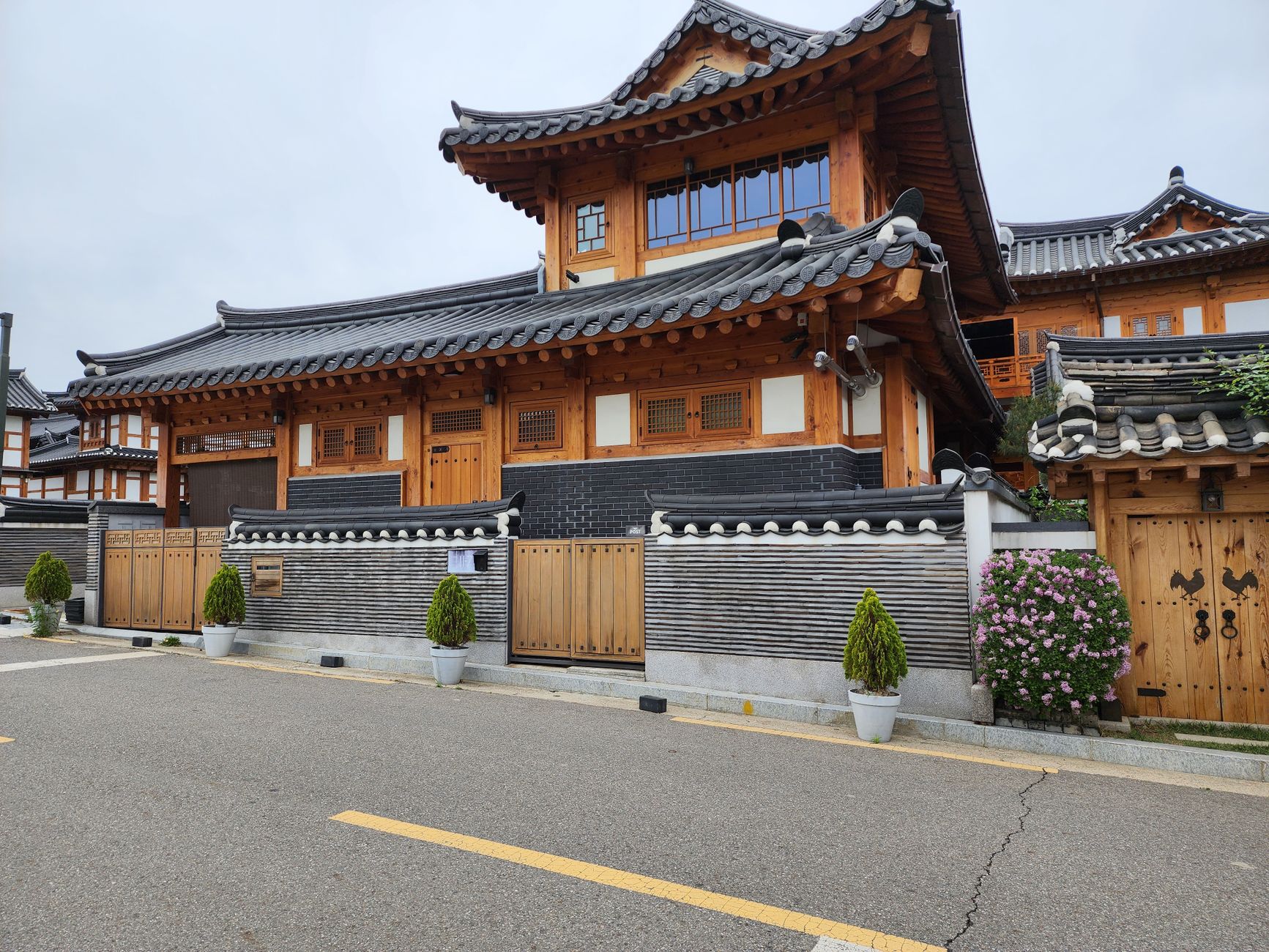
Daegu sits an hour and forty minutes south of Seoul by KTX bullet train, or forty-five minutes north of Busan. South Korea's fourth-largest city built its reputation on textile manufacturing, an unbroken four-hundred-year herbal medicine market, and aggressive summer heat. The basin geography traps the humidity, but the street-level food culture runs late and unhurried. Daegu is worth visiting if you want to eat raw beef mungtigi and charcoal-grilled makchang in open-sided market alleys. Look elsewhere if you want coastal beaches, grand royal palaces, or an escape from sweltering summer heat.
Last updated 9 Sept 2026
Build a Daegu itinerary.
Choose up to 4 threads that pull you in. Your plan arrives organised around them.
The Bed
Where to stay in Daegu
Which part of town to book, and what each one costs you in walking, noise or quiet.
The Comparison
Daegu, or somewhere near it
The places you are realistically choosing between, and the honest case for each.
The Local Record
Where to read more about Daegu
The blogs, boards, guides and operators worth bookmarking.
What to do in Daegu Gyeongsang South Korea
Daegu spreads across a broad basin surrounded by low mountains, structured around a grid of specialised market quarters. The days begin in the herbal pharmacies of Yangnyeongsi and wind down over sizzling makchang grills in Anjirang. It is an unpretentious, working city where walking between historic missionary compounds, fabric warehouses, and open-air food stalls requires only a comfortable pair of shoes and a subway pass.
24 hours in Daegu Gyeongsang South Korea
Spend morning on the Cheongna Hill heritage route before stopping for lunch at Gukil Ttaro Gukbap. In the afternoon, browse Yangnyeongsi herbal market, then head to Seomun Market by 6:00 PM for flat dumplings and spicy tteokbokki. Subway Line 3 links both spots in fifteen minutes. Select 1 Day above to see it.
2 days in Daegu Gyeongsang South Korea
Day two takes you south to Apsan Park for morning mountain views, followed by an unhurried afternoon around Suseong Lake. End the night along Anjirang Makchang Street, sharing grilled pork intestines and cold beer at plastic tables surrounded by local workers. Choose 2 Days to expand the plan.
3 days in Daegu Gyeongsang South Korea
A third day allows a quiet journey north to Palgongsan and Donghwasa temple, or an hour-long regional bus to Haeinsa to view the 13th-century Tripitaka Koreana blocks. Return to Samdeok-dong for evening tea and slow exploration through quiet residential lanes.
Daegu Gyeongsang South Korea itineraries by interest
Local Meat & Grills in Daegu Gyeongsang South Korea
Order raw beef mungtigi sliced thick with red pepper garlic paste, or chewy pork makchang grilled over hot briquettes along Anjirang Alley.
Herbal Medicine in Daegu Gyeongsang South Korea
Walk the Yangnyeongsi market street, operating since 1658, where sacks of wild ginseng, dried roots, and warming medicinal broths steam open-air.
Historic Alleys in Daegu Gyeongsang South Korea
Follow the Cheongna Hill trail past 1900s red-brick missionary houses, the First Presbyterian Church, and the March 1st Independence Movement stairs.
Mountain Temples in Daegu Gyeongsang South Korea
Ride the cable car up Palgongsan to Donghwasa temple, founded in 493, home to the stone-carved Tongil Daebul Buddha overlooking the pine valley.
Markets & Stalls in Daegu Gyeongsang South Korea
Navigate Seomun Market at dusk for fresh knife-cut kalguksu noodles, handmade napjak mandu flat dumplings, and sweet hotteok griddled on cast iron.
Urban Walking in Daegu Gyeongsang South Korea
Walk the modern pedestrian strip of Dongseong-ro before turning into the quiet retro backstreets of Samdeok-dong for espresso and independent bookshops.
Day Trips in Daegu Gyeongsang South Korea
Take the 45-minute bus west to Haeinsa temple on Mount Gayasan to see the Tripitaka Koreana, 81,258 thirteenth-century wooden Buddhist printing blocks.
Night Views in Daegu Gyeongsang South Korea
Take the Apsan park cable car at dusk to the observatory deck for unobstructed panoramic views of the entire illuminated Daegu city basin below.
Regional Soups in Daegu Gyeongsang South Korea
Settle onto low stools for ttaro gukbap, a fiery local broth of beef flank, spring onions, and radish served with rice on the side instead of stirred in.
Modern Art in Daegu Gyeongsang South Korea
Visit the Daegu Art Museum in Suseong-gu, showcasing post-war Korean abstract painters like Lee In-sung alongside international contemporary works.
Lakes & Promenades in Daegu Gyeongsang South Korea
Circle Suseong Lake along tree-lined gravel paths, stopping at dockside tea houses and watching the evening fountain displays reflected on the water.
Textile Heritage in Daegu Gyeongsang South Korea
Explore the DTC Textile Museum and ancient Seomun fabric alleys where generations of merchants still sell raw silk, cotton bolts, and tailored hanbok.