Jeju City.


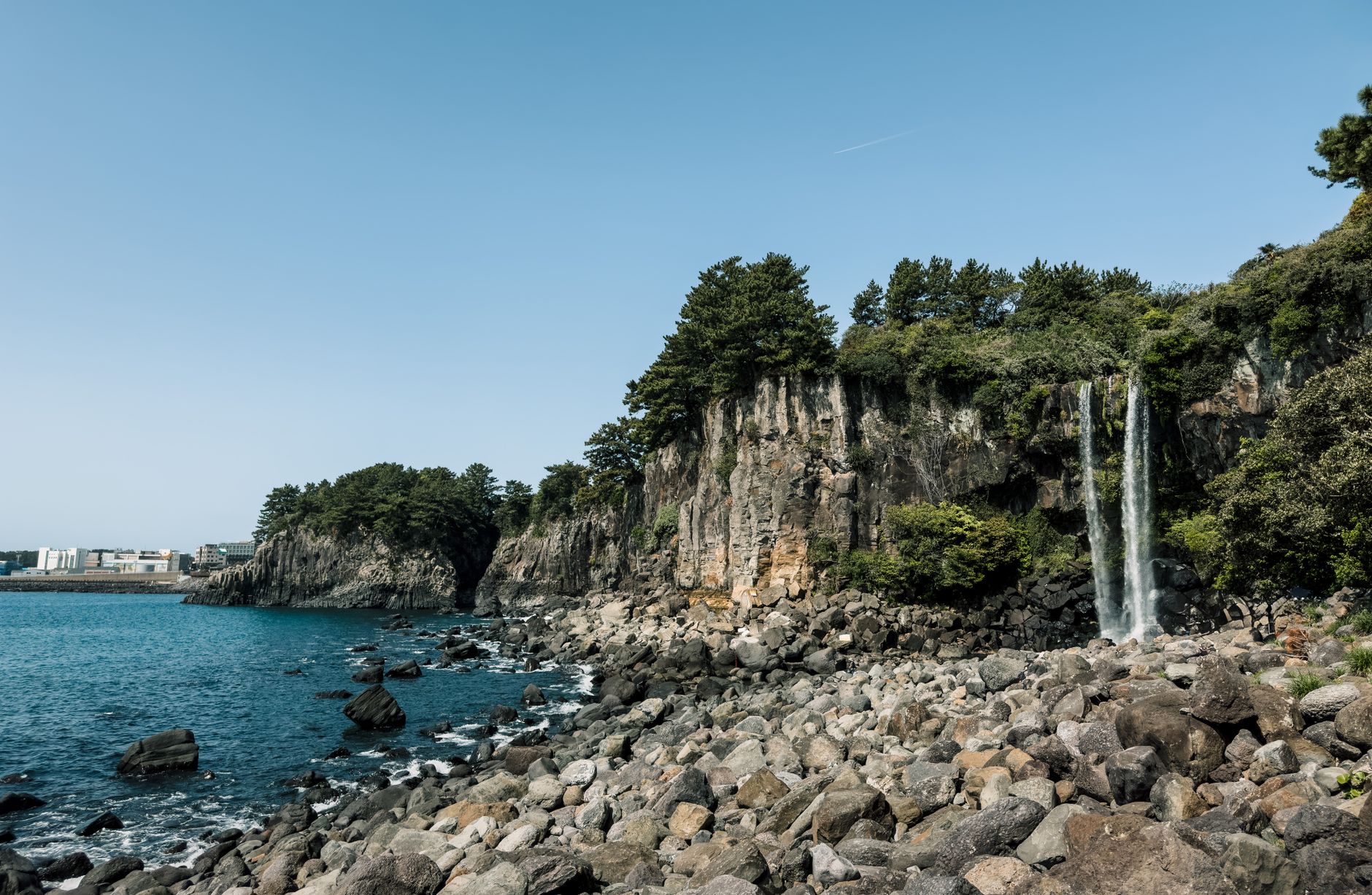

Black basalt reefs break the yellow sea foam long before your ferry reaches the port. Jeju City spreads across the northern slope of Hallasan volcano, divided cleanly between the old administrative quarter and modern grid streets. It is an honest, breezy transit town anchored by charcoal braziers, where night markets run late on abalone porridge and restaurants grill thick slabs of native black pork on cast iron.
Last updated 28 Aug 2026
Build a Jeju City itinerary.
Choose up to 4 threads that pull you in. Your plan arrives organised around them.
The Bed
Where to stay in Jeju City
Which part of town to book, and what each one costs you in walking, noise or quiet.
The Comparison
Jeju City, or somewhere near it
The places you are realistically choosing between, and the honest case for each.
The Local Record
Where to read more about Jeju City
The blogs, boards, guides and operators worth bookmarking.
What to do in Jeju City Jeju South Korea
Jeju City functions as the island's working hub, split into old Gu-Jeju around the harbor and modern Shin-Jeju near the airport. Days center around coastal strolls, market grazing, and hearty noodle lunches before evening grills fire up. It suits independent travellers who value solid bus connections, unpretentious dining, and an urban base that lets you reach trailheads and coastal paths without changing hotels every night.
24 hours in Jeju City Jeju South Korea
Start with hot pork broth at Gogi-guksu Street, then walk the volcanic shore at Yongduam Rock. Spend the afternoon viewing Joseon timber halls at Jeju Mokgwana before settling in at Dongmun Market by 18:00 for abalone kimbap and grilled skewered pork. Everything sits within a thirty-minute radius on foot or by city bus. Select 1 Day above to see it.
2 days in Jeju City Jeju South Korea
A second day lets you explore the Sarabong oreum for sweeping sea views, followed by contemporary art at Arario Museum Tapdong Cinema. In the evening, head to the black pork street near Tapdong for thick-cut native pork grilled over charcoal with salted anchovy dipping sauce and cold local lager. Choose 2 Days to expand the plan.
3 days in Jeju City Jeju South Korea
Take express bus 281 south up the slope to hike the Eoseungsaengak trail for views of Hallasan peak. Return via the eastern coast road for a swim in the turquoise shallows of Hamdeok Beach, finishing with raw sea bream and cold buckwheat noodles at a harbourside canteen in Gu-Jeju.
Jeju City Jeju South Korea itineraries by interest
Local Seafood in Jeju City Jeju South Korea
Raw silver hairtail sashimi (galchi hoe), sea urchin soup with seaweed, and whole grilled red tilefish served along the bustling Tapdong waterfront.
Night Markets in Jeju City Jeju South Korea
Dongmun Traditional Market runs late with fiery black pork belly skewers, abalone butter kimbap, and sweet hallabong citrus juice pressed to order.
Noodle Dishes in Jeju City Jeju South Korea
Pork bone broth simmered for hours over thick wheat noodles at Gogi-guksu Street, served alongside pungent aged kimchi and crisp green chillies.
Coastal Walks in Jeju City Jeju South Korea
Yongdusan Rock path follows jagged basalt cliffs where waves crash against black lava formations, ten minutes west of the central passenger ferry terminal.
Volcanic Geology in Jeju City Jeju South Korea
Samyang Black Sand Beach offers dark volcanic mineral sands, while nearby oreum cones like Sarabong provide clear sunset views across the Korea Strait.
Maritime History in Jeju City Jeju South Korea
Jeju Haenyeo culture endures at fishing piers where elderly women free-divers haul up live conch, turban shells, and sea cucumber without oxygen tanks.
Mountain Trails in Jeju City Jeju South Korea
Eoseungsaengak trail offers a brisk 90-minute return hike near the Hallasan base, with well-marked wooden stairs climbing through dense birch forests.
Traditional Architecture in Jeju City Jeju South Korea
Jeju Mokgwana preserves the Joseon-era governor office with timber pavilions and stone stone-grandfather dol hareubang figures near the central bus hub.
Street Food in Jeju City Jeju South Korea
Steaming hotteok pancakes stuffed with brown sugar and crushed peanuts, blood sausage sundae, and skewered fish cakes in spicy broth at street stalls.
Local Produce in Jeju City Jeju South Korea
Open crates at five-day markets overflow with winter hallabong mandarins, volcanic soil garlic, and dried bracken harvested from Hallasan slopes.
Modern Art in Jeju City Jeju South Korea
Arario Museum Tapdong Cinema converts a disused movie theater into industrial galleries showcasing contemporary installations and striking sculptures.
Day Trips in Jeju City Jeju South Korea
Local bus 101 runs east along Highway 1132 to Hamdeok Beach turquoise shallows and the sheer tuff cone cliffs of Seongsan Ilchulbong within one hour.