Jeonju.


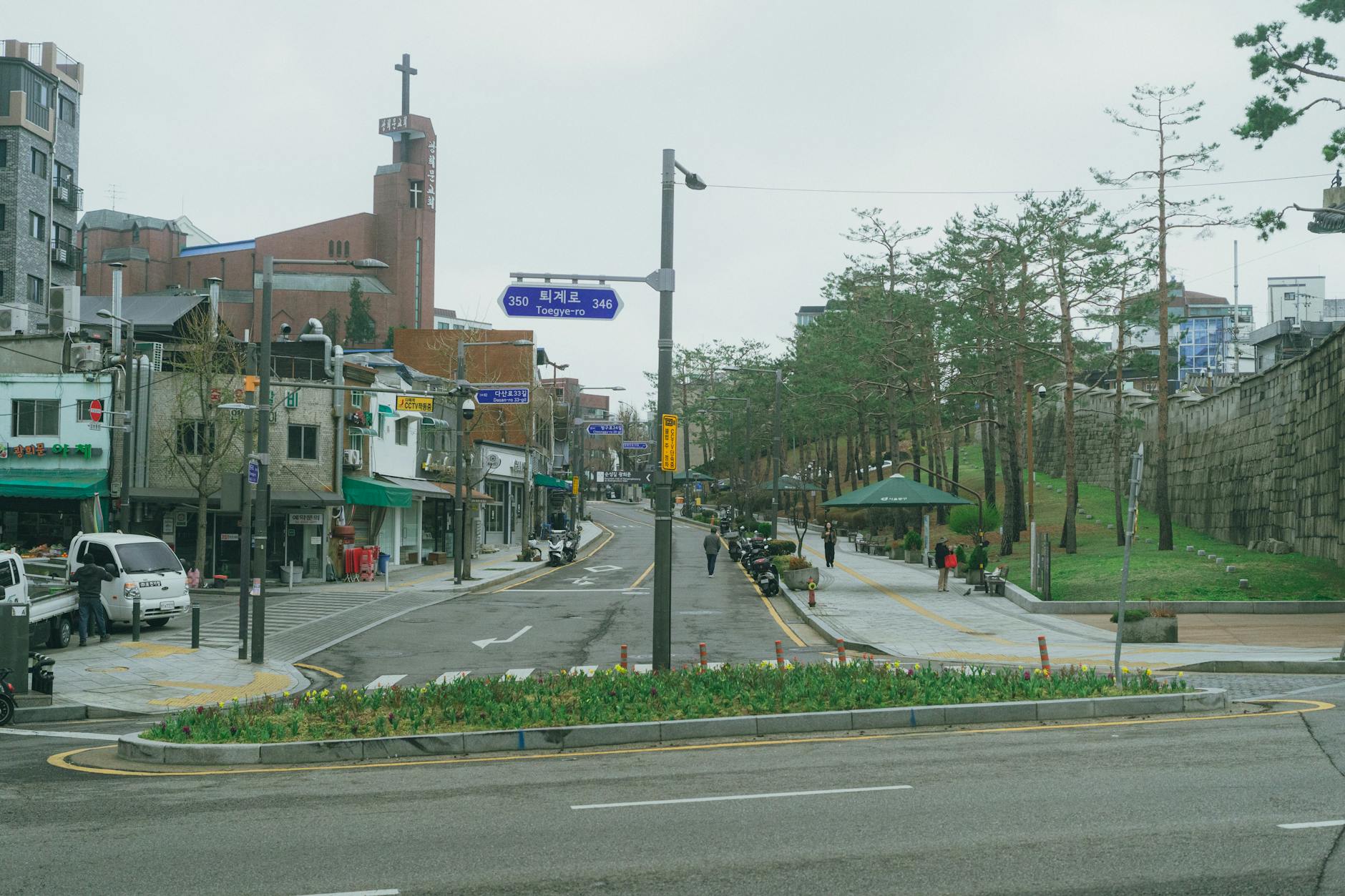
Jeonju sits 200 kilometres south of Seoul, reached in an hour and forty minutes on the KTX bullet train. The provincial capital is celebrated for its dense grid of eight hundred traditional timber hanok homes and its foundational status in Korean food culture, particularly Jeonju bibimbap and makgeolli taverns. Jeonju is worth visiting if you want to eat royal-rooted banchan feasts, drink kettle-poured rice wine with generous bar snacks, and walk historic lanes between meals. Look elsewhere if you want late-night dance clubs, modern mega-malls, or coastal scenery.
Last updated 8 Sept 2026
Build a Jeonju itinerary.
Choose up to 4 threads that pull you in. Your plan arrives organised around them.
The Bed
Where to stay in Jeonju
Which part of town to book, and what each one costs you in walking, noise or quiet.
The Comparison
Jeonju, or somewhere near it
The places you are realistically choosing between, and the honest case for each.
The Local Record
Where to read more about Jeonju
The blogs, boards, guides and operators worth bookmarking.
What to do in Jeonju Jeolla South Korea
Jeonju centers on its Hanok Village, an orderly district of tile-roofed houses that gives way to lively commercial avenues and river paths. Days naturally revolve around the table, beginning with steaming bowls of bean sprout broth and ending in boisterous makgeolli joints. It suits independent travellers who appreciate historic architecture, walkability, and deep regional food traditions without rushing through a checklist.
24 hours in Jeonju Jeolla South Korea
Start at Gyeonggijeon Shrine before the midday crowds, then sit down for brass-bowl bibimbap on Eunhaeng-ro. Spend the afternoon wandering the craft alleys of Gyodong, walk up Omokdae hill before sunset, and finish with a cold kettle of makgeolli and endless banchan in Samcheon-dong. Select 1 Day above to see it.
2 days in Jeonju Jeolla South Korea
Dedicate your second morning to Nambu Market for blood sausage soup at Jojeomrye Sundae, then cross the river to the hills of Jaman Mural Village. In the evening, explore Dongmun Art Street to try corner-store gamaek drinking culture, pairing cheap lager with grilled dried pollack. Choose 2 Days to expand the plan.
3 days in Jeonju Jeolla South Korea
A third day allows an excursion to Jinan to see the remarkable stone spires of Tapsa Temple on Mount Mai, forty minutes away by bus. Return to Jeonju for an unhurried pot of ssanghwa-tang medicinal tea in a courtyard hanok and an evening visit to the paper-making workshops.
Jeonju Jeolla South Korea itineraries by interest
Regional Cooking in Jeonju Jeolla South Korea
Jeonju bibimbap served with brass bowls, bean sprout soup kongnamul gukbap, and ddeokgalbi minced beef ribs grilled over charcoal.
Local Spirits in Jeonju Jeolla South Korea
Samcheon-dong makgeolli alleys where metal kettles of fermented rice wine arrive alongside tables crowded with twenty small savoury dishes.
Historic Quarters in Jeonju Jeolla South Korea
Walking the stone paths of Jeonju Hanok Village past tiled roofs, wooden gates, and Gyeonggijeon Shrine built in 1410 to hold royal portraits.
Markets & Produce in Jeonju Jeolla South Korea
Nambu Market morning trade in dried pollack and wild greens, shifting to weekend night stalls selling blood sausage sundae and grilled skewers.
Sacred Architecture in Jeonju Jeolla South Korea
Jeondong Catholic Church, completed in 1914 with Byzantine-Romanesque red brickwork on the site where early Korean martyrs died in 1791.
Craft Traditions in Jeonju Jeolla South Korea
Traditional hanji mulberry paper making, wooden craft workshops, and calligraphy studios operating around the Gyodong neighbourhood alleys.
Tea Culture in Jeonju Jeolla South Korea
Quiet teahouses serving ssanghwa-tang herb brews, omija berry tea, and roasted barley infusions in secluded courtyards with floor seating.
City Walks in Jeonju Jeolla South Korea
Climbing Omokdae pavilion hill at dusk for rooftop views over the tiled hanok quarter, then following the stone trail toward Jaman Mural Village.
Nightlife Traditions in Jeonju Jeolla South Korea
Gaejeok-style open-air drinking in Dongmun Art Street and the legendary Gamaek shops serving cheap dried pollack with secret spicy soy sauce.
Artisan Workshops in Jeonju Jeolla South Korea
Master craftspeople boiling mulberry bark for paper at the Jeonju Korean Traditional Hanji Center and carving lacquerware boxes by hand.
Day Trips in Jeonju Jeolla South Korea
Taking local buses out to Maisan Provincial Park to see the mysterious freestanding stone pagodas built by hand at Tapsa Temple.
Folk Heritage in Jeonju Jeolla South Korea
The National Intangible Heritage Center showcasing pansori narrative singing and court dance across the Jeonjuchun riverbanks.