

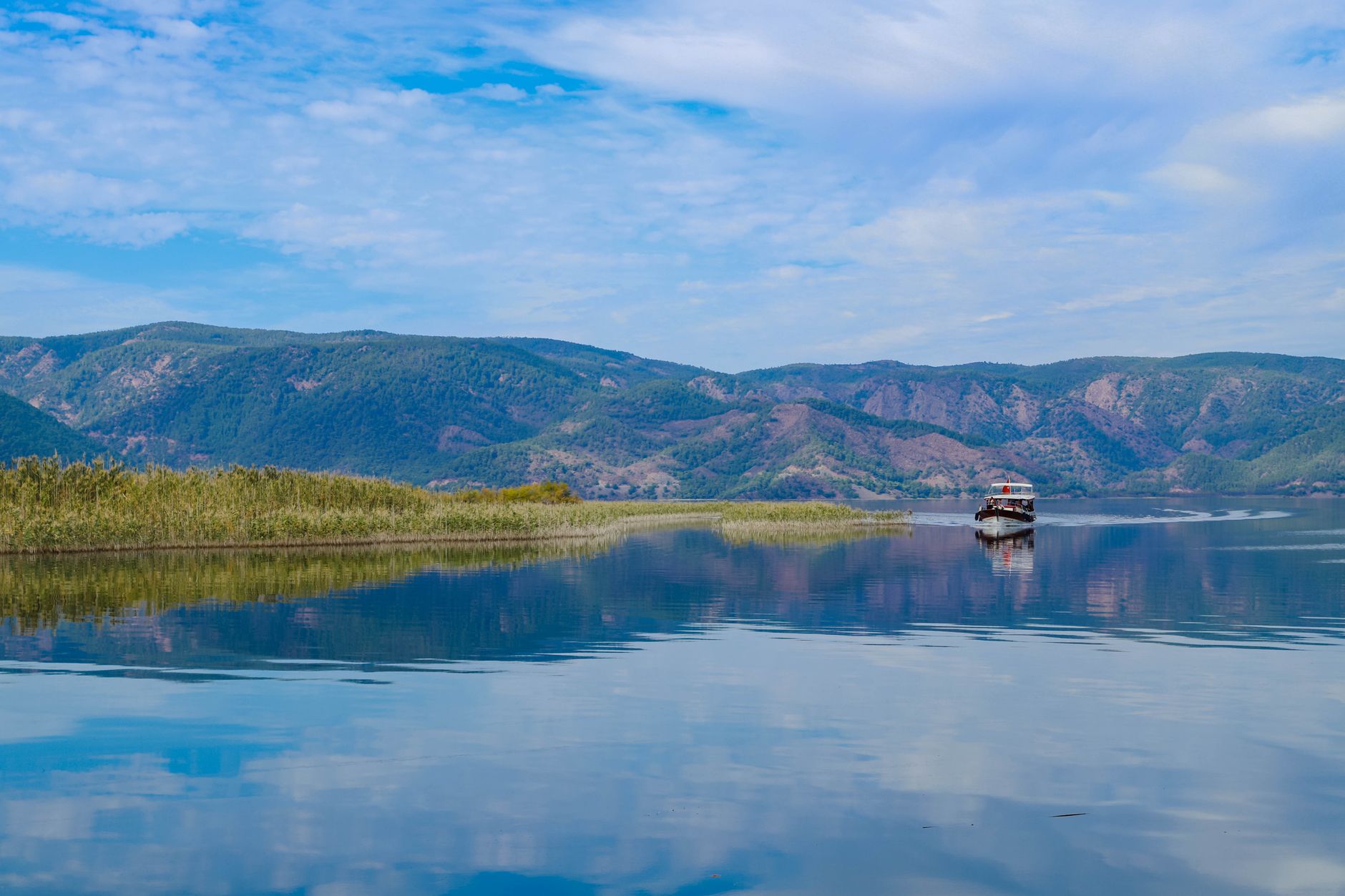

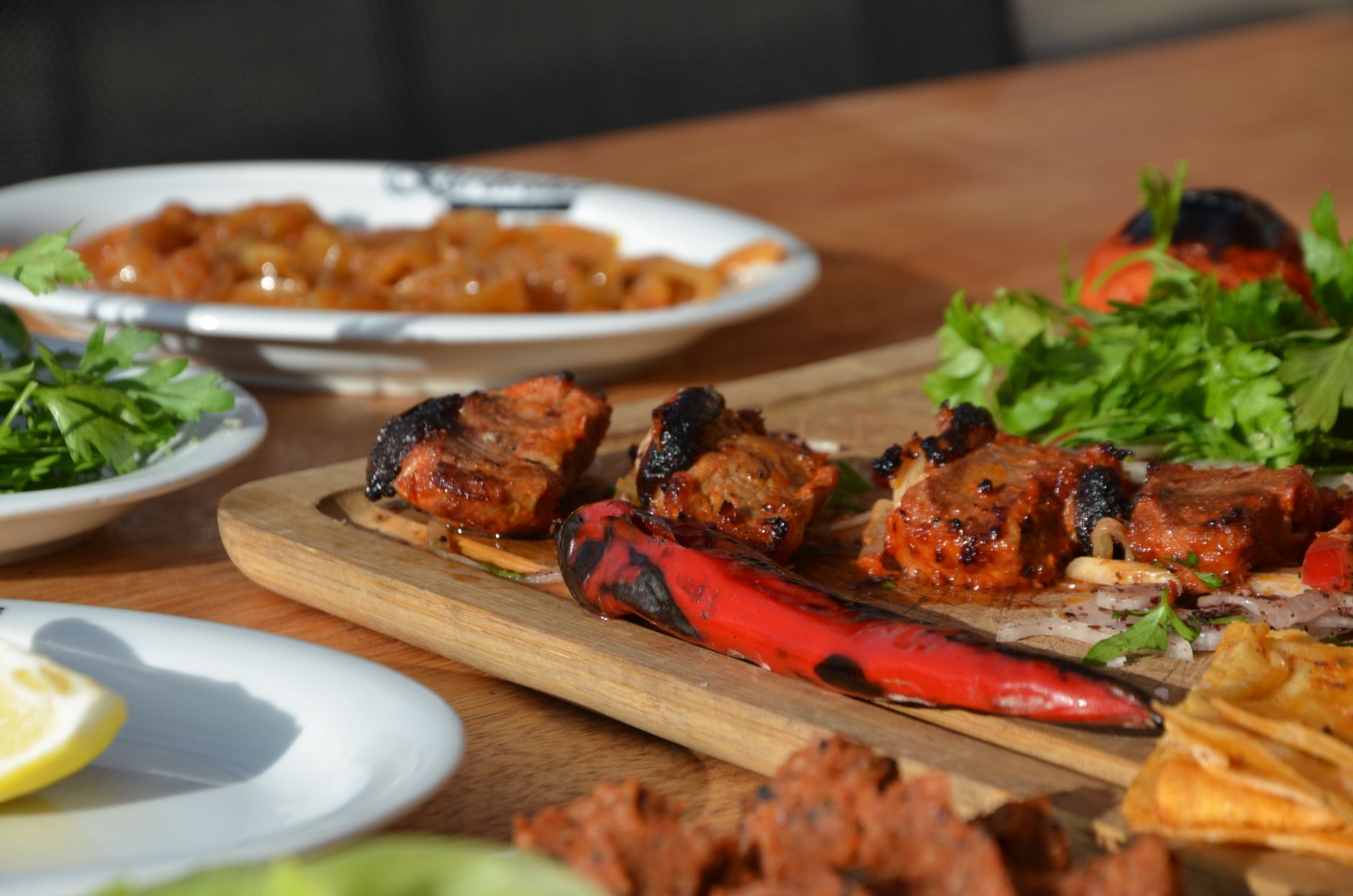

Dalyan lies thirty minutes west of Dalaman Airport, centred on a slow river delta beneath fourth-century BC Lycian rock tombs carved into limestone cliffs. The settlement is known for quiet riverboat routes to the ancient ruins of Kaunos and the protected sand spit of İztuzu Beach. Dalyan is worth visiting if you want riverboat archaeology, fresh grilled blue crab, and slow days on the water. Look elsewhere if you want all-inclusive resort complexes, late-night clubbing, or private marina dining.
Last updated 16 Oct 2026
Build a Dalyan itinerary.
Choose up to 4 threads that pull you in. Your plan arrives organised around them.
The Bed
Where to stay in Dalyan
Which part of town to book, and what each one costs you in walking, noise or quiet.
The Comparison
Dalyan, or somewhere near it
The places you are realistically choosing between, and the honest case for each.
The Local Record
Where to read more about Dalyan
The blogs, boards, guides and operators worth bookmarking.
What to do in Dalyan Muğla Türkiye
Dalyan revolves around its freshwater river, flowing between Lake Köyceğiz and the Mediterranean. Days unfold quietly around the boat cooperative docks, where shaded wooden skiffs ferry travellers between riverfront fish restaurants, ancient Kaunos, and İztuzu Beach. It suits travellers who appreciate unhurried pace, classical history, birdlife, and open-air riverside dinners over loud resort entertainment.
24 hours in Dalyan Muğla Türkiye
Catch an 8:30 AM cooperative boat through the reed labyrinth to Kaunos before midday heat hits the theatre stones. Return to town for grilled mullet and cold meze along Maraş Caddesi, then spend the late afternoon swimming off the sands of İztuzu Beach as boats cruise back at sunset. Select 1 Day above to see it.
2 days in Dalyan Muğla Türkiye
A second day lets you boat north into Lake Köyceğiz for the thermal baths at Sultaniye, followed by a walk through the quiet pomegranate groves of Çandır. In the evening, settle into a quiet village meyhane for slow-cooked lamb tandır and local rakı. Choose 2 Days to expand the plan.
3 days in Dalyan Muğla Türkiye
Three days allows time to head east to the mountain village of Yuvarlakçay for cold stream dining, or hike up the pine-scented tracks above Radar Hill for dramatic views of the entire delta. You can also catch the sprawling Monday market in Köyceğiz.
Dalyan Muğla Türkiye itineraries by interest
Local Seafood in Dalyan Muğla Türkiye
Order grilled blue crab caught in the delta, local sea bass, or grey mullet roasted with bay leaves and lemon at riverside tables along Maraş Caddesi.
Ancient Ruins in Dalyan Muğla Türkiye
Cross by rowing skiff to walk the Roman baths, amphitheatre, and Hellenistic harbour agora at Kaunos, active from the ninth century BC.
Archaeological Sites in Dalyan Muğla Türkiye
Gaze across the river at the fourth-century BC Lycian kings' rock tombs, cut directly into sheer limestone cliffs above the waterfront.
Boat Trips in Dalyan Muğla Türkiye
Board a shared cooperative motorboat at the central harbour to navigate the maze of tall reed channels out to the open Aegean Sea.
Beaches in Dalyan Muğla Türkiye
Swim at the four-kilometre sweep of İztuzu Beach, an unspoilt sand spit where loggerhead sea turtles have nested for millennia.
Thermal Springs in Dalyan Muğla Türkiye
Soak in mineral-heavy mud pools and sulphurous hot springs at Sultaniye on Lake Köyceğiz, frequented since the Roman era for skin therapies.
Markets & Produce in Dalyan Muğla Türkiye
Browse the lively Saturday market for mountain thyme, pine honey from Muğla hives, fresh village pomegranates, and warm handmade gözleme.
Wildlife Watching in Dalyan Muğla Türkiye
Spot endangered Caretta caretta turtles in the lagoon and kingfishers, herons, and marsh harriers hunting along the freshwater reed beds.
Lake Excursions in Dalyan Muğla Türkiye
Take an early boat upriver across broad Lake Köyceğiz to the lakeside town promenade, best visited on Monday market mornings.
Hiking in Dalyan Muğla Türkiye
Climb the rocky trail up Çandır hill to the Kaunos acropolis for panoramic views over the delta wetlands and out toward the Mediterranean.
Local Taverns in Dalyan Muğla Türkiye
Sip chilled rakı alongside meze plates of samphire, smoked aubergine, and fava beans at family-run meyhanes along the riverbanks.
Village Life in Dalyan Muğla Türkiye
Walk through citrus and pomegranate orchards in neighbouring Çandır and Okçular, where farmers still herd goats along stone-walled lanes.