Mardin.


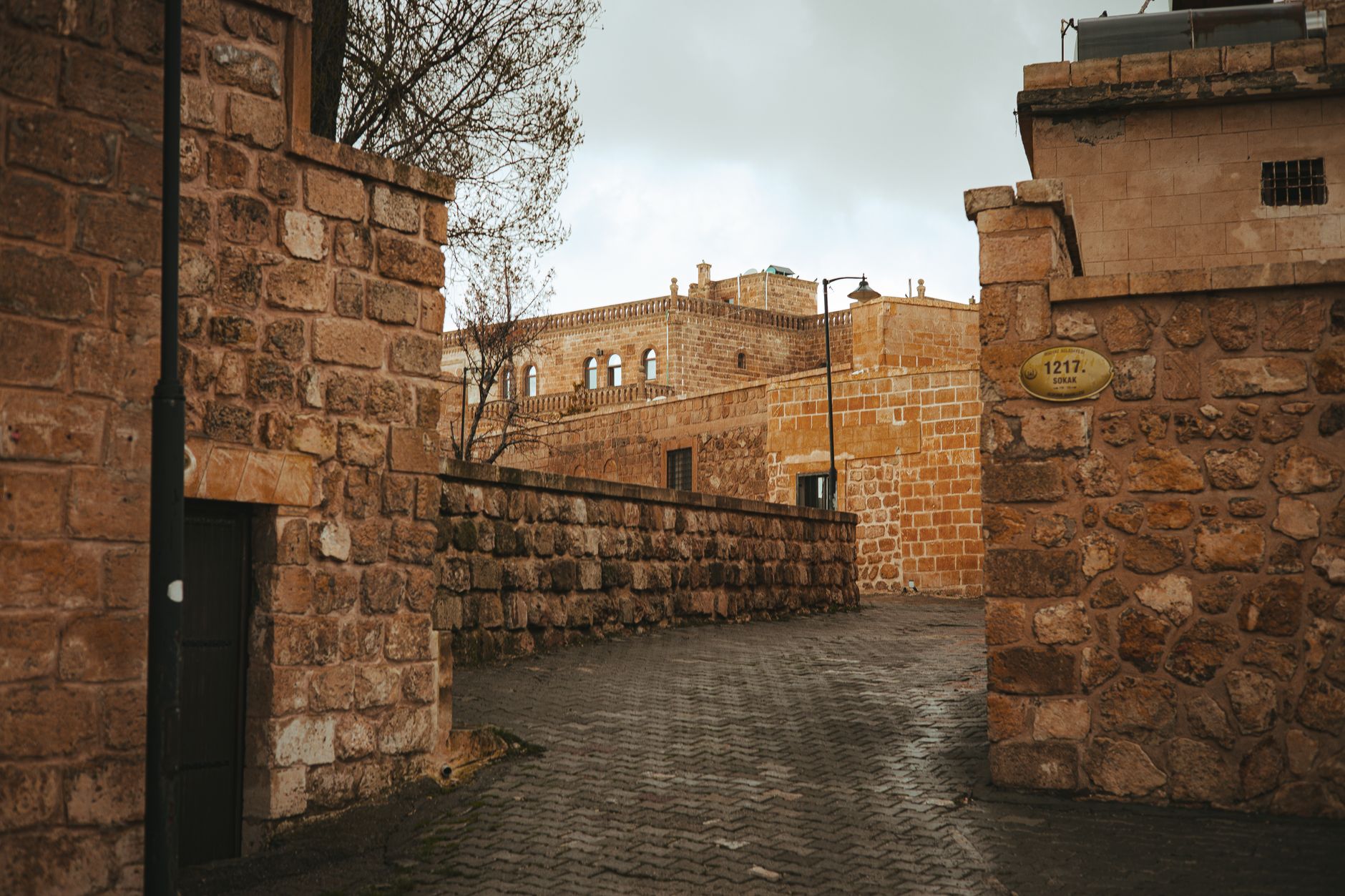
The yellow limestone hits you first, stacked vertically up the southern slope of a crag looking straight into the flat Mesopotamian basin. You climb through steep, stepped alleys called abbara where donkeys still haul the rubbish because wheels are useless here. Up on the terraces, Syriac masons and Arab merchants left behind fourteenth-century madrasas and stone mansions carved with quiet precision. Below, the heat shimmers over wheat fields stretching toward the Syrian border, while cooks chop spiced lamb for kaburga dolması.
Last updated 1 Sept 2026
Build a Mardin itinerary.
Choose up to 4 threads that pull you in. Your plan arrives organised around them.
The Bed
Where to stay in Mardin
Which part of town to book, and what each one costs you in walking, noise or quiet.
The Comparison
Mardin, or somewhere near it
The places you are realistically choosing between, and the honest case for each.
The Local Record
Where to read more about Mardin
The blogs, boards, guides and operators worth bookmarking.
What to do in Mardin Southeastern Anatolia Türkiye
Mardin is built for walking slowly on stone steps, best suited to travellers who appreciate layered history and rich kitchens. Life orbits 1. Cadde, the single paved artery running across the hillside. Off this ridge, steep stairways dive down into quiet residential quarters where churches and mosques share walls. Plan afternoons around long, shaded lunches, because the midday sun on pale limestone is relentless from May through October.
24 hours in Mardin Southeastern Anatolia Türkiye
Begin at the twelfth-century Ulu Cami before ascending to Kasımiye Madrasa for morning views over the plain. Lunch on spiced kaburga dolması along 1. Cadde. Spend the afternoon wandering through the covered Coppersmiths Bazaar and Zinciriye Madrasa, then finish with a glass of local Syriac red wine on a stone rooftop as the valley below slips into twilight. Select 1 Day above to see it.
2 days in Mardin Southeastern Anatolia Türkiye
A second day lets you drive thirty minutes south to the ancient garrison town of Dara to walk through immense rock-hewn water cisterns. Return via the fifth-century Deyrulzafaran Monastery for saffron tea. Dine on grilled sembusek and sour cherry kebab in the Old Quarter, followed by a quiet evening stroll through the vaulted stone abbara tunnels. Choose 2 Days to expand the plan.
3 days in Mardin Southeastern Anatolia Türkiye
With three days, venture an hour east into the Tur Abdin limestone hills to explore Midyat and Mor Gabriel Monastery, founded in 397 AD. Stop in village workshops to see silversmiths at work, then return for a late dinner of herbed içli köfte at an unhurried courtyard table away from the main thoroughfare.
Mardin Southeastern Anatolia Türkiye itineraries by interest
Sacred Architecture in Mardin Southeastern Anatolia Türkiye
Deyrulzafaran Monastery preserves fifth-century Syriac liturgy, while Ulu Cami dominates the old skyline with its ribbed twelfth-century Artuqid minaret.
Wine Traditions in Mardin Southeastern Anatolia Türkiye
Sample dry Süryani wines made from indigenous Boğazkere and Öküzgözü grapes, fermented in stone cellars across the old Christian quarter.
Meat Specialties in Mardin Southeastern Anatolia Türkiye
Order kaburga dolması, spiced lamb ribs stuffed with herbed rice and almonds, slow-roasted for hours until the meat slips off the bone.
Craft Traditions in Mardin Southeastern Anatolia Türkiye
Watch master silversmiths weave telkari filigree wire along 1. Cadde, alongside artisans boiling green bıttım wild-pistachio soap.
Historic Markets in Mardin Southeastern Anatolia Türkiye
Wander the covered stalls of Kayseriye Pasajı and the Coppersmiths Bazaar to find pounded tin trays, sumac, and freshly ground menengiç coffee.
Archaeology in Mardin Southeastern Anatolia Türkiye
Explore the rock-cut Roman necropolis and sixth-century grain cisterns at Dara, thirty kilometres south across the low plateau.
Panoramic Views in Mardin Southeastern Anatolia Türkiye
Take a shaded terrace seat along 1. Cadde at dusk to watch the vast Mesopotamian plains turn violet under the citadel walls.
Courtyard Mansions in Mardin Southeastern Anatolia Türkiye
Visit the Sakıp Sabancı City Museum and Cercis Murat Konağı to see ornate stone balconies, arched iwans, and carved limestone reliefs.
Street Food in Mardin Southeastern Anatolia Türkiye
Grab hot içli köfte bulgur shells stuffed with minced lamb and walnuts, or spiced sembusek flatbreads fresh from wood-fired ovens.
Day Trips in Mardin Southeastern Anatolia Türkiye
Head east to Midyat for honey-coloured stone manors and visit the fourth-century Mor Gabriel Monastery in the Tur Abdin hills.
Local Coffee in Mardin Southeastern Anatolia Türkiye
Sip süvari kahvesi served in shallow tea glasses, or try caffeine-free menengiç brewed from roasted terebinth berries with whole milk.
Night Walks in Mardin Southeastern Anatolia Türkiye
Stroll the vaulted stone abbara passageways when lamps illuminate the honeyed facades and the daytime tour coaches have departed.