Bodrum.


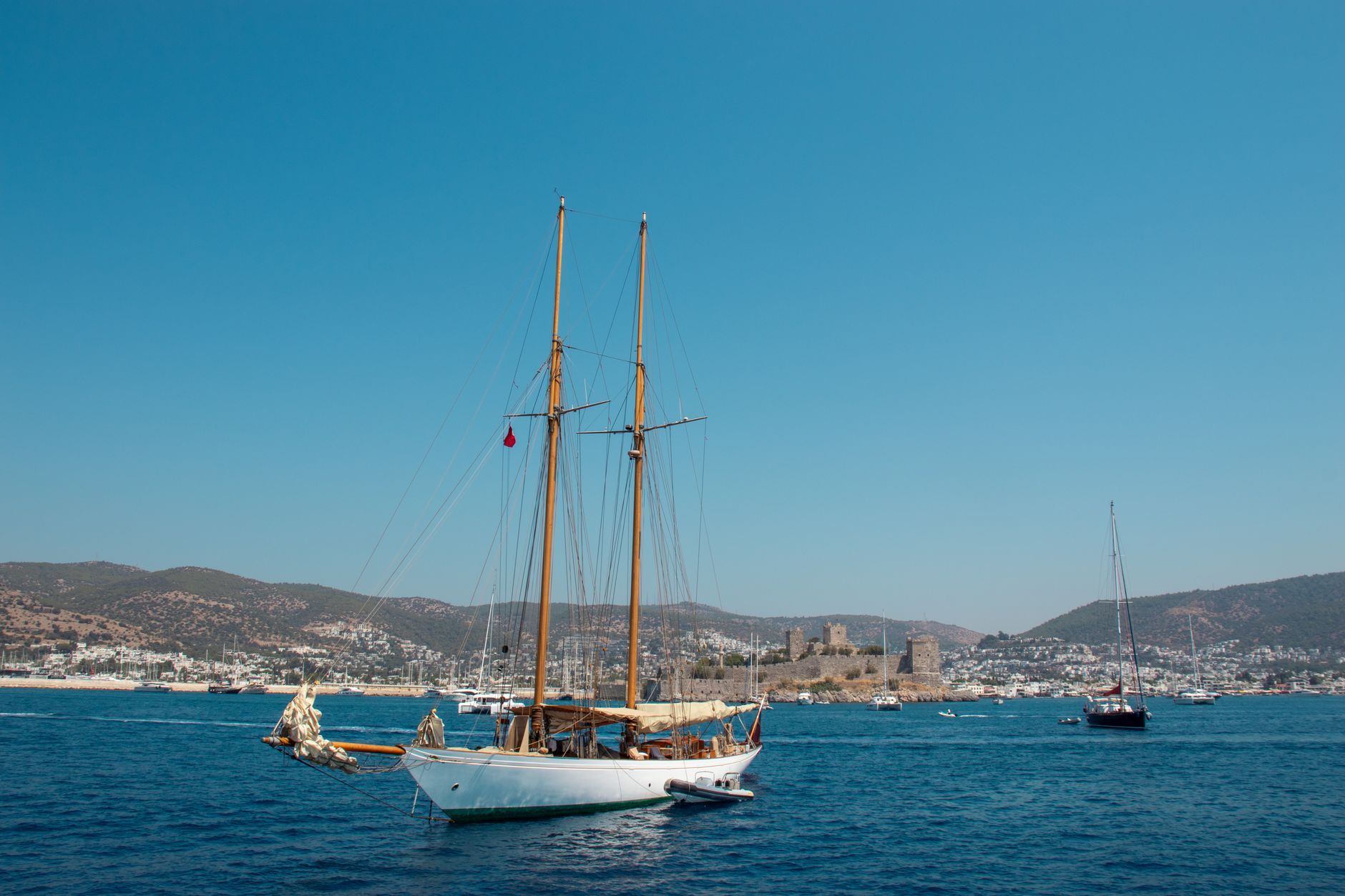
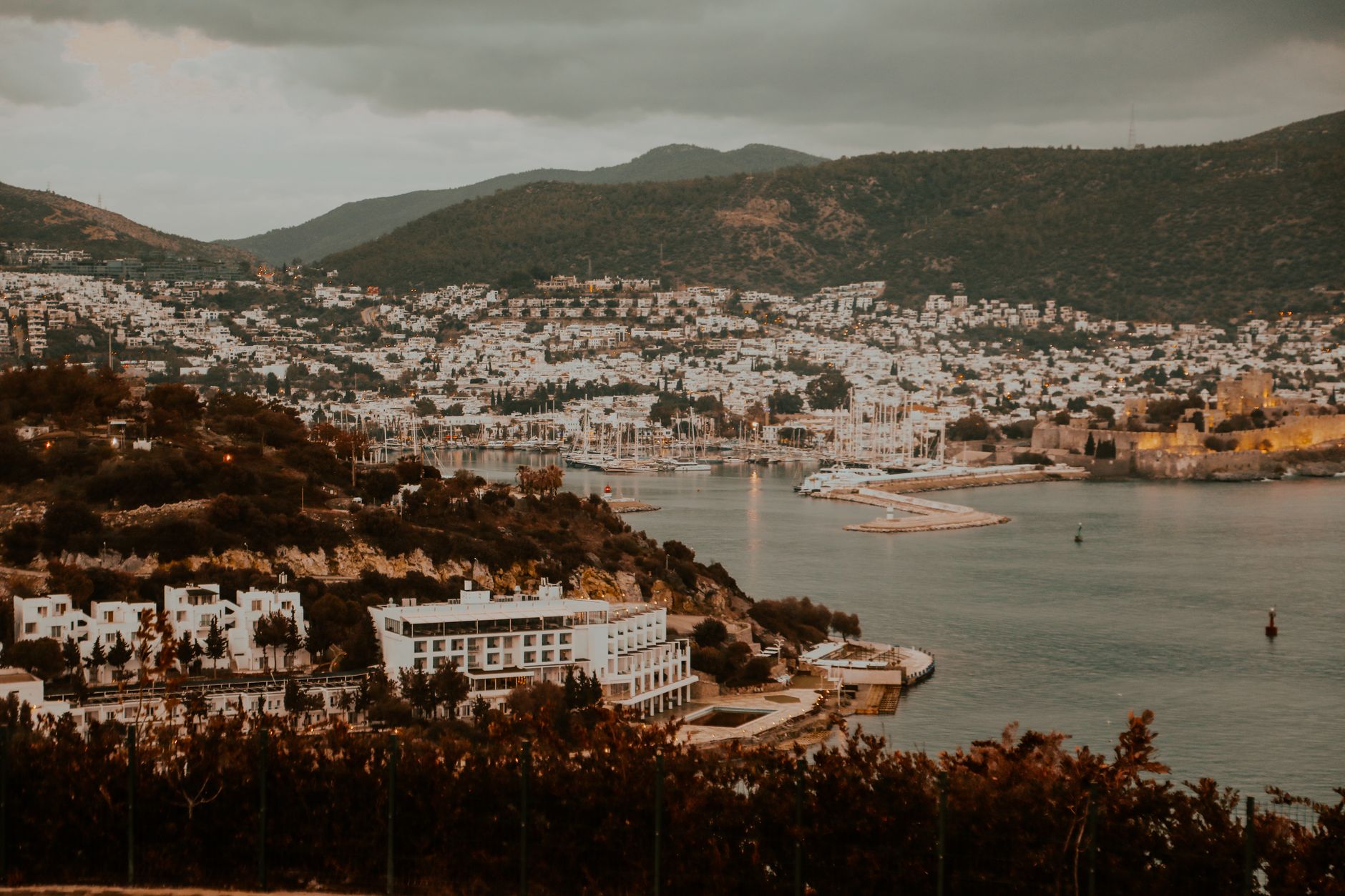
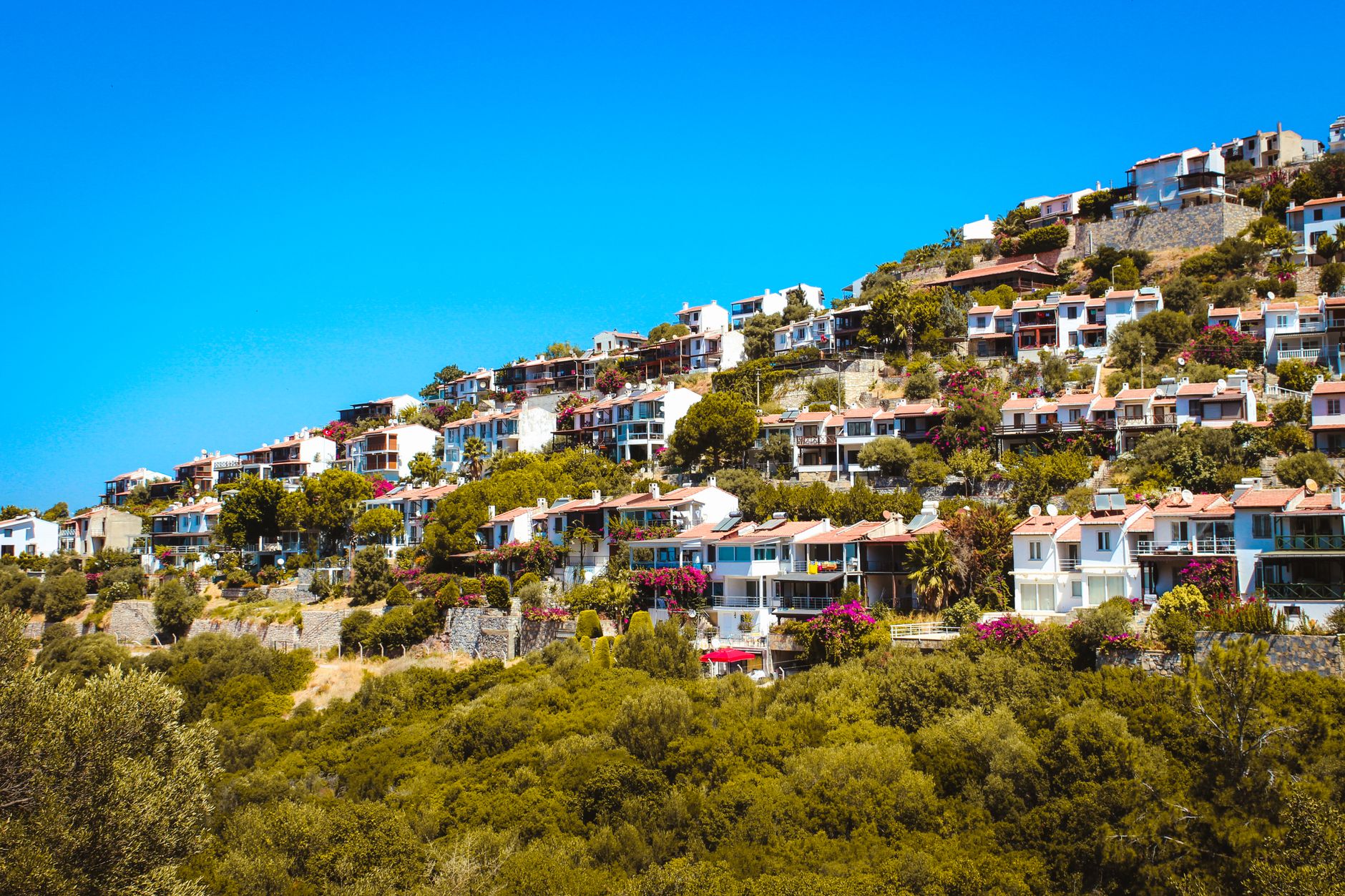
Halyards clink against masts in the twin bays while lime-washed stone houses climb the arid hills. Bodrum balances its yacht-basin gloss with an unyielding maritime soul. You walk along the harbour from the Ottoman shipyard to the fifteenth-century Castle of Saint Peter, built by the Knights Hospitaller using stones from the fallen Mausoleum of Halicarnassus. The breeze carries salt and grilled calamari across the quays, reminding you that despite the summer crowds, fishing and boatbuilding came first.
Last updated 1 Sept 2026
Build a Bodrum itinerary.
Choose up to 4 threads that pull you in. Your plan arrives organised around them.
The Bed
Where to stay in Bodrum
Which part of town to book, and what each one costs you in walking, noise or quiet.
The Comparison
Bodrum, or somewhere near it
The places you are realistically choosing between, and the honest case for each.
The Local Record
Where to read more about Bodrum
The blogs, boards, guides and operators worth bookmarking.
What to do in Bodrum Aegean Coast Türkiye
The town curls around two deep bays divided by a medieval fortress. Mornings suit quiet strolls through the bazaar or touring ancient stone foundations, while afternoons drift toward pebble beaches and boat decks. Evenings belong to long meyhane dinners on the waterfront. It rewards travellers who appreciate maritime history, fresh Aegean cooking, and a balance of lively quays and calm coastal villages.
24 hours in Bodrum Aegean Coast Türkiye
Start early at the Castle of Saint Peter before the heat builds, spending two hours among its shipwreck exhibits. Walk ten minutes up to the ancient theatre for panoramic bay views. For dinner, settle into a side-street meyhane near the fish market for grilled sea bass, meze, and a carafe of cold rakı. Select 1 Day above to see it.
2 days in Bodrum Aegean Coast Türkiye
Dedicate your second day to the peninsula. Take a thirty-minute dolmuş ride to the fishing village of Gümüşlük. Walk across the submerged ruins of ancient Myndos to Rabbit Island, then sit for an unhurried sunset lunch of fried calamari and wild samphire at a water-facing table. Choose 2 Days to expand the plan.
3 days in Bodrum Aegean Coast Türkiye
A third day allows you to charter a shared wooden gulet from the harbour out to the clear waters of Orak Island. Alternatively, drive twenty minutes inland to the Karaova valley to visit small family vineyards, tasting local red wines alongside regional cheeses.
Bodrum Aegean Coast Türkiye itineraries by interest
Maritime History in Bodrum Aegean Coast Türkiye
Walk the fifteenth-century Castle of St. Peter to inspect Late Bronze Age shipwrecks and ancient amphorae at the Museum of Underwater Archaeology.
Local Seafood in Bodrum Aegean Coast Türkiye
Order grilled red mullet, octopus in olive oil, and butter-poached shrimp at the water's edge in Gümüşlük or along Kumbahçe beach.
Ancient Ruins in Bodrum Aegean Coast Türkiye
Visit the surviving foundation stones of the Mausoleum at Halicarnassus and the Hellenistic theatre cut directly into the hillside.
Regional Meze in Bodrum Aegean Coast Türkiye
Sample sea fennel, wild radika, fava bean purée, and köpoğlu with warm flatbread at traditional meyhanes tucked behind the bazaar.
Boat Building in Bodrum Aegean Coast Türkiye
See artisans crafting wooden gulets by hand in the shipyards of İçmeler, a tradition refined along these shores for centuries.
Wine & Vineyards in Bodrum Aegean Coast Türkiye
Head inland towards the vineyards near Karaova to taste Bornova Misketi and Syrah paired with local goat curd and olives.
Market Produce in Bodrum Aegean Coast Türkiye
Browse the Friday food market for local satsumas, wild mountain herbs, bergamot preserves, and brine-cured Aegean green olives.
Coastal Walks in Bodrum Aegean Coast Türkiye
Follow old shepherd trails along the Carian Way from Akyarlar across rocky headlands with views stretching out to the Greek island of Kos.
Local Meat Dishes in Bodrum Aegean Coast Türkiye
Try çökertme kebabı, featuring thinly shaved beef over crisp matchstick potatoes with garlic yoghurt and browned butter sauce.
Village Life in Bodrum Aegean Coast Türkiye
Linger over black tea beneath plane trees in the hill village of Dereköy, where stone houses sit among olive groves and citrus orchards.
Craft Traditions in Bodrum Aegean Coast Türkiye
Watch cobblers hand-stitch raw leather sandals in old town workshops, an enduring local craft made from supple vegetable-tanned hides.
Day Trips in Bodrum Aegean Coast Türkiye
Board an engine-powered wooden gulet to swim the turquoise coves of Kara Ada and the sheltered inlets of Orak Island.