
_-_Deauville_Harbour_-_NG3050_-_National_Gallery.jpg)
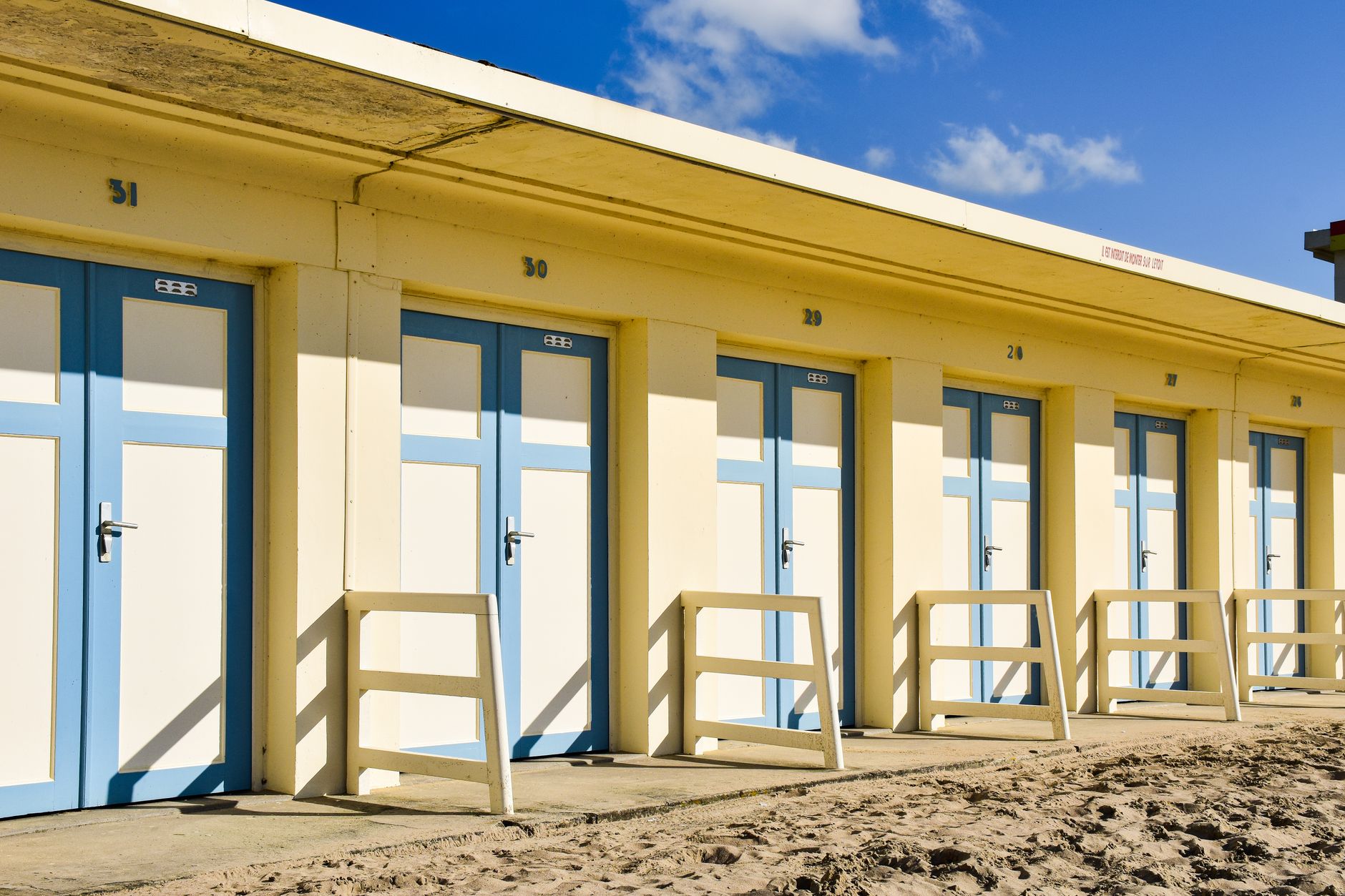

Two hours by direct train from Paris Saint-Lazare brings you to the Côte Fleurie. Built by the Duke of Morny in the 1860s, Deauville is known for its thoroughbred racing, timbered seaside villas, and wide sandy beach flanked by Art Deco bathing cabins. It is compact and easily walked on flat terrain. Deauville is worth visiting if you want fresh Calvados oysters, bracing boardwalk walks, and mornings watching racehorses gallop along the sea line. Look elsewhere if you want budget-friendly dining, warm sea swimming, rugged coastal trails, or high-energy nightlife.
Last updated 11 Sept 2026
Build a Deauville itinerary.
Choose up to 4 threads that pull you in. Your plan arrives organised around them.
The Bed
Where to stay in Deauville
Which part of town to book, and what each one costs you in walking, noise or quiet.
The Comparison
Deauville, or somewhere near it
The places you are realistically choosing between, and the honest case for each.
The Local Record
Where to read more about Deauville
The blogs, boards, guides and operators worth bookmarking.
What to do in Deauville Normandy France
Deauville is flat, walkable, and organized on an easy grid between the railway station and the English Channel. The daily rhythm swings between morning trips to the covered market on Place du Marché, windy boardwalk strolls, and late-afternoon races at the hippodrome. It suits travellers who appreciate classic seaside pacing, unhurried dinners of sole meunière, and the distinct salt air of coastal Normandy without the rush of bigger resort towns.
24 hours in Deauville Normandy France
Start by 8:00 with morning coffee near Place Morny, then walk five minutes to the beach to watch racehorses train on the tide line. Lunch on raw oysters and bulots at the market stalls. Spend the afternoon admiring the half-timbering along Rue Victor Hugo before an evening cider and Dover sole near the marina. Everything sits within a fifteen-minute stroll. Select 1 Day above to see it.
2 days in Deauville Normandy France
Cross the footbridge over the Touques river into Trouville-sur-Mer. Browse the noisy fish hall on Boulevard Fernand Moureaux for fresh brown crab and mackerel, followed by a climb into the hillside alleys for wide channel views. In the evening, head back to Deauville for warm teurgoule and a small snifter of aged Pays d'Auge Calvados at a corner bistro. Choose 2 Days to expand the plan.
3 days in Deauville Normandy France
Rent a car or take a short local bus inland through the orchards of the Pays d'Auge. Stop in Beaumont-en-Auge for farmhouse Pont-l'Évêque and Camembert, then visit a family distillery along the D511 to watch copper alembic stills at work. Finish the afternoon quietly at Les Franciscaines, reading under the glass roof of the former convent.
Deauville Normandy France itineraries by interest
Local Seafood in Deauville Normandy France
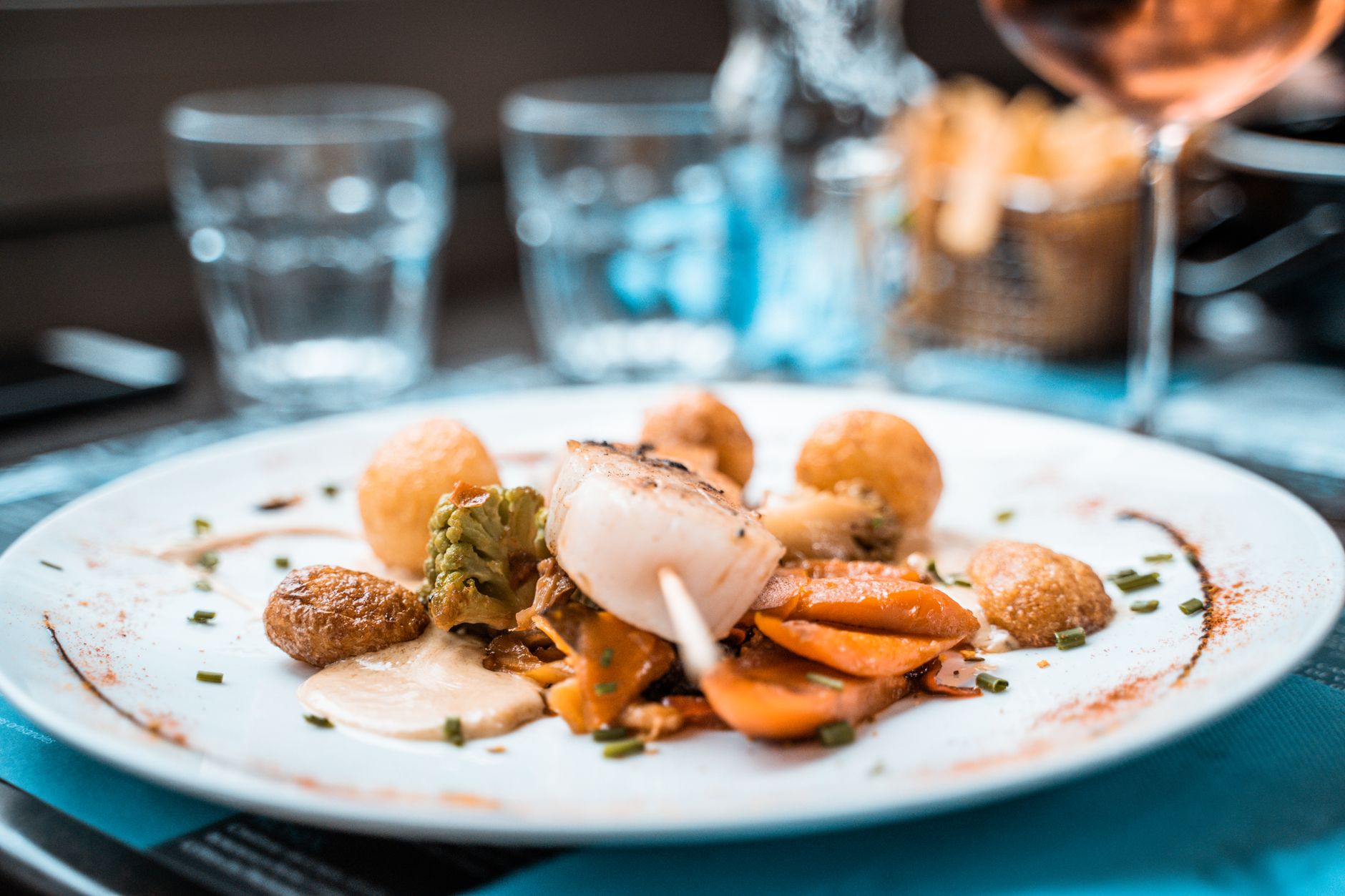
Crack open plateau de fruits de mer with cold bulots, grey shrimp, and Isigny oysters served on ice with rye bread and salted butter.
Equestrian Culture in Deauville Normandy France
Watch morning thoroughbred gallops on the beach sand before attending afternoon flat races at the 1863 Hippodrome de Deauville-La Touques.
Coastal Walks in Deauville Normandy France
Stroll the 1923 boardwalk of Les Planches past Art Deco cabins, or head across the Touques bridge into the working fishing port of Trouville.
Markets & Produce in Deauville Normandy France
Browse Place du Marché under half-timbered arches for unpasteurised Pont-l'Évêque cheese, teurgoule rice pudding, and orchard jams.
Cider & Spirits in Deauville Normandy France
Sample dry Pays d'Auge AOC cider, pear perry, and oak-aged Calvados apple brandy poured neat after a rich dinner of cream and butter.
Seaside Architecture in Deauville Normandy France
Walk the coastal avenues to study eclectic late-nineteenth-century Norman villas, the Normandy Barrière hotel, and Villa Strassburger.
Contemporary Art in Deauville Normandy France
Explore Les Franciscaines, a restored nineteenth-century convent turned cultural centre housing rotating photography and fine art galleries.
Regional Pastries in Deauville Normandy France
Try sablés deauvillais, tarte normande with sliced apples and rich custard, and salted caramel choux buns from rue Eugène Colas bakers.
Beaches in Deauville Normandy France
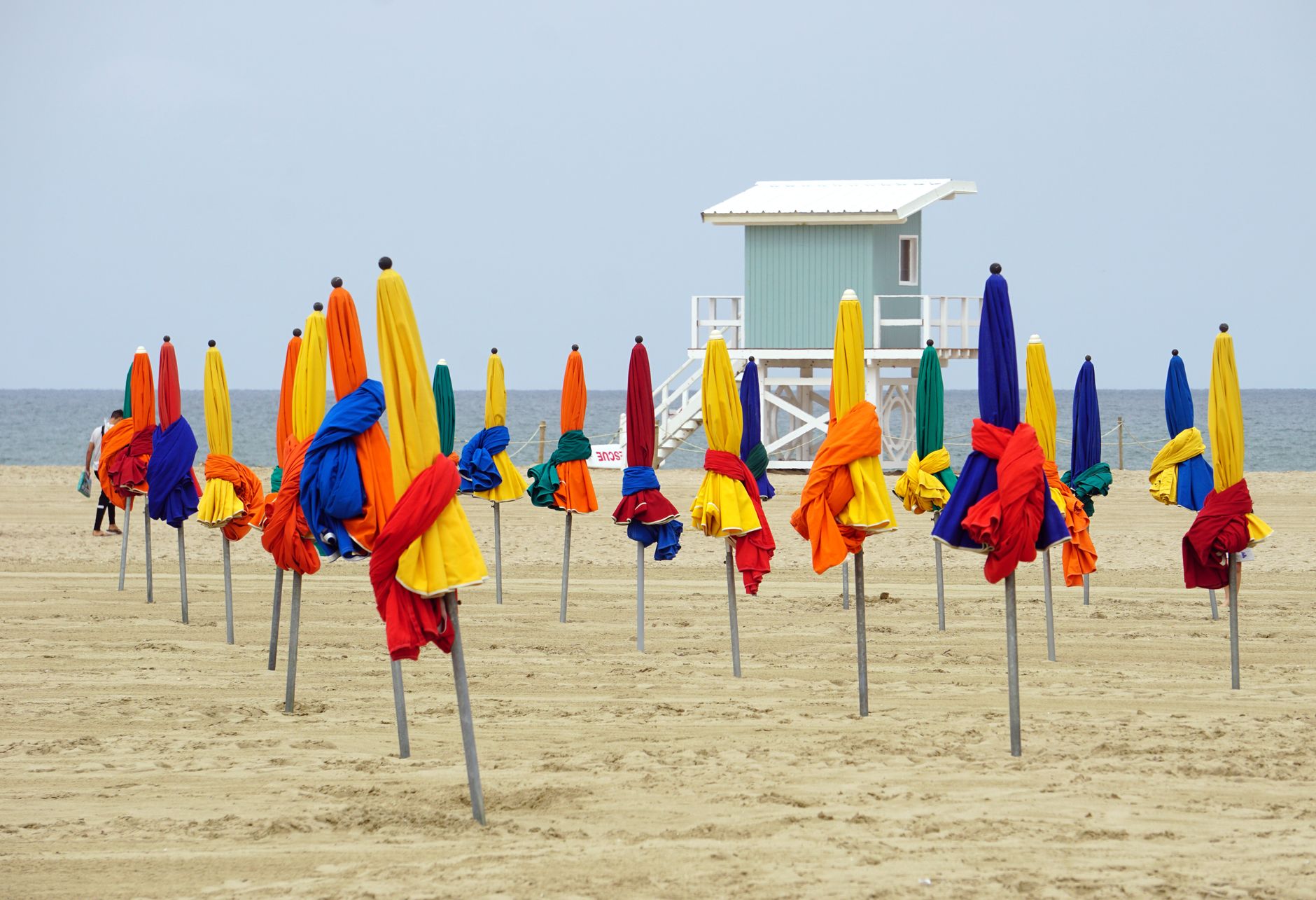
Walk the expansive sands at low tide, rent a knotted parasol, or dip into the heated seawater pool along the central promenade.
Maritime History in Deauville Normandy France
Watch the trawler fleet unload sole and mackerel along the Quai de la Touques before checking the nineteenth-century harbour lock gates.
Day Trips in Deauville Normandy France
Drive fifteen minutes inland along the D579 to see the half-timbered cider farms of Pont-l'Évêque and the manor houses of the Pays d'Auge.
Waterfront Dining in Deauville Normandy France
Order whole Dover sole meunière or steamed blue lobster with a jug of cider along the marina basin or tucked off Place Morny.