



Eyrarbakki sits on the south coast forty-five minutes southeast of Reykjavík via Route 1 and Route 34. Once the primary trading port of southern Iceland, it is now known for its preserved eighteenth-century timber merchant houses and Atlantic langoustine. Eyrarbakki is worth visiting if you want quiet streets, historic wooden architecture, and fresh langoustine soup eaten beside the sea wall. Look elsewhere if you want shopping strips, active nightlife, or a sheltered harbour packed with tour boats.
Last updated 6 Oct 2026
Build a Eyrarbakki itinerary.
Choose up to 4 threads that pull you in. Your plan arrives organised around them.
The Bed
Where to stay in Eyrarbakki
Which part of town to book, and what each one costs you in walking, noise or quiet.
The Comparison
Eyrarbakki, or somewhere near it
The places you are realistically choosing between, and the honest case for each.
The Local Record
Where to read more about Eyrarbakki
The blogs, boards, guides and operators worth bookmarking.
What to do in Eyrarbakki Suðurland Iceland
Eyrarbakki stretches flat along the shoreline, dominated by low timber houses and a heavy rock sea wall. Days here unfold quietly between the galleries of Húsið, long walks against the Atlantic wind, and steaming bowls of shellfish. It suits travellers who appreciate preserved nineteenth-century details, open salt air, and an unhurried stop away from highway crowds.
24 hours in Eyrarbakki Suðurland Iceland
Spend the morning touring Húsið and the folk museum along Búðarstígur. Break for langoustine soup at Rauða Húsið, then take the five-minute stroll out to the sea wall and lighthouse before settling into a guesthouse as the dusk settles over the coast. Select 1 Day above to see it.
2 days in Eyrarbakki Suðurland Iceland
A second day opens up the neighboring village of Stokkseyri, four miles east along Route 33. Walk the tidal wetlands, visit the local kayak centre, and eat grilled Arctic char at a seaside diner after a hot soak at the village geothermal pool. Choose 2 Days to expand the plan.
3 days in Eyrarbakki Suðurland Iceland
With three days, head into the Flói Nature Reserve for solitary birding, then drive thirty minutes northeast to the hot spring valley of Reykjadalur near Hveragerði to hike up into the hills and bathe in a thermal stream.
Eyrarbakki Suðurland Iceland itineraries by interest
Local Seafood in Eyrarbakki Suðurland Iceland
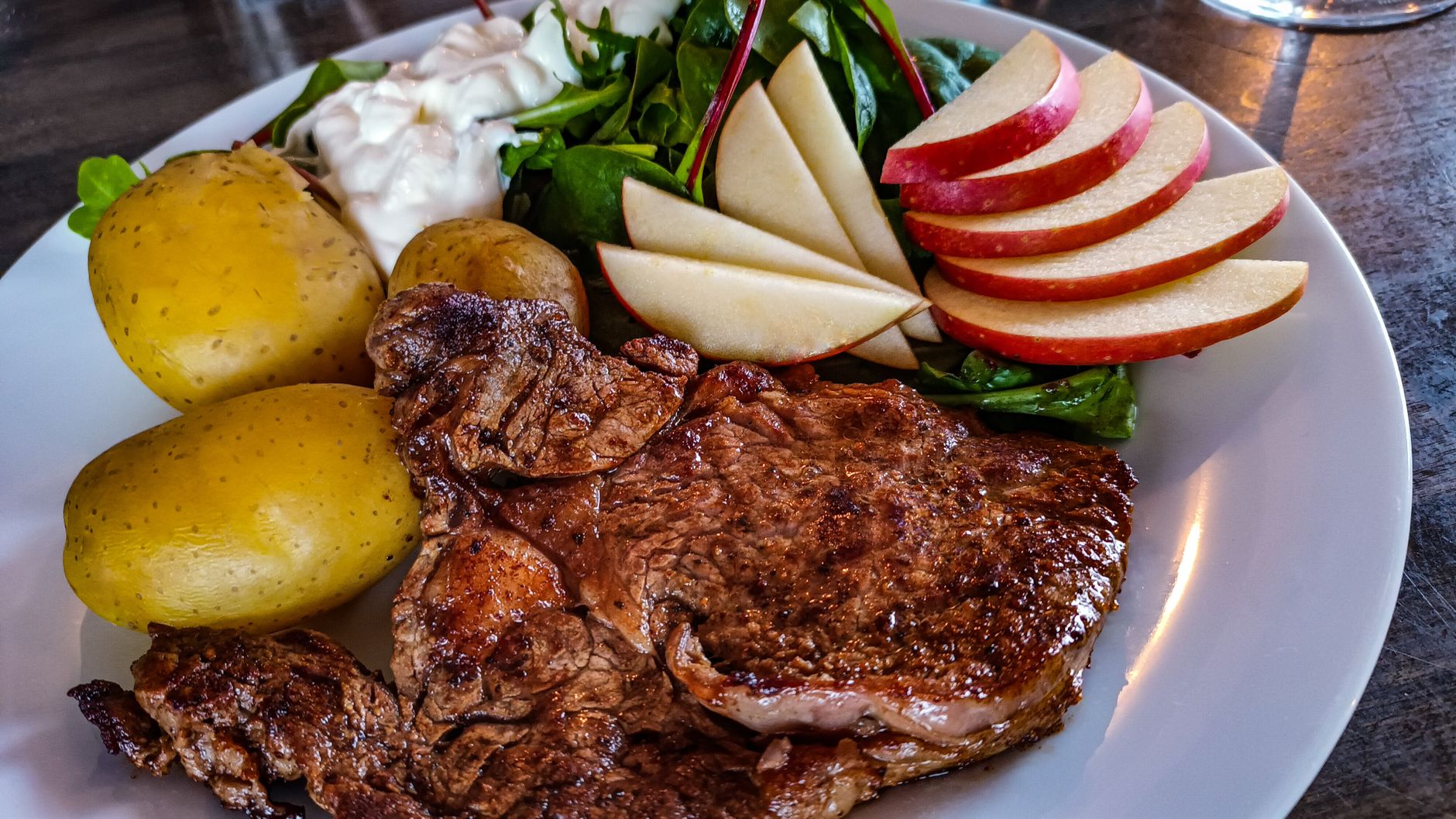
Order the classic creamy langoustine soup and pan-fried Atlantic cod served with buttered potatoes at Rauða Húsið on Búðarstígur.
Timber Architecture in Eyrarbakki Suðurland Iceland
Walk along Búðarstígur to examine Húsið, Iceland's oldest preserved timber merchant house from 1765, with its tarred wood siding.
Coastal Walks in Eyrarbakki Suðurland Iceland
Follow the rock sea wall path past black volcanic shoreline and the historic 1952 concrete lighthouse overlooking the North Atlantic.
Bird Watching in Eyrarbakki Suðurland Iceland
Scan the coastal mudflats and the Flói Nature Reserve for nesting red-throated divers, dunlins, and whooper swans along the Ölfusá estuary.
Maritime History in Eyrarbakki Suðurland Iceland
Explore the maritime museum exhibits detailing hazardous open-boat surf landings before twentieth-century harbour construction began.
Local Baking in Eyrarbakki Suðurland Iceland
Stop by Bakaríið for fresh rye bread baked using geothermal heat, warm kleinur doughnuts, and strong filter coffee on Túngata.
Horseback Riding in Eyrarbakki Suðurland Iceland
Book a morning ride on Icelandic horses across the tidal black sand flats near the mouth of the Ölfusá river with local stables.
Folk Traditions in Eyrarbakki Suðurland Iceland
Inspect nineteenth-century tools, hand-woven woollens, and preserved turf outbuildings at the Árnesing Folk Museum adjacent to Húsið.
Day Trips in Eyrarbakki Suðurland Iceland
Drive fifteen minutes inland to Selfoss for geothermal bakeries, or follow Route 33 to the black sand coast at Stokkseyri.
Sacred Architecture in Eyrarbakki Suðurland Iceland
Visit Eyrarbakkakirkja, the wooden church consecrated in 1890 featuring an altarpiece painted by Danish Queen Louise.
Geothermal Bathing in Eyrarbakki Suðurland Iceland
Head ten minutes inland to the public geothermal pools at Selfoss or Stokkseyri for hot pots, lap swimming, and steam rooms.
Winter Skywatching in Eyrarbakki Suðurland Iceland
Stand out on the dark ocean dike on clear winter nights to watch the northern lights ripple over the open southern horizon.