
.jpg)



Steam rises from roadside ditches before you even spot the rooftops. Flúðir is an agrarian settlement powered by boiling groundwater, where row upon row of glasshouses produce Iceland's mushrooms and summer tomatoes. You come here to ease into Gamla Laugin, the stone-lined thermal pool built in 1891, while a natural geyser spits nearby. It is calm, functional, and intensely geothermal. Flúðir is worth visiting if you want to soak in historic mineral water and eat vegetables grown over volcanic steam. Look elsewhere if you want a walkable town centre, late-night bars, a wide choice of restaurants, or indoor museums for rainy days.
Last updated 6 Sept 2026
Build a Flúðir itinerary.
Choose up to 4 threads that pull you in. Your plan arrives organised around them.
The Bed
Where to stay in Flúðir
Which part of town to book, and what each one costs you in walking, noise or quiet.
The Comparison
Flúðir, or somewhere near it
The places you are realistically choosing between, and the honest case for each.
The Local Record
Where to read more about Flúðir
The blogs, boards, guides and operators worth bookmarking.
What to do in Flúðir Suðurland Iceland
Life in Flúðir follows the rhythm of hot water and greenhouse farming. Located in the fertile lowlands of South Iceland, the village is compact, flat, and anchored by Gamla Laugin and the Litla Laxá river. Days here are unhurried, revolving around open-air soaking, hearty farm lunches, and walks along geothermal streams. It suits travellers seeking authentic rural calm away from the bus convoys of the Golden Circle.
24 hours in Flúðir Suðurland Iceland
Start the morning early with a ninety-minute soak at Gamla Laugin before day-trippers arrive. Head to Farmers Bistro for mushroom soup and bread baked over geothermal vents. Spend the afternoon walking the trail up Miðfell hill for views across the valley, finishing with a pint of local craft ale on Route 30. Select 1 Day above to see it.
2 days in Flúðir Suðurland Iceland
A second day lets you drive ten minutes west to the historic bishopric at Skálholt to explore the crypt and listen to the cathedral acoustics. Afterwards, book an afternoon horse trek along the gravel beds of Litla Laxá, followed by a wood-fired dinner featuring local greenhouse vegetables. Choose 2 Days to expand the plan.
3 days in Flúðir Suðurland Iceland
With three days, branch out to Faxi waterfall for an uncrowded picnic by the salmon ladder, then loop south toward the medieval turf farm at Keldur. Return to Flúðir for an unhurried night soak under the stars, sampling fresh rye bread and cured trout from local farms.
Flúðir Suðurland Iceland itineraries by interest
Geothermal Springs in Flúðir Suðurland Iceland
Book Gamla Laugin, the 1891 thermal pool fed by Vaðhorn spring, where natural waters stay at 38 to 40 degrees Celsius beside an active spouting vent.
Farm Dining in Flúðir Suðurland Iceland
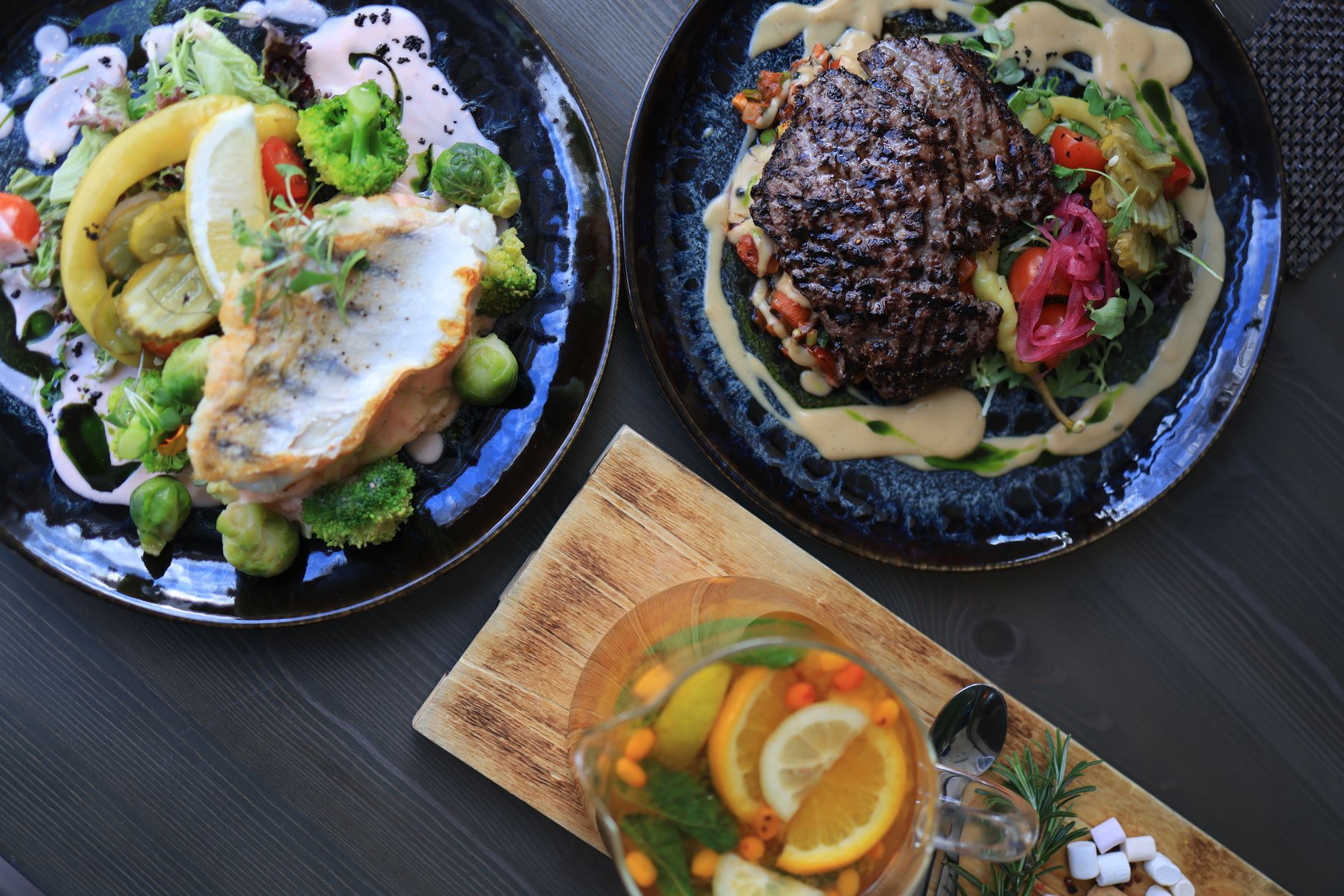
Visit Farmers Bistro for creamy button mushroom soup, bell pepper salads, and rye bread baked using steam heat from the Flúðasveppir greenhouses.
Sacred Architecture in Flúðir Suðurland Iceland
Drive ten minutes to Skálholt, the medieval episcopal seat featuring a modern cathedral with stained glass by Gerður Helgadóttir and crypt artifacts.
Hiking in Flúðir Suðurland Iceland
Climb the easy trail up Miðfell, the prominent tuff ridge overlooking the village, for sweeping views across the Hvíta river plain toward Hekla.
Equestrian Culture in Flúðir Suðurland Iceland
Ride five-gaited Icelandic horses across the gravel flats of Litla Laxá on guided river treks departing from farms like Syðra-Langholt.
Local Craft Beer in Flúðir Suðurland Iceland
Sample farmhouse ales brewed with local mountain herbs and clear spring water at nearby craft taprooms along Route 30 and Reykholt.
River Walks in Flúðir Suðurland Iceland
Stroll the gravel paths along the Litla Laxá riverbanks, watching for brown trout in the clear channels bordered by lupine and willow shrubs.
Traditional Baking in Flúðir Suðurland Iceland
Taste rúgbrauð, dark pot-baked rye bread buried in boiling geothermal ground for twenty-four hours until dense, sweet, and lightly caramelized.
Waterfalls in Flúðir Suðurland Iceland
Head north to Faxi waterfall on the Tungufljót river, an expansive cascade with a salmon ladder and quiet picnic benches along the rim.
Produce Markets in Flúðir Suðurland Iceland
Pick up freshly harvested bell peppers, cucumbers, and berries sold straight from family-run roadside greenhouses along Hrunamannavegur.
Day Trips in Flúðir Suðurland Iceland
Use Route 30 to connect south to the historic turf-roof farm at Keldur or north to the volcanic crater lake at Kerið within forty minutes.
Winter Stargazing in Flúðir Suðurland Iceland
Float in the warm outdoor lagoon after dark between October and March to watch for northern lights across the unlit agricultural valley.