.jpg)

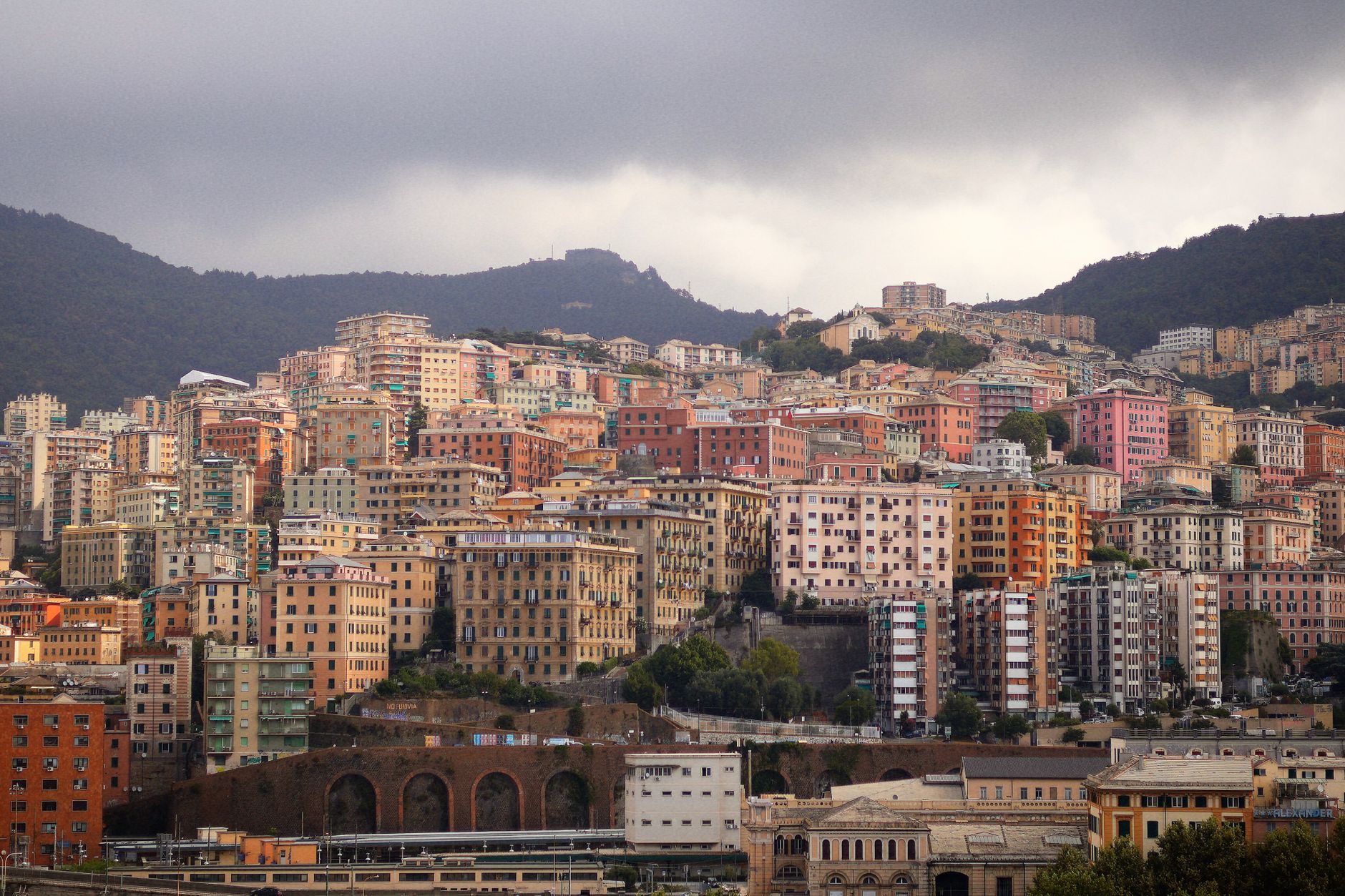
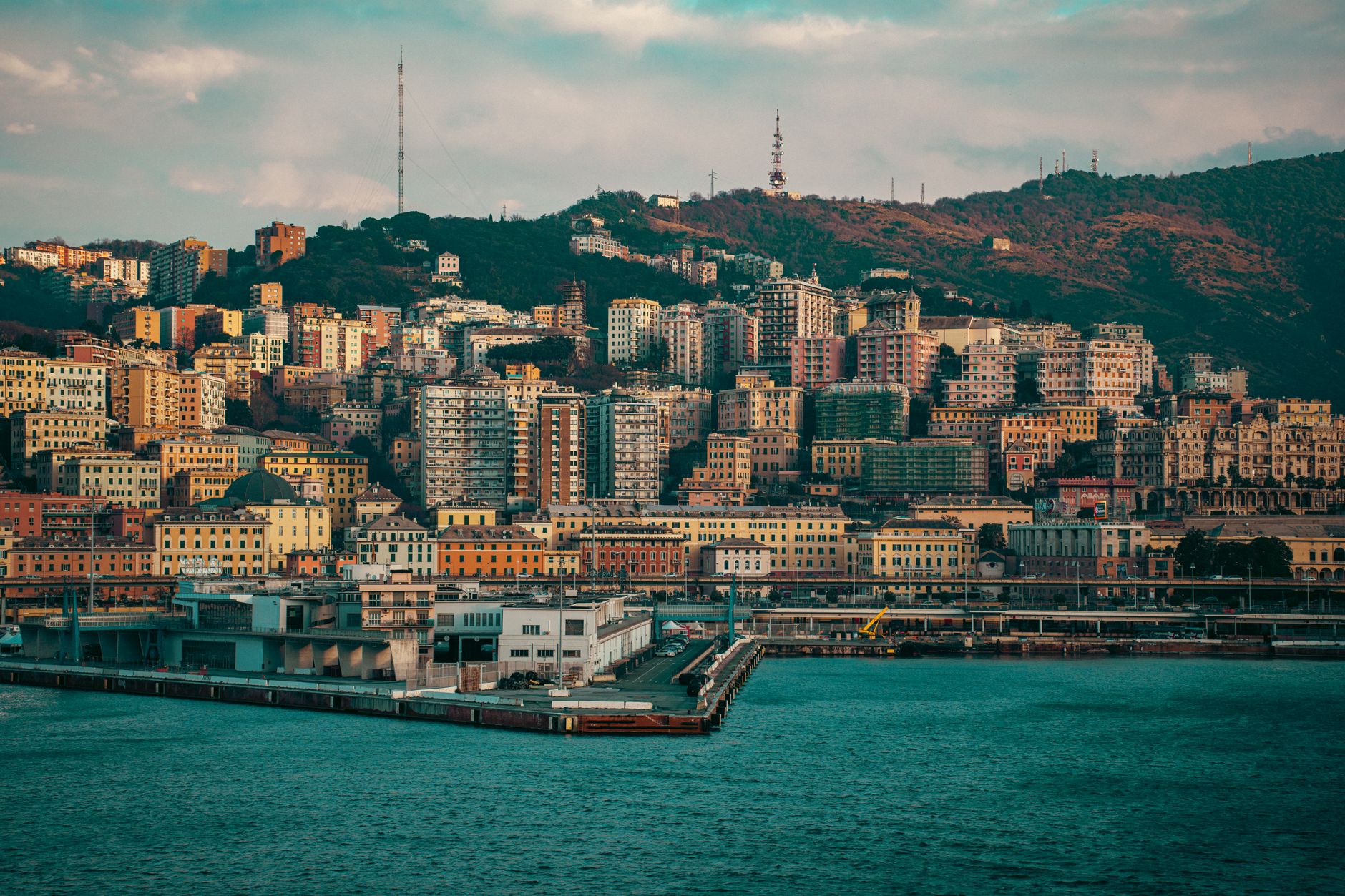


Tall, shaded alleyways echo with scooter throttles and kitchen chatter as the city tumbles straight down from the Apennines into the working port. Sunlight barely reaches the stone pavement of the medieval caruggi, where frying pans of farinata hiss behind beaded curtains and sixteenth-century marble palazzi hide behind ordinary street numbers. It is unvarnished, loud, and entirely unapologetic about its maritime grit. Genoa is worth visiting if you want to eat mortar-crushed basil pesto and explore Renaissance palaces without coach tours. Look elsewhere if you want wide sandy beaches, manicured resort polish, or quiet, sunlit promenades.
Last updated 2 Sept 2026
Build a Genoa itinerary.
Choose up to 4 threads that pull you in. Your plan arrives organised around them.
The Bed
Where to stay in Genoa
Which part of town to book, and what each one costs you in walking, noise or quiet.
The Comparison
Genoa, or somewhere near it
The places you are realistically choosing between, and the honest case for each.
The Local Record
Where to read more about Genoa
The blogs, boards, guides and operators worth bookmarking.
What to do in Genoa Liguria Italy
Genoa wraps around a working Mediterranean bay, rising steeply into the hills. Days balance between getting lost in the dense medieval centro storico, ducking into historic friggitorie for fried fish, and marveling at aristocratic art collections inside Strada Nuova palaces. It suits independent walkers who appreciate unpolished character, maritime heritage, and straightforward northern Italian cooking.
24 hours in Genoa Liguria Italy
Start with warm focaccia near Mercato Orientale, then tour the grand courtyards of Via Garibaldi by midday. Walk through the caruggi to Piazza San Matteo for an afternoon espresso, and finish with trofie al pesto and Vermentino at a trattoria off Piazza delle Erbe. The central historic core is entirely walkable on foot. Select 1 Day above to see it.
2 days in Genoa Liguria Italy
Spend your second morning riding the Ascensore Castelletto for panoramic harbour views before heading east along Corso Italia to Boccadasse. Spend the afternoon wandering its pastel fishing harbour, eating stuffed pansotti, and enjoying the sea breeze away from the city centre. Choose 2 Days to expand the plan.
3 days in Genoa Liguria Italy
A third day lets you board the regional train toward Camogli for freshly fried squid on the stony beach, or ride the historic Casella narrow-gauge railway into the inland hills to hike between seventeenth-century forts along the ancient defensive ridge.
Genoa Liguria Italy itineraries by interest
Street Food in Genoa Liguria Italy
Grab warm focaccia genovese dipped in morning cappuccino, or crisp chickpea farinata straight from wood-fired copper pans at ancient sciamadde.
Renaissance Palaces in Genoa Liguria Italy
Walk the UNESCO-listed Palazzi dei Rolli along Via Garibaldi, touring Palazzo Rosso and Palazzo Bianco to see Rubens canvases and frescoed vaults.
Maritime History in Genoa Liguria Italy
Visit Galata Museo del Mare and the old port docks where Christopher Columbus and Mediterranean trade fleets sailed for seven centuries.
Pasta Traditions in Genoa Liguria Italy
Order hand-twisted trofie or pansotti with walnut sauce, dressed in mortar-ground basil pesto made with local DOP Pra basil and pine nuts.
Local Seafood in Genoa Liguria Italy
Eat fritto misto of anchovies and squid wrapped in brown paper cones at the dockside friggitorie near Piazza Caricamento.
Historic Shops in Genoa Liguria Italy
Browse centuries-old botteghe storiche like Pietro Romanengo fu Stefano for candied fruit and Confetteria Profumo for traditional pastries.
Public Elevators in Genoa Liguria Italy
Ride the Art Nouveau Ascensore Castelletto or the Zecca-Righi funicular for sweeping views over slate rooftops and the Mediterranean.
Markets & Produce in Genoa Liguria Italy
Wander Mercato Orientale on Via XX Settembre for piles of artichokes, salted anchovies, Prescinsêua cheese, and bunches of fresh herbs.
Sacred Architecture in Genoa Liguria Italy
Step inside the striped black-and-white zebra facade of the Romanesque Cattedrale di San Lorenzo to view its subterranean treasury.
Coastal Walks in Genoa Liguria Italy
Take the seaside promenade from Corso Italia to Boccadasse, an old pastel fishing village with a pebble beach and small trattorias.
Hilltop Forts in Genoa Liguria Italy
Hike the ridge above the city to Forte Diamante and the seventeenth-century defensive walls via the narrow-gauge Casella mountain railway.
Regional Wine in Genoa Liguria Italy
Sip crisp Vermentino and mineral Pigato from the Riviera hills alongside fried panissa in hole-in-the-wall enoteche off Piazza delle Erbe.