_-_The_Town_of_Gordes_-_328_-_Blackburn_Museum_and_Art_Gallery.jpg)


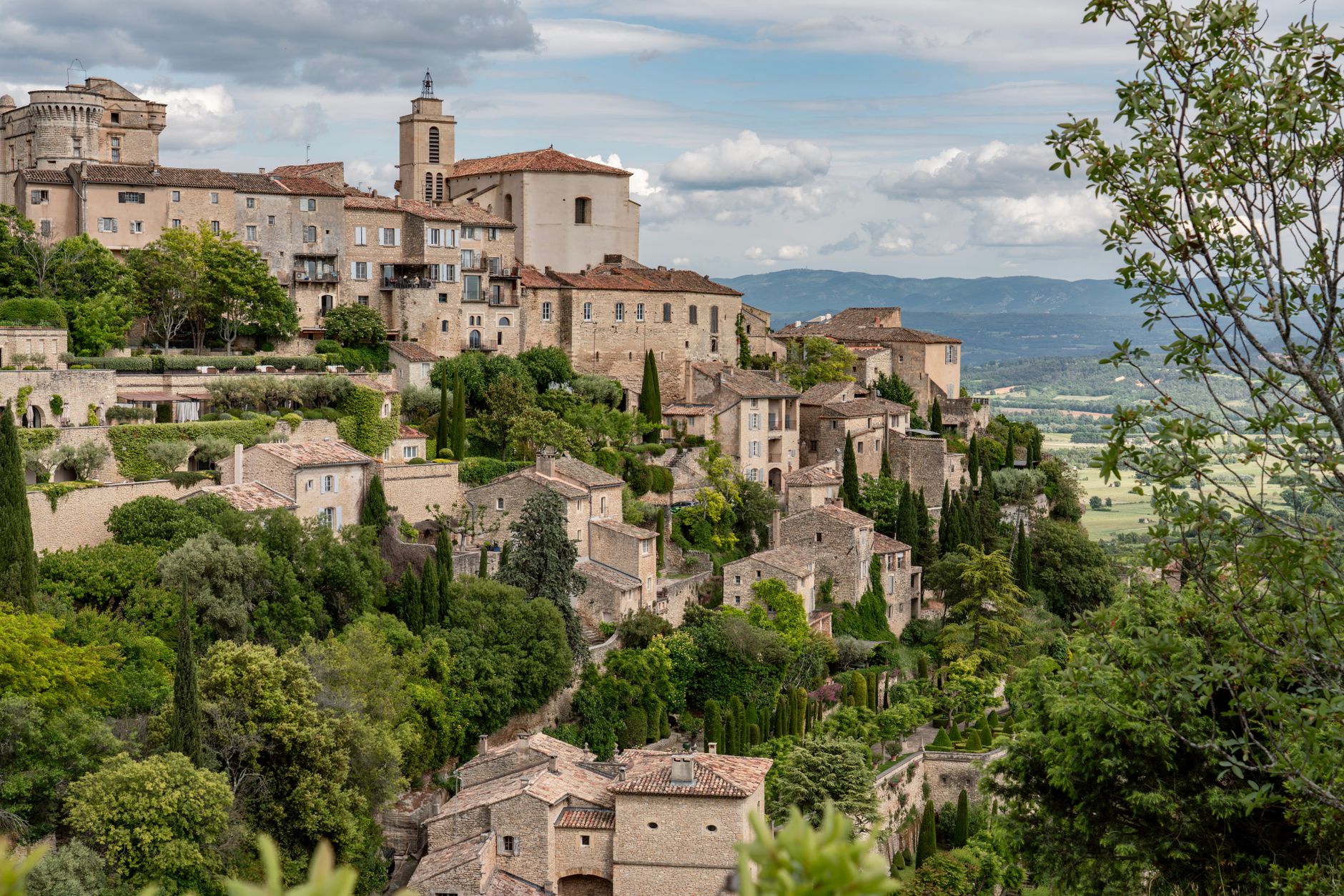

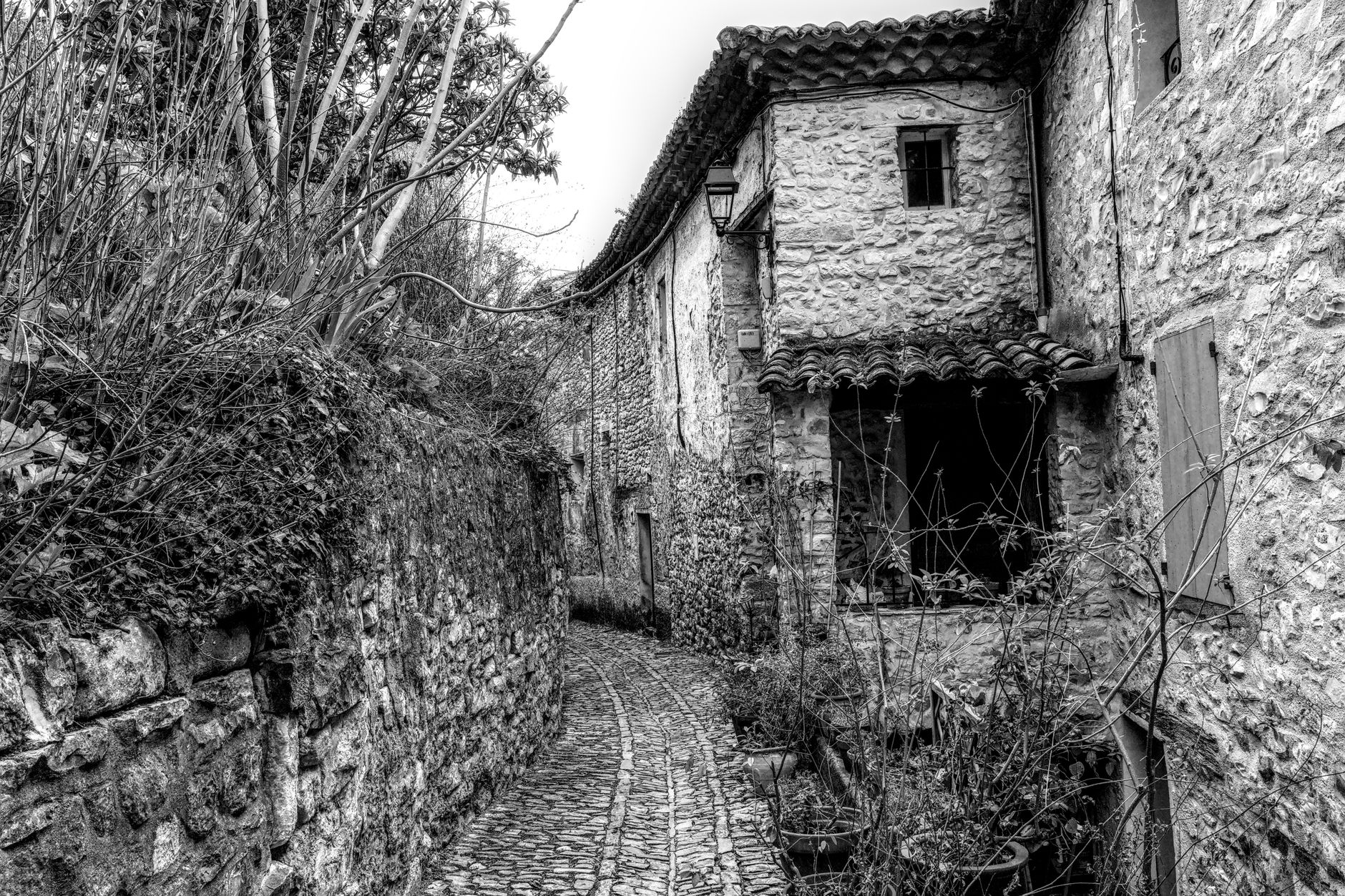
Wind whistles through the calades, the steep stone alleys paved with edge-set stones that slant down from the sixteenth-century château. You feel the gradient in your calves long before reaching the lower ramparts. Built directly into the limestone cliffs of the Monts de Vaucluse, the settlement looks austere from the D15 approach until morning light strikes the pale dry stone, revealing quiet vaulted passageways, tiered gardens, and cool cellars cut straight into the bedrock.
Last updated 28 Aug 2026
Build a Gordes itinerary.
Choose up to 4 threads that pull you in. Your plan arrives organised around them.
The Bed
Where to stay in Gordes
Which part of town to book, and what each one costs you in walking, noise or quiet.
The Comparison
Gordes, or somewhere near it
The places you are realistically choosing between, and the honest case for each.
The Local Record
Where to read more about Gordes
The blogs, boards, guides and operators worth bookmarking.
What to do in Gordes Provence France
Days here follow the sun across the tiered rock face. You spend mornings climbing cobblestone lanes called calades, ducking under stone archways, and exploring Renaissance halls before taking a long lunch in the shade. It suits travellers who enjoy walking on uneven stone, studying dry-stone craft, and lingering over carafes of Ventoux wine rather than ticking off long museum checklists.
24 hours in Gordes Provence France
Start early at the bakery on Place du Château with fresh brioche. Walk down to the Palais Saint-Firmin caves before midday heat arrives. Have pistou soup at a terrace bistro, then spend late afternoon walking out to the Village des Bories. Finish with a glass of crisp Luberon white by the castle wall. Select 1 Day above to see it.
2 days in Gordes Provence France
Devote your second morning to the silent cloister at Abbaye de Sénanque, a ten-minute drive down the valley. Afterwards, cross over to nearby Goult for a quiet lunch of roasted lamb and tapenade, avoiding the midday tour buses while keeping a relaxed regional pace. Choose 2 Days to expand the plan.
3 days in Gordes Provence France
A third day allows an unhurried loop through the ochre quarries of Roussillon and the shaded waterwheels of L'Isle-sur-la-Sorgue. Return to Gordes at dusk, when day-trippers leave and the limestone glows ochre against the dark Luberon valley.
Gordes Provence France itineraries by interest
Local Produce in Gordes Provence France
Tuesday mornings bring goat banon wrapped in chestnut leaves, Cavaillon melons, and tapenade scooped straight into parchment tubs.
Sacred Architecture in Gordes Provence France
Abbaye de Sénanque sits in a quiet hollow, where Cistercian monks keep silence amid twelfth-century Romanesque arches and lavender.
Wine & Vineyards in Gordes Provence France
Cellars pour crisp Luberon AOC whites from Grenache Blanc and Vermentino, alongside spicy Syrah blends from sun-baked limestone soils.
Historic Fortifications in Gordes Provence France
The medieval château dominates the village crest, housing Renaissance fireplaces, round guard towers, and rotating regional art shows.
Traditional Masonry in Gordes Provence France
The dry-stone bories at the village edge reveal centuries of shepherd masonry, stacked without mortar into beehive-shaped shelters.
Underground History in Gordes Provence France
Descend into the cellars beneath the Palais Saint-Firmin to see medieval olive presses, cisterns, and silos carved into the rock.
Hiking & Trails in Gordes Provence France
Follow the marked trail through the Sénancole gorge for cool limestone paths, wild thyme underfoot, and valley views without the road.
Art Galleries in Gordes Provence France
Pol Mara and Marc Chagall painted here; quiet studios along the calades still showcase local lithographs, oil work, and sculpture.
Village Dining in Gordes Provence France
Order daube provençale slow-braised with orange peel, followed by warm clafoutis and a pitcher of pale rosé under plane trees.
Scenic Drives in Gordes Provence France
The D177 winds through dramatic gorges toward Venasque, offering wide pull-offs across the Luberon plain and Ventoux foothills.
Day Trips in Gordes Provence France
Drive fifteen minutes to Roussillon to walk the crimson ochre cliffs before heading down to the antique stalls of L'Isle-sur-la-Sorgue.
Bakeries & Cafes in Gordes Provence France
Grab a crusty fougasse laced with olives from the village baker and a bitter espresso on Place Genty Pantaly while the town wakes.