Haarlem.


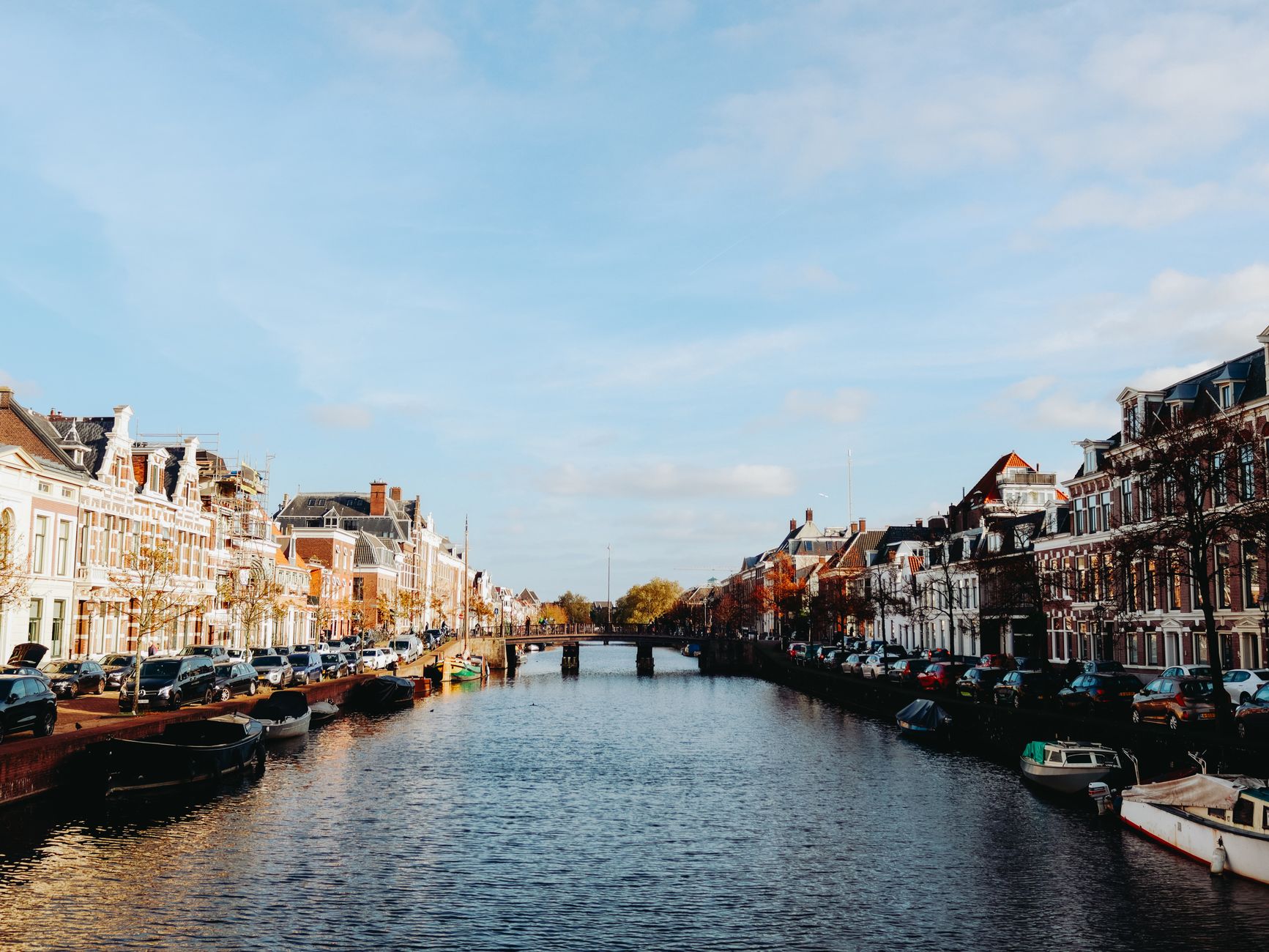
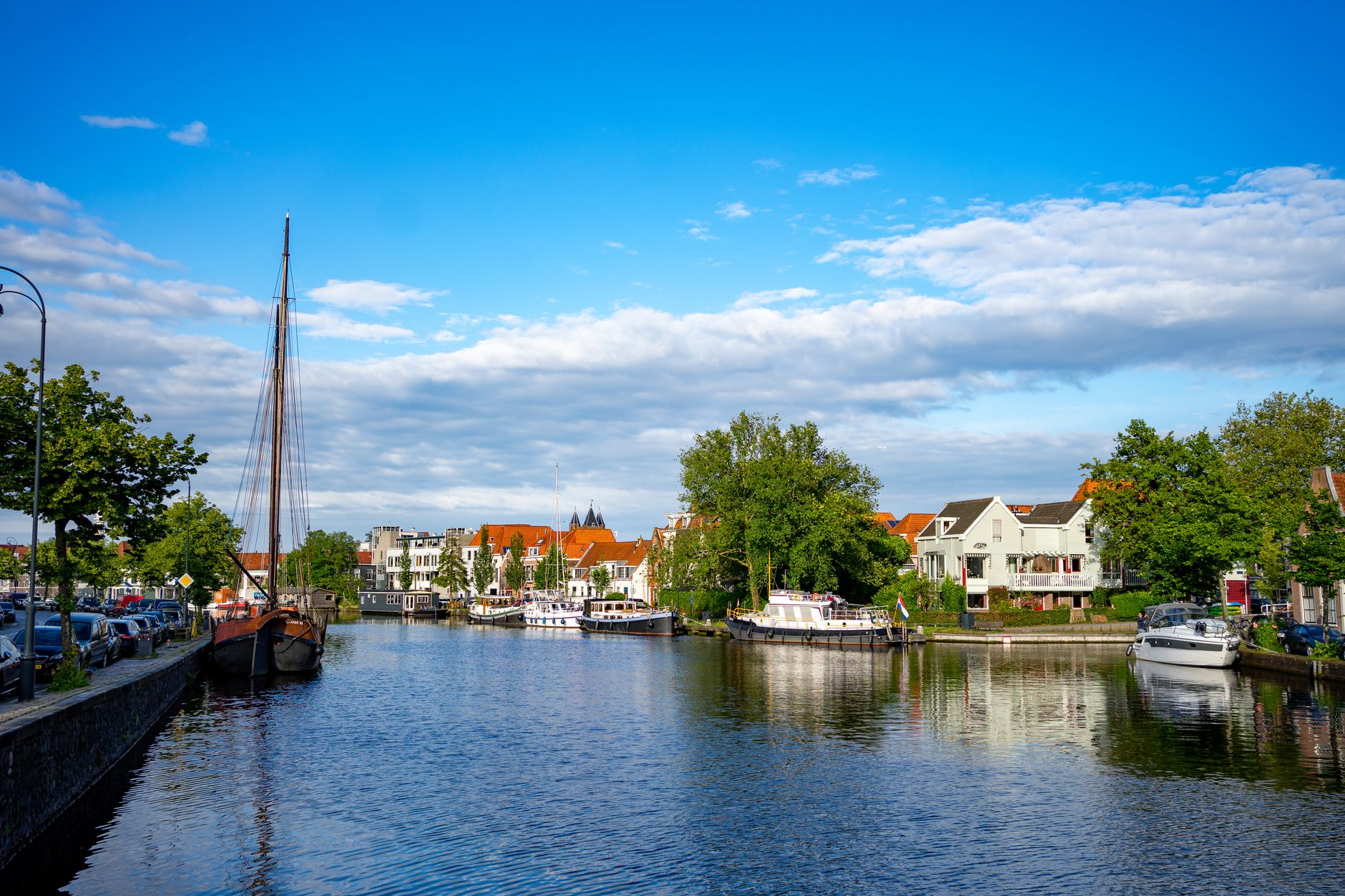

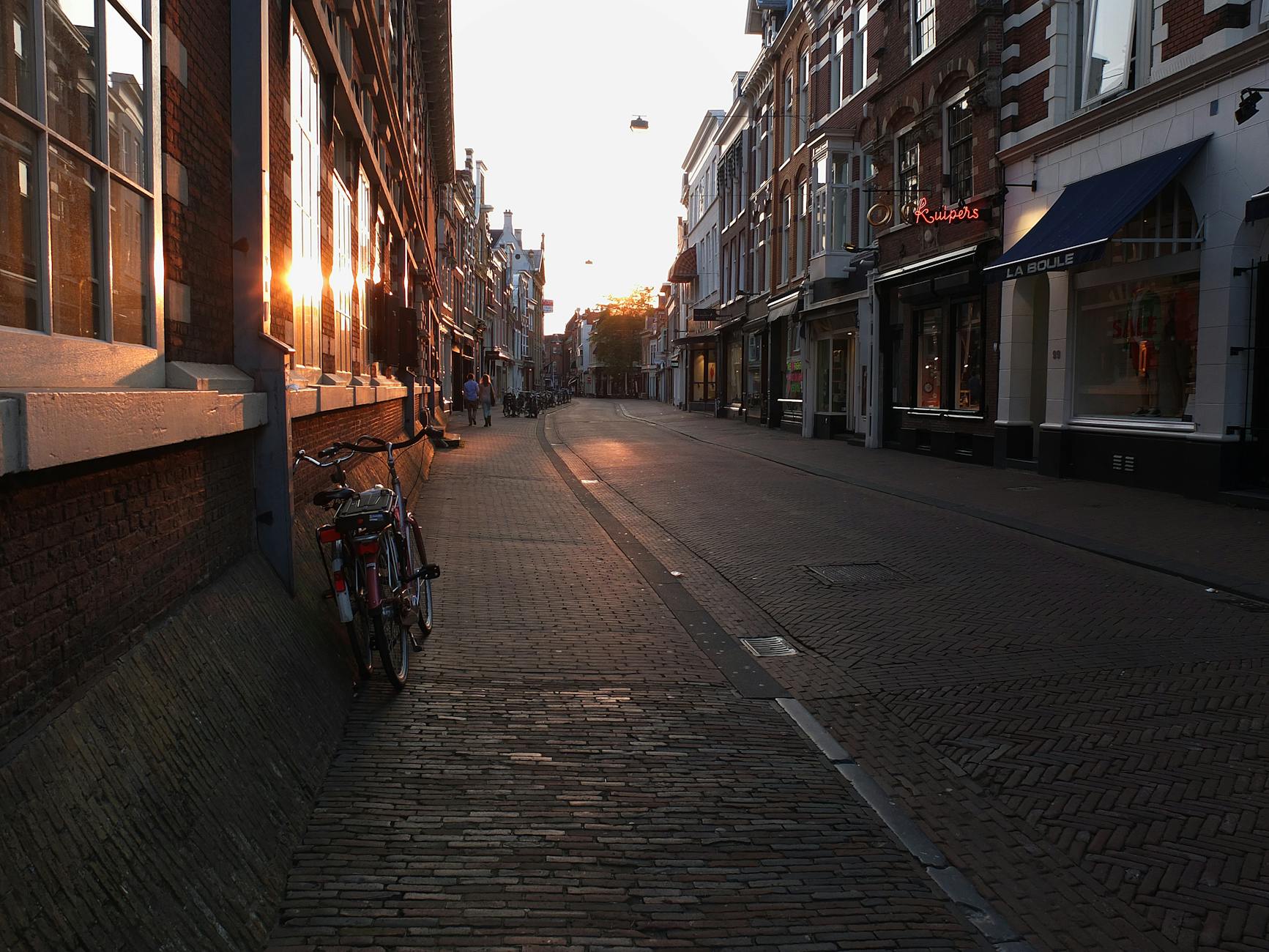
The low clatter of bicycle wheels on damp clinker brick sets the pace here, fifteen minutes west of Amsterdam. You step out into the vast open jaw of the Grote Markt under the shadow of the Sint-Bavokerk, where the massive 1738 Christian Müller organ still shakes the choir stalls. Along the Spaarne river and through the secluded brick almshouses known as hofjes, this is an unhurried mercantile city built on beer brewing, linen bleaching, and Frans Hals portraits.
Last updated 28 Aug 2026
Build a Haarlem itinerary.
Choose up to 4 threads that pull you in. Your plan arrives organised around them.
The Bed
Where to stay in Haarlem
Which part of town to book, and what each one costs you in walking, noise or quiet.
The Comparison
Haarlem, or somewhere near it
The places you are realistically choosing between, and the honest case for each.
The Local Record
Where to read more about Haarlem
The blogs, boards, guides and operators worth bookmarking.
What to do in Haarlem North Holland Netherlands
Haarlem is compact, flat, and remarkably walkable, structured around the grand sweep of the Grote Markt and the curves of the Spaarne. The rhythm here belongs to residents: morning coffee along the Klokhuisplein, quiet exploration of hidden courtyard gardens, and afternoons browsing independent shops on Kleine Houtstraat. It suits travellers who appreciate Dutch Masters, historic architecture, and good beer without battling heavy metropolitan crowds.
24 hours in Haarlem North Holland Netherlands
Start early inside the Sint-Bavokerk, then head to the Frans Hals Museum to catch the masterworks in quiet morning light. Grab raw herring and kibbeling on the Botermarkt for lunch. Spend your afternoon strolling the Spaarne past Windmill De Adriaan before an evening glass of Jopen beer and bitterballen inside the converted Jacobskerk. Select 1 Day above to see it.
2 days in Haarlem North Holland Netherlands
A second day lets you explore the 1784 Teylers Museum at leisure along the Spaarne before picking up a bicycle. Ride west through the pine woods and sand dunes of Zuid-Kennemerland National Park out to the North Sea beach at Bloemendaal aan Zee, returning for Indonesian rijsttafel along the Spekstraat. Choose 2 Days to expand the plan.
3 days in Haarlem North Holland Netherlands
Three days gives you room to seek out all twenty-one surviving almshouse hofjes and catch the Saturday food market on Grote Markt. Take a ten-minute regional train to the flower fields around Keukenhof in spring, or explore the maritime quays and historic cheese weighhouse down the tracks in Alkmaar.
Haarlem North Holland Netherlands itineraries by interest
Sacred Architecture in Haarlem North Holland Netherlands
Hear the 1738 Christian Müller organ inside the Sint-Bavokerk on the Grote Markt, where Handel and Mozart both played the five-thousand pipes.
Art & Museums in Haarlem North Holland Netherlands
Study Frans Hals civic guard group portraits at his namesake museum, then explore Enlightenment fossils and instruments at the 1784 Teylers Museum.
Street Food in Haarlem North Holland Netherlands
Eat raw soused North Sea haring served with diced onions and pickles from wooden fish carts on the Botermarkt, or order hot fried kibbeling.
Craft Beer in Haarlem North Holland Netherlands
Drink heavy historic koyt ales and modern IPAs inside the former St. Jacobskerk at Jopenkerk brewery, reviving the city's 15th-century brewing lore.
Historic Courtyards in Haarlem North Holland Netherlands
Slip through discrete doorways into quiet medieval hofjes like the Hofje van Bakenes, founded in 1395 to house elderly unmarried women in peace.
Markets & Produce in Haarlem North Holland Netherlands
Browse Saturdays on the Grote Markt for rounds of aged Boerenkaas gouda, stroopwafels pressed fresh, and crates of Zeeland mussels and oysters.
Canal Architecture in Haarlem North Holland Netherlands
Walk the bends of the Spaarne river past stepped-gable warehouses and watch the wooden sails turn at the reconstructed 1778 windmill De Adriaan.
Independent Shopping in Haarlem North Holland Netherlands
Wander the cobbled Gouden Straatjes, especially Warmoesstraat and Kleine Houtstraat, for vintage clothes, artisan paper, and handmade chocolates.
Coastal Escapes in Haarlem North Holland Netherlands
Rent a three-speed bicycle for the twenty-minute pedal through coastal dunes out to the wide North Sea sands at Bloemendaal aan Zee or Zandvoort.
Nature & Hiking in Haarlem North Holland Netherlands
Track Konik wild ponies and Scottish Highland cattle along sandy pine trails through the dunes of Nationaal Park Zuid-Kennemerland.
Historic Cafes in Haarlem North Holland Netherlands
Settle into a traditional brown cafe along the Riviervischmarkt for a late afternoon draft pilsner paired with mustard and steaming bitterballen.
Gardens & Parks in Haarlem North Holland Netherlands
Stroll the English landscape lawns of Haarlemmerhout, the oldest public park in the country, before touring the neoclassical Pavilion Welgelegen.