Maastricht.


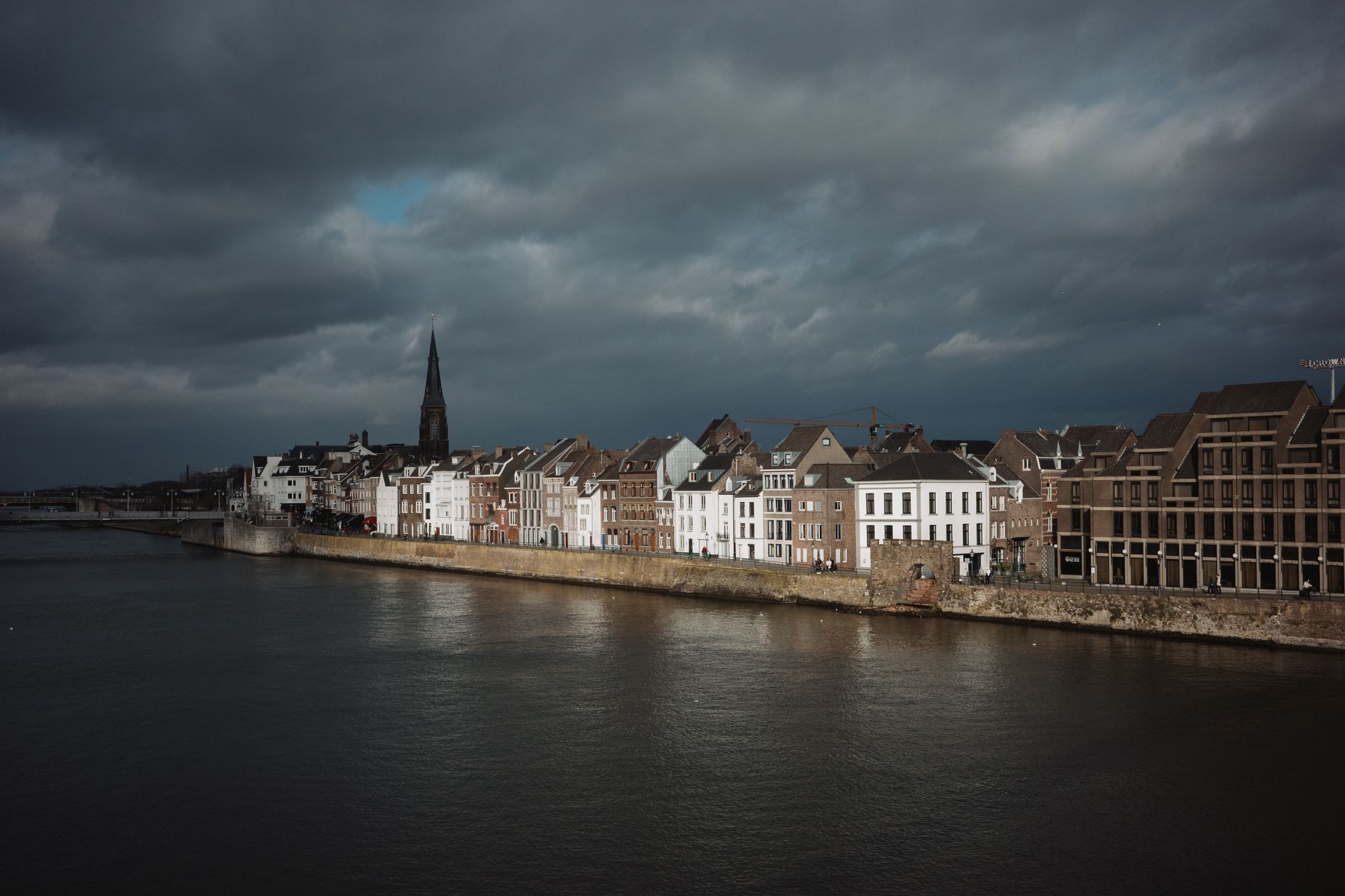
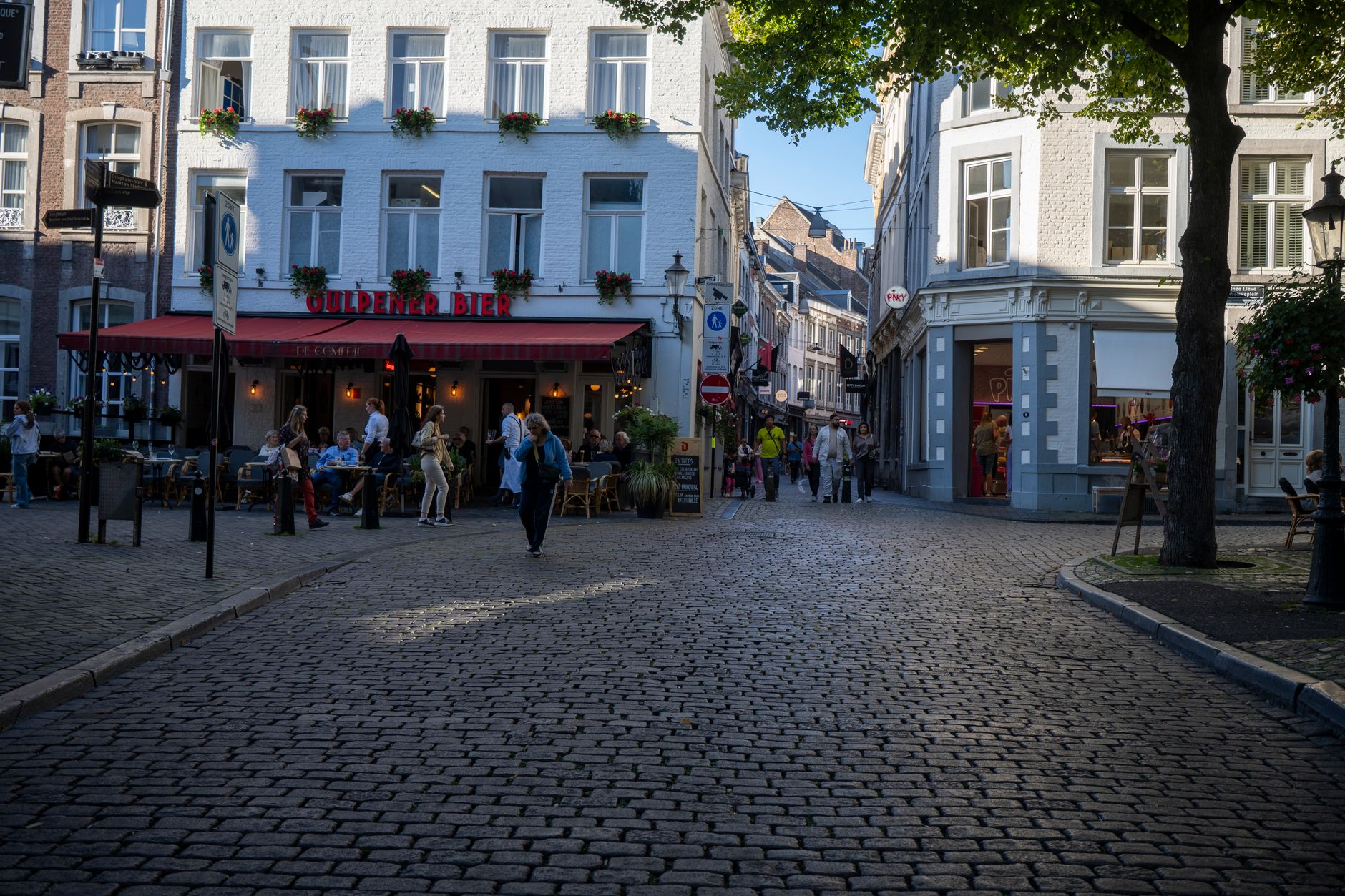

Maastricht sits two and a half hours south of Amsterdam by direct intercity train and thirty minutes north of Liège across the Belgian border. It is genuinely known for its Roman foundations, limestone cave networks, and a slower, Burgundian café culture that feels worlds apart from the northern Randstad. Maastricht is worth visiting if you want to eat beef zoervleis beside medieval fortifications, drink Pinot Blanc grown on local marlstone hills, and walk quiet cobbled alleys before the weekend crowds arrive. Look elsewhere if you want all-night electronic music clubs, blockbuster art museums, or the fast-paced scale of a major metropolis.
Last updated 9 Sept 2026
Build a Maastricht itinerary.
Choose up to 4 threads that pull you in. Your plan arrives organised around them.
The Bed
Where to stay in Maastricht
Which part of town to book, and what each one costs you in walking, noise or quiet.
The Comparison
Maastricht, or somewhere near it
The places you are realistically choosing between, and the honest case for each.
The Local Record
Where to read more about Maastricht
The blogs, boards, guides and operators worth bookmarking.
What to do in Maastricht Limburg Netherlands
Maastricht splits neatly along the River Meuse. The western bank holds the medieval core around the Vrijthof and Onze Lieve Vrouweplein, where days revolve around outdoor terrace tables, slow lunches, and walks through Romanesque cloisters. The eastern Wyck district balances this with independent design shops and relaxed brasseries. It suits travellers who prefer walking over rushing and value good wine, honest baking, and layered history over checklists.
24 hours in Maastricht Limburg Netherlands
Start with black coffee and warm spelt vlaai at Bisschopsmolen, then climb the red tower of Sint Janskerk for views across the valley. Cross the thirteenth-century stone bridge for an afternoon in Wyck, and finish with a bowl of beef zoervleis at a corner café on Onze Lieve Vrouweplein. The entire core is walkable in under fifteen minutes. Select 1 Day above to see it.
2 days in Maastricht Limburg Netherlands
Spend morning two walking south past the Helpoort into the Jeker valley. The landscape shifts quickly from medieval city ramparts to rolling marlstone vineyards. Visit Apostelhoeve for a tasting of Dutch Müller-Thurgau, then head back through the repurposed ceramics halls of the Sphinxkwartier for wood-fired cooking and local Limburg draught beer. Choose 2 Days to expand the plan.
3 days in Maastricht Limburg Netherlands
A third day allows for subterranean exploration of the limestone quarry labyrinths at Fort Sint Pieter before heading further afield. Hop on the regional train to the hill country of Valkenburg to tour castle ruins, or ride thirty minutes south across the border into Liège for morning markets along the Meuse and afternoon museum hopping.
Maastricht Limburg Netherlands itineraries by interest
Regional Cuisine in Maastricht Limburg Netherlands
Seek out traditional zoervleis sweet-and-sour beef stew with frites and a slice of kruisbessen gooseberry vlaai pastry dusted with coarse sugar.
Sacred Architecture in Maastricht Limburg Netherlands
Step into the Romanesque Basilica of Saint Servatius on the Vrijthof and the thirteenth-century Dominican church now housing a quiet bookshop.
Wine & Vineyards in Maastricht Limburg Netherlands
Taste crisp Pinot Gris and Auxerrois grown on the marlstone slopes of the Jeker valley at Hoeve Nekum and Apostelhoeve, ten minutes south.
Underground History in Maastricht Limburg Netherlands
Walk the cool limestone corridors of the North Caves at Fort Sint Pieter, where locals carved 20,000 passageways and hid art during the war.
Baking & Milling in Maastricht Limburg Netherlands
Watch the undershot water wheel turn at the seventh-century Bisschopsmolen bakery on the Jeker, where bakers mill ancient spelt for fresh loaves.
Medieval Fortifications in Maastricht Limburg Netherlands
Trace the 1229 stone ramparts, the Helpoort gatehouse, and the cannon emplacements flanking the quiet walking paths along the old southern wall.
Local Markets in Maastricht Limburg Netherlands
Browse the Friday produce stalls on the Markt for regional goat cheese, smoked eel, fresh herring, and warm stroopwafels pressed to order.
Modern Art in Maastricht Limburg Netherlands
Cross the bridge to the Bonnefanten Museum in Céramique, where Aldo Rossi’s zinc-domed tower houses medieval wood carvings and contemporary Italian art.
River Walks in Maastricht Limburg Netherlands
Cross the pedestrian Hoge Brug and the thirteenth-century Sint Servaasbrug, watching barges glide along the Meuse toward the Belgian border.
Beer Traditions in Maastricht Limburg Netherlands
Pull up a stool at De Gouverneur on the Boschstraat for regional Limburg tripels and sour ales poured from deep cellars into wide chalices.
Day Trips in Maastricht Limburg Netherlands
Take a twenty-minute local train south to Liège for waffle stands and railway architecture, or cycle into the rolling chalk hills of Valkenburg.
Craft Traditions in Maastricht Limburg Netherlands
Explore the Sphinxkwartier to see how nineteenth-century industrial pottery factories transformed into workshops, design studios, and rooftop bars.