Leiden.

_(3).jpg)

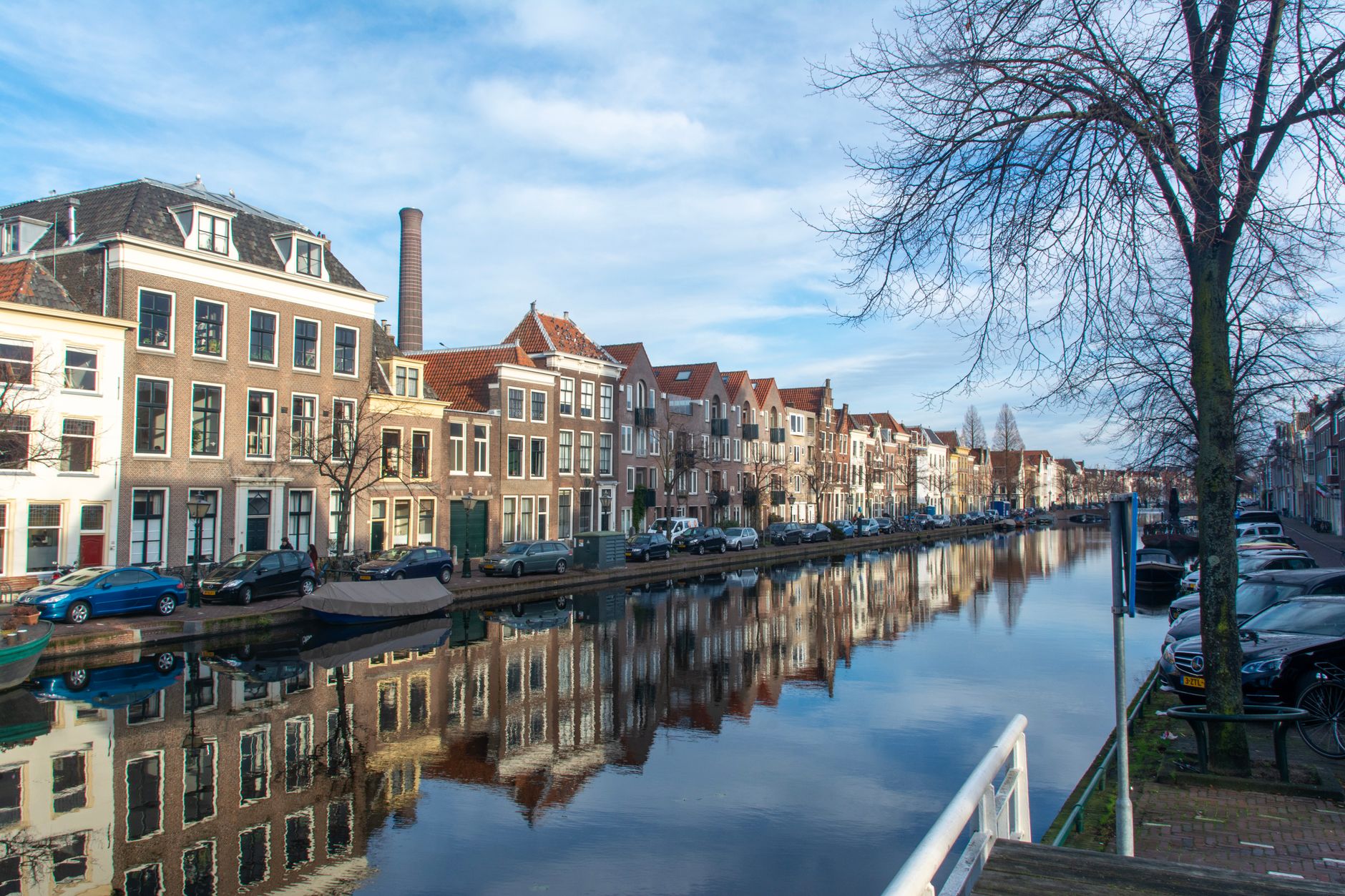


Leiden sits thirty minutes south of Amsterdam by direct train and fifteen minutes from Schiphol Airport. It is known for the oldest university in the Netherlands, founded in 1575, and a dense network of seventeenth-century canals lined with brick townhouses. You can walk the entire historic centre in forty minutes without rushing. Leiden is worth visiting if you want to explore Dutch Golden Age art collections and medieval courtyard almshouses without the crowds of the capital. Look elsewhere if you want late-night clubbing, cutting-edge contemporary architecture, or the fast-paced energy of a major metropolis.
Last updated 7 Sept 2026
Build a Leiden itinerary.
Choose up to 4 threads that pull you in. Your plan arrives organised around them.
The Bed
Where to stay in Leiden
Which part of town to book, and what each one costs you in walking, noise or quiet.
The Comparison
Leiden, or somewhere near it
The places you are realistically choosing between, and the honest case for each.
The Local Record
Where to read more about Leiden
The blogs, boards, guides and operators worth bookmarking.
What to do in Leiden South Holland Netherlands
Leiden spreads around two arms of the Rhine river, with quiet brick quays, centuries-old university faculties, and water everywhere. Life centres on cycling between outdoor canal-side terraces on the Nieuwe Rijn and browsing open courtyards. It suits independent walkers, museum enthusiasts, and anyone who prefers an authentic Dutch university town where bicycles outnumber cars and students crowd the brown cafés.
24 hours in Leiden South Holland Netherlands
Start your morning with espresso beside Rapenburg canal before touring Museum De Lakenhal. Lunch on herring and smoked eel by the water, then walk through the Pieterskwartier to the eleventh-century Burcht mound. Finish with cold draft beer and bitterballen at a corner brown café on Beestenmarkt. Select 1 Day above to see it.
2 days in Leiden South Holland Netherlands
A second day lets you explore the Hortus botanicus and the quiet northern courtyards near the Marekerk. In the afternoon, rent an electric sloop to navigate the Singel moat, then sit down for an Indonesian rijsttafel dinner on the Breestraat, a reminder of the city's maritime trading history. Choose 2 Days to expand the plan.
3 days in Leiden South Holland Netherlands
With three days, take a twenty-minute bike ride through the polders to the windmill at Warmond or take the bus out to the dunes at Katwijk aan Zee. Spend a slower afternoon tracking down Latin and Dutch wall poems painted across brick facades throughout the central alleys.
Leiden South Holland Netherlands itineraries by interest
Market Culture in Leiden South Holland Netherlands
Buy raw maatjes haring with chopped onions, warm stroopwafels, and aged Gouda along the Nieuwe Rijn every Wednesday and Saturday.
Pub Culture in Leiden South Holland Netherlands
Order a jenever and local craft ale at Café de Vergulde Kruik or In den Ouden Marenpoort, pairing them with hot bitterballen and mustard.
Sacred Architecture in Leiden South Holland Netherlands
Explore the soaring late-Gothic Pieterskerk where the Pilgrims worshipped, then visit Hooglandse Kerk for its massive fourteenth-century transept.
Courtyards & Alleys in Leiden South Holland Netherlands
Wander through thirty-five hidden hofjes, including Jean Pesijnhof and Sint Anna Hofje, tucked behind quiet wooden doorways off the main streets.
Botanical Gardens in Leiden South Holland Netherlands
Walk the Hortus botanicus, founded in 1590, to see early tulip introduction beds, historic greenhouses, and the tranquil Japanese garden.
Art & Antiquities in Leiden South Holland Netherlands
See early Rembrandt paintings at Museum De Lakenhal and Egyptian mummies at the Rijksmuseum van Oudheden along Rapenburg canal.
Historic Waterways in Leiden South Holland Netherlands
Rent an electric whisper boat on the Oude Rijn and Steenschuur, passing low stone bridges, houseboats, and old grain warehouses at water level.
Windmills & Milling in Leiden South Holland Netherlands
Climb Molen de Valk, an operational 1743 seven-story stage mill near the station that still grinds grain and displays miller quarters.
Street Food in Leiden South Holland Netherlands
Grab kibbeling with garlic sauce from Vishandel Atlantic or deep-fried frikandel at a FEBO automat wall along the Breestraat.
University Heritage in Leiden South Holland Netherlands
Step into the Academiegebouw on Rapenburg to view the historic sweat room where graduates have signed their names for over two centuries.
Traditional Baking in Leiden South Holland Netherlands
Sample warm spiced speculaas biscuits, boterkoek, and apple tart with fresh cream from neighborhood bakeries like Bakkerij van Maanen.
Day Trips in Leiden South Holland Netherlands
Catch a fifteen-minute train to the beach at Katwijk aan Zee or head to Delft and The Hague for royal palaces and seventeenth-century art.