Kaiserslautern.


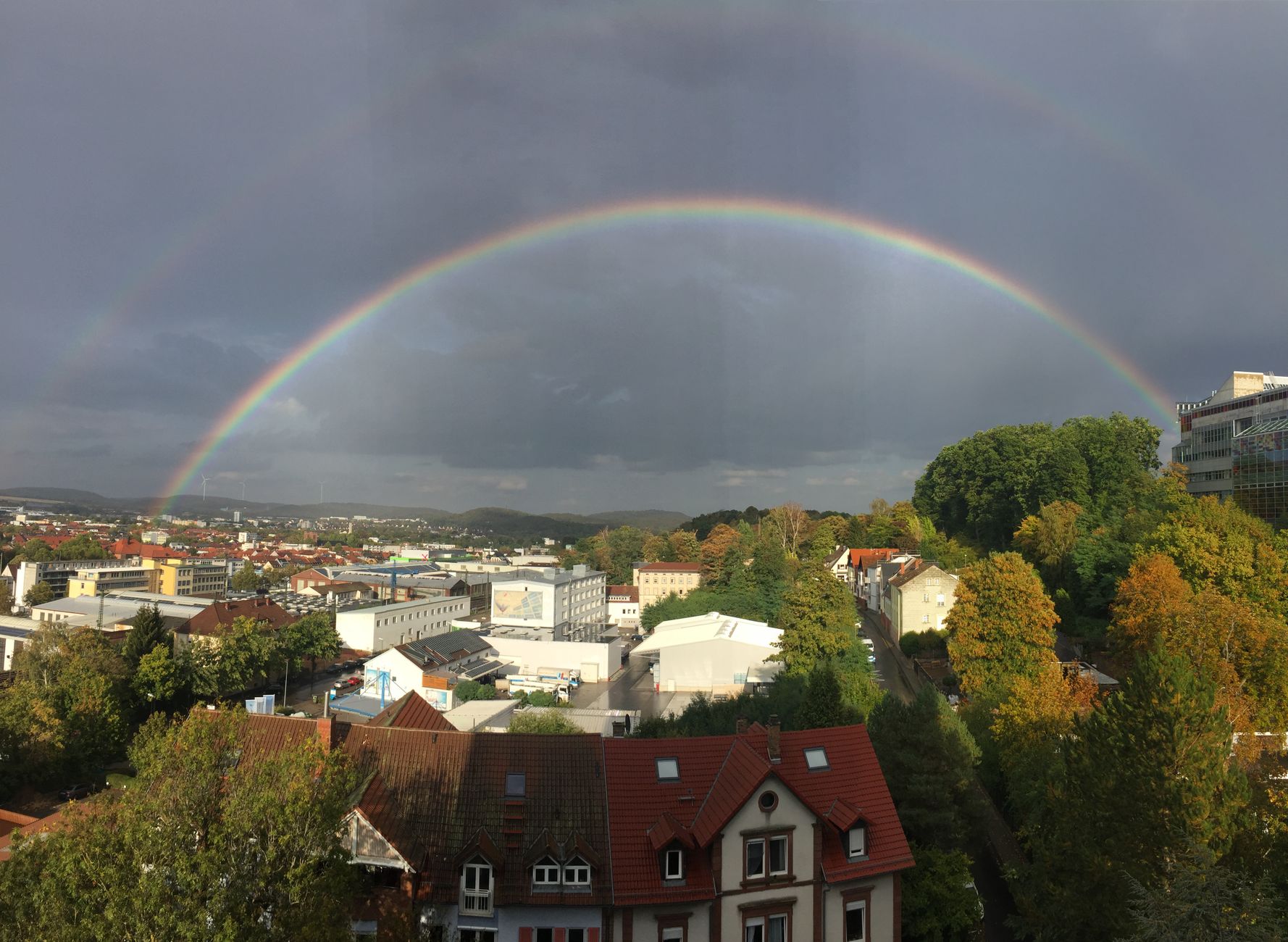
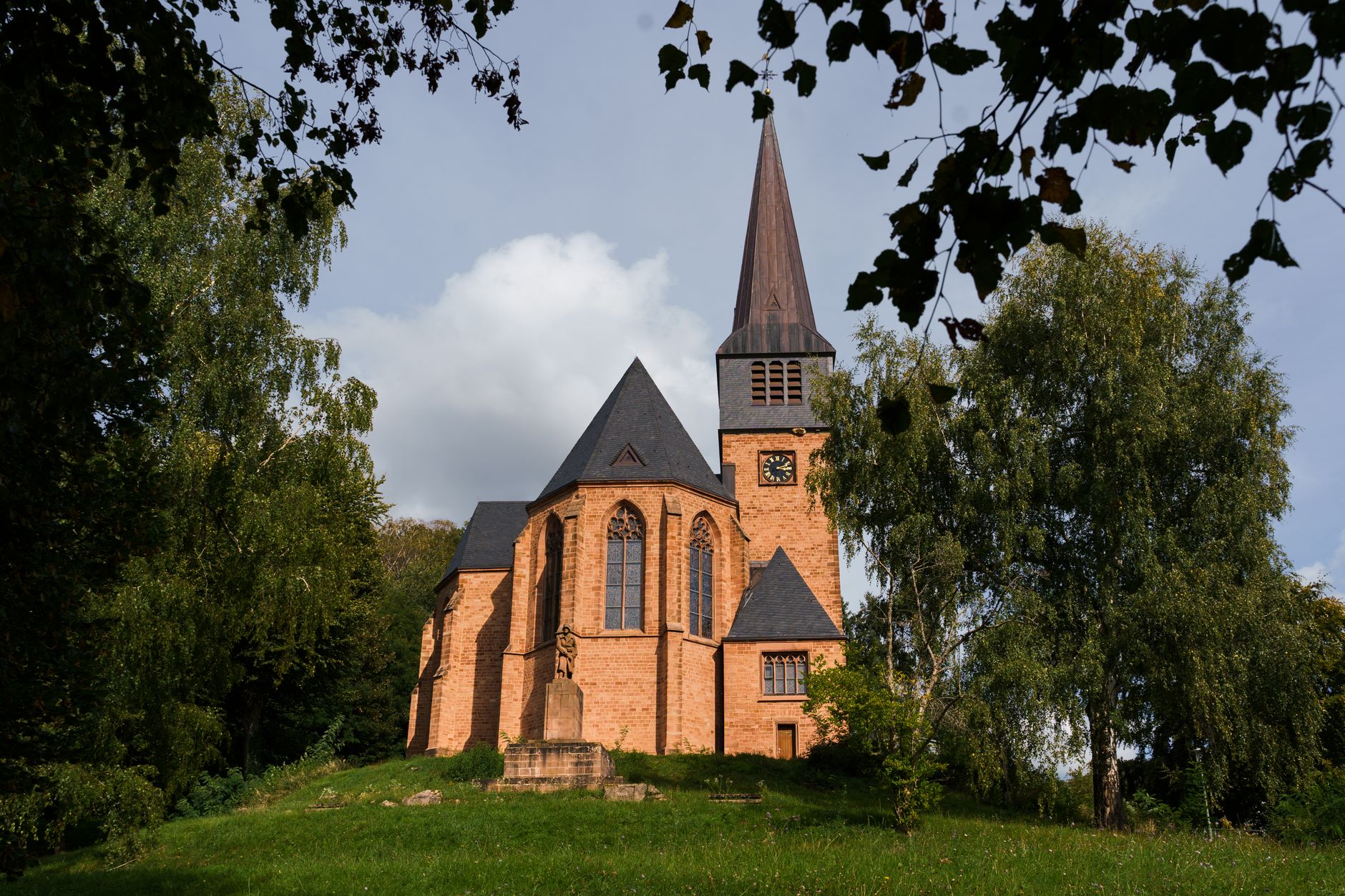
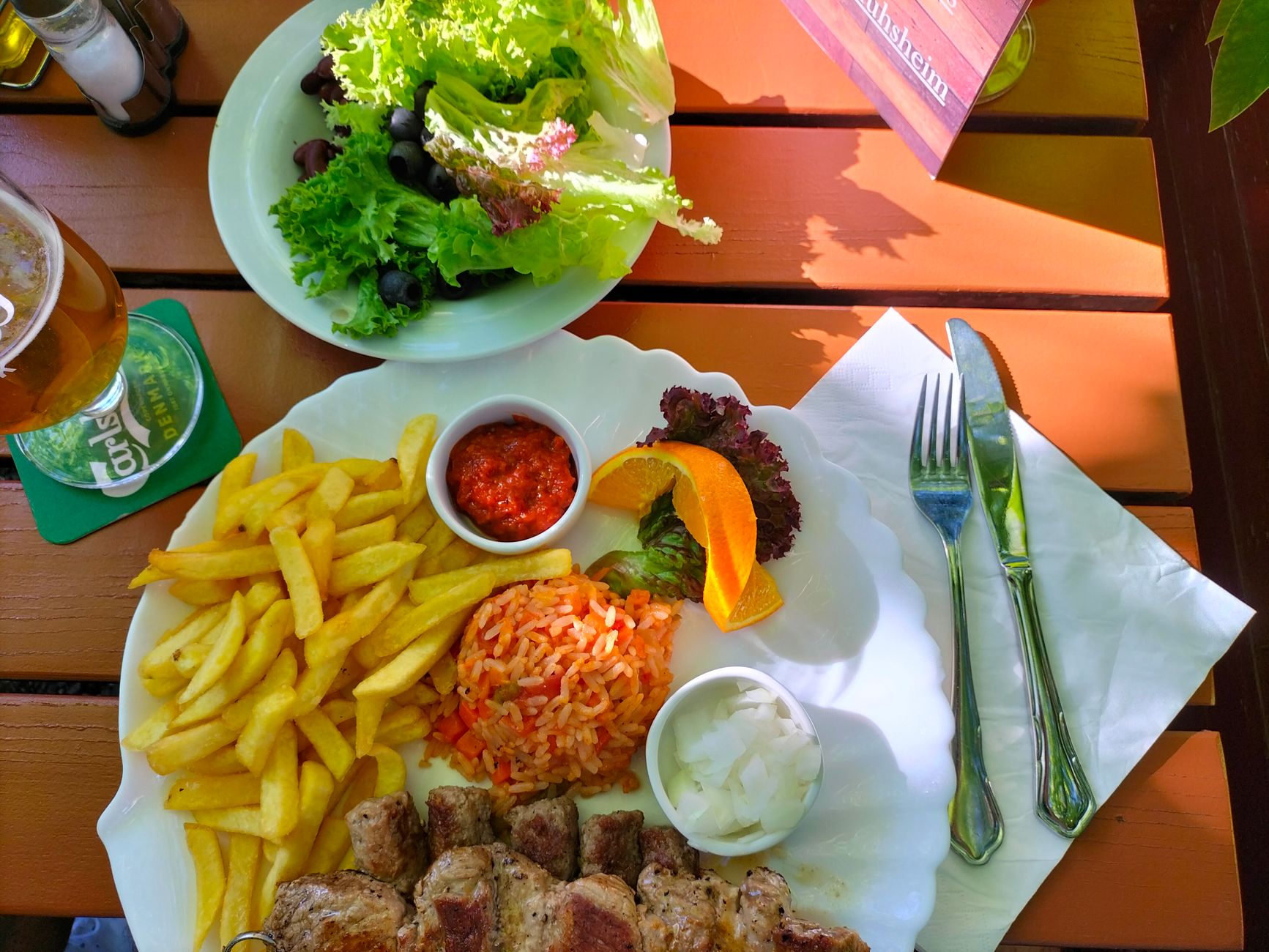

Kaiserslautern sits seventy minutes southwest of Frankfurt Airport by regional train, anchored on the edge of the dense Palatinate Forest and defined by its twelfth-century imperial history under Frederick Barbarossa. Kaiserslautern is worth visiting if you want honest Palatinate wine taverns, traditional pork butchery, and trailheads straight into deep woodland. Look elsewhere if you want grand intact medieval streetscapes or late-night clubbing.
Last updated 20 Oct 2026
Build a Kaiserslautern itinerary.
Choose up to 4 threads that pull you in. Your plan arrives organised around them.
We'll craft a 1-lens plan for Kaiserslautern, one collapsible strand per lens.
Forest Trails
Follow waymarked trails directly from town into the Pfälzerwald biosphere, passing sandstone cliffs and rustic hiker huts serving cold draft beer.
Forest Trails
Follow waymarked trails directly from town into the Pfälzerwald biosphere, passing sandstone cliffs and rustic hiker huts serving cold draft beer.
Climbing the Sandstone Tower
Humbergturm
Follow the marked red-and-white trail from the Bremerhof car park for thirty steady minutes uphill. The tower is free to enter, with 163 sandstone steps leading up to the viewing balcony.
Editor TipBuilt in 1900 from local red sandstone, the tower overlooks the Palatinate Forest biosphere, where centuries of sustainable forestry shaped the dense canopy of beech and Scots pine. Bring a light windbreaker; the top platform catches every sharp breeze coming off the Pfälzerwald ridge.
Forest Inn Hearth Break
Bremerhof
Descend the forest path back to this woodland estate. Grab a timber bench outside for a half-litre Riesling Schorle and warm pretzel before the midday walking crowd arrives.
Editor TipOriginally an eighteenth-century monastery farmstead, the estate anchors the local Pfälzer Einkehr tradition, where hikers break forest walks with dry local wine and straightforward hospitality. Cash is easiest at the outdoor self-service counter when service begins at eleven.
Circling Historic Peat Ponds
Vogelwoog
Walk the flat two-kilometre circuit through alder groves and moorland, then order a cold local draft or Apfelschorle at the rustic lakeside terrace. Allow ninety minutes.
Editor TipDammed in the sixteenth century to power local iron hammers and harvest carp, these quiet woodland ponds remain a cherished everyday sanctuary for Kaiserslautern families. Take the wooden boardwalk loop on the western bank if you want prime views of nesting grey herons.
Tracking The Mossy Sandstone Gorge
Karlstalschlucht
Follow the wooden footbridges along the Moosalbe stream for three kilometres. Entry is free year-round; start from the Wilensteiner Mühle trailhead to catch the quiet morning light.
Editor TipCarved into Triassic Buntsandstein, this protected ravine anchors the Palatinate Forest Nature Park, Europe's largest contiguous forest, long prized for pristine beech canopies and iron milling. Wear shoes with serious grip. Damp pine needles over slick timber bridges make for involuntary skating.
Climbing Forest Castle Ruins
Burg Wilenstein
Scramble up the marked spur trail from the gorge floor to the upper battlements. The site is open daily with free access; allow an hour to inspect the rock-hewn moat and Romanesque tower base.
Editor TipBuilt around 1152 by Emperor Friedrich Barbarossa's circle to guard the imperial hunting grounds, this spur castle demonstrates how medieval builders fused fortified stone walls directly into living cliff. The western parapet offers a dead-quiet vantage over the beech canopy; bring a thermos and linger.
Note from the Editor
“Head straight into the southern woods before ten to beat the local walking clubs. Forest tracks dry out quickly after morning mist, but packed gravel turns slick beneath damp beech leaves.”
The Bed
Where to stay in Kaiserslautern
Which part of town to book, and what each one costs you in walking, noise or quiet.
The Comparison
Kaiserslautern, or somewhere near it
The places you are realistically choosing between, and the honest case for each.
The Local Record
Where to read more about Kaiserslautern
The blogs, boards, guides and operators worth bookmarking.
What to do in Kaiserslautern Rhineland-Palatinate Germany
Life here moves between the red sandstone centre and the surrounding pine ridges. Much of the wartime rebuilding gave the city a functional mid-century look, but the historic Martinsviertel and the green parks keep it grounded. Days naturally revolve around a forest walk, an afternoon coffee on Stiftsplatz, and an evening spent elbow-to-elbow in a wood-panelled tavern.
24 hours in Kaiserslautern Rhineland-Palatinate Germany
Start with morning coffee on Stiftsplatz before touring the Kaiserpfalz ruins. Walk ten minutes uphill to the Japanischer Garten for a quiet hour by the ponds. For dinner, take a table at a Martinsviertel tavern for crisped Saumagen and a glass of Pfalz Riesling. Select 1 Day above to see it.
2 days in Kaiserslautern Rhineland-Palatinate Germany
Devote your second morning to the Pfälzerwald trails just south of the centre, aiming for a rustic Waldhütte serving warm pea soup with Bockwurst. Return via Museum Pfalzgalerie, then spend the evening sampling dry Spätburgunder at a wine bar along Steinstraße. Choose 2 Days to expand the plan.
3 days in Kaiserslautern Rhineland-Palatinate Germany
Catch the local train east into the Palatinate wine country. Spend an unhurried day walking between Bad Dürkheim and Neustadt an der Weinstrasse, tasting directly from village vintners and lingering over roast pork shoulder in an open courtyard before heading back.
Kaiserslautern Rhineland-Palatinate Germany itineraries by interest
Regional Cooking in Kaiserslautern Rhineland-Palatinate Germany
Seek out pan-fried Saumagen, Leberknödel with sauerkraut, and crusty sourdough with lard at long timber tables in traditional Weinstuben.
Forest Trails in Kaiserslautern Rhineland-Palatinate Germany
Follow waymarked trails directly from town into the Pfälzerwald biosphere, passing sandstone cliffs and rustic hiker huts serving cold draft beer.
Wine & Vineyards in Kaiserslautern Rhineland-Palatinate Germany
Drink dry Riesling and Grauburgunder poured into traditional half-litre Schoppen glasses from the nearby slopes of the Deutsche Weinstrasse.
Castles & Ruins in Kaiserslautern Rhineland-Palatinate Germany
Inspect the excavated underground passages and subterranean chambers of Emperor Barbarossa's twelfth-century Kaiserpfalz near the city hall.
Spectator Sports in Kaiserslautern Rhineland-Palatinate Germany
Climb Betzenberg hill on match days to join forty thousand fans at Fritz-Walter-Stadion, backing 1. FC Kaiserslautern with bratwurst in hand.
Botanical Gardens in Kaiserslautern Rhineland-Palatinate Germany
Walk the terraced slopes of the Japanischer Garten, one of the largest in Europe, featuring stone lanterns, koi ponds, and a tea pavilion.
Markets & Produce in Kaiserslautern Rhineland-Palatinate Germany
Browse Stiftsplatz on Tuesday and Saturday mornings for regional apples, goat cheeses, fresh flowers, and smoked sausages from local butchers.
Modern Art in Kaiserslautern Rhineland-Palatinate Germany
Explore the Museum Pfalzgalerie Kaiserslautern for nineteenth-century German painting, Munich Secession works, and sharp contemporary sculpture.
Sacred Architecture in Kaiserslautern Rhineland-Palatinate Germany
Visit the red sandstone Stiftskirche, a fourteenth-century Gothic hall church with an ornate carillon chiming over the central square.
Day Trips in Kaiserslautern Rhineland-Palatinate Germany
Take a twenty-minute train ride to Neustadt an der Weinstrasse to walk timber-framed lanes and tour sunny hillside vineyard cellars.
Historic Quarters in Kaiserslautern Rhineland-Palatinate Germany
Wander the cobblestones of the Martinsviertel around Martinsplatz, stopping for coffee near the restored eighteenth-century Saint Martin Church.
Urban Parks in Kaiserslautern Rhineland-Palatinate Germany
Stroll the grounds of the Gartenschau, home to extensive flower gardens, quiet wooded walking paths, and massive life-sized dinosaur models.