Kirkjubæjarklaustur.



Kirkjubæjarklaustur sits 260 kilometres east of Reykjavík along the Ring Road, roughly a three-and-a-half-hour drive. The settlement is known for its basalt formations and its position beside the vast Eldhraun lava field. Kirkjubæjarklaustur is worth visiting if you want to study volcanic geology on foot and eat cold-water Arctic char. Look elsewhere if you expect evening nightlife, boutique shopping, or reliable transit beyond a single daily bus.
Last updated 9 Nov 2026
Build a Kirkjubæjarklaustur itinerary.
Choose up to 4 threads that pull you in. Your plan arrives organised around them.
The Bed
Where to stay in Kirkjubæjarklaustur
Which part of town to book, and what each one costs you in walking, noise or quiet.
The Comparison
Kirkjubæjarklaustur, or somewhere near it
The places you are realistically choosing between, and the honest case for each.
The Local Record
Where to read more about Kirkjubæjarklaustur
The blogs, boards, guides and operators worth bookmarking.
What to do in Kirkjubæjarklaustur Southern Region Iceland
Kirkjubæjarklaustur is a compact settlement laid out along the base of a high basalt ridge beside the Skaftá River. Daily rhythms revolve around exploring trails to Systrafoss waterfall, examining the geometric pavers at Kirkjugólf, and settling in for hearty plates of locally reared char. It suits travellers who appreciate quiet volcanic landscapes, slow rural paces, and easy access to southern trailheads without tour bus crowds.
24 hours in Kirkjubæjarklaustur Southern Region Iceland
Begin with an early walk across the hexagonal basalt tiles at Kirkjugólf, followed by the uphill path through the birch woods to Systravatn. For lunch, order fried Arctic char at a local roadhouse. Spend the afternoon taking in the views at Fjaðrárgljúfur canyon, just ten minutes west, before dinner beside the river. Select 1 Day above to see it.
2 days in Kirkjubæjarklaustur Southern Region Iceland
A second day lets you wander the moss trails of the Eldhraun lava field at an unhurried pace. Head east to the basalt sea stacks and black sands of the coastline, then return to town for smoked lamb and warm flatbread at a rural farm restaurant near the base of Systrastapi. Choose 2 Days to expand the plan.
3 days in Kirkjubæjarklaustur Southern Region Iceland
With three days, take a high-clearance vehicle or scheduled highland bus up the mountain tracks to the Lakagígar crater row. Returning to Kirkjubæjarklaustur gives you a relaxed evening to sample local craft beer and watch weather fronts drift across the Skaftá flats.
Kirkjubæjarklaustur Southern Region Iceland itineraries by interest
Volcanic Landscapes in Kirkjubæjarklaustur Southern Region Iceland
Walk the spongy green wool-moss paths across Eldhraun, the immense lava field created during the devastating 1783 Laki fissure eruption.
Geological Wonders in Kirkjubæjarklaustur Southern Region Iceland
Step onto Kirkjugólf, an ancient basalt pavement of hexagonal column tops polished flat by glacial meltwater in an open pasture.
Local Fish in Kirkjubæjarklaustur Southern Region Iceland
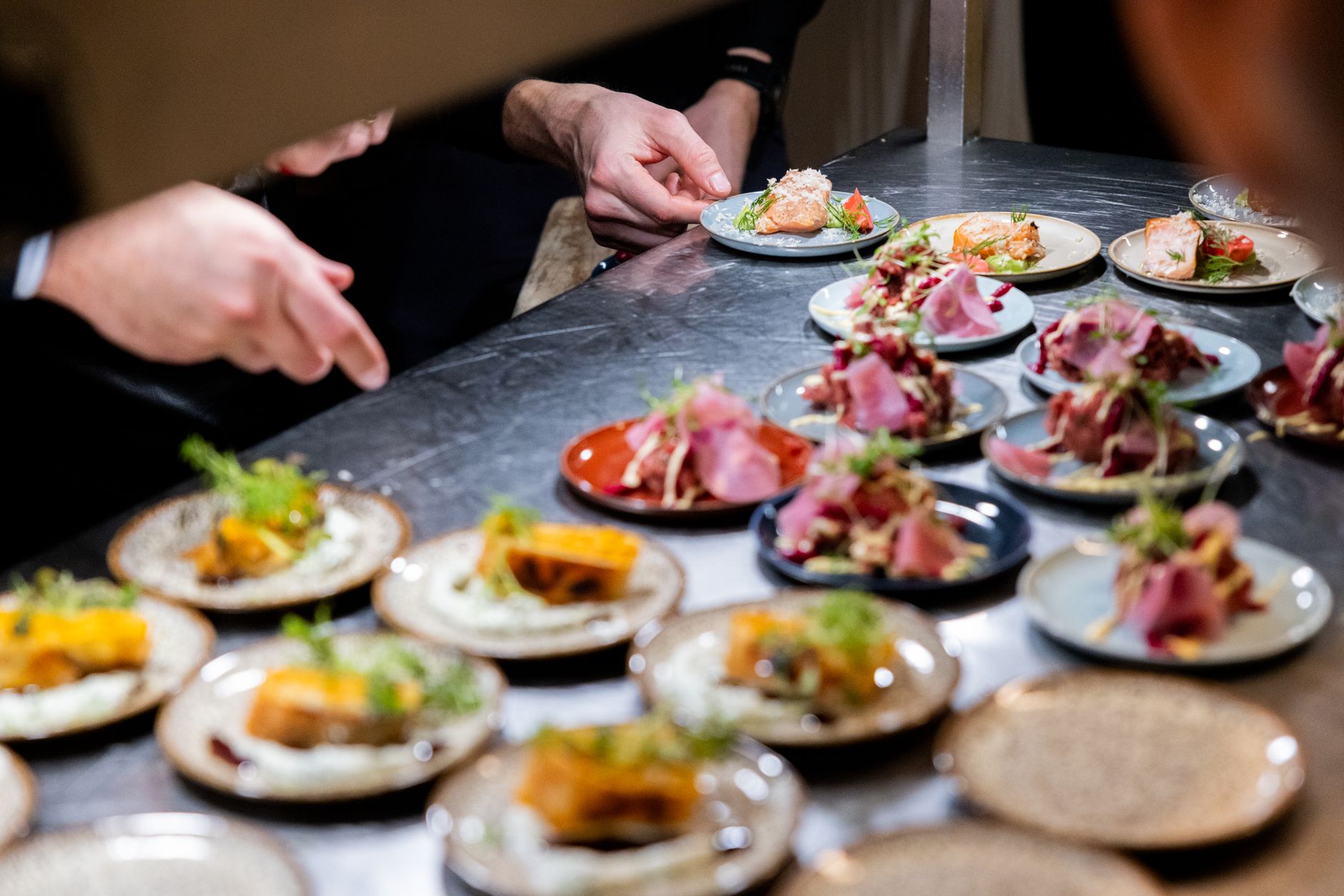
Eat Arctic char raised in cold spring water at local farms, pan-seared with butter and potatoes at village dining rooms along the Skaftá.
Waterfalls & Canyons in Kirkjubæjarklaustur Southern Region Iceland
Follow the gravel trail to Systrafoss, where twin falls slide over the cliff, or walk the marked rim overlooking the deep Fjaðrárgljúfur canyon.
Hiking in Kirkjubæjarklaustur Southern Region Iceland
Climb the marked trail up Systrastapi, a steep rocky hill west of town with views over the sandur plains and the Skaftá river system.
Religious History in Kirkjubæjarklaustur Southern Region Iceland
Visit the 1974 memorial chapel commemorating pastor Jón Steingrímsson, whose 1783 fire sermon halted advancing lava at the village edge.
Day Trips in Kirkjubæjarklaustur Southern Region Iceland
Board a summer four-wheel-drive bus north into the highlands to explore the dramatic crater row and sulfur vents of Lakagígar.
Forest Walks in Kirkjubæjarklaustur Southern Region Iceland
Explore Kirkjubæjarklaustur Forest, one of Iceland's largest birch and spruce plantations, with sheltered gravel trails above the village.
Road Journeys in Kirkjubæjarklaustur Southern Region Iceland
Drive Route 1 across the black outwash sands of Skeiðarársandur toward Skaftafell and the icebergs of Jökulsárlón glacier lagoon.
Farm Produce in Kirkjubæjarklaustur Southern Region Iceland
Sample local cured lamb, fresh skyr, and rye bread baked slowly using geothermal warmth at family guesthouses across the district.
Coastal Day Trips in Kirkjubæjarklaustur Southern Region Iceland
Take a detour south to the black sand coast near Meðalland, where the Atlantic breaks violently against empty volcanic shoreline.
Winter Stargazing in Kirkjubæjarklaustur Southern Region Iceland
Watch for northern lights from the unlit Skaftá riverbank, where dark southern skies offer clear viewing away from city glare.