Koblenz.


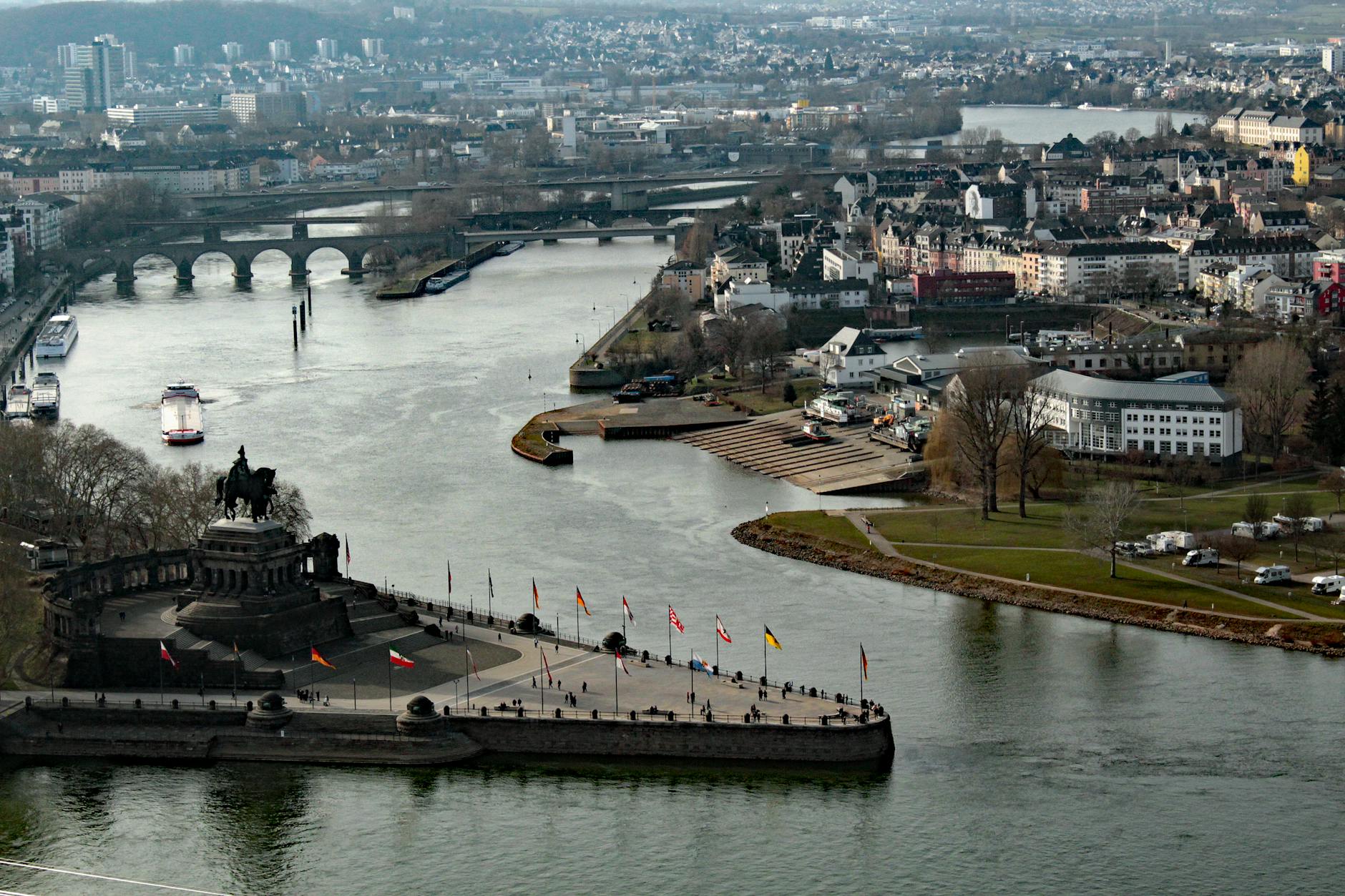

Koblenz sits fifty minutes south of Bonn and ninety minutes northwest of Frankfurt by direct regional train, anchored where the Moselle joins the Rhine. It is best known for the monumental headland at Deutsches Eck and the massive Ehrenbreitstein Fortress across the water. Koblenz is worth visiting if you want dry river-valley Riesling, layered Roman-to-Prussian history, and slow walks along two waterfronts. Look elsewhere if you want late-night clubbing, sprawling museum complexes, or sand beaches.
Last updated 27 Oct 2026
Build a Koblenz itinerary.
Choose up to 4 threads that pull you in. Your plan arrives organised around them.
We'll craft a 1-lens plan for Koblenz, one collapsible strand per lens.
Fortress Architecture
Take the cable car across the Rhine to Festung Ehrenbreitstein, exploring Prussian ramparts, dry moats, and nineteenth-century artillery barracks.
Fortress Architecture
Take the cable car across the Rhine to Festung Ehrenbreitstein, exploring Prussian ramparts, dry moats, and nineteenth-century artillery barracks.
Confluence Bastion Walk
Deutsches Eck
Walk the stone promontory where the Moselle joins the Rhine. Free access around the clock; budget forty minutes before heading along the riverbank to the cable car station.
Editor TipErected by the Teutonic Order in 1216 and refashioned in 1897 into a colossal monument to German unity, this artificial spit of land anchors the city's ancient river defense network. Watch the two distinct river currents collide from the raised balustrade; it is best seen before river barges stir the water.
Exploring Prussian Casemates
Festung Ehrenbreitstein
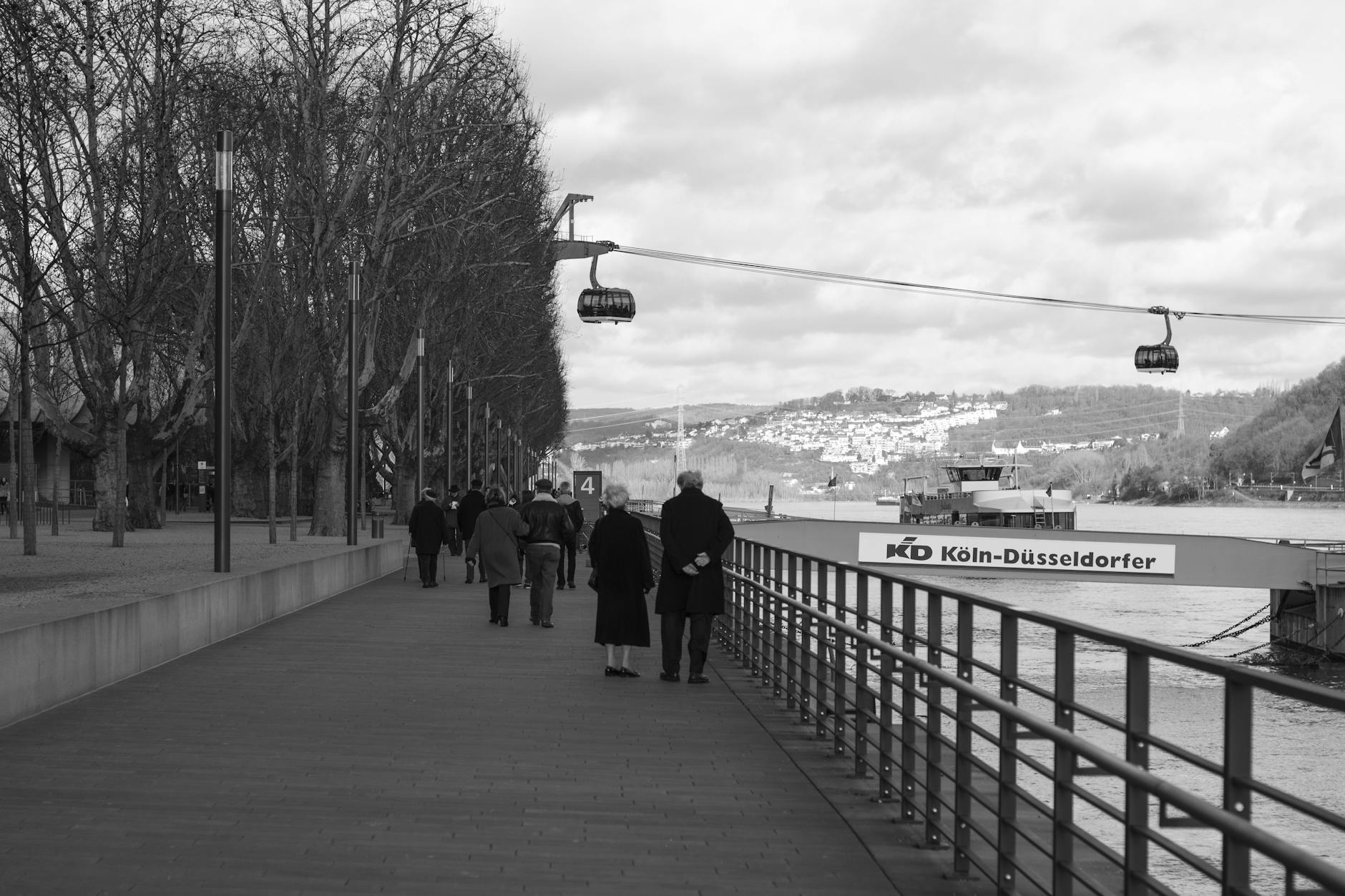
Board the Seilbahn from Konrad-Adenauer-Ufer to reach the plateau. Entry is roughly fifteen euros including the round-trip cable car; allow two full hours to tour the ditches and tunnels.
Editor TipBuilt between 1817 and 1828 over destroyed baroque ruins, this sprawling complex formed part of the Prussian Fortification System, designed to resist artillery sieges and guard the Rhine. Head straight to the Contregarde right after arriving; the morning light across the river valley makes the sheer drop vivid.
Surveying Asterstein Casemates
Fort Asterstein
Walk up the Pfaffendorf footpaths to the 1818 redoubt. The surrounding park is free, open daily from dawn, and takes an hour to circle at an unhurried pace.
Editor TipBuilt as an integral flank of the Prussian fortress network, this defensive caponier defended the Rhine heights while blending strictly into the hilly suburban ridge. Grab a warm cardamom-dusted Franzbrötchen from a bakery in Pfaffendorf before tackling the uphill climb.
Tracing Lützel Fortress Moats
Feste Kaiser Franz
Explore the exposed dry ditches and brick poterne tunnels in northern Lützel. Park access is free, while volunteer-led casemate tours run select weekends for five euros.
Editor TipErected after 1816 to protect the Moselle rail crossings, this polygonal brick fortress demonstrates the brutal engineering scale that reshaped residential Koblenz. Sturdy soled shoes are essential here, as the gravel ditch beds and old masonry slopes stay slick with Rhine moss.
Surveying Medieval Ramparts
Marksburg
Take the RB10 from Koblenz to Braubach (12 minutes), then walk 20 minutes up the footpath. Guided tours cost 11 euros; join the first entry at 10:00 to see the artillery terrace without crowds.
Editor TipRaised in the 13th century, this is the only hilltop fortress on the Middle Rhine that was never conquered or destroyed, keeping its defensive gatehouses, battering platforms, and Romanesque keep intact. Wear rubber-soled shoes because the slate bedrock paths inside the inner ward have been buffed smooth by centuries of boots.
Navigating Subterranean Casemates
Burg Rheinfels
Cross the river via ferry to St. Goar and walk 15 minutes up to the gatehouse. Admission is 9 euros. You get independent access to explore the vast outer curtain walls and subterranean mine networks.
Editor TipFounded in 1245 by Count Diether V of Katzenelnbogen, Rheinfels grew into a vast Renaissance bastion fortress that famously repelled 28,000 French siege troops in 1692 using explosive counter-mine shafts. Keep your phone torch ready or bring a small flashlight; the lower blast tunnels are unlit, damp, and pitch black.
Dining Over Castle Ruins
Der Landgraf at Romantik Hotel Schloss Rheinfels
Book a terrace table overlooking the gorge. Order the local venison with spätzle and a dry Mittelrhein Riesling, and count on spending two unhurried hours.
Editor TipConstructed in 1245, this colossal river fortress withstood massive French sieges; its surviving vaulted cellars and battered stone terraces anchor the upper Rhine gorge. Arrive thirty minutes before dinner to inspect the outer mine galleries while the evening light cuts across the masonry.
Wildcards
Worth your time whatever brought you here.
Wildcards
Worth your time whatever brought you here.
Cellar Wine and Sauerbraten
Weinhaus Hubertus
Book an oak table at Koblenz's oldest tavern. Order the Rheinischer Sauerbraten with potato dumplings and a dry Mittelrhein Riesling, which runs about €35 per person.
Editor TipErected in 1689 immediately following French bombardment, this timbered house sustained garrison officers and wine merchants through centuries of fortified border defense. Ask for a seat in the panelled parlour; the hospitality is brisk, warm, and genuine without a hint of modern pretension.
Note from the Editor
“Catch the Seilbahn before the river cruise groups arrive at ten. The stone ramparts hold the morning river chill, so bring a light jacket and sensible shoes for the cobblestones.”
The Bed
Where to stay in Koblenz
Which part of town to book, and what each one costs you in walking, noise or quiet.
The Comparison
Koblenz, or somewhere near it
The places you are realistically choosing between, and the honest case for each.
The Local Record
Where to read more about Koblenz
The blogs, boards, guides and operators worth bookmarking.
What to do in Koblenz Rhineland-Palatinate Germany
Koblenz spreads outward from the point where the Moselle slides into the Rhine. Daily life here moves between morning market errands on Jesuitenplatz, riverside strolls, and evenings spent over cold Riesling in wood-panelled dining rooms. It is a compact, unpretentious town built for travellers who prefer self-paced wandering, solid regional cooking, and sweeping river views to frantic museum queues or rigid itineraries.
24 hours in Koblenz Rhineland-Palatinate Germany
Begin at Deutsches Eck before crowds gather, then cross the Rhine by aerial cable car to tour Ehrenbreitstein Fortress by midday. Walk back through the Altstadt for a lunch of Döbbekooche at a Münzplatz tavern, and finish with a quiet evening glass of Mosel wine beside the Electoral Palace gardens. Select 1 Day above to see it.
2 days in Koblenz Rhineland-Palatinate Germany
A second day lets you catch the local bus five kilometres south to Schloss Stolzenfels, admiring Prussian romantic architecture on the hillside. Return for Sauerbraten and potato dumplings along Am Plan, then spend the evening tasting steep-slope Riesling in the cellars of the nearby Winningen wine village. Choose 2 Days to expand the plan.
3 days in Koblenz Rhineland-Palatinate Germany
With three days, take a morning river ferry south through the Upper Middle Rhine Valley toward Boppard and Saint Goar. You can hike a stretch of the Rheinsteig trail along the cliffs, visit ruined medieval toll castles, and return to Koblenz in time for smoked trout and local beer along the riverbank.
Koblenz Rhineland-Palatinate Germany itineraries by interest
Wine & Vineyards in Koblenz Rhineland-Palatinate Germany
Sip bone-dry Terrassenmosel Riesling and Spätburgunder at historic taverns along the Florinsmarkt or out among steep slate vineyard slopes.
Fortress Architecture in Koblenz Rhineland-Palatinate Germany
Take the cable car across the Rhine to Festung Ehrenbreitstein, exploring Prussian ramparts, dry moats, and nineteenth-century artillery barracks.
Local Taverns in Koblenz Rhineland-Palatinate Germany
Order Döbbekooche potato cake baked with bacon and sausage at traditional Altstadt weinstuben alongside honest glasses of local draught beer.
Sacred Architecture in Koblenz Rhineland-Palatinate Germany
Step into the Romanesque Basilica of St. Castor, founded in 836, and the twin-towered Church of Our Lady overlooking the old market squares.
Riverside Walks in Koblenz Rhineland-Palatinate Germany
Follow the Rhine promenade from the Electoral Palace down to Deutsches Eck, where the river meets the Moselle under towering willow trees.
Regional History in Koblenz Rhineland-Palatinate Germany
Inspect Roman city walls on Kastorhof and medieval guild houses around Jesuitenplatz, tracing two millennia of borderland shifts.
Cable Car Transit in Koblenz Rhineland-Palatinate Germany
Glide in panoramic cabins over the Rhine from Konrad-Adenauer-Ufer directly into the high hilltop fortress grounds in under ten minutes.
River Day Cruises in Koblenz Rhineland-Palatinate Germany
Board morning KD steamers toward Boppard and Saint Goar to watch ruined hilltop castles drift past the upper Middle Rhine gorge.
Baking Traditions in Koblenz Rhineland-Palatinate Germany
Pick up freshly baked rye rolls, Streuselkuchen, and seasonal plum tarts from family-owned bakeries scattered around Görresplatz.
Castles & Palaces in Koblenz Rhineland-Palatinate Germany
Tour the neoclassical Kurfürstliches Schloss gardens before taking a fifteen-minute bus out to neo-Gothic Schloss Stolzenfels on the Rhine.
Town Squares in Koblenz Rhineland-Palatinate Germany
Linger at Am Plan and Münzplatz for afternoon coffee, local chatter, and a look at the cheeky Schängelbrunnen fountain in the town hall courtyard.
Valley Hiking in Koblenz Rhineland-Palatinate Germany
Hike marked sections of the Rheinsteig trail through oak woods and steep rocky bluffs directly above the right bank of the Rhine.