Komiža.


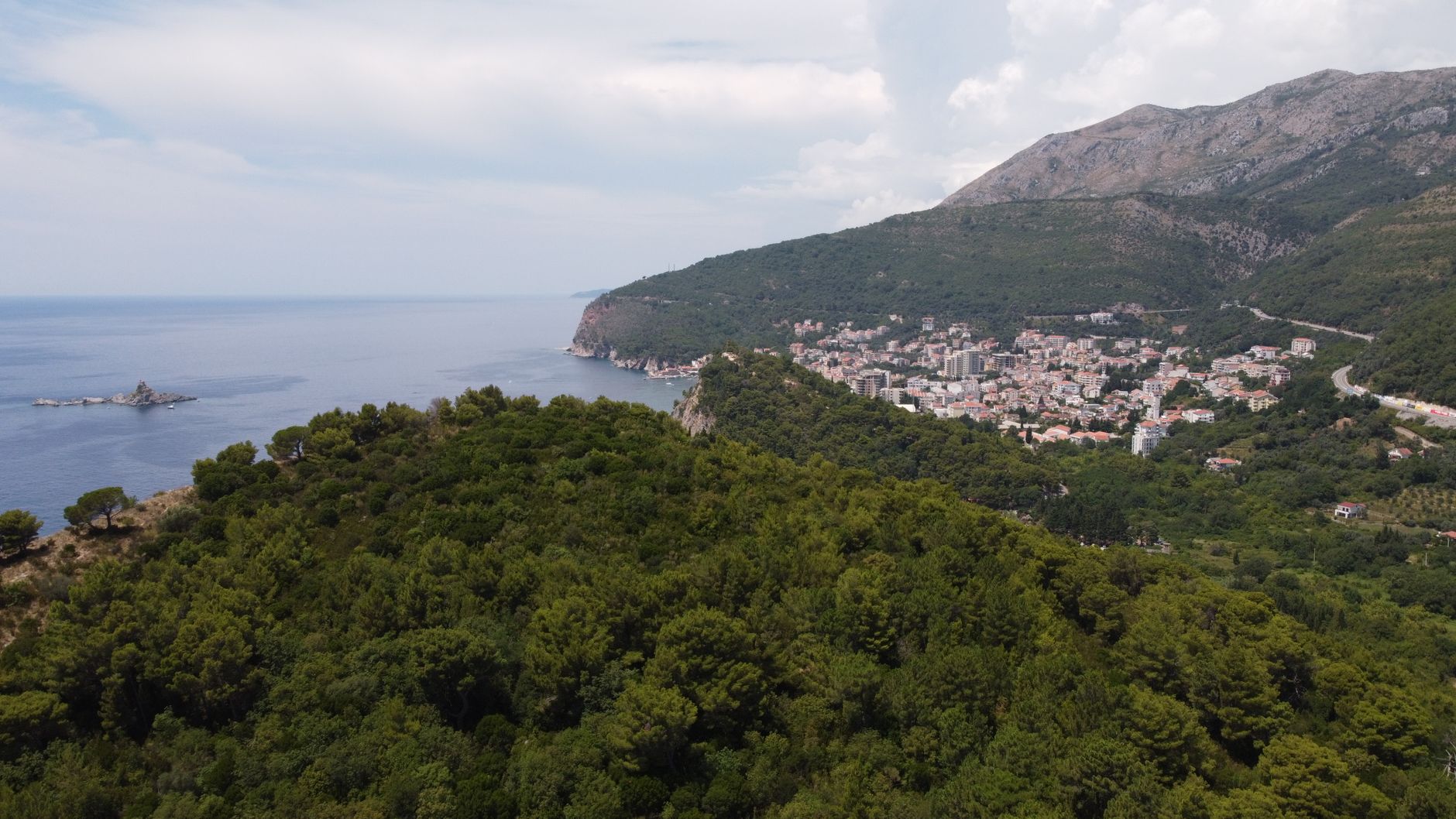
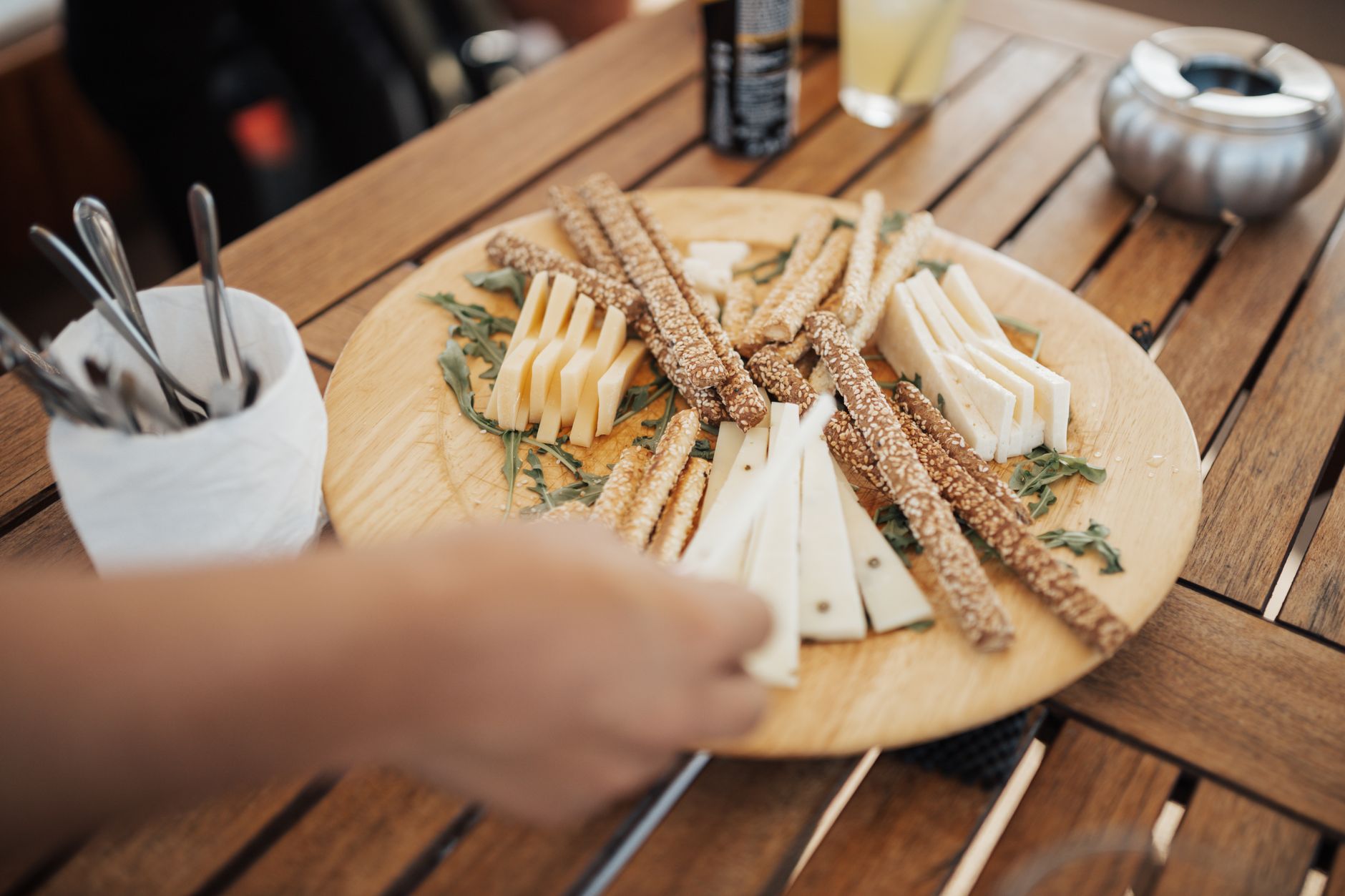

Sitting on the west coast of Vis, Komiža is reached via a two-hour ferry from Split and a fifteen-minute bus ride across the ridge. The settlement is anchored by centuries of offshore fishing, lobster trapping, and the wooden gajeta falkuša boats built for the open sea. Komiža is worth visiting if you want fresh grilled sardines, thick wedges of salted fish pie, and unhurried swims off smooth pebble beaches. Look elsewhere if you need resort nightlife, sandy shores, or extensive indoor museums.
Last updated 21 Oct 2026
Build a Komiža itinerary.
Choose up to 4 threads that pull you in. Your plan arrives organised around them.
The Bed
Where to stay in Komiža
Which part of town to book, and what each one costs you in walking, noise or quiet.
The Comparison
Komiža, or somewhere near it
The places you are realistically choosing between, and the honest case for each.
The Local Record
Where to read more about Komiža
The blogs, boards, guides and operators worth bookmarking.
What to do in Komiža Split-Dalmatia Croatia
Life in Komiža wraps tightly around the stone harbour, where mornings start with strong espresso on the Riva and end with charcoal smoke from grill houses. It is a compact, unpretentious town set below the limestone slopes of Mount Hum. The rhythm suits travellers who prefer walking between pebble coves, talking with fishermen, and eating simple island food over packed itineraries.
24 hours in Komiža Split-Dalmatia Croatia
Grab a slice of warm komiška pogača from a bakery, then wander the Fishermen's Museum inside the Komuna fortress. Spend the midday heat swimming at Kamenice cove, ten minutes south on foot. Dine on grilled squid along the Riva as the fishing fleet docks for the night. Select 1 Day above to see it.
2 days in Komiža Split-Dalmatia Croatia
A second day allows a morning climb up to the fortified Muster monastery of St. Nicholas for harbour views. Rent a scooter or take the local bus to the interior village of Podšpilje for an afternoon tasting of Vugava wine, followed by a rustic octopus peka dinner. Choose 2 Days to expand the plan.
3 days in Komiža Split-Dalmatia Croatia
With three days, book a morning boat run to the Blue Cave on Biševo Island before the tour flotillas arrive from Split. Spend your afternoon swimming the sheltered waters of Porat cove, then return to Komiža for brodetto and local Plavac Mali on the harbour quay.
Komiža Split-Dalmatia Croatia itineraries by interest
Local Seafood in Komiža Split-Dalmatia Croatia
Order whole grilled dentex, squid ink brodetto with polenta, and spiny lobster hauled in daily by the Riva fleet and cooked over open wood fires.
Maritime History in Komiža Split-Dalmatia Croatia
Visit the sixteenth-century Venetian tower housing the Fishermen's Museum to study the iconic gajeta falkuša wooden boats and salt-sardine barrels.
Traditional Baking in Komiža Split-Dalmatia Croatia
Buy komiška pogača, a dense baked yeast flatbread layered with salted sardines or anchovies, sweet stewed onions, and tomatoes from local village ovens.
Beaches & Coves in Komiža Split-Dalmatia Croatia
Swim off the smooth rounded pebbles at Kamenice, grab cold mineral water at freshwater springs, or walk north to the quiet gravel shoreline at Gusarica.
Wine & Vineyards in Komiža Split-Dalmatia Croatia
Sip crisp Vugava whites and dry Plavac Mali reds produced in the interior karst vineyards around Podšpilje and poured in humble stone cellars.
Sacred Architecture in Komiža Split-Dalmatia Croatia
Climb the hill path to the fortified Benedictine monastery of St. Nicholas, known locally as Muster, founded in the thirteenth century above the bay.
Boat Excursions in Komiža Split-Dalmatia Croatia
Catch an early wooden skiff across to Biševo to see the morning light in the Blue Cave, then drop anchor in the quiet sandy cove of Porat.
Hiking Trails in Komiža Split-Dalmatia Croatia
Follow the drystone goat path ascending 587 metres up Mount Hum for views across to the distant volcanic outposts of Jabuka and Svetac.
Military History in Komiža Split-Dalmatia Croatia
Tour the Cold War submarine pens at Parja and underground coastal artillery tunnels carved into the limestone during the Yugoslav naval era.
Coastal Walks in Komiža Split-Dalmatia Croatia
Stroll along the stone promenade from the central harbour past old drying nets to the quiet Franciscan monastery and pebble shore at Grandovac.
Local Agriculture in Komiža Split-Dalmatia Croatia
Taste dark carob cake, dried wild figs, and pungent rosemary honey harvested along the terraced hillside plots above the bay.
Island Villages in Komiža Split-Dalmatia Croatia
Drive the narrow interior road to inland hamlets like Žena Glava for slow-cooked peka veal and lamb prepared beneath iron bell lids.