Locarno.


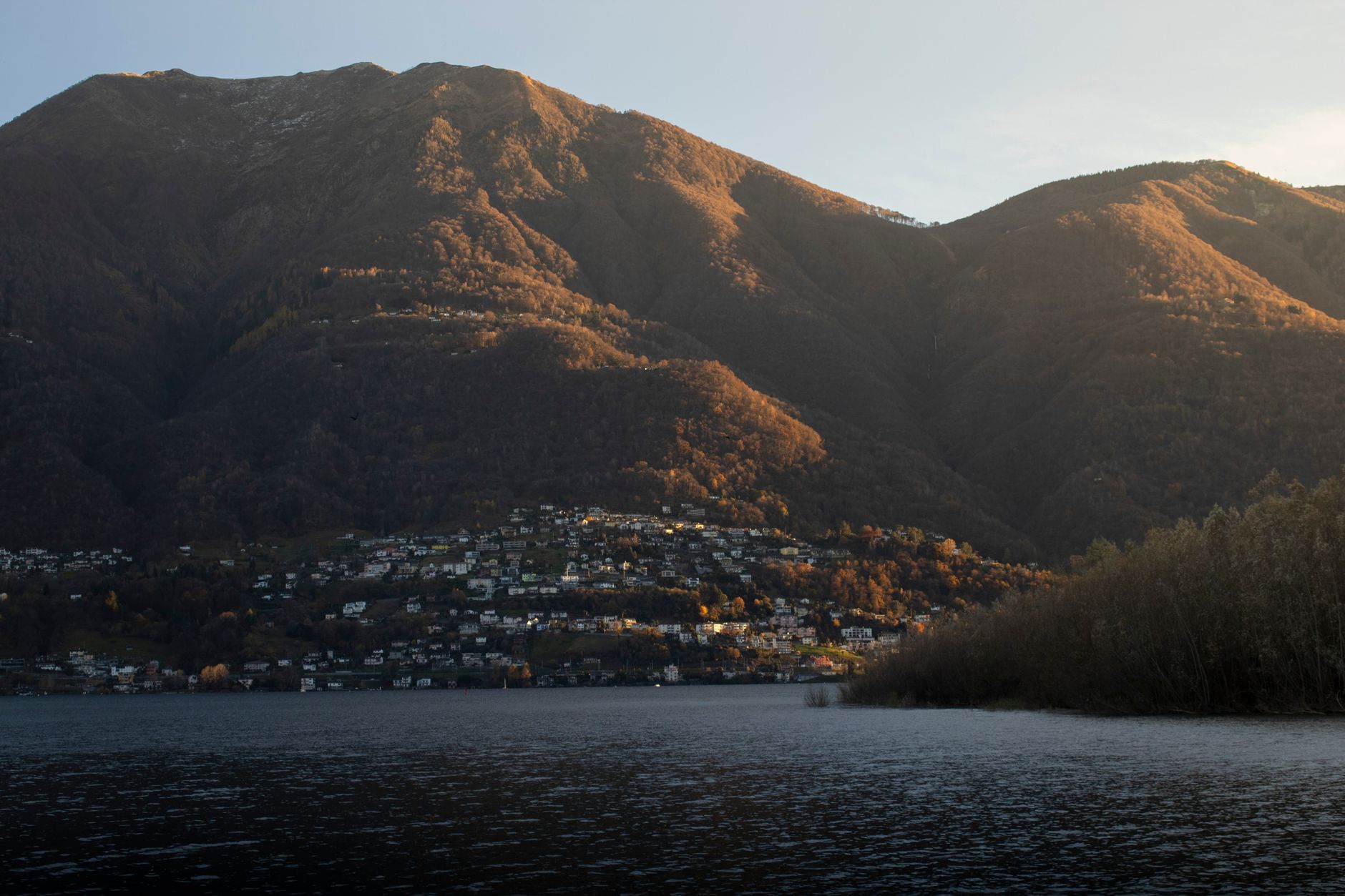


Locarno sits on the northern tip of Lake Maggiore, two hours by train south of Zurich via the Gotthard Base Tunnel and fifty minutes from Lugano. The town is known for Switzerland's mildest microclimate, the arcaded Piazza Grande, and the hillside sanctuary of Madonna del Sasso. Italian dialect and palm trees meet Swiss train punctuality here. Locarno is worth visiting if you want to pair morning lake ferry rides with rustic grotto lunches of polenta and braised beef in the valleys. Look elsewhere if you want high-energy nightlife, wide sandy beaches, or a deep roster of indoor museums for rainy days.
Last updated 7 Sept 2026
Build a Locarno itinerary.
Choose up to 4 threads that pull you in. Your plan arrives organised around them.
The Bed
Where to stay in Locarno
Which part of town to book, and what each one costs you in walking, noise or quiet.
The Comparison
Locarno, or somewhere near it
The places you are realistically choosing between, and the honest case for each.
The Local Record
Where to read more about Locarno
The blogs, boards, guides and operators worth bookmarking.
What to do in Locarno Ticino Switzerland
Locarno revolves around Piazza Grande, an arcaded square that channels daily life from morning espresso to evening strolls. The town slopes upward from the blue waters of Lake Maggiore into the steep cobblestones of Città Vecchia and the mountain foothills behind. It suits travellers who enjoy leisurely ferry rides, unhurried meals in rustic stone courtyards, and warm alpine sunshine paired with hearty southern Swiss cooking.
24 hours in Locarno Ticino Switzerland
Start with espresso under the porticos of Piazza Grande, then take the funicular up to Madonna del Sasso by 10:00. Walk back down along the via crucis trail into Città Vecchia for lunch of risotto and luganighe sausage. Spend the afternoon strolling the lakefront promenade toward the Camellia Park before an aperitivo of local white Merlot at sunset. Select 1 Day above to see it.
2 days in Locarno Ticino Switzerland
On day two, take the morning ferry to the botanical gardens on the Brissago Islands. Return by midday and catch the local bus into the Verzasca Valley. Walk across the stone bridge at Lavertezzo, then settle in at a riverside grotto for slow-braised beef and polenta cooked over beech wood as the mountain shadows lengthen across the river. Choose 2 Days to expand the plan.
3 days in Locarno Ticino Switzerland
Day three allows for the Centovalli railway journey toward Domodossola, winding past granite gorges and deep chestnut forests. Break the journey at Intragna to see the bell tower and eat torta di pane at a village bakery, or take the Botta cable car to Cardada for a high-altitude ridge hike looking south into Italy and north toward the Alps.
Locarno Ticino Switzerland itineraries by interest
Mountain Dining in Locarno Ticino Switzerland
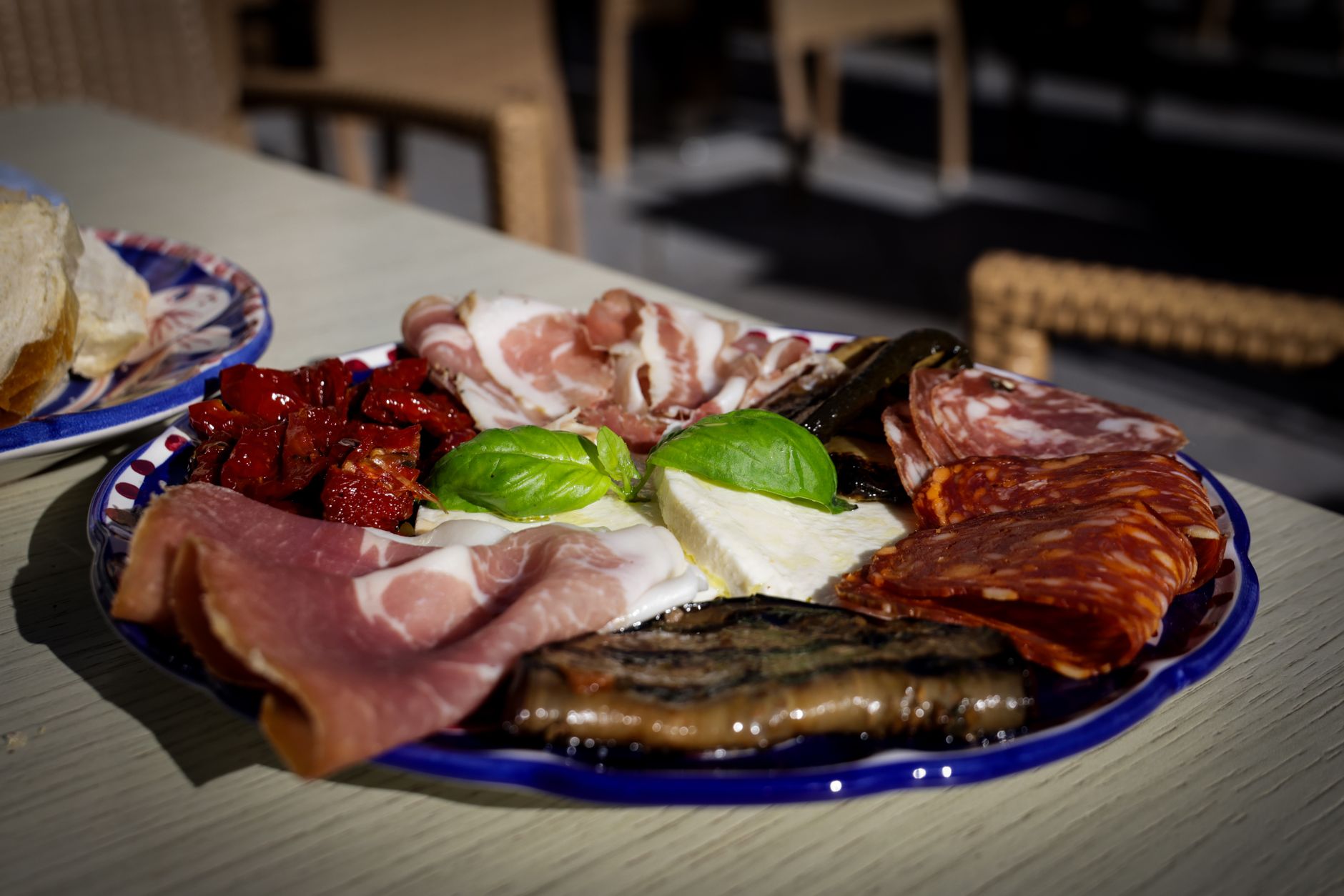
Seek out stone grottoes in the Maggia Valley for steaming polenta taragna cooked over open wood fires alongside tender brasato and local formaggini.
Sacred Architecture in Locarno Ticino Switzerland
Ride the 1906 funicular up to the 15th-century sanctuary of Madonna del Sasso in Orselina for terracotta friezes and sweeping views over the lake.
Lake Navigation in Locarno Ticino Switzerland
Board the public Navigazione Lago Maggiore boats from the pier to visit the botanical collections on the Brissago Islands or cross into Italy.
Wine & Vineyards in Locarno Ticino Switzerland
Sample structured Merlot del Ticino and rare white Merlots grown on steep terraced granite slopes around Gordola and the hills of Gambarogno.
Markets & Produce in Locarno Ticino Switzerland
Thursday morning markets fill Piazza Grande with stallholders selling alpine cured salametti, chestnut honey, and Valle Maggia zincarlin cheeses.
Historic Old Town in Locarno Ticino Switzerland
Walk the cobblestones of Città Vecchia past 16th-century patrician palazzi, hidden courtyards, and the Visconti Castle on Via Rusca.
Valley Hiking in Locarno Ticino Switzerland
Follow trails into the Verzasca Valley across the double-arched Ponte dei Salti at Lavertezzo, passing glacial pools of clear turquoise water.
Local Pastry in Locarno Ticino Switzerland
Stop at traditional pasticcerie for torta di pane, amaretto di Locarno, and seasonal panettone baked with slow natural sourdough starter.
Lakeside Promenades in Locarno Ticino Switzerland
Stroll from Lungolago Giocondo Albertolli through the Camellia Park at the delta, where over nine hundred varieties bloom in early spring.
Modern Art in Locarno Ticino Switzerland
Browse the Jean Arp sculptures and 20th-century avant-garde works housed in the stuccoed salons of Casa Rusca on Piazza Sant'Antonio.
Alpine Cableways in Locarno Ticino Switzerland
Take the Mario Botta-designed cable car from Orselina up to Cardada at 1,340 metres for ridge walks and views of Switzerland's lowest point.
Thermal Baths in Locarno Ticino Switzerland
Soak in the saltwater and freshwater pools of Termali Salini & Spa on the lake edge, designed with multi-tiered stone niches and steam rooms.