Loreto.
_(cropped).jpg)
.jpg)
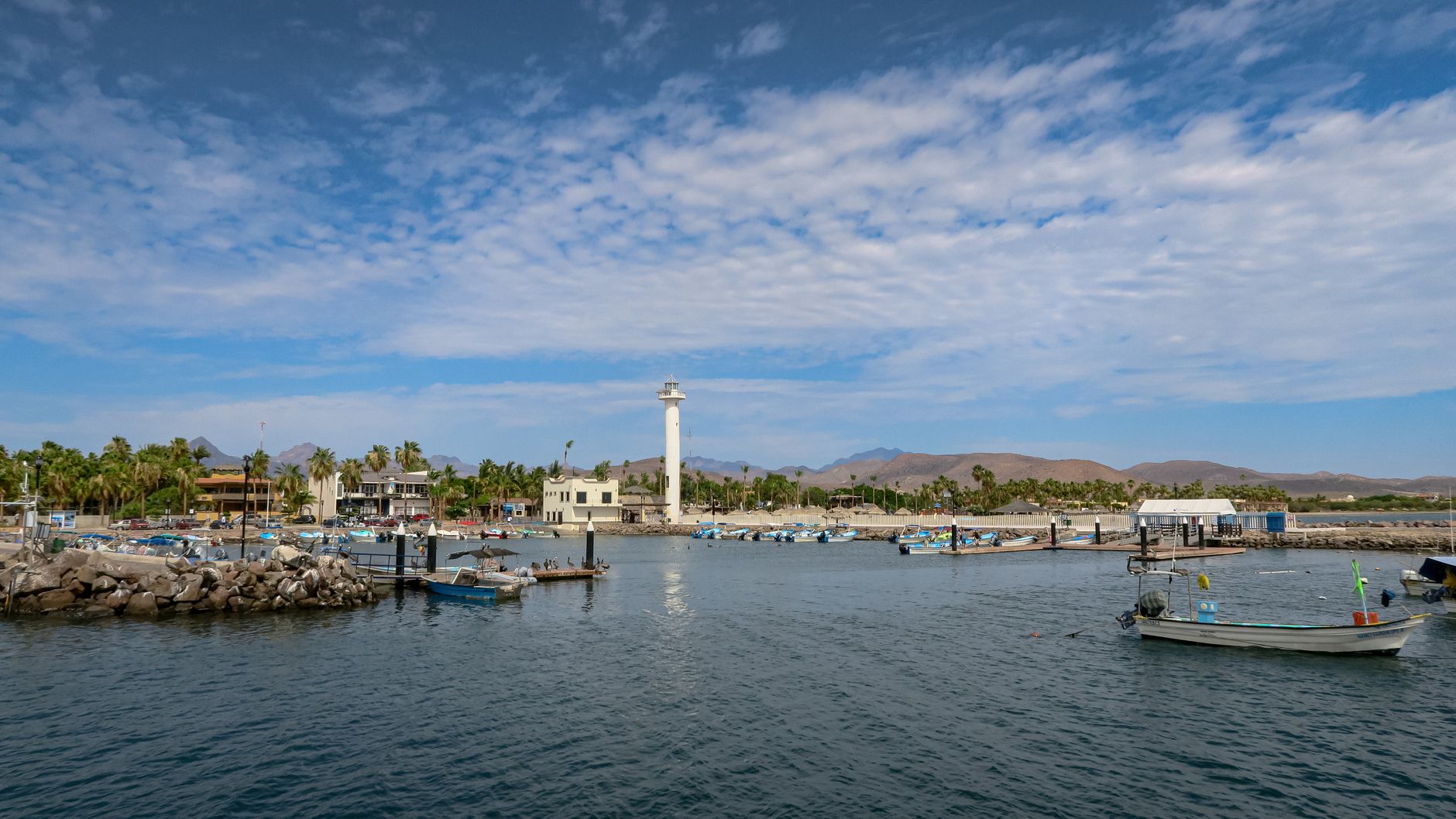
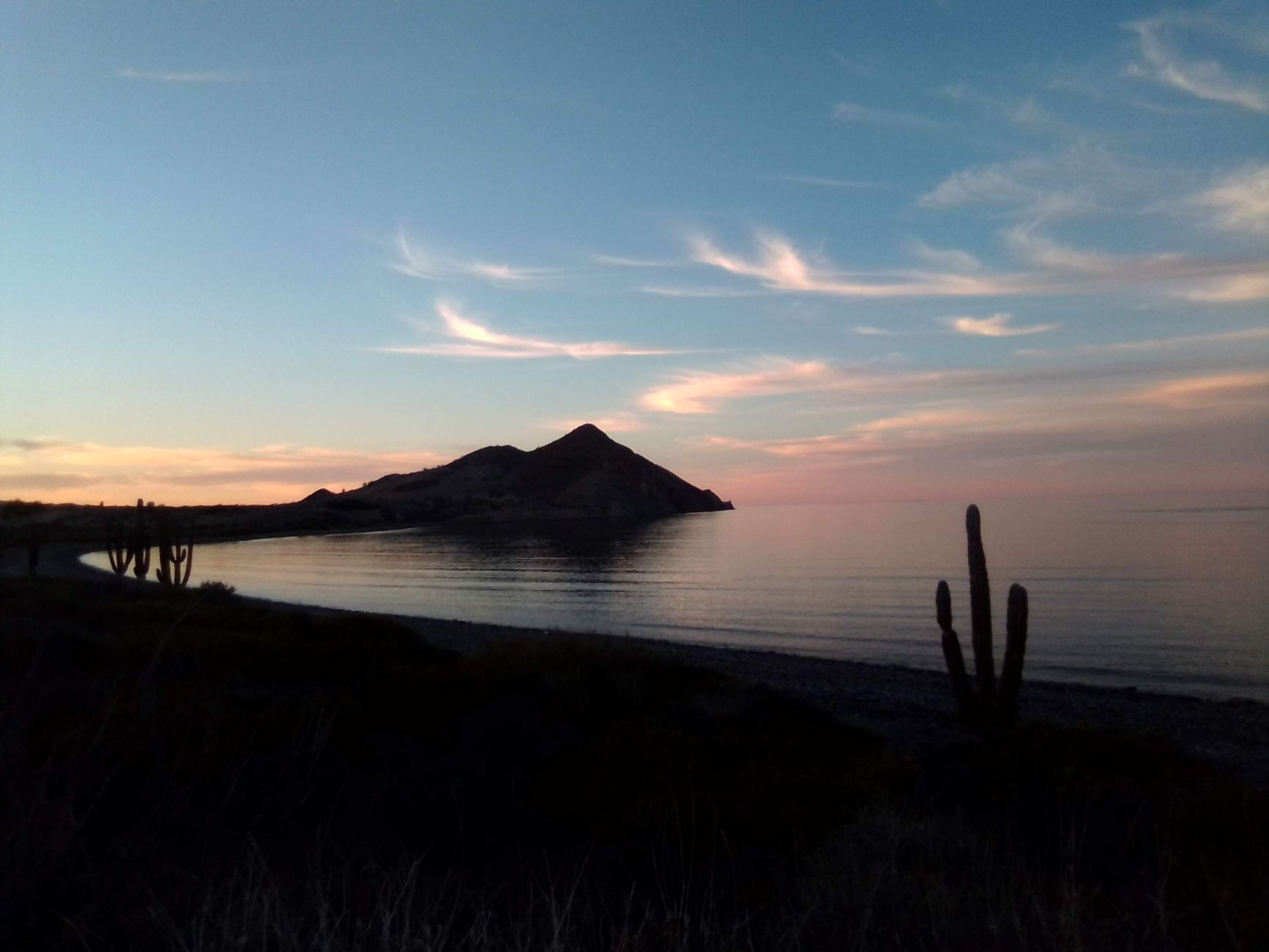

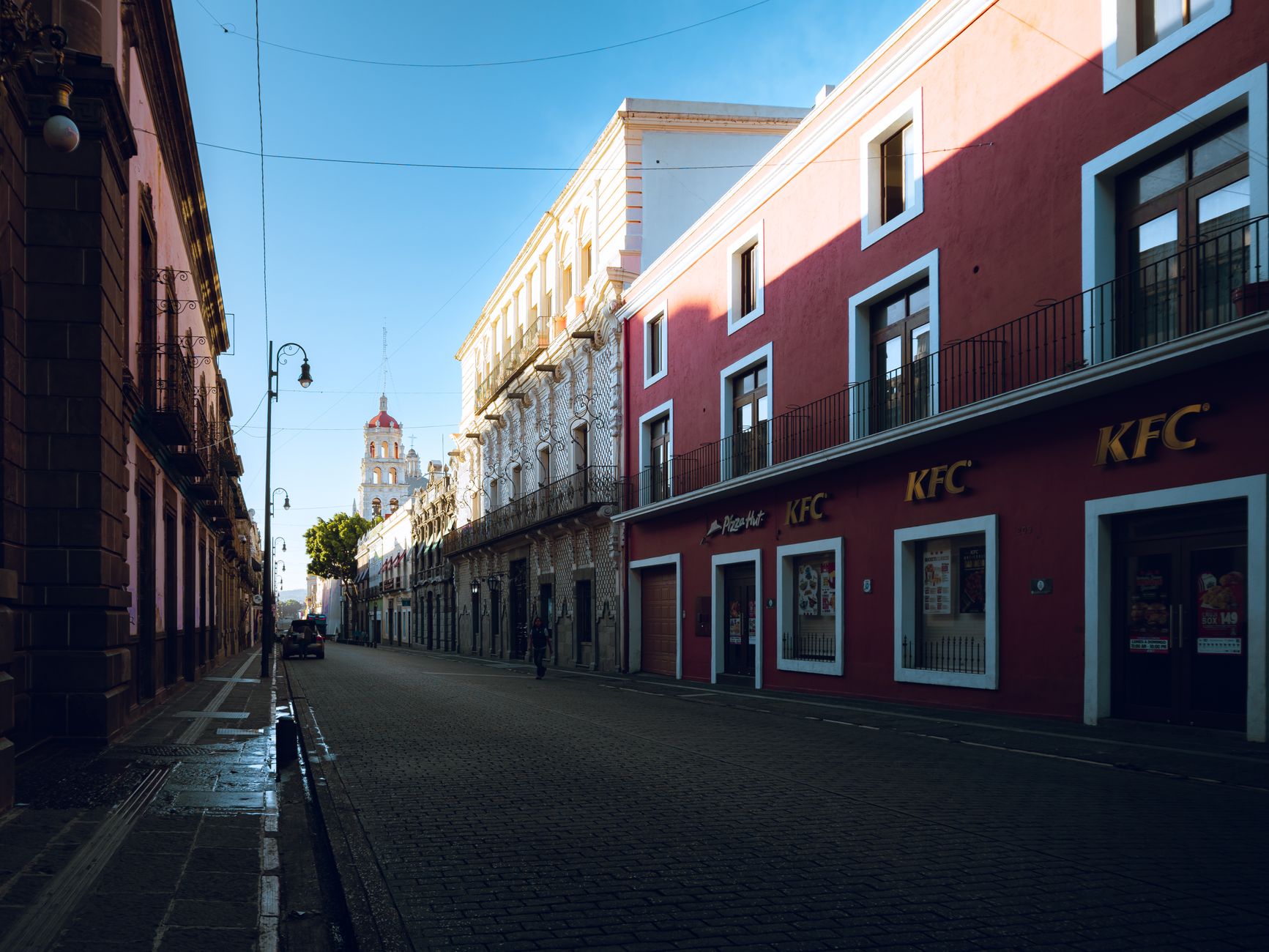
Dawn breaks over the jagged spine of the Sierra de la Giganta, throwing long purple shadows across calm water before the panga skiffs fire up their outboards. Founded in 1697 as the first Spanish mission in the Californias, this small coastal town moves at a dignified walk. You come for almejas tatemadas scorched under dry desert brush, the caracol-tiled plaza around Misión de Nuestra Señora de Loreto, and pods of blue whales breaching offshore in cold winter currents.
Last updated 28 Aug 2026
Build a Loreto itinerary.
Choose up to 4 threads that pull you in. Your plan arrives organised around them.
The Bed
Where to stay in Loreto
Which part of town to book, and what each one costs you in walking, noise or quiet.
The Comparison
Loreto, or somewhere near it
The places you are realistically choosing between, and the honest case for each.
The Local Record
Where to read more about Loreto
The blogs, boards, guides and operators worth bookmarking.
What to do in Loreto Baja California Sur Mexico
Tucked between desert peaks and the Gulf of California, the town runs on a gentle nautical schedule. Mornings belong to skippers leaving the marina and quiet walks along the stone malecón. Afternoons slow to a halt around the pedestrian plaza of Calle Salvatierra, before evening tables fill for cold Pacifico beer and local clams. It suits travellers who prefer uncrowded stone missions, marine life, and honest cooking over resort developments.
24 hours in Loreto Baja California Sur Mexico
Start before eight with machaca and eggs on Calle Madero, then walk inside the 1697 mission museum before the desert heats up. Hire a local panga at the marina by mid-morning for a four-hour run to the volcanic sands of Isla Coronado. Return for roasted chocolate clams on the beach at sunset. Select 1 Day above to see it.
2 days in Loreto Baja California Sur Mexico
Drive thirty kilometres inland along the twisting canyon road to San Javier. The stone mission church and centuries-old olive grove offer cool respite from coastal glare. Back in town, spend the late afternoon drinking damiana tea near Plaza Civica before dining on fresh yellowtail at a harbour table. Choose 2 Days to expand the plan.
3 days in Loreto Baja California Sur Mexico
A third morning opens up the rocky scramble through Cañón del Tabor or a dedicated marine charter south to Puerto Escondido and Danzante. You have time to track blue whales in season, linger over Baja goat cheeses at the market, and settle properly into the town rhythm without watching the clock.
Loreto Baja California Sur Mexico itineraries by interest
Local Seafood in Loreto Baja California Sur Mexico
Almejas chocolatas roasted over romerillo brush in gravel pits, fresh yellowtail ceviche, and grilled snook caught daily off Coronado.
Sacred Architecture in Loreto Baja California Sur Mexico
Misión de Nuestra Señora de Loreto with its 1697 stone facade, gilded baroque altarpiece, and the quiet mountain mission at San Javier.
Island Excursions in Loreto Baja California Sur Mexico
Panga boats to Isla Coronado and Isla Danzante for volcanic ash beaches, sea lion colonies, and snorkeling in Bahia de Loreto marine park.
Marine Wildlife in Loreto Baja California Sur Mexico
Winter blue whale migrations, fin whales, mobula ray schools, and bottlenose dolphins feeding in the nutrient-rich Carmen passage.
Mountain Drives in Loreto Baja California Sur Mexico
The steep paved road ascending Arroyo Las Parras into the Sierra de la Giganta, passing desert canyons to reach fertile mission orchards.
Regional Cooking in Loreto Baja California Sur Mexico
Machaca beef scrambled with eggs for breakfast, fresh flour tortillas, homemade pitaya preserves, and sweet local damiana liqueur.
Historic Streets in Loreto Baja California Sur Mexico
Pedestrianised Calle Salvatierra shaded by ficus trees, lined with quiet courtyard cafes, old stone walls, and small family shops.
Canyon Hiking in Loreto Baja California Sur Mexico
Trekking through Cañón del Tabor past pink granite boulders and natural water pools carved into the sheer volcanic mountain rock.
Coastal Walks in Loreto Baja California Sur Mexico
The stone malecón stretching from the marina south along the bay, ideal for quiet morning strolls as the pelicans dive into the surf.
Archaeology & Rock Art in Loreto Baja California Sur Mexico
Prehistoric Cochimí cave paintings painted high in mountain caves, reached by guided day trips into the remote Sierra de San Francisco.
Markets & Produce in Loreto Baja California Sur Mexico
Small grocery stalls along Avenida Juárez selling regional Baja goat cheese, dried chilies, sea salt, and fresh winter citrus.
Kayaking & Paddling in Loreto Baja California Sur Mexico
Sea kayaking along turquoise coves and red volcanic cliffs between Puerto Escondido and the protected coves of Isla Danzante.